
Best Apple Compatible Watches: What Actually Matters Before You Buy for 2026
Disclosure: We may earn a commission when you buy through links on this page, at no extra cost to you. As an Amazon Associate I earn from qualifying purchases. Learn more

Use this clear checklist to choose the best apple compatible watches by iPhone pairing, battery life, case fit, water resistance, and warranty value.
Many watches claim to work with an iPhone, yet the depth of that support varies a lot. Some pair fully with Apple Health and notifications, while others connect in a limited way that frustrates buyers within a week. This guide gives you a checklist to separate full support from partial support before you spend anything.
The best apple compatible watches share three traits: clear iOS app support, honest battery claims, and a case size that fits your wrist. Work through the criteria below, then scan the product table to see which current options meet them on paper before you check fit and price.
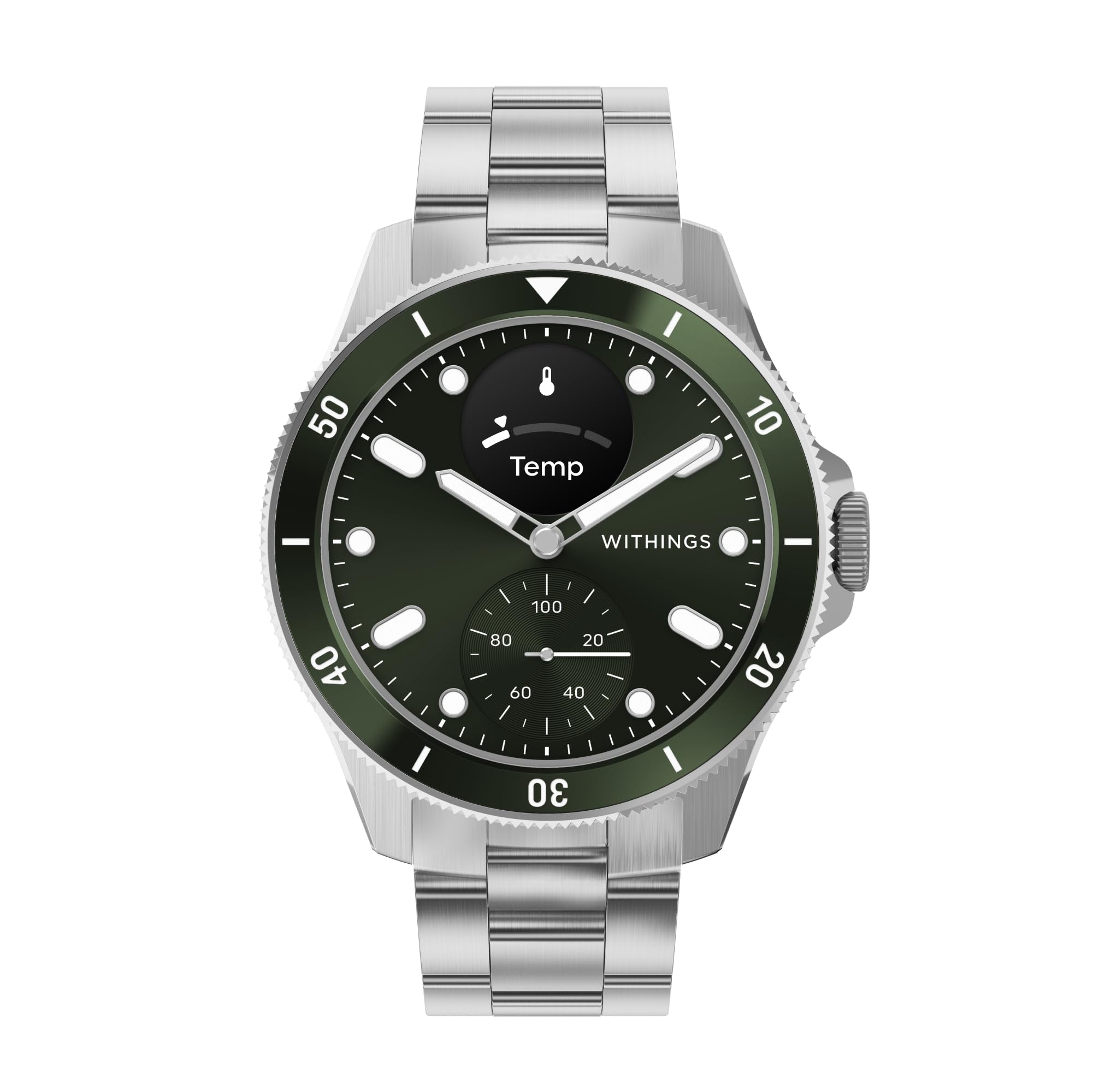

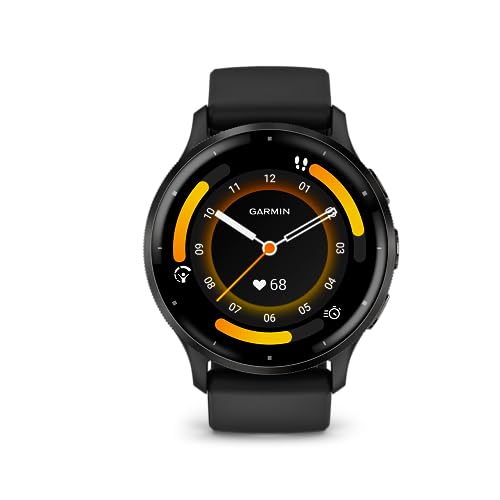

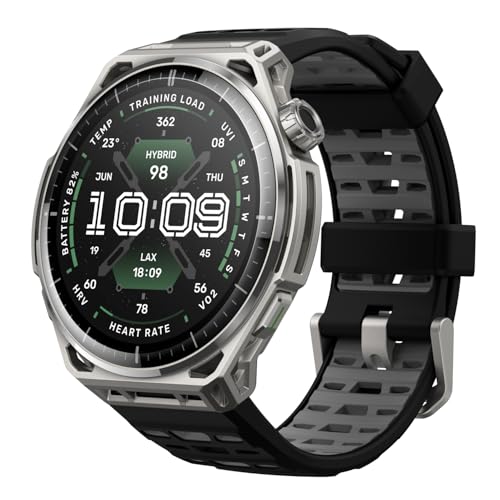


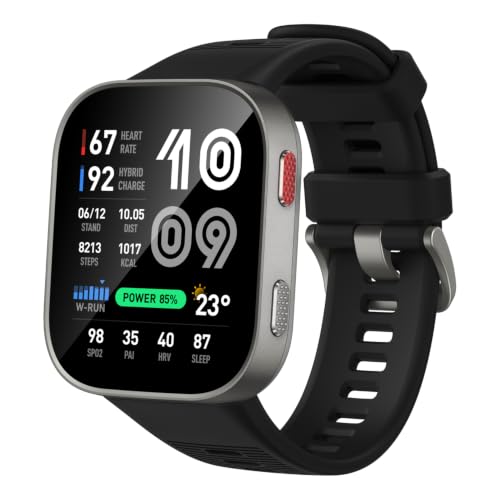
How to Evaluate Apple Compatible Watches
Use each criterion as a pass or fail gate. A watch that fails on pairing or fit will annoy you daily, no matter how strong its other scores look in a listing photo.
Connection Type: Smart Features vs Classic Watches
Only smartwatches truly connect to an iPhone. They pair by Bluetooth, use a companion app, and sync activity, notifications, and settings. Classic quartz and automatic watches cannot sync with Apple Health or show alerts, no matter how they are marketed. If a listing for a classic watch implies iPhone pairing, treat that as a red flag. True smart models state the app name and the iOS version they require.
Smart and Fitness Features
Judge GPS accuracy, heart rate tracking, sleep records, and workout modes against your actual routine. Built in GPS matters if you run or ride without your phone; phone assisted GPS is fine for walks. Remember that watch sensors support fitness tracking only and do not replace a medical device. If you have a heart condition or take medication that affects heart rate, talk with your doctor about which readings you should rely on.
Legibility and Style
A good display stays readable in bright light and at a quick glance. High contrast watch faces, strong brightness, and clear numerals help more than decorative dial details. For traditional style smart models, check the lume style markers and face designs in photos taken in normal light, not studio shots. Match the style to your main setting: a slim case suits office wear, while a bold case suits sport and outdoor use.
Strap and Bracelet Options
Straps decide daily comfort as much as the case does. Silicone suits workouts and water, leather suits the office but hates sweat and rain, and metal adds weight and formality. A quick release strap system lets you swap styles in seconds without tools, which extends one watch across settings. Check the lug width before you buy spare straps, and confirm that standard straps fit rather than a closed proprietary fitting.
Case Size and Wrist Fit
Case diameter in this category commonly runs from about 38 to 44 mm, but lug to lug length decides real fit more than diameter alone. If the lugs overhang your wrist, the watch will look and feel too large even at a modest diameter. Thickness matters under a shirt cuff. Measure your wrist, compare it with the lug to lug figure, and favor the smaller size when you sit between two options.
Brand Reputation, Warranty, and Value
Favor brands with a working US service route, a warranty of at least one year, and an app that still receives updates. App support is part of value here: a cheap watch whose app is abandoned becomes a basic clock. Check recent app store reviews for update history before you buy. Sapphire crystal glass resists scratches better than standard glass and is worth paying for if you work with your hands.
Checklist Tiers: What Passing Looks Like
Rather than naming winners, use the product table above to sort options into three practical tiers by how many checklist gates they pass.
Premium Tier
A premium tier watch passes every gate: full iOS app support, built in GPS, a bright display, quick release straps, a case range that covers small and large wrists, and a warranty with US service. It will usually cost more, often about $250 to $400, but it is the tier to choose if you want one watch for work, workouts, and travel with no pairing compromises and battery life that covers several days.
Value Tier
A value tier watch passes the core gates of pairing, fit, and water resistance while trimming extras such as sapphire crystal or onboard music storage. Prices often sit around $100 to $250. The main watch out point is battery claims: value models sometimes quote standby time rather than active use time. Read the fine print for GPS hours, since that figure predicts real world endurance far better than the headline number.
Compact Tier
A compact tier watch prioritizes a short lug to lug length, low weight, and a slim case for smaller wrists. It suits buyers who found standard smartwatches bulky or who want a watch that sits neatly under a cuff. Expect a smaller display and a smaller battery, so daily or near daily charging is normal at this size. If fit has stopped you wearing a watch before, this tier deserves your first look. Our guide to the best apple compatible smart watches focuses on connected models only, which helps if you want to exclude classic styles from your search.
Quick Buyer Checklist
- Does the listing name the companion app and state current iOS support?
- Does the watch sync with Apple Health if you want your data there?
- Does the lug to lug length fit your wrist without overhang?
- Is the water resistance rating high enough for your swimming or shower habits?
- Does the battery claim state active GPS hours, not just standby time?
- Can you change the strap with a quick release system or standard lugs?
- Is the warranty at least one year with a clear US service route?
- Can you return it after a week if pairing with your phone disappoints?
If you answered no to any of the first three questions, keep looking. Style focused buyers may also enjoy our guide to the best looking apple watches, while women comparing case sizes and strap styles can use our guide to the best apple watches for women for fit notes.
Red Flags to Watch For
- Vague pairing claims. Listings that say works with iPhone without naming an app or iOS version often deliver very limited support.
- No water resistance rating. A watch with no stated rating should stay away from rain, workouts, and hand washing splashes.
- Unreal battery claims. Very long life paired with a bright always on display and GPS usually means the claim uses standby mode only.
- Abandoned apps. A companion app with no update in over a year signals that pairing may break after your next iOS update.
- Very short warranty. Coverage under ninety days on an electronic watch suggests low confidence from the maker.
How to Make Your Apple Compatible Watch Last Longer
Rinse the case and strap with fresh water after saltwater exposure and dry it fully before charging. Keep the watch away from strong magnets, which can affect sensors and, on classic styles, the movement itself. Update the app and watch software regularly, and avoid charging in very hot places such as a sunny car. Fitness focused owners can find training specific notes in our guide to the best apple watches for fitness, and older buyers can check readability and fall related features in our guide to the best apple watches for seniors.
FAQs
What case size fits my wrist?
Measure the flat top of your wrist and compare it with the lug to lug length rather than the case diameter. If the lug to lug figure is shorter than your wrist width, the watch will sit well. Slim wrists under about six inches usually suit the smaller case in a range. One extra check is thickness: a tall case catches on cuffs and door frames more than a wide but slim one.
Is a smartwatch worth it over a classic watch?
A smartwatch is worth it if you want notifications, activity tracking, and Apple Health sync on your wrist. A classic watch wins on battery life measured in years, timeless style, and zero app dependence. The two types solve different problems, so the honest test is whether you would check phone alerts on your wrist daily. If not, a classic watch plus your phone may serve you better.
How water resistant should a watch be?
For daily wear with hand washing and rain, a light splash rating is enough. For swimming and regular workouts, look for a rating stated as suitable for swimming, commonly 5 ATM or a clear swim claim from the maker. Ratings assume still water and intact seals, so avoid pressing buttons underwater and replace seals or retire the watch from swimming after heavy knocks.
How long does a watch battery last?
Smartwatch batteries last from about one day to over a week depending on display settings, GPS use, and case size. Always on displays and long GPS sessions drain a charge fastest. Classic quartz watches run for years on a small cell, which is their main practical edge. When you compare smart models, use the stated GPS hours as your guide because that number reflects active use honestly.
Quartz or automatic: which is better?
Neither quartz nor automatic connects to an iPhone, so this choice only matters if you are also considering a classic watch. Quartz is more accurate, cheaper to maintain, and ready after weeks unworn. Automatic movements appeal to buyers who value mechanical craft and accept servicing every five to seven years. For Apple features, you need a smartwatch; treat classic styles as a separate, non connected purchase.
Wrapping Up
Gate your choice on true iOS pairing first, wrist fit second, and honest battery and water resistance figures third. Run every candidate in the product table above through the quick checklist before you compare styles or prices. Do that, and the best apple compatible watches for your wrist and your phone will be the ones left standing.


