Best Apple Compatible Monitors for Every Need in 2026: How to Pick the Right One
Disclosure: We may earn a commission when you buy through links on this page, at no extra cost to you. As an Amazon Associate I earn from qualifying purchases. Learn more

Choose the best apple compatible monitors by resolution, USB C power delivery, panel type and ports so one cable runs your Mac.
There is no single monitor that suits every Mac desk. A gamer, an editor and a student can all plug into the same Mac and need very different screens. The best apple compatible monitors are the ones that match your work, your desk space and the ports on your computer, and you can compare them in the comparison table below.
Start with how you spend most hours at the screen. Sharp text matters all day for writing and spreadsheets, while accurate color matters most for photo work and fast motion matters most for play. Once that main job is clear, resolution, panel type and connections become much easier to sort.
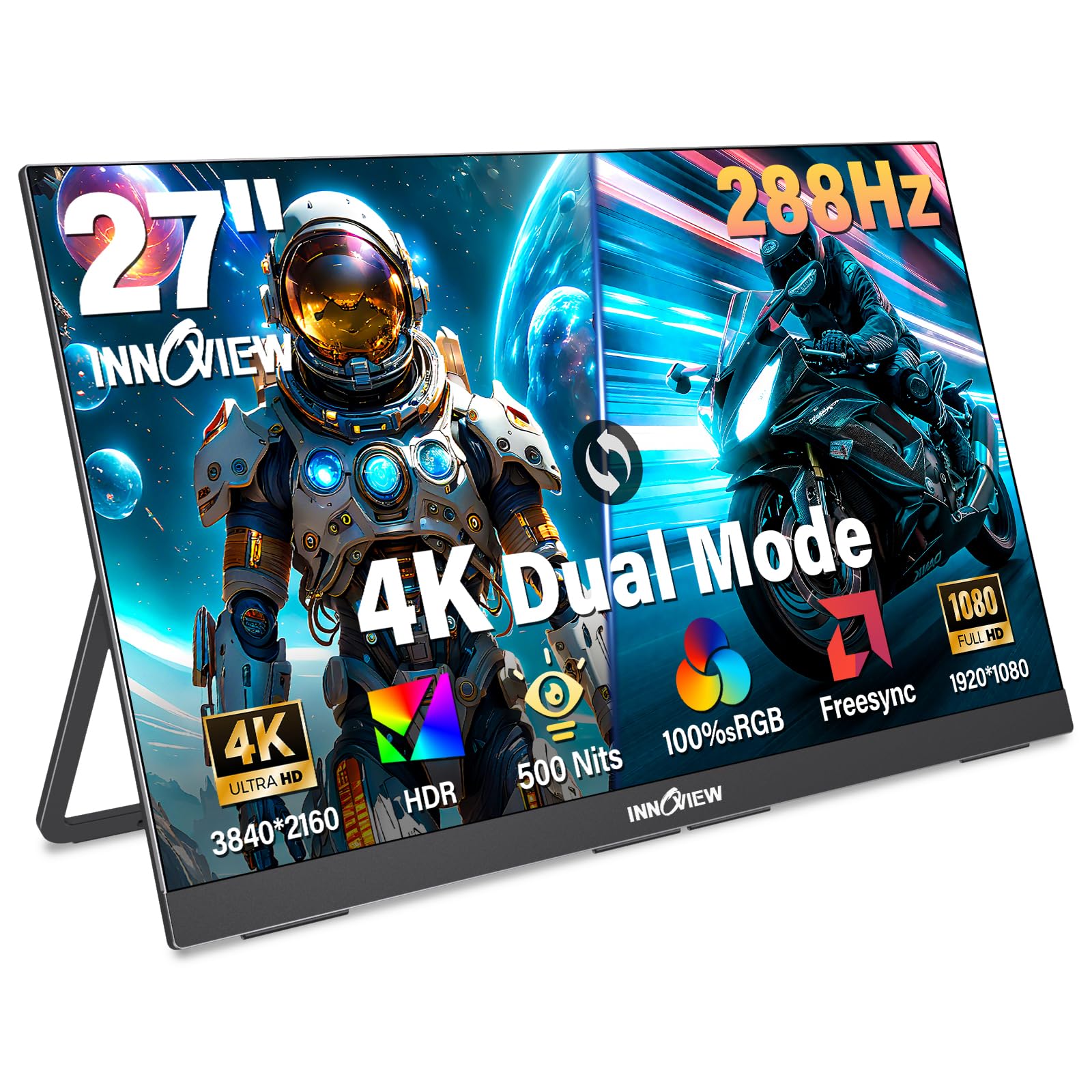

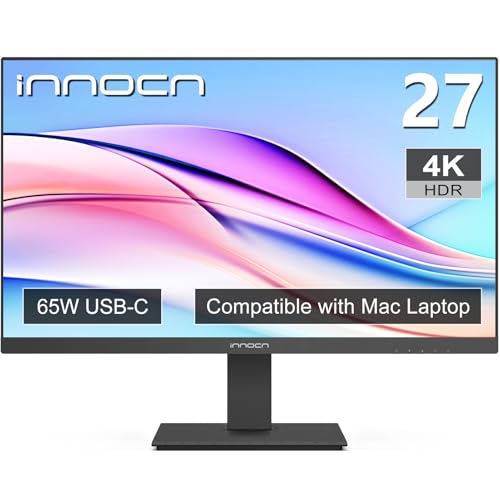

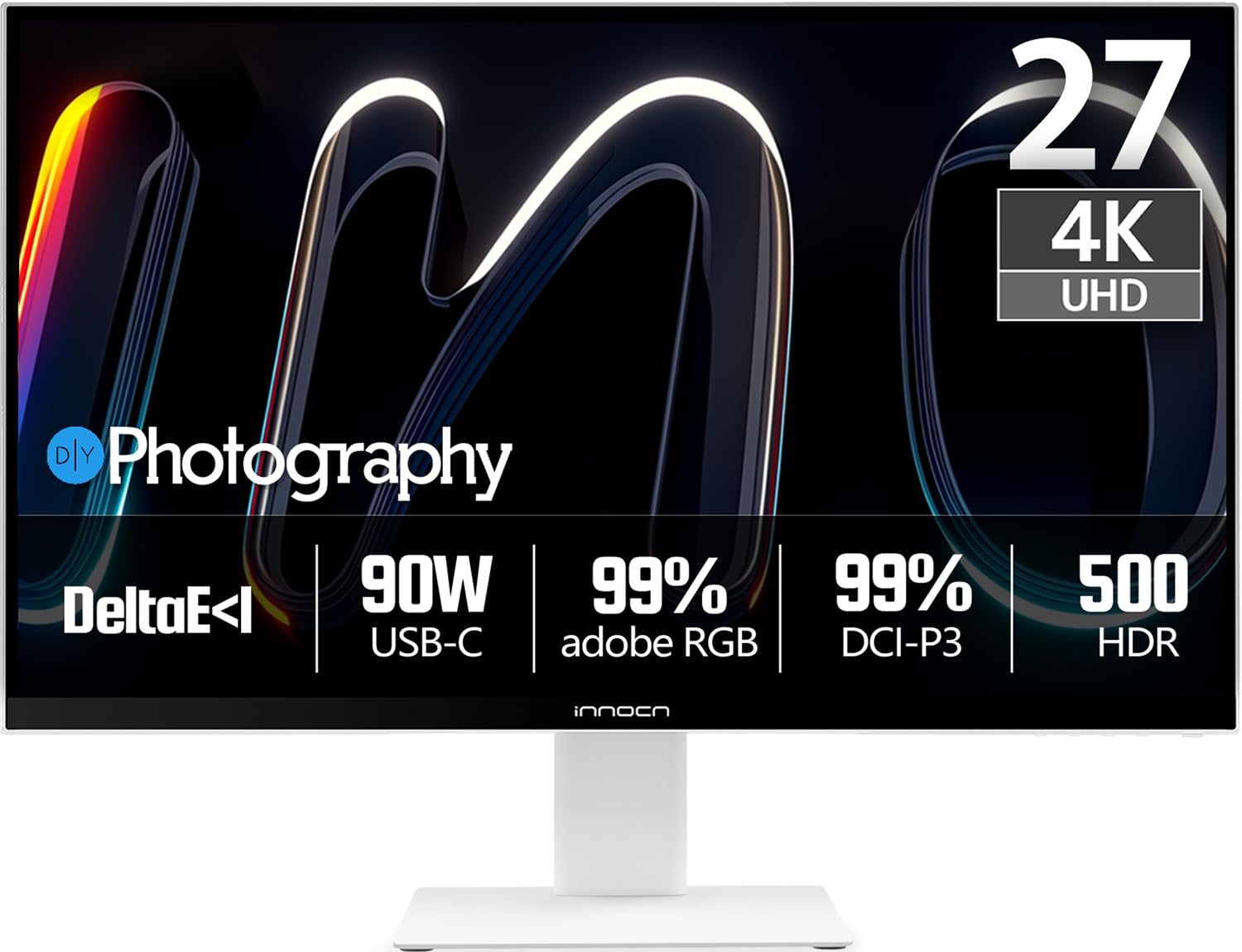
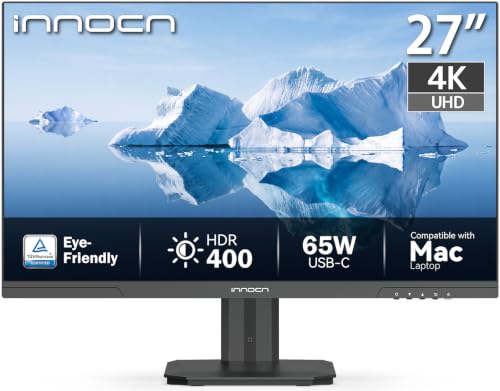
Who Should Buy Which Apple Compatible Monitors?
Pick by the job you repeat daily, not by the longest feature list. If you want a broader view of Apple focused screens first, see our guide to the best apple monitors before you narrow by use case.
Gamers and Power Users With a Mac Desk
You need smooth motion, quick response and enough ports for a Mac plus other gear. Prioritize a refresh rate of 120 Hz or higher, adaptive sync and HDMI 2.1 or DisplayPort for full speed at high resolution. A larger 4K panel also helps power users keep chat, tools and a timeline beside the main window.
Students and Everyday Users on a Budget
You need clear text, steady color for classes and streaming, and a price that leaves room for a keyboard and a stand. Budget displays at 24 to 27 inches with an IPS panel and 1440p or 4K resolution cover most essays, research and video calls well. A single USB C cable that also charges a laptop keeps a small dorm or home desk tidy and simple.
Creative Workers Who Edit Photos and Video
You need color you can trust more than you need extreme speed. Prioritize wide color that covers the P3 space used by Apple devices, even brightness across the panel, and a matte finish that limits reflections in a bright room. A 27 inch 4K or 5K screen gives editors fine detail and room for app panels without constant zooming.
Key Features to Compare
Compare these factors in order, because the first two decide how the screen looks every minute you use it. The best apple compatible monitors tend to get the first three right at once, while cheaper models often trade one away.
Resolution, Screen Size and macOS Scaling
macOS looks sharpest when pixel density lines up well with its scaling. On a 27 inch screen, 4K gives about 163 pixels per inch and 5K gives about 218, so text looks finer at 5K but icons and menus stay a comfortable size with scaling on. A 24 inch 4K screen also looks crisp at a normal desk distance. Choose 1440p only if you sit farther back or your budget is tight, because small text will look softer up close.
Panel Technology, Color and HDR
IPS panels give stable color from side angles, which suits shared desks and color work. VA panels give deeper blacks for movies in a dark room, but color can shift off center. OLED gives perfect blacks and fast response, with a small risk of burn in if a static image stays for many hours. Mini LED sits between, with bright HDR highlights and strong contrast for video, at a higher price than basic IPS.
Connectivity and Ports for MacBooks and Mac mini
Look for USB C with video and power delivery around 65 to 96 watts, so one cable carries the picture and charges a MacBook while you work. Extra USB ports on the monitor let a keyboard and a drive stay plugged in when you dock. If you use a laptop away from your desk often, see our guide to the best macbook compatible monitors for more on single cable setups. HDMI 2.1 and DisplayPort still matter for a Mac mini, a console or a second computer.
Refresh Rate, Response and Adaptive Sync
Refresh rate is how often the image updates each second, and 60 Hz is fine for mail and documents. Rates of 120 Hz and above make scrolling, window moves and games feel smoother, and adaptive sync matches the screen to the frame rate so motion has less tearing. Treat very low response time claims as a guide, because makers measure that spec in different ways.
Stand, VESA Mounting and Ergonomics
A good stand adjusts for height and tilt so the top of the screen sits near eye level and you can keep your neck in a neutral position. Swivel helps when you turn the screen toward a client, and pivot helps writers who like a tall view of a document. VESA mounting, most often 100 by 100 mm, lets you use an arm to free desk space and set the distance that suits your eyes.
How to Set Up and Check an Apple Compatible Monitor on Day One
Connect with the cable rated for the resolution and refresh rate you chose, then open the display settings on your Mac to confirm the resolution, scaling and refresh rate the monitor reports. Choose the scaled size that makes text readable without shrinking your work area too much. Arrange the screens in settings so the pointer moves across the join in the direction you expect.
Next, check brightness controls and sound before you settle in. Some monitors let a Mac adjust brightness from the keyboard, while others need their own buttons or a small joystick, and that daily friction is worth knowing early. Mac mini owners start from a blank slate, so if your desk centers on that compact desktop, see our guide to the best monitors for apple mini for size ideas that suit a small setup.
Finally, view a photo you know well, a page of small text and a dark movie scene. Those three views will show color shifts, soft text and crushed shadows faster than any spec sheet. Keep the box until you have checked for dead pixels and uneven backlight.
Common Mistakes to Avoid When Buying Apple Compatible Monitors
- Buying 1440p on a 27 inch screen for close desk work leaves small text looking soft all day.
- Ignoring USB C power delivery leaves you with a second charger cable cluttering the desk.
- Choosing a huge screen for a shallow desk puts the panel too close and forces constant head turning.
- Skipping VESA support locks you into a fixed stand that may sit at the wrong height.
- Paying for HDR badges without real brightness leaves movies looking flat despite the label.
Care and Maintenance for Apple Compatible Monitors
Clean the screen only with a soft microfiber cloth, slightly damp with water if needed, and never spray liquid straight onto the panel. Turn the monitor off before cleaning so smudges are easier to see and the cloth glides without pressure. Dust vents and ports with a dry cloth so heat can escape during long sessions.
Once the picture is set, turn off the vivid mode that many screens ship with, since it pushes color and contrast past what your Mac sends. A neutral or sRGB or P3 preset will match your other Apple screens more closely. On an OLED, run the built in pixel refresh when the monitor prompts you and use a screen saver for breaks, because moving images help limit wear from static toolbars.
FAQs
What size Apple compatible monitor should I get for my room or desk?
A 27 inch Apple compatible monitor suits most desks that are about 24 to 30 inches deep. Measure the depth first, then leave room for a keyboard between you and the screen. In a small bedroom, a 24 inch model can sit closer without filling your view. If two people watch movies from a bed or sofa, a 32 inch screen reads better from that distance.
Does refresh rate matter for non gamers using an Apple compatible monitor?
Yes, refresh rate matters for non gamers using an Apple compatible monitor, though the gain is about feel rather than scores. Scrolling through long documents and dragging windows look calmer at 120 Hz, and the pointer feels easier to follow. The trade off is cost and power use, so office users on a tight budget can stay at 60 Hz without losing clarity for text.
How long do Apple compatible monitors last?
Apple compatible monitors often last about five to eight years with daily home or office use. The backlight slowly dims over time, so a screen that once felt bright at half power may later need a higher setting. Keeping brightness moderate and vents clear helps slow that wear. Ports and buttons usually outlast the panel, unless cables are pulled at an angle often.
Is 4K worth it on an Apple compatible monitor?
Yes, 4K is worth it on an Apple compatible monitor if you read, write or edit at a desk each day. The extra pixels make letter edges and fine lines in drawings look cleaner, which reduces the need to zoom in and out. It is less valuable from a sofa distance, where your eyes cannot pick out the extra detail and a larger 1440p screen may satisfy you more.
IPS vs OLED: which panel is better for an Apple compatible monitor?
Neither panel is better for every Apple compatible monitor buyer, because the right choice depends on light and content. IPS suits bright rooms and long hours of static documents, with no worry about burn in. OLED suits dark rooms, movies and games where deep blacks matter most. If your desk faces a window, the higher steady brightness of many IPS models can be the deciding factor.
Our Verdict
Match the panel to your main job first, then confirm the resolution will keep text sharp on macOS and the ports will charge and connect your Mac with one cable. Size, stand and refresh rate come after those three points.
When you compare best apple compatible monitors that way, you pay for gains you will see daily instead of labels you will not. Start from the product table above and filter by the factors in this guide, and the right screen for your Mac should stand out quickly.