
Best APC Surge Protector (2026): Strips, Desk Units and Joules
Disclosure: We may earn a commission when you buy through links on this page, at no extra cost to you. As an Amazon Associate I earn from qualifying purchases. Learn more

Best APC Surge Protector guide: compare desk, power strip and data line protectors by joule rating, outlet spacing, cord length and budget.
A storm rolls through in the evening, the lights flicker once, and the TV, router, and game console in your living room all restart at the same moment. That brief flicker is exactly the kind of event a surge protector is meant to soften. Choosing the best apc surge protector for your home comes down to the room it will serve, how many devices share it, and how much you want to spend.
This guide walks through the lineup by space and routine rather than by spec sheets alone. Start with the product table below, then use the sections that follow to narrow your choice.

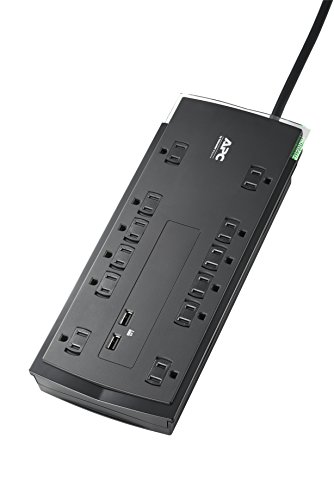

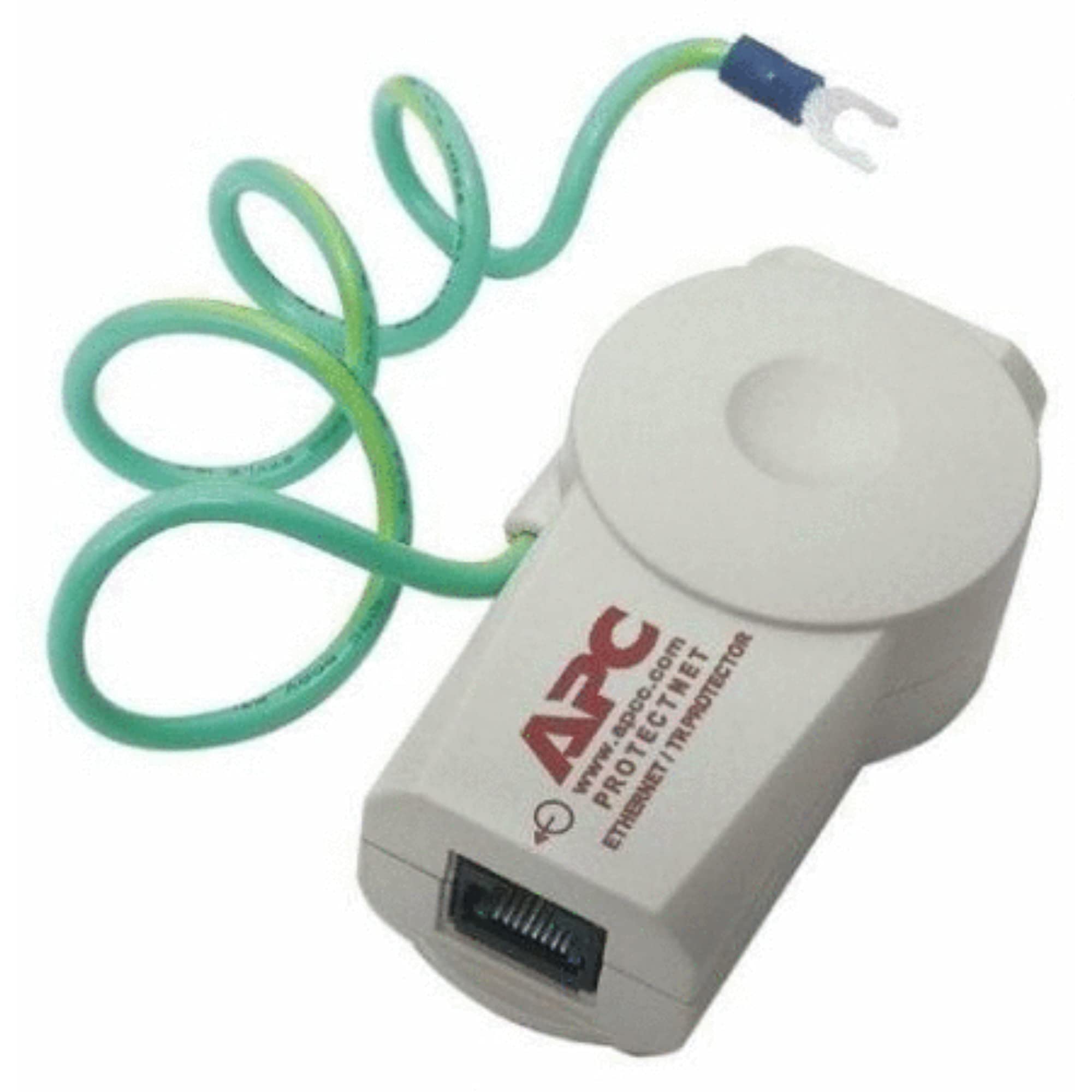
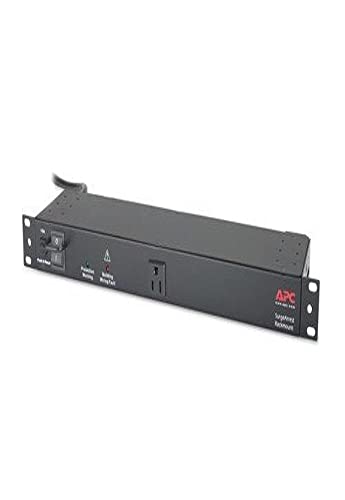
Quick Answer: Types to Compare in 30 Seconds
Most households choose between three forms. A corded strip with widely spaced outlets suits a living room or desk. A compact wall unit suits a bedroom or counter where only a few devices need cover. A larger strip with a longer cord and higher joule rating suits a shared family setup with a TV and streaming gear.
If you are still deciding whether you need protection at all, our broader guide to the best surge protector covers the basics across brands. Here, the focus stays on how this one lineup fits real rooms in a family home.
Before You Buy: A Quick Checklist for Choosing a Surge Protector
Which Type Fits Your Routine
Start with how the room is used each day. A corded strip works where gear stays put, such as behind a TV stand or under a desk. Wall units plug straight into the socket and keep cords off the floor, which suits a nightstand or a counter. Models with USB ports cut down on separate chargers, and flat plugs help behind sofas that sit close to the wall. If you are unsure how this differs from a plain strip, our explainer on surge protector vs power strip shows why only one of them absorbs surge energy.
Features Worth Paying For and Ones to Skip
A higher joule rating, a clear protected indicator light, and enough spacing for bulky plugs are worth paying for because you use them every day. USB C ports earn their cost if your phones and tablets already charge that way. Timer functions, coaxial protection, and smart controls add cost that many rooms never use. Coaxial cover matters only for a setup fed by a cable box. Skip features your room cannot use, and put that money toward a better rating instead.
Compatibility Checklist for Sockets, Size, and Power
Count the plugs you need to cover, then check the shape of each one. Large adapters can block the outlet beside them on a tightly spaced strip, so look at the spacing in photos before you order. Confirm the plug style matches your wall outlets and that the cord reaches without crossing a walkway. For a kitchen, remember that a refrigerator runs on its own circuit needs, and our guide to the best surge protector for refrigerator explains that separate case. Never plug a space heater or a hair dryer into a surge protector, since those appliances draw more current than these units are built to carry.
Performance per Dollar
Price rises with joule rating, outlet count, and cord length, but the gains level off. Paying more mainly makes sense when it buys a meaningfully higher rating or spacing that fits your plugs. A modest unit guarding a lamp timer and a phone charger is not underpowered for that job. Spending extra there buys nothing you will notice, while spending too little on a full entertainment setup leaves costly gear with thin cover.
Power Draw and Heat
Most surge protectors are rated for a standard household circuit load, and the gear in a living room or office stays well under that limit. Heat becomes a concern only when a unit is buried under blankets, sealed inside a cabinet with no airflow, or loaded with appliances it was never meant to serve. Leave air around the unit, keep it off soft bedding, and stop using it if the case feels hot or smells of warm plastic.
Warranty and Brand Support
APC has sold power protection gear for decades, and its units commonly carry a limited warranty plus, on some models, cover for connected equipment. That equipment cover comes with conditions, such as plugging the unit directly into a wall outlet and keeping your receipt. Read the exact terms for the model you choose before you rely on them. A clear warranty page and reachable support matter more than a large headline number with strict conditions buried below it.
Realistic Budget Ranges
At under $20, expect a compact unit with a modest joule rating for a single corner of a room. Around $20 to $30 buys a corded strip with more outlets and room for larger plugs. Around $30 to $50 usually adds a higher rating, USB charging, and a longer cord for a main living space. Near $50 to $100, you are paying for the largest ratings and specialty forms. For most homes, the middle ranges cover a TV area or an office desk well, and the lowest range handles a nightstand without waste.
Types Compared: Three Ways to Cover a Home
Corded Strips for Living Rooms and Desks
This is the form most families should look at first. A cord of about 4 to 8 feet lets the strip sit behind furniture while outlets stay reachable, and spaced sockets accept the chunky plugs that come with streaming boxes and chargers. Choose this type when four or more devices share one spot, or when a desk holds a monitor, a laptop dock, and a lamp. The main downside is visual, since a strip and its cords need a basket to stay tidy.
Compact Wall Units for Bedrooms and Counters
Wall units trade outlet count for a clean look and zero floor clutter. They suit a bedroom where a phone, a tablet, and an alarm clock charge overnight. Many include USB ports, which removes separate charging bricks from the nightstand. The limits are reach and count, since everything must sit near that one wall outlet. If your devices live in two corners of the room, a corded strip serves you better.
Larger Strips for Shared Family Setups
Bigger households often need one strong hub rather than several small units. A longer strip with a higher joule rating can cover a TV, a soundbar, streaming gear, and a console in one place, which is the setup our guide to the best surge protector for tv focuses on. This type costs more and takes more space, so it pays off only where many devices truly cluster. Measure the cabinet area first.
Our Selection Process for Surge Protectors in This Lineup
We compared models in this lineup using maker specifications, safety listings, and patterns in verified buyer reports, with weight on protection rating, outlet layout, cord length, and warranty terms. We favored forms that fit ordinary furniture and shared rooms over niche designs. Where buyer reports repeatedly mentioned the same strength or complaint, such as plug spacing or a stiff cord, we treated that pattern as a useful signal.
The Apc Surge Protector Lineup Explained
The lineup can look confusing because similar names cover very different forms. Think of it in three layers. The smallest layer is travel and single room units with few outlets and lower ratings. The middle layer is the corded family strip, with more outlets, a rating suited to entertainment and office gear, and often USB charging. The top layer adds the highest ratings, network or coaxial cover on some models, and longer cords for larger setups.
Names and suffixes usually signal ports and outlet counts rather than a jump in protection, so compare the joule rating and the layout before you compare the badge. When shoppers ask which is the best apc surge protector, the honest answer depends on that match. A model with fewer outlets but a higher rating can be the stronger choice for a TV corner, while a model with many outlets and a lower rating fits a charging station for small electronics.
Common Buying Mistakes to Avoid
- Buying by outlet count alone, then finding that bulky plugs block half the sockets you paid for.
- Plugging one surge protector into another, which can overload the first unit and voids the protection you expected.
- Using a small indoor unit for a space heater or other high draw appliance, which can overheat the unit.
- Hiding the strip under a rug or behind sealed cabinet doors, where heat builds and the indicator light cannot be seen.
- Keeping an old unit in service after its protected light goes out, when it may now work as a plain strip with no surge cover.
- Choosing a cord that is too short, then solving the reach problem with an extension cord the maker advises against.
Cost of Ownership and Care
Ownership cost is mostly the purchase price plus one planned replacement over time, since surge protection wears out as it absorbs events. There are no filters or parts to buy for a standard strip. Keep the unit dry, dust the vents and sockets with a dry cloth while it is unplugged, and check the indicator light every few months. Coil extra cord loosely rather than in a tight bundle that traps heat. Our detailed guide on how long do surge protectors last walks through replacement timing in depth. Budgeting for one replacement every several years keeps a main TV or office setup covered without surprise costs.
Your Questions, Answered
Can you plug a surge protector into a UPS?
Most UPS makers advise against it. A battery backup unit expects gear plugged straight into its own outlets, and adding a strip after it can confuse its surge handling and may void cover for connected equipment. If you need more outlets on backup power, choose a larger UPS instead. A surge protector can still guard other gear in the room from a separate wall outlet.
How long does an APC surge protector last?
There is no fixed expiry date printed on most units, so watch the protected indicator light instead. When that light goes out, the protection parts have worn out even if the outlets still deliver power, and the unit should be replaced. One large surge can end protection in a single event, while a quiet electrical supply can leave a unit working for many years.
How many joules does a surge protector need?
For a phone charger and small electronics, about 1000 joules is a sensible floor. For a TV, a computer, or a console, look closer to 2000 joules or more, because replacement cost is higher and surges hit those setups harder. Joules measure total energy the unit can absorb over its life, so a higher number also tends to mean a longer useful life in the same home.
Which APC surge protector should you buy for a family home?
Start by counting devices in the single busiest spot, then buy for that spot rather than for the whole house at once. Add two spare outlets beyond your count, since households tend to add a charger or a streaming stick within a year. Cover the next room with a smaller unit later instead of stretching one strip across two spaces.
Is APC a good surge protector brand?
APC is a long established name in power protection, and its consumer units carry recognized safety listings, which is the first thing to check on any brand. Look for a listing mark from an independent safety body on the packaging, and keep the receipt plus a photo of the label. Those two records make any later warranty or equipment claim far easier to file.
Final Thoughts
For most living rooms and home offices, a corded strip with a solid joule rating and spaced outlets is the best apc surge protector choice, while compact wall units handle bedrooms and counters with less clutter. Match the form to the room, keep an eye on the indicator light, and replace the unit when that light fails. Before you order, look back at the product table above and pick the type that fits your busiest spot, your plug shapes, and your budget.


