
Best Anti Glare Screen Protector for Laptops: Budget, Midrange, and Premium Picks for 2026
Disclosure: We may earn a commission when you buy through links on this page, at no extra cost to you. As an Amazon Associate I earn from qualifying purchases. Learn more

Compare the best anti glare screen protector for laptops by fit, clarity, and install method, with budget, midrange, and premium tier guidance inside.
A matte screen protector can rescue a glossy laptop in a bright room, but prices run from under $10 to over $60 and the differences are not obvious from listing photos. Cheap films can add grain, dull colors, or peel at the corners within weeks, while better ones stay clear and flat for years. This guide shows you what the best anti glare screen protector for laptops options actually give you at each price tier, and which features are worth paying for.
Use the comparison table below to check sizes, install methods, and finishes side by side. Then read the tier and feature sections so you can match a protector to your exact screen, your lighting, and how you use your machine.


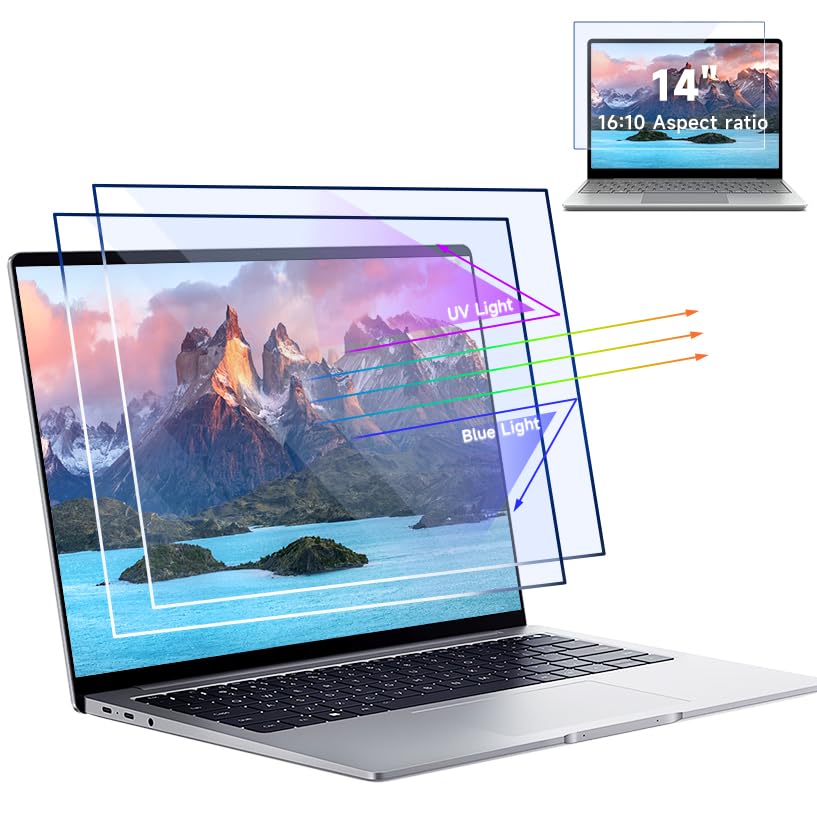

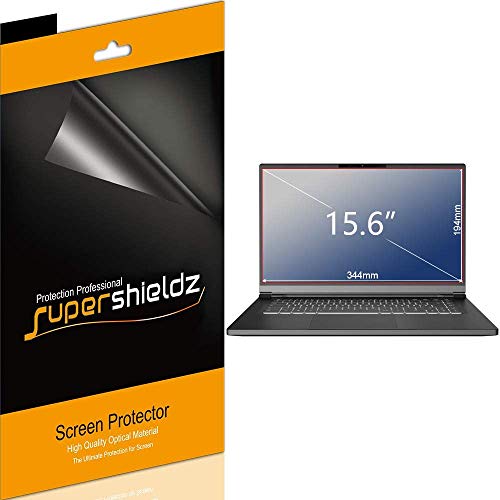


Three Budget Profiles to Compare
Best Budget Profile
The budget profile, usually under about $15, is a simple adhesive film cut for common screen sizes. It cuts reflections well and protects against light scratches, which is enough for students and home users with one laptop. The trade offs are a fussier install, more visible grain on white backgrounds, and edges that lift sooner. Buy a two pack at this level if you can, because a spare makes a dusty first install far less stressful.
Best Midrange Profile
A midrange profile around $15 to $35 adds cleaner optical material, better edge adhesion, and an install kit with guide stickers, a dust absorber, and a smoothing card. Clarity improves, so text looks sharper and colors stay closer to the bare screen. This is the tier most buyers should choose, because install success and daily image quality both jump. Look for a cut matched to your exact model rather than a trim to fit sheet.
Best Premium Profile
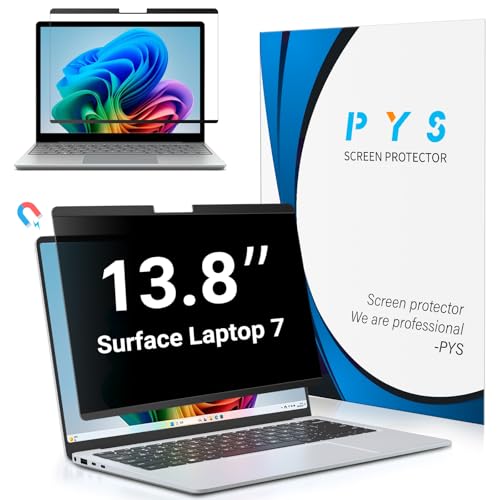
Premium options above about $35 include magnetic framed panels you can snap on and remove in seconds, and high grade films with harder coatings and very low grain. The magnetic style suits shared laptops, photo work where you sometimes need full color accuracy, and anyone who hates adhesive installs. The costs are price, slight added thickness, and on some models a small gap that collects dust. For a fixed desk setup, premium film usually beats a panel on pure clarity.
What Your Money Gets You at Each Price Tier
Budget Tier: What to Expect
Expect basic glare diffusion, modest scratch protection, and minimal packaging. Size accuracy varies, so measure your visible screen area in millimeters before ordering rather than trusting the inch label alone. Budget films show more sparkle on light backgrounds, an effect some people notice and others ignore. They make sense as a trial: if matte viewing helps you, you can upgrade later knowing the finish suits your eyes and your workspace.
Midrange Tier: The Sweet Spot for Most Buyers
Midrange money buys optically cleaner film, accurate model specific cuts, and install aids that raise your odds of a bubble free result. Adhesion improves at the corners, which is where cheap films usually fail first. Many midrange options also balance glare cutting with brightness loss, so the screen still looks lively near windows. If your laptop already has a matte screen and you only need scratch protection, compare plain films in our guide to best screen protectors for laptops before paying extra for the anti glare finish.
Premium Tier: When Spending More Pays Off
Spending more pays off when you edit photos or video and need low color shift, when you swap the protector on and off often, or when your laptop size is unusual and only premium makers cut for it. Premium coatings resist fingerprints better and clean with fewer streaks. The gain is refinement, not basic function, since even budget film cuts glare. If you are deciding between a premium film and a new matte laptop later, our checklist of the best anti glare laptops shows what a native matte panel offers instead.
Features Worth Paying For (and Ones to Skip)
Features That Matter for Laptops
Laptops need exact sizing because bezels are thin and webcams and sensors sit close to the display edge. A good protector lists the exact models it fits, covers the full visible area without blocking the camera, and leaves the lid closing fully. Thickness matters too, since a thick film can press against the keyboard when the lid shuts and leave marks. Pay for a model specific cut and skip universal sheets that you must trim with scissors, which rarely end with straight edges.
Touch and Pen Response
On touch models, a matte film adds slight friction that many pen users actually prefer, because the stylus feels less slippery and more like paper. Confirm the listing states touch and pen compatibility, since some thick panels reduce touch sensitivity at the corners. Test every corner and the taskbar area after install, as those spots reveal weak contact first. If you rely on a pen daily, our guide to best touch screen laptops covers which pen systems pair best with matte surfaces.
Clarity, Grain, and Color Shift
Every matte surface trades a little sharpness for glare control, because the texture that scatters reflections also scatters light from the screen itself. Better films keep that grain fine and even, so text stays crisp at normal viewing distance. Judge a protector on a white document page, where grain and sparkle show most. If you do color critical work, choose a removable panel so you can take it off for final checks, and expect a small drop in peak brightness with any option fitted.
Fit, Cut, and Installation Method
Adhesive film gives the slimmest, clearest result but demands a dust free room and patience. A practical trick is to install in a bathroom after a hot shower, since the steam settles airborne dust. Magnetic panels install in seconds and leave no residue, but add bulk and can shift slightly in a bag. Static cling styles sit between the two, with easier repositioning and weaker edge hold. Pay for the method that matches your patience, not just the lowest price.
Durability and Cleaning
A harder surface coating resists scratches from keyboard contact, bag grit, and daily wiping. Clean the protector with a soft microfiber cloth, slightly damp if needed, and avoid alcohol sprays and paper towels that can cloud matte coatings over time. Fingerprint resistance varies a lot, and premium coatings wipe clean in one pass while budget films smear. Skip bundled wet wipes with strong solvents, since they can damage the finish you just paid for.
Long Term Costs to Factor In
The film itself is cheap, but plan for one replacement install if dust ruins the first try, and a fresh protector every year or two as edges lift and the surface clouds from cleaning. Magnetic panels cost more up front yet can move to your next laptop if the size matches, lowering total cost. Your time has value too: a midrange kit with guide tools can save a long, frustrating install. Finally, a protector is far cheaper than a screen repair, and our overview of best screens for laptops shows what replacement panels involve if glare or damage ever pushes you that way.
Frequently Asked Questions
What features matter most in anti glare screen protectors for laptops?
Exact model fit, fine low grain texture, and a reliable install method matter most. Fit decides whether the camera stays clear and the lid closes, grain decides whether text stays sharp, and the method decides whether you end up with bubbles. Brightness loss and touch response come next for most users. A protector that nails the first three and costs a little more beats a cheap one you reinstall three times.
Will an anti glare screen protector reduce brightness and sharpness?
Yes, slightly, and the effect grows with stronger matte textures. Expect a modest drop in peak brightness and a small softening on fine text, which most users stop noticing within a day. Raising screen brightness by one or two steps usually compensates indoors. If you work in a dim room and prize crisp text above all, a lighter matte finish or a removable panel gives you control over the trade off.
How long should an anti glare screen protector last?
An adhesive film typically lasts one to two years before edges lift, the surface clouds, or scratches build up. Magnetic panels can last much longer, since they avoid adhesive wear and come off for cleaning. Heat, frequent bag travel, and harsh cleaners shorten film life. Replace a film when lifting edges start catching dust, because trapped grit can scratch the real screen underneath.
Can I remove an anti glare screen protector without damage?
Yes, adhesive films peel away with slow, steady pressure from one corner, ideally after gentle warmth from the screen itself loosens the bond. Lift slowly to avoid bending the display, and clean any residue with a microfiber cloth. Avoid metal tools near the screen edge. Magnetic and cling styles remove with no residue at all, which is one reason shared or work issued laptops often use them.
Should I choose a film or a magnetic framed panel?
Choose film for the slimmest fit, best clarity, and lowest price on a laptop you own and use in one main place. Choose a magnetic panel if you share the machine, need the protector off for color work, or cannot face an adhesive install. Panels cost more and add slight thickness, but they move between same size laptops. Your install patience, honestly judged, is usually the deciding factor.
The Bottom Line
Match the cut to your exact model, pick the install method you will actually succeed with, and choose the finest grain finish your budget allows. Midrange film suits most owners, while magnetic panels earn their price for shared or color critical work. Check your finalists in the product table above, and the best anti glare screen protector for laptops for your setup will be the one that fits your screen as carefully as it cuts your glare.


