Best Anti Fatigue Floor Mats for 2026: Which One Fits Your Space?
Disclosure: We may earn a commission when you buy through links on this page, at no extra cost to you. As an Amazon Associate I earn from qualifying purchases. Learn more
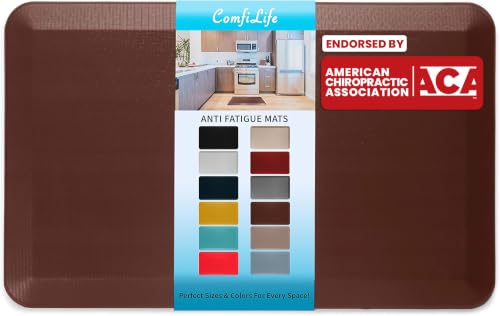
Choosing the best anti fatigue floor mats for kitchens, workshops and standing desks comes down to thickness, size, grip, cleaning and budget.
There is no single mat that suits every kitchen, workshop and standing desk, because each space asks for a different size, thickness and surface. The best anti fatigue floor mats for your home are the ones that match where you stand, how long you stand there and what the floor underneath needs. This guide compares types, features and budgets so you can choose by use case rather than by price alone. The product table gives a quick side by side view before you read the details.
Standing mats work by giving your feet a softer, slightly springy surface that encourages small shifts in posture as you stand. That gentle movement can feel more comfortable than standing on a hard floor for a long stretch, especially in kitchens and at standing desks. Comfort is personal, though, so thickness, firmness and size matter more than a bold claim on a label. Focus on fit for your space, grip for safety and a surface you can clean easily.
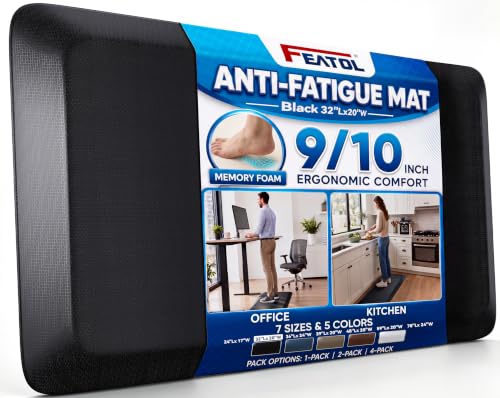


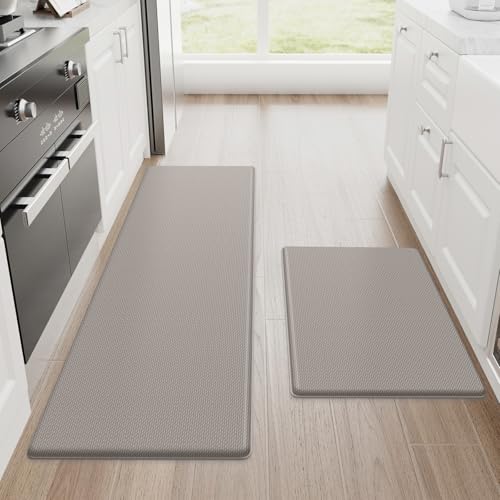
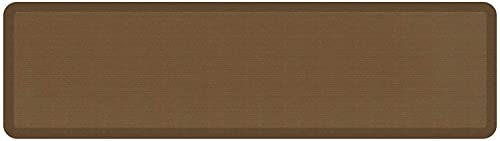
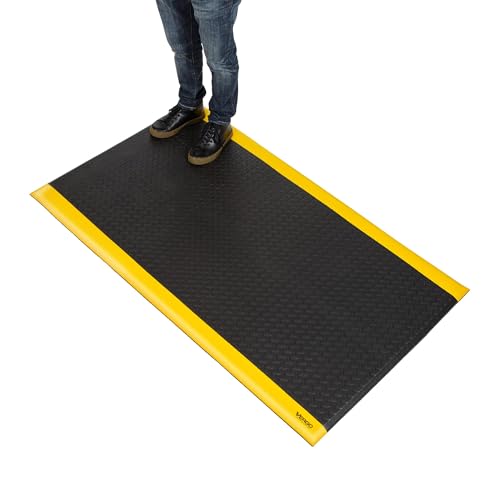
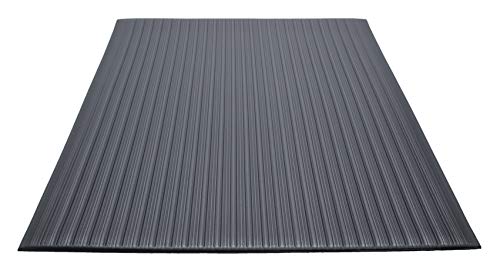
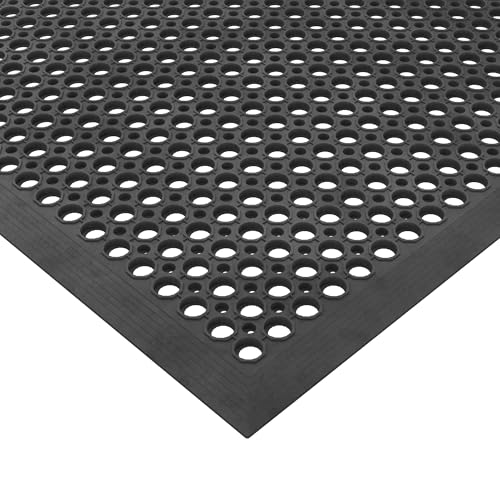
Who Should Buy Which Standing Mats?
For Gift Shoppers
Gift buyers should look for a mat that is easy to use from the first day, with a neutral color, a common size and a clear warranty. A kitchen mat in a standard size suits most homes, while a very thick or very large mat may not fit the space it is meant for. Choose a mat that is simple to clean and easy to move, so the recipient is not stuck with a heavy or awkward gift. Keep the receipt and warranty details with the gift, in case a different size would fit better.
For Value Seekers
Value seekers should balance price against durability, grip and ease of cleaning, rather than chasing the lowest price. A mid priced mat with a beveled edge, a firm but springy core and a wipe clean surface often lasts longer and feels better than a very cheap mat that curls or flattens quickly. Check thickness and density together, since a thick mat made from soft foam alone may feel unstable. A mat that costs about $30 to $70 can be good value for a kitchen or desk if it holds its shape and stays flat.
For First Time Buyers
First time buyers should start with a simple mat in a standard kitchen or desk size, with a non slip base and a beveled edge that will not trip you. Avoid very thick mats at first, since they can feel wobbly until you get used to them. A thickness near three quarters of an inch suits many people, while taller mats suit those who already know they like a softer feel. Try the mat in the exact spot where you will stand, and check that it does not slide on your floor type.
For People Who Want the Best Performance
People who stand for long stretches, such as keen cooks or workshop users, may value a denser core, a textured top for grip and a mat that stays flat after months of use. Premium mats often offer better edge design, stronger materials and a longer warranty, which can justify a price about $70 to $120 for a main workspace. Look for a surface that grips well even when damp, and a base that holds firm on your floor. Performance here means steady comfort and safety over time, not a promise of health benefits.
Key Features to Compare
Size, Weight and Fit for Your Space
Measure the exact area where you stand, including the space to step on and off the mat, before you buy. A kitchen mat should cover the main work zone without blocking cabinet doors or walkways, while a desk mat should fit under your standing position without curling at the edges. Heavier mats tend to stay in place better, but they are harder to move for cleaning, so weigh stability against handling. Beveled edges reduce trip risk and help carts or feet roll over the edge smoothly.
Ease of Use and Setup
Most standing mats need no setup beyond unrolling and laying flat, yet a mat that arrives tightly rolled may need time to flatten. Lay it on a clean, dry floor and let it settle before you judge its feel, since a curled edge can make a good mat feel unstable. A mat with a simple wipe clean surface is easier to live with in a kitchen, where spills are common. If you move the mat often, choose a lighter weight and a size you can carry with one hand.
Key Performance Specs
Thickness, density and surface texture are the specs that shape comfort most. Thickness near half an inch to one inch suits most home users, with thicker mats feeling softer but less stable for some people. Density matters because a dense core springs back after each step, while a soft core may flatten and feel uneven over time. Surface texture affects grip: a lightly textured top helps shoes and bare feet hold firm, while a very smooth top can feel slippery when damp.
Intended Use and Who It Is For
Kitchen users need a mat that resists spills, wipes clean and stays put on tile or wood floors. Workshop users need a tougher surface that handles tools, dust and heavier shoes, plus a base that grips concrete. Standing desk users need a mat that fits a smaller footprint and feels stable during long work sessions. People with limited mobility should favor a thinner, firmer mat with a low beveled edge, since a very soft mat can feel unsteady.
Standing mats differ from general floor mats and from vehicle mats, which are shaped for cars and trucks rather than for long standing at a counter or desk. See our guide to the best floor mat if you want to compare general floor mat types before you narrow down to a standing mat. Vehicle mats are built for footwells and weather, not for kitchen comfort, so keep the two uses separate when you shop. See our guide to the best floor mats for car only if you also need mats for a vehicle, since those mats solve a different problem.
Common Mistakes to Avoid When Buying Anti Fatigue Floor Mats
- Choosing by price alone, which can leave you with a mat that curls, flattens or slides within weeks.
- Ignoring size, weight and fit for your space, so the mat blocks doors, curls at the edges or leaves your main standing spot uncovered.
- Buying a mat that is too thick or too soft, which can feel wobbly and unsteady, especially for first time users.
- Skipping the warranty check, so a mat that flattens early cannot be replaced or repaired under maker terms.
- Forgetting grip and cleaning, so a smooth or hard to clean surface becomes slippery or stained in a kitchen.
Tips to Get the Most From Your Anti Fatigue Floor Mat
Read the manual before first use, so you learn the correct care, cleaning and placement guidance for your mat type. Clean and inspect regularly, wiping spills promptly and checking edges and base for wear or curling. Store a spare mat in a dry place, flat rather than tightly rolled, so it keeps its shape when you need it. Rotate the mat now and then if you always stand in the same spot, since even wear helps it last longer.
Frequently Asked Questions
How do I maintain an anti fatigue floor mat?
Maintain a mat by wiping it clean with a damp cloth and mild soap, then letting it dry fully before you use it again. Check the edges and base now and then for curling, cracking or wear, since a curled edge can become a trip hazard. Avoid harsh cleaners and very hot water unless the maker says they are safe, because they can damage the surface or base.
Are expensive anti fatigue floor mats worth it?
Expensive mats are worth it when the extra cost buys a denser core, better edge design or a longer warranty that you will actually use. A premium mat in a kitchen you use daily may hold its shape far longer than a cheap mat that flattens in months. For a spare room or occasional use, a mid priced mat is often enough, so match the spend to how often you stand there.
What features matter most when buying anti fatigue floor mats?
Size, thickness, density, grip and ease of cleaning matter most, followed by edge design and warranty. A mat that fits your exact standing spot and stays flat will feel better than a larger mat that curls or slides. Check that the base grips your floor type, whether tile, wood or concrete, and that the top grips well when damp. A beveled edge reduces trip risk, while a wipe clean surface keeps kitchen use simple.
How much should I spend on an anti fatigue floor mat?
For a kitchen or desk, about $30 to $70 buys a solid mat with good grip, a beveled edge and a wipe clean surface for most homes. Premium mats about $70 to $120 suit main workspaces where you stand for long stretches and want a denser core and longer warranty. Add nothing else to the budget unless you need a second mat for another room, since most mats need no extra parts. Start with your main standing spot, then add mats for other rooms once you know which thickness you prefer.
How long does an anti fatigue floor mat last?
Most home mats last about one to three years of daily use, though the exact life varies by material, thickness and how often you stand on the same spot. A dense core and a well made base tend to last longer, while a soft mat in a busy kitchen may flatten sooner. Signs that a mat needs replacing include curling edges, a base that no longer grips, or a surface that stays compressed after use. Regular cleaning and even wear help, but no mat lasts forever, so check its condition now and then.
The Bottom Line
Pick by space and by standing time: a standard size and firm feel for a first mat, a denser core and stronger grip for a main kitchen or workshop. Check size, thickness, grip, cleaning and warranty before price, and try the mat in its exact spot. The best anti fatigue floor mats for your home are the ones that lie flat, stay put and feel steady underfoot day after day. Review the product table once more, then start with the room where you stand longest.