
Best Anti Fatigue Work Shoes: 2026 Checklist and Buying Guide
Disclosure: We may earn a commission when you buy through links on this page, at no extra cost to you. As an Amazon Associate I earn from qualifying purchases. Learn more

A checklist for the best anti fatigue work shoes: cushioning, arch support, fit, traction, and comfort on long shifts.
Long shifts on concrete, tile, or warehouse floors punish your feet, knees, and lower back in a slow, steady way. This checklist helps you judge best anti fatigue work shoes by measurable details: sole construction, arch shape, fit at the end of a shift, and tread that matches your floor. We will score each feature, explain what each price tier usually buys, and list the warning signs of a pair that will feel flat by month two. Keep your shortlist beside the comparison table below as you work through each point.

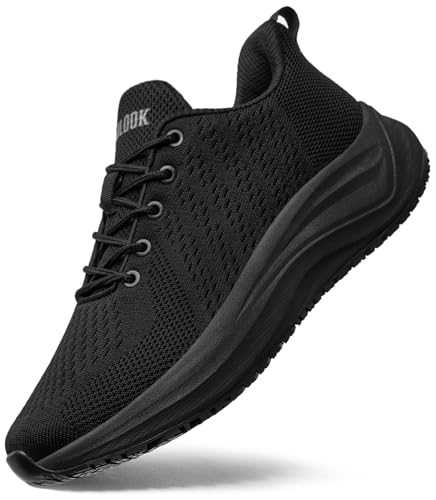

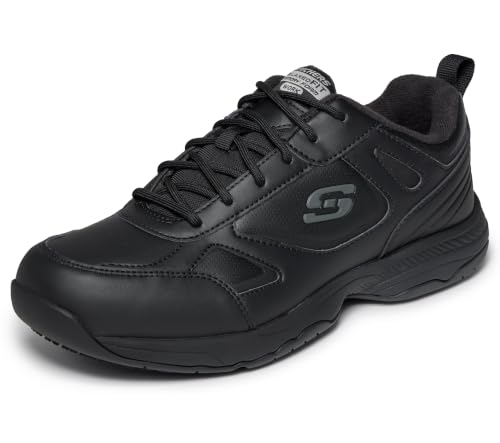


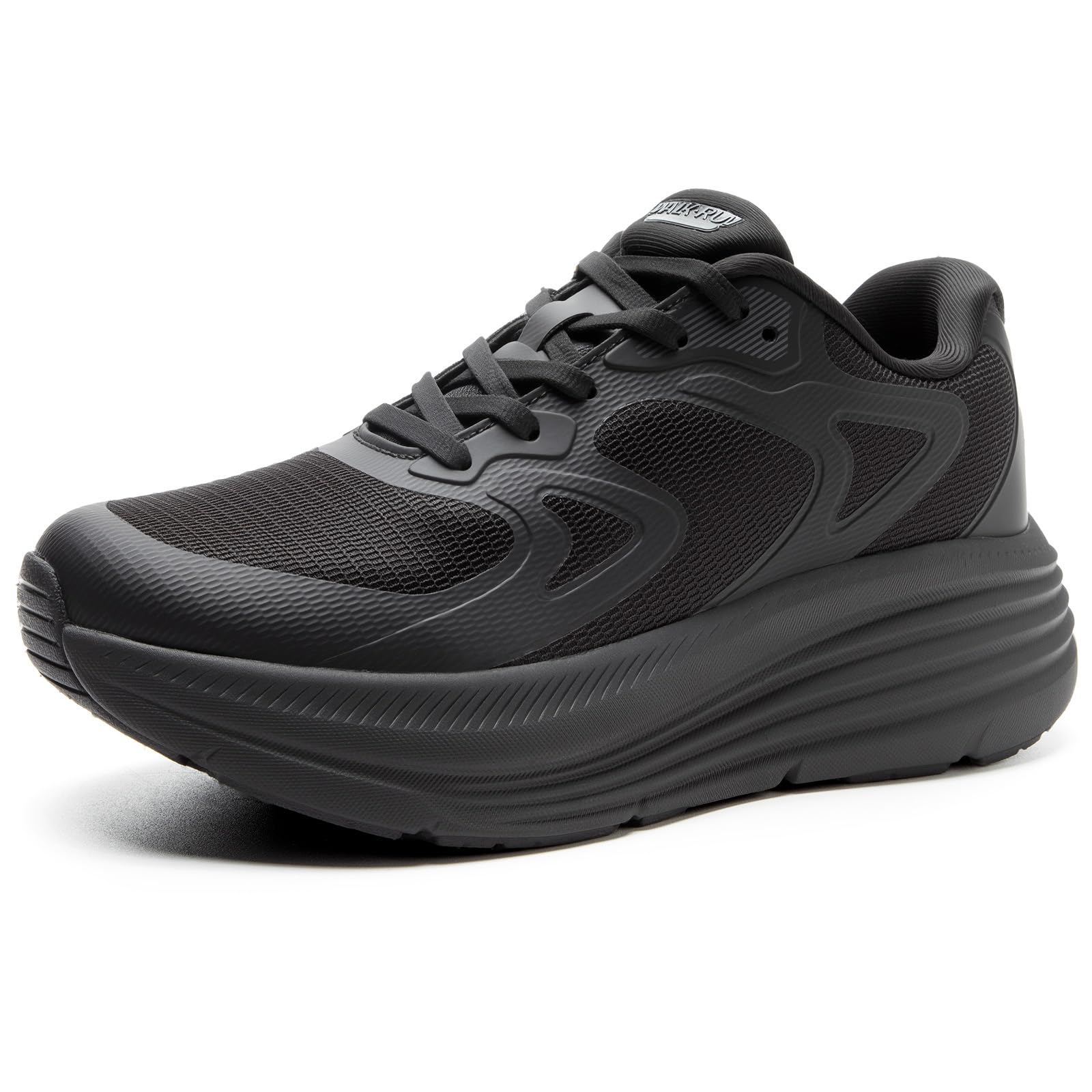
How to Evaluate Anti Fatigue Work Shoes
A work shoe has a harder job than a casual shoe, because it must absorb repeated impact for eight to twelve hours and still hold its shape months later. A fair score looks at how the whole shoe works together, since a thick sole with a poor fit still leaves you sore. The strongest designs spread pressure evenly, keep your heel stable, and grip the surface you actually work on. Rate each candidate on the seven points below before you look at style or price.
Fit, Sizing, and Toe Box
Try work shoes late in the day, because feet swell during a shift and a morning fit can turn tight by evening. You want about a thumb width in front of your longest toe and enough toe box room for your toes to lie flat without spreading over the sole edge. Wear your work socks for the trial, including any compression or cushioned pair you use on shift. If you use insoles or orthotics, bring them, since they change the volume inside the shoe.
Weight and Flexibility
Every ounce matters when you take thousands of steps per shift, so lighter shoes reduce leg fatigue by the final hours. The trade off is protection: very light uppers and thin soles may not suit jobs with dropped tools, sharp edges, or heavy carts. The sole should flex at the ball of the foot and resist twisting in the middle. A shoe that folds in half at the arch will feel soft at first and unstable later.
Arch Support and Foot Type
Flat feet usually need a stable arch and firm heel counter to limit rolling inward during long standing. High arches need cushioning that fills the arch space so pressure does not concentrate on the heel and forefoot. Neutral feet have the widest choice, but still benefit from a shaped footbed rather than a flat foam insole. If you stand in one spot for long stretches, pairing your shoes with the best anti fatigue floor mats at your station can reduce strain further.
Cushioning and Support
Look at the whole sole stack, not just softness under the thumb. A resilient foam midsole over a firmer base holds up better than one thick layer of soft foam, which packs down fast. Heel to toe drop around 8 to 12 mm suits most standing and walking jobs, while very flat soles can strain the calf during long shifts. Stability designs add firmer material on the inner side for feet that roll inward, while neutral designs keep the cushioning even.
Upper Materials and Breathability
Mesh uppers breathe best in warm kitchens, hospitals, and retail spaces, but they offer little protection from spills. Leather resists scuffs and wipes clean, yet it runs warmer and needs a longer break in period. Knit uppers fit like socks and suit wide feet, though they stretch over time and hold your heel less firmly. Think about your floor hazards first: hot liquids, chemicals, or falling stock all argue for a more protective upper.
Break In Period and Comfort Out of the Box
Modern foam work shoes should feel comfortable within the first shift or two, with only slight stiffness in the sole. Leather designs may need a week of shorter wears before the upper softens around your foot. Rubbing at the heel, hot spots on the toes, or numbness after an hour are fit problems, not break in stages. Test a new pair on a shorter shift first when you can, and keep the box until the trial feels right.
Waterproofing and Membranes
Choose waterproof shoes only when your job truly involves wet floors, outdoor work, or frequent washdowns. Membranes such as Gore Tex keep water out but also hold heat in, which can leave feet damp from sweat on long indoor shifts. A water resistant leather upper handles splashes and light rain without the warmth penalty. If your workplace requires slip resistance ratings or safety toes, confirm those certifications first, since waterproofing alone says nothing about grip or protection.
What Each Price Tier Usually Delivers
Tiers will not pick a shoe for you, but they set honest expectations. Sort the options in the product table above into these groups, then score them with the checklist.
Budget Tier: Short Shifts and Light Duties
Shoes under $70 usually use basic foam insoles, simple mesh or synthetic uppers, and outsoles with modest tread life. They can work well for part time roles or shifts under six hours on kinder floors. Expect the cushioning to fade sooner, often within six months of full time use. In this tier, fit matters even more, because you cannot rely on advanced support features to make up for a sloppy heel or tight toe box.
Midrange Tier: Full Shifts on Hard Floors
Shoes around $70 to $130 typically add layered midsoles, shaped insoles, and more durable rubber outsoles with job specific tread. This is where most nurses, teachers, retail staff, and warehouse workers find their match. Uppers often include leather options and water resistant treatments, and many designs accept replacement insoles. For a broader starting point, our guide to the best work shoes covers the general categories before you narrow to fatigue focused models.
Premium Tier: Heavy Use and Special Requirements
Shoes above $130 tend to offer certified slip resistance, safety toes, premium leather, or energy returning foams built for very long shifts. They also tend to last longer, which can lower the cost per month for people who wear out midrange pairs quickly. This tier makes sense for twelve hour shifts, heavy body weight support needs, or workplaces with strict footwear standards. It makes less sense for occasional wear, where midrange comfort is already enough. At home after a shift, many workers switch into the best anti fatigue slippers to keep support going during recovery time.
Quick Buyer Checklist
Answer these before you buy, and be honest about your actual shift rather than your easiest day.
- Did you try the shoes on in the afternoon with your work socks?
- Does the toe box let your toes lie flat without pressing the sides?
- Is the tread pattern made for your floor, such as wet tile or smooth concrete?
- Does the arch match your foot type, flat, neutral, or high?
- Can the insole be replaced when the cushioning wears down?
- Does the shoe meet any workplace rules for toes, grip, or materials?
- Is the weight reasonable for the number of steps in your shift?
- Does the return policy allow a real trial shift indoors?
Red Flags to Watch For
Be wary of shoes that advertise extreme softness with no mention of sole density, drop, or outsole material, because very soft foam is the fastest to flatten. Missing size charts, no width options, and no stated slip resistance standard are also warning signs for a work product. A warranty of only a few weeks is short for footwear sold for daily shifts. Reviews that mention the sole separating or the tread wearing smooth within a month point to weak bonding and soft rubber. Finally, avoid sizing up to fix a narrow toe box, since a long shoe trips you and shifts your foot forward.
Setup and Care Tips
Rotate two pairs if you work full time, giving each pair a day to dry and let the foam recover, which noticeably extends cushioning life. Air dry wet shoes at room temperature away from direct heat, and remove the insoles to speed drying. Brush grit from the tread weekly, because packed dirt turns a grippy sole smooth. Replace the shoes when the midsole feels dead, the tread is worn flat in the heel, or your end of shift soreness returns. Household shoes face the same foam limits, which our guide to the best anti fatigue shoes explains in more detail.
Frequently Asked Questions
Are expensive anti fatigue work shoes worth it?
They are worth it when you work long shifts and wear out cheaper pairs quickly. Premium shoes usually keep their cushioning and tread longer, so the cost per month can match or beat budget options. They also add certified grip or safety features some jobs require. If you work a few short shifts a week, a midrange pair gives you most of the comfort for less money, so match the tier to your hours.
How long is the break in period for anti fatigue work shoes?
Most foam based work shoes need only one or two shifts to feel natural. Leather uppers take longer, often a week of gradual wear, before they soften around your foot. Plan your first wears on shorter or lighter shifts when possible. Painful rubbing, numb toes, or blisters that worsen each day are not normal break in signs; they mean the size or shape does not suit your foot.
Do I need waterproof anti fatigue work shoes?
Only if water reaches your feet during a normal shift. Outdoor work, pressure washing, and food processing areas justify a membrane, but most indoor jobs need only a water resistant upper for splashes. Waterproof shoes run warmer and dry slowly once damp inside. Consider your socks too: moisture wicking socks often improve comfort more than a membrane for indoor workers who deal mainly with sweat.
How should anti fatigue work shoes fit?
They should hold your heel firmly, leave room for toes to spread, and feel secure without tightness across the top of the foot. Your foot will swell during a shift, so a fit that is snug in the morning may be too tight by evening. There should be no slipping at the heel and no pressure on the longest toe when you stand. If one foot is larger, fit the larger foot and use an insole to fine tune the other.
Can I wear anti fatigue work shoes all day?
Yes, that is exactly what they are designed for, provided the fit and support match your feet. Even the best shoes cannot cancel out standing still for hours, so shift your weight, take short walks, and stretch your calves during breaks when you can. Persistent heel, arch, or knee pain deserves attention: talk with a clinician or podiatrist, especially if pain changes how you walk or lingers on rest days.
How often should I replace my anti fatigue work shoes?
Full time workers often replace them every six to twelve months, depending on floor hardness, body weight, and daily steps. Judge by feel and wear rather than the calendar: a compressed heel, smooth tread, or upper that leans to one side all signal the end. Rotating two pairs stretches the life of both. Waiting too long risks sore joints, because worn shoes quietly change how your foot lands.
Final Thoughts
Start with fit, then match cushioning and arch support to your foot type, then confirm the tread suits your floor. Those three steps filter out most poor choices before price even enters the picture. Compare your finalists in the product table above, and the best anti fatigue work shoes for your shift will stand out clearly.


