
Best Ankle Hiking Boots for 2026: Every Type Explained Side by Side
Disclosure: We may earn a commission when you buy through links on this page, at no extra cost to you. As an Amazon Associate I earn from qualifying purchases. Learn more

Best ankle hiking boots compared by type: lightweight, midweight and high ankle, with fit, support, waterproofing and care tips.
Ankle hiking boots look similar on a shelf, yet collar height, sole stiffness, and weight change how each pair feels after five miles. Some are built for smooth day trails, others for heavy packs and loose rock. The best ankle hiking boots for you depend on the ground you walk and the load you carry, so this guide compares each type so you can use the product table with a clear plan.
Below you will find the three main boot types explained, a direct comparison of the lightest and tallest styles, and the fit and support factors that matter most.

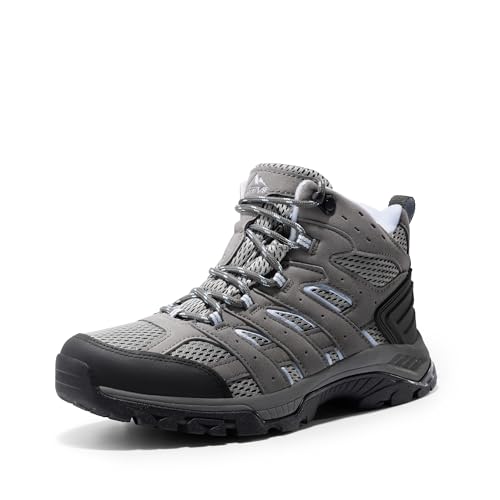
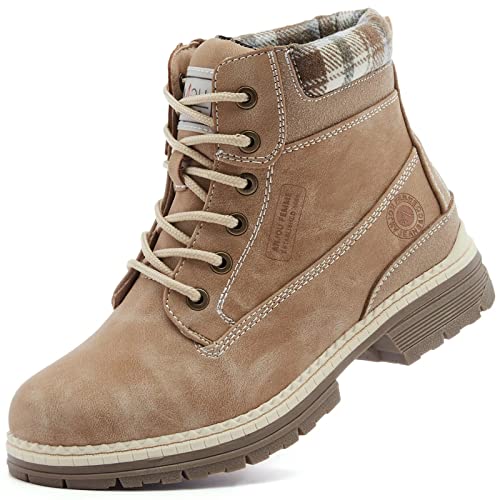

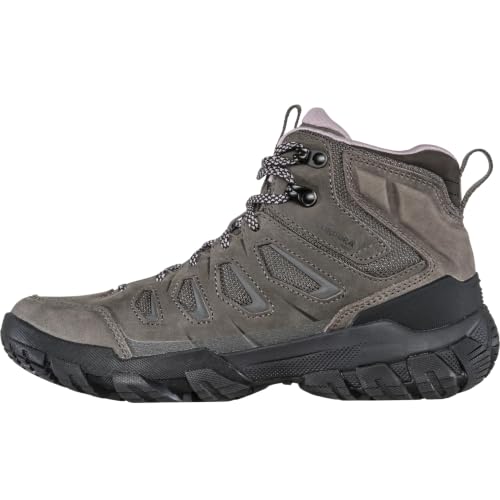

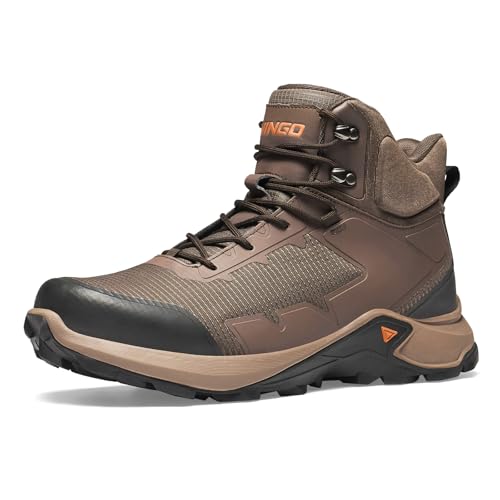
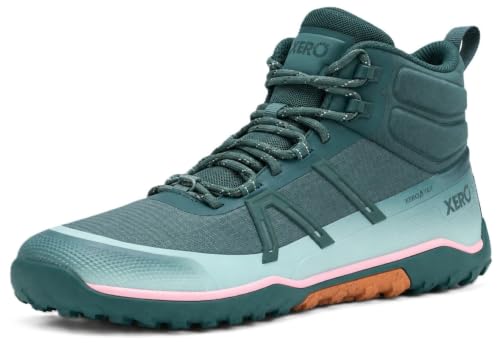
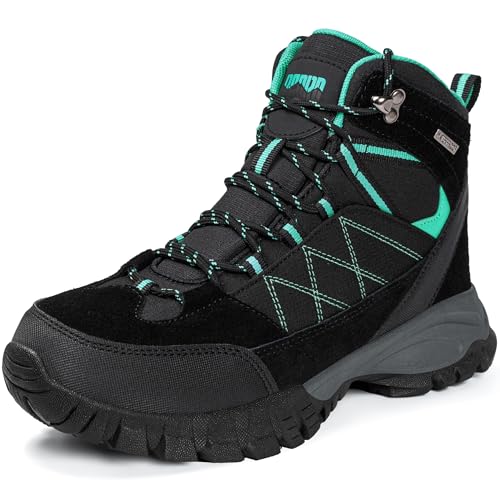
Types of Ankle Hiking Boots Compared
Boot types differ mainly in collar height, midsole stiffness, and total weight. A lighter boot flexes more under a heavy pack, while a taller boot protects the ankle on rough ground at the cost of extra weight. Match the type to your hardest typical hike.
Lightweight Ankle Boots for Day Hikes
Lightweight ankle boots use soft mesh and synthetic uppers, flexible midsoles, and collars that sit just above the ankle bone. A pair often weighs about 1.5 to 2.5 pounds, so your legs tire more slowly on climbs. They suit day hikes with a light pack. The trade off is less protection against sharp rock and a shorter life, because thin uppers wear sooner than leather.
Midweight Ankle Boots for Backpacking Loads
Midweight boots pair a higher collar with a firmer midsole and often a partial shank, a stiff plate that limits twisting under load. Uppers mix leather and synthetic panels, and a pair usually weighs about 2.5 to 3.5 pounds. That structure keeps your foot steadier when a loaded pack shifts your balance on descents. These boots suit weekend backpacking and mixed use, and they need a longer break in period than lightweight models.
High Ankle Boots for Rough and Rocky Ground
High ankle boots extend well above the ankle bone and wrap the lower shin with padding, which limits sideways roll on scree and roots. Soles are stiff, lugs are deep, and leather uppers resist scraping against rock. They are the heaviest type, often about 3 to 4 pounds per pair, and feel warm in summer. If tall collars match your trails, see our guide to the best high ankle hiking boots.
Lightweight Ankle Boots vs High Ankle Boots: Which Should You Choose?
On weight and speed, lightweight boots win, since a pound on your feet costs more energy than a pound in your pack. On stability and protection, high ankle boots win, because the tall collar and stiff sole resist rolling and shield the ankle from rock strikes. On breathability, mesh boots dry faster after a creek crossing, while tall leather boots shed grit better.
Price follows build: lightweight boots often cost about $100 to $180, while high ankle leather boots run about $180 to $300. Choose lightweight boots for fast day hikes on groomed trails, and high ankle boots for rocky routes and heavy packs. Midweight boots remain the safest single choice for varied weekend use.
How to Choose the Right Ankle Hiking Boot
Once the type fits your trails, compare the details below, because the best ankle hiking boots for your feet are decided by small differences in toe room, membrane choice, and sole shape.
Fit, Sizing, and Toe Box
Try boots in the afternoon, when your feet are slightly swollen, and wear the socks you hike in. You want a thumb width of space in front of your longest toe, because feet swell on descents and toes that strike the front cause blackened nails. The heel should stay seated on a downhill ramp, while the toe box should let your toes spread without pressing the sides. If one foot is larger, size for that foot.
Upper Materials and Breathability
Mesh and knit uppers breathe best and feel soft from the first wear, which suits warm climates, but they let in dust and wear through faster at flex points. Full grain leather resists abrasion and molds to your foot over time, yet it feels heavier and dries slowly. Split leather mixed with synthetic panels balances the two, giving structure where the boot scrapes and airflow where it bends.
Keeping Trail Water Out on Wet Routes
A waterproof membrane such as Gore Tex lines the inside of the boot and blocks rain and shallow puddles while letting some sweat vapor escape. That protection helps in wet grass and mud, and most waterproof ankle boots cost about $140 to $280. The trade off is heat: in hot weather a membrane traps warmth, and once water pours over the collar the boot dries slowly. Choose waterproof boots for wet seasons, and breathable uppers for summer trails.
Support That Holds Up Under a Loaded Pack
Cushioning comes from the foam midsole, and thicker foam softens rocky ground but can feel less precise on narrow ledges. Arch support should match your arch height, since a flat foam bed lets the foot roll inward on long days. Stability comes from the collar, the shank, and a wide heel base together, a topic covered in our guide to the best hiking boots for ankle support. Heel to toe drop is usually about 8 to 12 mm, and a higher drop eases calf strain on climbs.
Ankles that roll often deserve extra care, and our guide to the best hiking boots for weak ankles explains the added features to look for. Treat repeated sprains, lasting swelling, numbness, or pain that changes how you walk as signs to see a doctor or a physical therapist rather than relying on a boot alone, and talk with your clinician about your personal needs.
Outsole Grip, Weight, and Expected Lifespan
The outsole is the rubber layer that grips the trail, and deep widely spaced lugs shed mud and bite on loose dirt, while shallower lugs feel smoother on rock slabs. Softer rubber grips wet rock better but wears faster. Boot life depends on upper and sole wear together: lightweight synthetic boots often last about 400 to 600 miles, and leather midweight boots about 600 to 1000 miles with care.
Common Mistakes to Avoid
Most boot regrets come from fit and type errors made in the store.
- Buying boots in your street shoe size without trying them in thick hiking socks, so swollen feet end up squeezed by mile five.
- Choosing a tall and stiff boot for groomed park trails, so every easy walk carries weight you never needed.
- Picking waterproof ankle hiking boots for hot desert hikes, so trapped heat softens skin and raises your blister risk.
- Judging grip by pressing the outsole with a thumb instead of checking lug depth, so smooth soles slide on wet roots.
- Heading out on a long hike in brand new boots, so stiff collars rub raw spots before the materials soften.
Trail Boot Care Between Trips
After each hike, loosen the laces, pull out the insoles, and air dry your boots at room temperature away from direct heat, since hot air cracks leather and weakens glue. Brush dried mud off before it works into seams, and wash with plain water rather than detergents. Leather uppers benefit from a thin coat of conditioner when they look dry and pale.
Store boots in a dry place with airflow, and check laces and eyelets every few trips for fraying. Rest a pair for a day between long hikes when you can, because compressed foam recovers some spring overnight.
Frequently Asked Questions
How long is the break in period for ankle hiking boots?
The break in period for ankle hiking boots ranges from a few short walks for lightweight synthetic pairs to about two to three weeks of regular wear for stiff leather pairs. Build up distance gradually, starting around your neighborhood, then short trails. Tape known hot spots on early hikes.
How should ankle hiking boots fit at the ankle and toes?
Ankle hiking boots should fit snugly around the ankle and heel while leaving clear space at the toes. The collar should feel like a firm handshake, close enough to limit heel lift but never tight enough to press the Achilles tendon. A useful check is kicking a wall gently with your toe: if your toes jam forward, the length or lacing is wrong.
Can I wear ankle hiking boots all day on and off the trail?
You can wear ankle hiking boots all day, but models built for rough trails are not ideal for long hours on flat pavement. Stiff soles that protect you on rock make walking on concrete feel tiring. For mixed days, lightweight ankle boots with flexible soles feel far better, and changing into camp footwear in the evening lets feet and foam recover.
Do I need waterproof ankle hiking boots for dry summer trails?
No, waterproof ankle hiking boots are usually the wrong choice for dry summer trails. Without rain or stream crossings, the membrane only traps heat and sweat, which softens skin and invites blisters. A breathable mesh upper keeps feet cooler and dries within hours after an unexpected splash. Save waterproof pairs for wet seasons or early mornings when dew soaks tall grass along the first miles.
Are expensive ankle hiking boots worth the extra cost?
Expensive ankle hiking boots are worth it when the higher price buys full grain leather or a fit that matches an unusual foot shape. Above about $200, gains come mostly in durability and materials rather than comfort on day one. If you hike a few weekends a year on easy trails, a mid priced pair serves you just as well, and savings can go toward better socks.
How often should I replace my ankle hiking boots?
Replace ankle hiking boots when the tread, midsole, or upper fails, rather than by the calendar. Warning signs include lugs worn smooth at the ball of the foot, a midsole that feels dead, and upper seams splitting near the flex point. Rotating two pairs spreads wear and gives each pair drying time.
Wrapping Up
Start with the type that matches your ground and pack weight, then judge fit at the toes and heel, and finally pick the membrane and sole for your season. Get those three calls right and the best ankle hiking boots for your trails become an easy choice. Compare the styles again in the product table before you order, and try your final pair indoors first.


