
Best Android Smartphones Verizon: Buying Guide for 2026
Disclosure: We may earn a commission when you buy through links on this page, at no extra cost to you. As an Amazon Associate I earn from qualifying purchases. Learn more

A buying guide to best android smartphones verizon, with the key features, carrier checks, and phone types to compare before you choose a model.
Buying a phone for Verizon adds a step that other shoppers can skip. The phone must not only be good, it must be fully supported on the Verizon network, with the right 5G bands and features like WiFi calling working from day one. The best android smartphones verizon buyers choose pass both checks, strong hardware and clean carrier fit. This guide covers the checks in order, and the comparison table below is your starting shortlist.


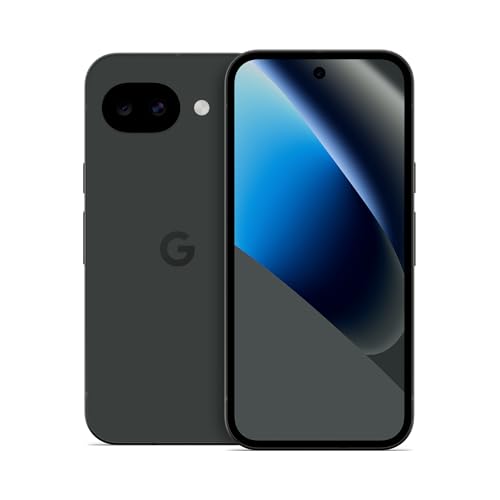

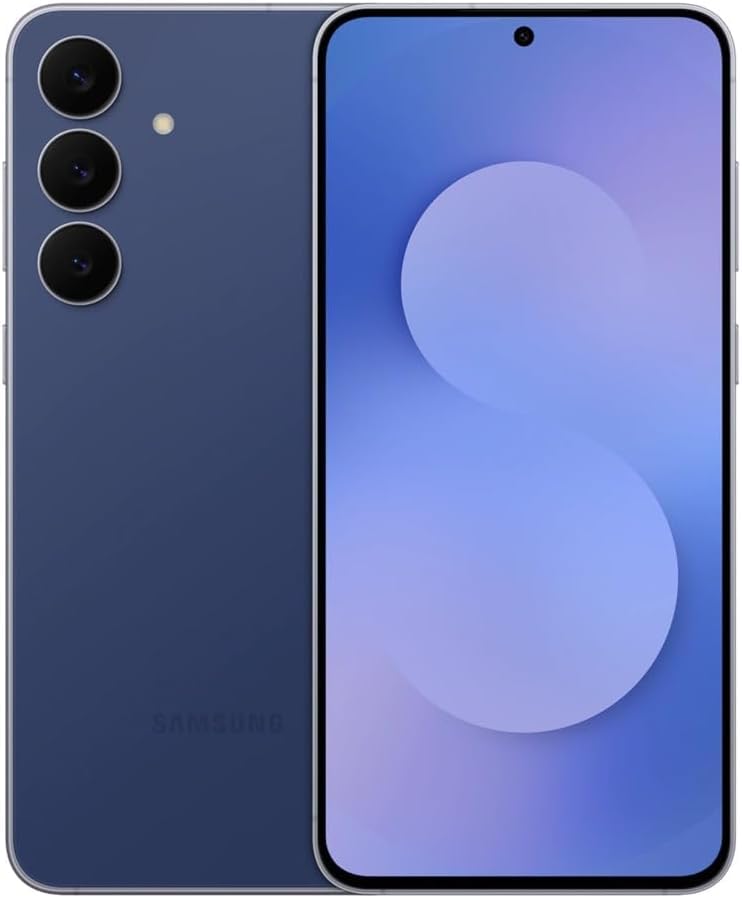
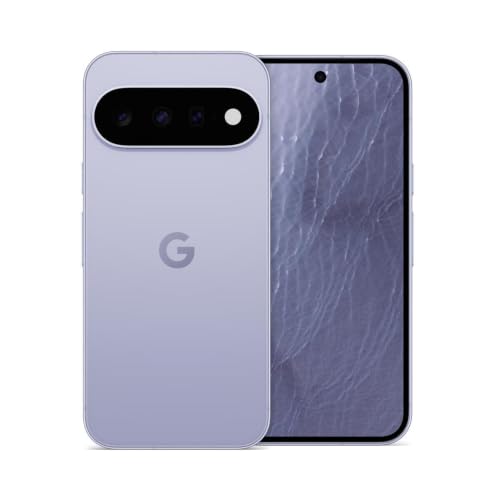


Three Profiles at a Glance
These profiles describe what good looks like at each level on Verizon, without tying you to one named model. Match them against the product table above and your plan.
Premium Profile
The premium profile for Verizon costs around $700 to $1,000 and leaves nothing important out. It brings a bright OLED display, a flexible camera system, a battery that survives a long workday, and full support for Verizon 5G bands including the fast midband coverage used in cities. Update support of five years or more should be standard here. The drawbacks are size, weight, and repair cost. If you rely on your phone for work, navigation, and photos, this is the profile that will not annoy you in year two.
Midrange Profile
The midrange profile, around $300 to $550, proves that Verizon shoppers do not need flagship money for a satisfying phone. You get an OLED screen, dependable main camera, fast charging, and proper Verizon certification on carrier sold or approved unlocked models. Savings come from simpler zoom cameras and less premium materials. Update windows near four years are acceptable at this price. The main limit is longevity under heavy use, since midrange chips age sooner when apps grow demanding. For most households, this is the sensible default.
Beginner Profile
The beginner profile favors ease and support, around $200 to $350. Prioritize a readable screen, simple software, loud and clear call audio, and a local store or carrier support option you can actually visit. Verizon activation should be painless, ideally with the SIM or eSIM handled in store. Battery life is usually excellent in this tier. The limits are camera quality at night and slower performance with large games. A calm, well supported first smartphone beats a powerful one that frustrates its owner daily. Shoppers who want the wider picture can also see our guide to the best android smartphones across all carriers.
How to Choose the Best Android Smartphones Verizon Customers Rely On
Work through these seven areas before you look at colors or storage upgrades. On Verizon, the carrier compatibility check at the end can veto an otherwise perfect phone, so never skip it.
Display Size and Quality
Choose an OLED display if your budget allows, for its contrast, outdoor clarity, and efficiency with dark mode. A 120 Hz refresh rate keeps scrolling and maps feeling smooth. Brightness is the figure that matters outdoors, where Verizon customers often rely on phones for navigation and job site communication. Screen size between about 6.1 and 6.7 inches suits most people. Larger screens help video and reading but strain pockets and one hand use, while compact screens trade media room for comfort.
Software Updates and Support Window
A long support window protects your money and your data. Look for a clear promise covering major Android updates and security patches, ideally five years or more on flagships and at least three to four years in the midrange. Security patches matter most, since they guard banking and work accounts. Also check how fast the maker delivers updates, because a promised update that arrives a year late is worth less. Buying last years model at a discount shortens the remaining window, so count from the original launch date.
Build, Durability, and Water Resistance
An IP68 rating is the benchmark for dust and water protection and is common on flagships and better midrange phones. Strong glass front and back panels resist scratches and survive minor drops better, though a case is still cheap insurance. Metal frames handle heat and bending stress well. Think about your environment honestly. A phone that rides in a truck cab, a kitchen, or a gym bag faces grit and knocks that a desk phone never sees, and durability features pay for themselves in those settings.
Camera System
Start with the main camera, since it takes most of your photos. Look for optical stabilization and a proven night mode for family events and evening shots. An ultrawide lens helps with group photos and real estate or travel scenes, while a telephoto lens matters if you shoot sports or stage events from a distance. Video quality depends on stabilization and microphones as much as resolution. Two well tuned lenses are a better buy than a long list of weak extra cameras added for spec sheet appeal.
Battery Life and Charging Speed
Capacity around 4,500 to 5,000 mAh is a good sign, but real endurance depends on the chip, screen, and your signal strength, since a phone hunting for coverage drains fast. Fast wired charging is the most useful upgrade here, turning a short break into hours of runtime. Wireless charging adds desk convenience on higher tiers. Ask whether a charger is in the box, and budget for one if not. On Verizon, also confirm that battery saving settings do not block calls or messages you depend on for work.
Processor and Everyday Performance
For calls, browsing, streaming, and social apps, any recent midrange chip feels quick. Spend more on processing power if you game, edit video, or plan to keep the phone four years or longer. At least 8 GB of RAM keeps multitasking smooth when maps, music, and messages run together. Storage speed affects app launches and photo saving, and it is one reason flagships feel snappy beyond their chip names. If a store demo unit feels slow with basic swipes, trust that impression and move on.
Carrier Compatibility and 5G
This is the decisive section for Verizon buyers. The phone must support Verizon 5G bands, including its nationwide and midband coverage, plus strong LTE as a fallback. Carrier sold models are guaranteed to fit, while unlocked models need checking by exact model number, since versions of the same phone can differ by region. Confirm that WiFi calling, visual voicemail, and hotspot features work, because some unlocked phones support data but lose a feature or two. You can deepen the carrier side of the comparison in our guide to the best verizon smartphones across operating systems. Never rely on a listing that just says works with Verizon without naming the model variant.
Types of Android Smartphones on Verizon
Budget Phones
Budget phones under around $250 handle calls, texts, browsing, and video well, with battery life as a pleasant strength. On Verizon, stick to carrier sold or clearly certified models in this tier, since cheap imports often miss key bands. Expect basic cameras and shorter update windows, and check that window before you buy.
Compact Phones
Compact phones put comfort first, with smaller screens and lighter bodies that suit one hand use and small pockets. You trade away some battery size and media impact, but modern compact models keep flagship level speed and cameras more often than they used to. Readers who prize pocket comfort can compare candidates in our guide to the best small android smartphones before deciding.
Flagship Phones
Flagship phones deliver the best displays, cameras, and support windows, plus the fullest Verizon feature support, since carriers prioritize them. They cost the most to buy and repair, and they are often large. Buy one if you keep phones for years, shoot many photos, or depend on your phone for work where delays cost real money.
Camera Focused Phones
Camera focused phones spend their budget on sensors, lenses, and processing, producing the best night mode and zoom results. They suit parents, travelers, and content creators. The compromise is price and sometimes battery or size. If your photos are mostly daylight shots for messages and social posts, a midrange main camera will likely satisfy you for far less.
How to Make Your Android Smartphone on Verizon Last Longer
- Use a case and screen protector, since repair costs on modern glass phones can rival a midrange replacement.
- Keep software updated, and enable automatic security patches in settings.
- Avoid charging in extreme heat, such as on a car dashboard in summer, to slow battery wear.
- Back up photos regularly, so a lost or damaged phone does not erase your library.
- Keep some storage free, because updates and camera apps need working room.
- Restart weekly to clear minor glitches, and review app permissions a few times a year.
Accessories extend comfort as well as life. A good pair of earbuds makes calls and media far more pleasant on the move, and our guide to the best headphones for android smartphones can help you choose a pair that pairs cleanly with your new phone.
Your Questions Answered
How many years of updates should a phone get?
Look for at least four years of security updates, and five to seven on a flagship you plan to keep. Security patches protect your accounts long after new features stop mattering. Always count the window from the model launch date, not your purchase date, since a discounted older model has less support left than its listing may suggest.
Should I buy unlocked?
An unlocked phone bought from a maker with confirmed Verizon support gives you plan freedom and easier resale. A carrier model guarantees full feature support and simpler activation, sometimes with strong trade in deals. Either route works if you verify the exact model number. The risky middle ground is a gray market import with partial band support, which can mean weak coverage and missing features.
Do I need 5G?
Yes, any phone you buy for Verizon now should have 5G, because the network keeps shifting capacity toward it. Midband 5G in particular delivers the speed jump people actually notice in cities and suburbs. Rural users will still lean on LTE in places, so a phone with strong LTE support matters too. Buying 5G today is mostly about staying current for the full life of the phone.
Is a mid range phone good enough?
For most Verizon customers, yes. Midrange phones run the apps people use daily, take good daylight photos, and last a full day, all at half of flagship prices. You accept simpler zoom cameras, less premium builds, and a shorter update runway. If you keep phones for two to three years and do not game heavily, a midrange model is often the smartest spend on the network.
How much storage do I need?
Choose 256 GB if you record video, download shows, or keep a large photo library on the device. Light users who stream and back up to the cloud can manage 128 GB. Check your current phone usage before ordering, and remember that apps, system files, and camera output all grow each year. Running out mid contract, with no card slot to save you, is the outcome to avoid.
Our Verdict
Verify Verizon band and feature support first, then weigh updates, battery, and display. Those checks protect you from the one mistake other Android shoppers never face, a great phone that only half works on your network. Compare your finalists in the product table above, and the best android smartphones verizon choice for your budget and habits should be clear.


