
Best Android Phones with Sd Card Slot in 2026: Matching the Right Phone to Your Routine
Disclosure: We may earn a commission when you buy through links on this page, at no extra cost to you. As an Amazon Associate I earn from qualifying purchases. Learn more

Choose the best android phones with sd card slot by matching tray style, card speed class and storage habits to your daily routine.
There is no single right phone for everyone, because a card slot only earns its place if your routine actually fills storage. This guide to the best android phones with sd card slot starts with how you use your phone each day, then matches tray styles and card speed classes to that routine. The comparison table below shows the main phone types side by side.
A parent filming school events fills space very differently from a commuter who streams every song and show. Work through the user groups below first, then check the slot and speed details, and you will spend on storage that matches your habits instead of storage you never touch.


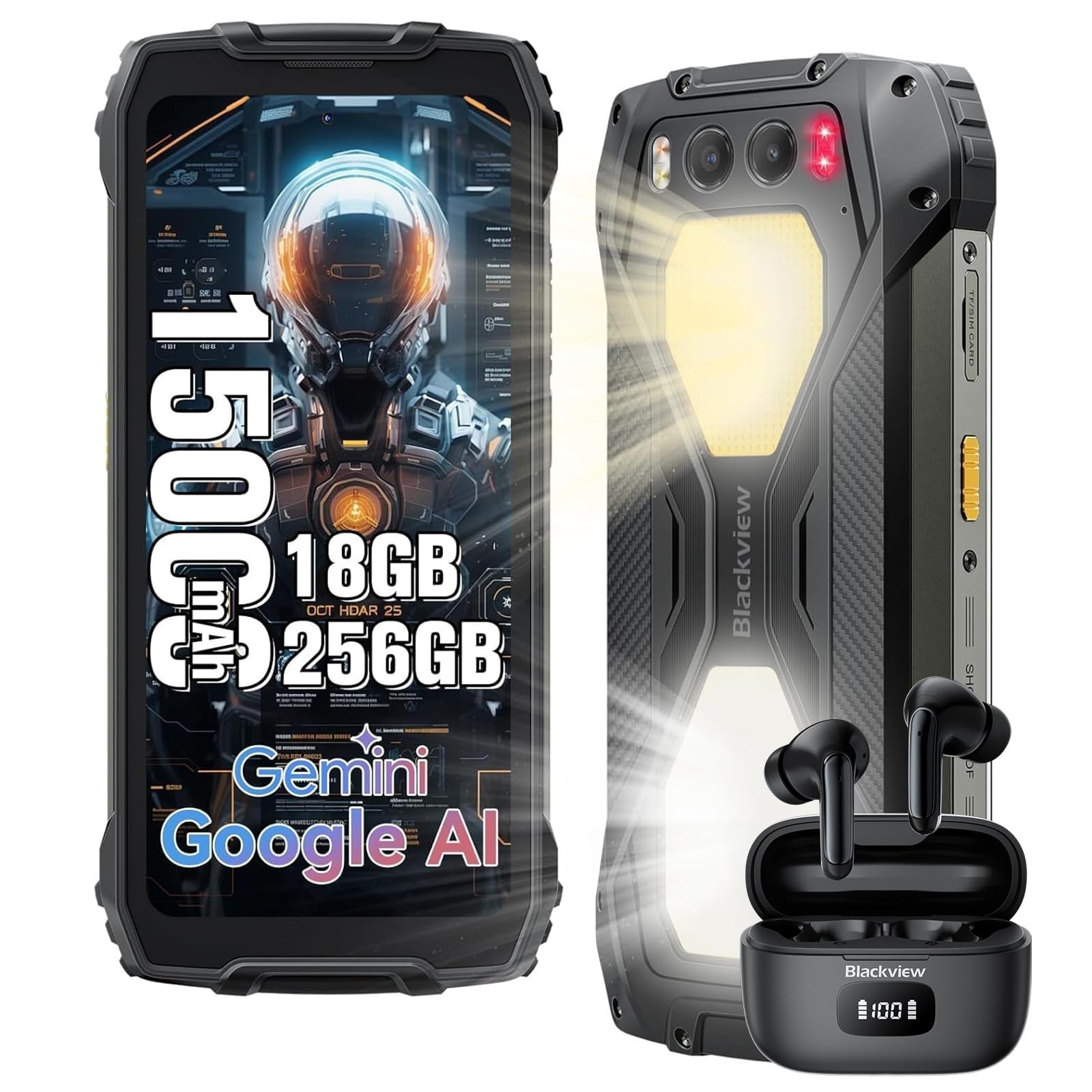
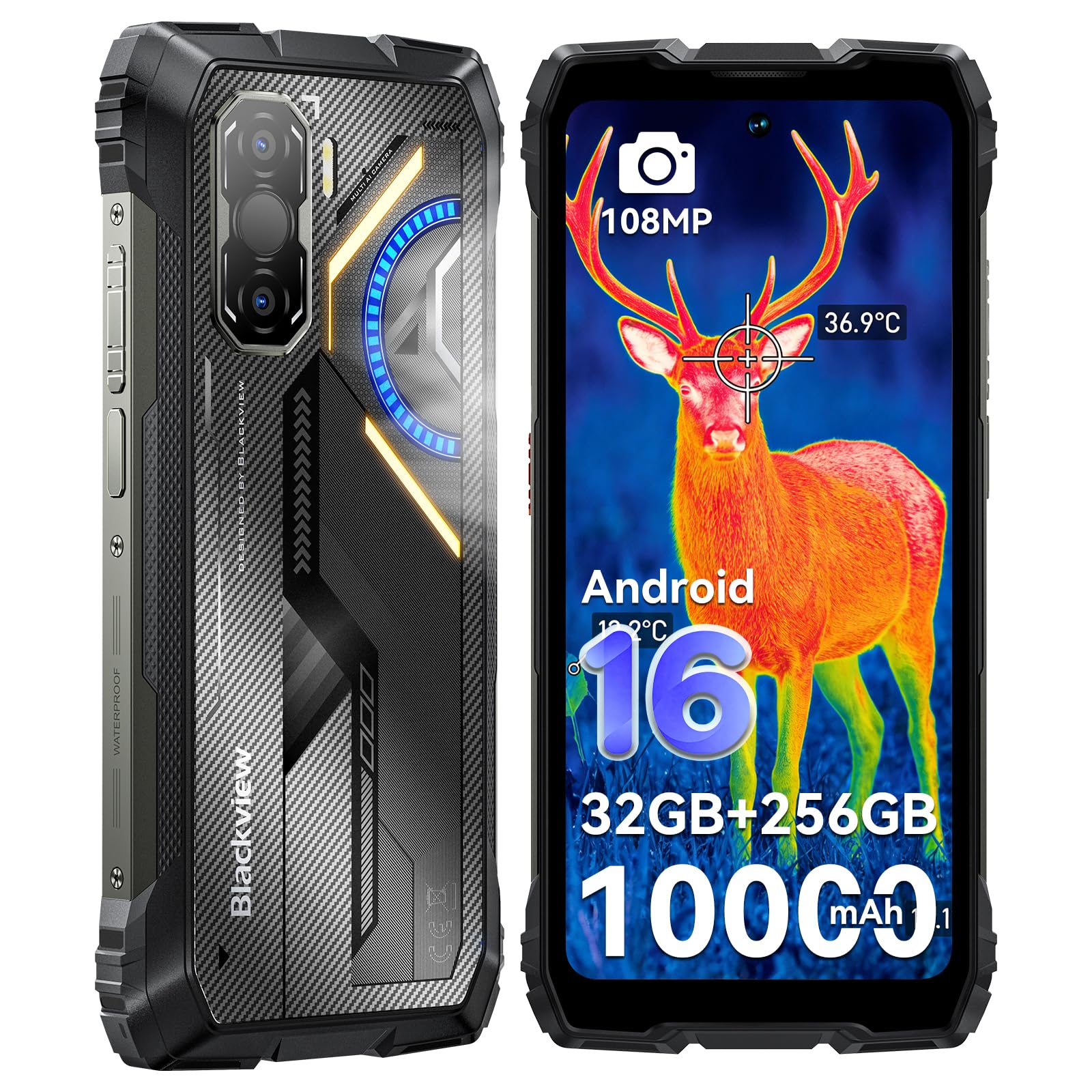
Who Should Buy Which Android Phones?
For Heavy Media Users Who Want Top Performance
If you shoot video every week, a card slot turns your phone into a rolling archive. Prioritize a dedicated card tray, fast write speeds for smooth high resolution recording, and a processor that does not stutter while saving large files. Premium models that keep the slot are rare, so this group should confirm the tray layout before paying for power they may pair with the wrong storage design.
For Value Seekers Who Keep Phones for Years
A card slot stretches the life of a modest phone, because storage you can grow is storage you never outgrow. Choose a mid range model with 128 GB built in, add an affordable card, and the phone stays comfortable for years of photos and apps. This group gets the most from the slot: one small card purchase can delay a full phone replacement by a year or more.
For Gift Shoppers
A phone with a card slot is a forgiving gift, since the recipient can expand storage later instead of hitting a wall in the first month. Pick simple software, a clear screen and a widely available size, and consider adding a card in the box so the phone is ready on day one. Warranty support and easy returns matter more here than raw speed figures.
For First Time Buyers
First time buyers should value simplicity: a phone that takes a card without tools beyond the tray pin, clear storage menus and reliable updates. A modest card, around 128 GB, removes the storage warnings that confuse new users and keeps the phone feeling roomy. Avoid models that bury the card settings deep in menus, and set the camera to save to the card during setup.
Key Features of the Best Android Phones with SD Card Slot
When you compare the best android phones with sd card slot, begin with the slot itself, because the tray design decides what the card can do for you every day.
The Slot Itself: Tray Style and Card Size
The slot governs how expandable storage works on the phone, and the tray is where that design shows. A dedicated tray holds the card beside the SIM, so you keep two lines and full storage at once, while a shared tray forces a choice between a second SIM and the card. Nearly all phones in this class take microSD cards, and most accept capacities up to 1 TB. To choose the card itself, start with our guide to the best sd card for android phones, which matches card sizes to common routines.
Card Speed Classes: What the Ratings Mean
Speed classes tell you the slowest steady write speed a card promises, and that floor matters more than peak claims. Class 10 cards write at at least 10 megabytes per second, U3 and V30 cards at at least 30 megabytes per second, V60 cards at 60 megabytes per second and V90 cards at 90 megabytes per second. For smooth 4K video, treat U3 or V30 as the practical minimum. Our guide to the best micro sd card for android phones explains which class fits each kind of recording.
Apps Versus Media on the Card
How you use the card matters as much as its size. Photos, videos, music and downloaded shows are the ideal cargo, because they are large and the phone reads them in a steady stream. Apps are a weaker fit: many cannot move to the card at all, and those that can may load slowly or break after updates. A few phones offer adoptable storage that merges the card with internal space, but a failed card then takes your apps down with it.
Software Updates and Support Window
Updates decide how long the phone stays safe and current. Better models now promise four or more years of security patches, while the cheapest may stop after two. Storage plays a quiet role here too: system updates need free space to install, and a card that holds your media keeps internal storage open for those downloads. Check the update promise before buying, because it sets the real lifespan of the phone.
Display Size and Quality
A bright OLED screen makes photos and video, the very files filling your card, look their best outdoors. A 120 Hz refresh rate keeps scrolling smooth, though it draws more power than 60 Hz.
Screen sizes around 6.5 inches suit media heavy routines, while smaller screens around 6.1 inches are easier to hold and cheaper. Match the display to how much of your stored media you actually watch on the phone itself.
Processor and Everyday Performance
The processor decides how the phone feels while it manages a large library. Indexing thousands of photos, stitching panoramas and copying files to the card all lean on the chip and on RAM. Around 6 GB to 8 GB of RAM keeps multitasking smooth for most routines, and heavy filers should favor faster storage inside the phone as well, since the camera writes there first before anything moves to the card.
Common Mistakes to Avoid When Buying Android Phones
- Buying the phone first and checking the tray later, then discovering the slot is shared with the second SIM you need.
- Choosing a card by capacity alone and ignoring its speed class, which leads to stalled video recording.
- Assuming every app can move to the card, when many apps must stay in internal storage.
- Skipping the update policy, so the phone stops receiving security patches while its storage is still half empty.
- Paying for a huge card before your routine needs one, when a mid size card would cover years of photos.
Care and Maintenance Tips
Treat the card as part of the phone. Keep software updated, since updates often improve storage handling and security, and back up the card to a computer or cloud account every few months because cards can fail without warning. Our roundup of the best sd cards for phones can help you pick a spare for backups. Avoid pulling the tray while the phone is writing files, format a new card inside the phone before first use, and keep the phone in a case with a screen protector so the tray and screen survive daily drops.
FAQs
Should I buy an unlocked phone with a card slot?
Yes, unlocked is the safer default for most buyers, because it lets you change carriers without replacing the phone. It also helps resale value, since the next owner is not tied to one network. One card specific point: carrier models sometimes restrict how the card can be formatted or merged with internal storage, while unlocked models usually follow the maker standard menus. Check band support for your carrier before ordering either way.
Is a mid range phone good enough if it has a card slot?
Yes, and the slot is a big reason why. A mid range phone with expandable storage can outlast a pricier model with fixed storage, because running out of space is one of the main reasons people replace phones early. You give up some camera polish and the fastest chips, but for photos, music, messages and streaming, a mid range model with a growing card covers the routine comfortably for years.
How much storage do I need in total?
Add your internal storage and card size together, then judge the total against your habits. Light users do well with 128 GB built in and a 128 GB card, while regular video shooters should think in totals of 512 GB or more. A helpful habit is checking your current phone: if it is nearly full after two years, double that figure for the next one, since photo and video files keep growing. Our guide to the best sd cards for android breaks down capacities by use.
How many years of updates should a phone get?
Aim for at least four years of security updates, and more is better if you keep phones a long time. Security patches protect the photos, accounts and files that the card and phone hold, so an outdated system is a risk even when the hardware feels fine. Feature updates are a bonus rather than a need. If two phones cost about the same, let the longer update promise break the tie.
Do I need 5G on a phone with expandable storage?
You need 5G if your carrier offers good coverage where you live and you download large files on the move. Fast downloads pair naturally with a big card, since films and playlists saved for offline viewing can fill space quickly. Where coverage is weak, 4G remains entirely workable and uses less power. The slot matters more than the radio for most storage routines, so do not pay a premium for 5G alone.
The Bottom Line
Match the phone to your routine first: heavy filers need a dedicated tray and a fast card, while light users can let a modest card stretch a modest phone for years. The best android phones with sd card slot choices balance tray design, card speed and update support rather than chasing the biggest numbers. Compare your finalists in the product table above, and for a second card or a backup, see our picks among the best micro sd cards for phones.


