
Best Android Phones under 400 Dollars: A First Time Buyer's Guide for 2026
Disclosure: We may earn a commission when you buy through links on this page, at no extra cost to you. As an Amazon Associate I earn from qualifying purchases. Learn more

Shopping for the best android phones under 400 dollars for the first time? Learn the terms, compare options, and avoid rookie mistakes with this easy guide.
Buying your first Android phone can feel confusing, because every listing throws new terms and numbers at you. This guide explains the best android phones under 400 dollars in plain English, from the basics to a simple way to choose. You will learn what each spec means, what it changes in daily use, and where your money matters most. Use the comparison table below once these basics feel clear.
You do not need flagship prices to get a phone that feels fast, takes clear photos, and lasts a full day. At this price, balance beats one headline feature. The sections below explain the specs worth comparing, walk through setup, and flag the mistakes that cost first time buyers money.


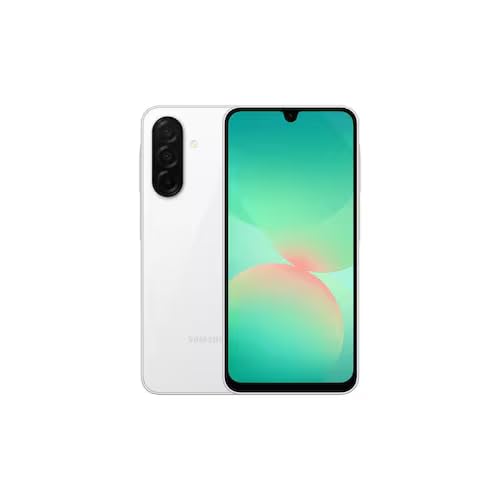

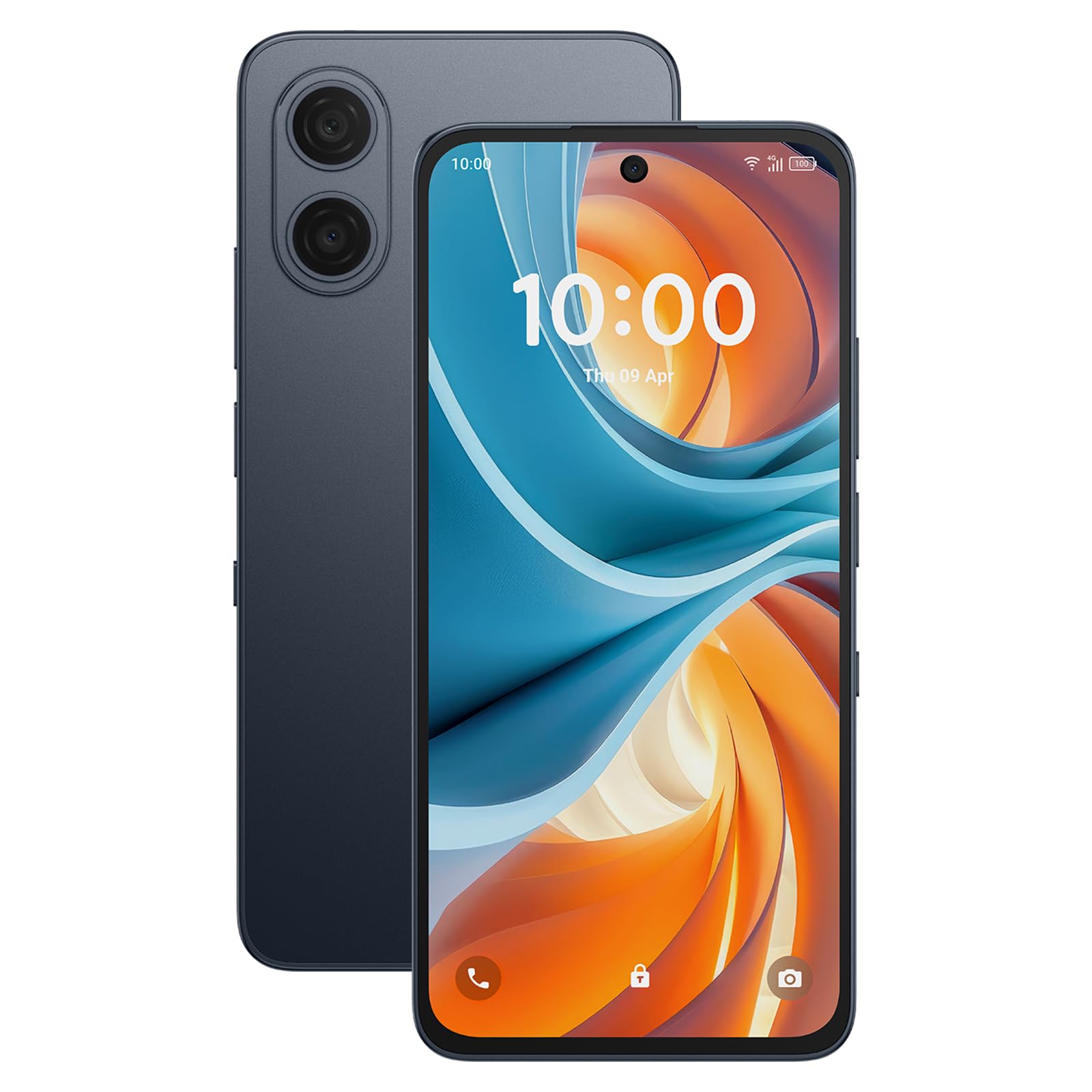


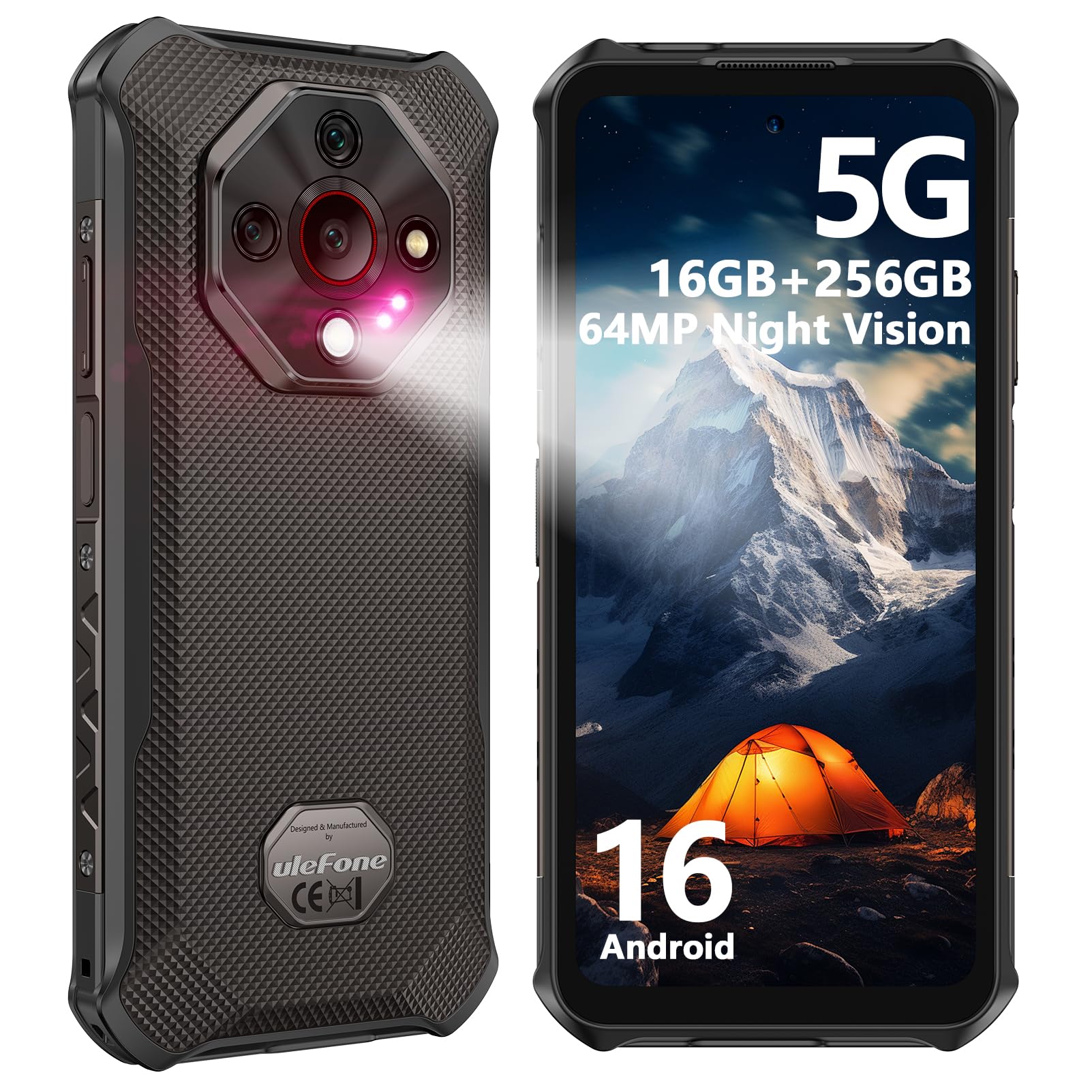
Android Phone Basics for First Time Buyers
Android runs on phones from many brands, so two phones at the same price can differ in screen quality, camera style, and update length. That variety makes a guided comparison matter. In this tier, the best android phones under 400 dollars are mid range models that borrow screens and cameras from pricier phones while trimming extras such as wireless charging.
Two terms shape every listing. Unlocked means the phone works on any compatible carrier, not one network contract, while carrier models may cost less monthly but limit where you use the phone. Check that a phone supports the 5G bands your carrier uses near you, because phones built for other regions may connect more slowly at home.
Who Should Buy an Android Phone in This Price Range?
This range suits first time buyers who want a dependable phone without learning on an expensive one. Match yourself to one group below and use its priorities.
First Time Buyers Replacing a Very Old Phone
If your current phone stalls, fills its storage, or no longer receives security updates, almost every model here will feel like a large step up. Prioritize a bright screen, at least 128 GB of storage, and a long update promise, because those gains shape everyday use. Advanced camera zoom and premium materials can wait.
Students and Light Everyday Users
If you mostly message, browse, stream video, and take casual photos, you do not need the fastest chip here. A smooth screen and a battery around 5000 mAh will matter more than extra camera lenses. If a simpler model covers those basics, spend less and save for a case and cloud backup.
Buyers Who Plan to Keep One Phone for Years
If you keep a phone for three or four years, update length and build quality matter more than a small speed edge. Choose at least four years of security updates and a water resistance rating such as IP68 if you can find one here. A sturdy build will serve you longer than a small camera upgrade.
Under 400 Dollar Specs Explained in Plain English
Compare these six areas in order. Each explains the term, how it changes daily use, and what to choose at this price.
What You Can Realistically Get for Under 400 Dollars
For under $400, expect a bright OLED screen, a capable mid range chip, a good main camera, and a battery that lasts a full day. Trimmed extras usually include wireless charging, long zoom cameras, and the fastest charging. Do not accept a dim screen, only 64 GB of storage, or a short update promise, because you feel those cuts every day. If your budget can flex, see our guide to the best android phones under 500 dollars for the next tier, or see our guide to the best android phones under 300 dollars to spend less.
Screen Size and Quality Near 400 Dollars
OLED panels show deeper blacks and richer color than basic LCD panels and look better indoors and outdoors. Most phones here offer about 6.1 to 6.7 inches of screen, which balances one hand use with room for video. A refresh rate of 120 Hz redraws the screen more often, so scrolling feels smoother than at 60 Hz. Choose strong peak brightness if you read maps in direct sun.
Processor Speed for Everyday Apps and Games
The processor runs apps, games, and the camera. A current mid range chip with about 8 GB of RAM handles messaging, maps, video calls, and most games smoothly, and it only slows when many heavy apps stay open at once. More RAM helps the phone keep apps ready when you switch between them. Demanding games favor the stronger chip over extra camera lenses.
Battery Life and Charging for Busy Days
Battery size is listed in mAh, and most phones here carry about 4500 to 5500 mAh, which lasts a full day for most users. A larger number helps, but screen brightness and 5G use change real results. Fast charging refills the battery sooner, which helps on busy mornings. Wireless charging is rare here, so plan on a cable and check if a charger comes in the box.
Cameras and Night Mode Close to Flagship Level
Most value sits in the main camera, which handles daylight photos, portraits, and video for social apps. An ultrawide lens fits group photos and tight indoor scenes, while telephoto zoom is uncommon at this price. Night mode blends several frames into one brighter photo, so it matters more than a high megapixel count for evening shots. Judge a camera by its main lens and night mode first.
Software Updates, Storage and 5G Support
Software updates add features and close security holes, and brands here promise about three to five years of support, so favor the longer promise. Storage of 128 GB suits most first time buyers, while 256 GB suits heavy video storage. A microSD slot is rare now, so choose enough built in storage at purchase. 5G support is standard and speeds downloads where your carrier offers coverage.
Getting Started With Setup and First Use
Setup takes about 20 to 30 minutes and needs no special tools. Work near your WiFi router with your old phone beside you, and charge the new phone first if the battery starts low.
- Insert your SIM card or activate the eSIM your carrier provides, then confirm that calls and mobile data work.
- Connect to WiFi, sign in with your Google account, and copy apps, photos, and contacts from your old phone.
- Fit a case and a screen protector early, because a single drop can crack a bare screen.
- Install the pending software update, set a screen lock, and turn on Find My Device so you can locate it if lost.
Common Mistakes to Avoid When Buying Your First Android Phone
Each mistake below costs money or daily comfort.
- Buying on megapixel count alone leads to weak night photos, because sensor quality and night mode matter more after dark.
- Choosing 64 GB of storage to save money fills the phone within a year and forces constant deleting.
- Skipping the update promise leaves you with a phone that stops receiving security fixes while it still works well.
- Buying a phone built for another region can leave you without the 5G bands your carrier uses at home.
- Leaving the screen bare to save a few dollars risks a cracked display that costs far more to repair.
Care Basics for Your First Android Phone
Wipe the screen and back with a soft, dry cloth, and keep ports free of lint so the charging cable seats fully. Keep the phone away from standing water even with an IP68 rating, because that rating covers splashes and shallow dips, not swimming or hot showers.
Protect battery health by avoiding long sessions in a hot car and chargers that feel unusually hot in use. Clear unused apps and downloads every few months so storage stays open for photos and updates. Restart the phone about once a month, and back up photos before any major update.
Questions First Time Buyers Ask Most
Can you get a good Android phone for under 400 dollars as a first time buyer?
Yes, you can get a good phone at this price, with a bright OLED screen, a full day battery, and a camera that handles daily photos well. When you shop the under 400 dollar bracket for the first time, judge listings by screen, battery, and update length rather than by the number of camera lenses.
How much storage does a first time buyer need on an Android phone?
Most first time buyers should start at 128 GB of storage on an Android phone. That size holds years of photos, apps, and offline music. Choose 256 GB if you record long videos, download films for travel, or keep large games installed, because this range rarely lets you add storage later.
Is a mid range Android phone good enough for everyday tasks?
Yes, a mid range Android phone is good enough for messaging, browsing, banking, maps, streaming, and photo sharing. The gap to flagship phones shows in heavy games, long zoom photos, and premium materials. If your list matches those tasks, the savings can cover a case, a charger, and cloud backup.
Does a first time buyer need 5G on an Android phone?
A first time buyer does not need 5G, but most Android phones here include it at no extra cost. Take it if your carrier offers 5G near home and your plan includes it. Turn 5G off in weak coverage areas if the battery drains fast, because the phone uses extra power while searching for signal.
Should a first time buyer buy an unlocked Android phone?
Yes, most first time buyers should buy an unlocked Android phone, because it works on any compatible carrier and stays free of a long network contract. Unlocked models often receive updates directly from the brand, without carrier delay. Check the listing for your carrier name before you order, because a few unlocked models still miss one band on some networks.
Wrapping Up
Start with the screen, the battery, and the update promise, because those three choices decide how the phone feels in year one and year three. Then check storage and the main camera against your daily habits.
Compare your finalists in the product table above, and pick the best android phones under 400 dollars option that covers your basics with the fewest trade offs. A balanced phone you understand beats a flashier phone bought on one spec.


