
Best Android Phones Out There: Buying Guide for 2026
Disclosure: We may earn a commission when you buy through links on this page, at no extra cost to you. As an Amazon Associate I earn from qualifying purchases. Learn more

A practical guide to the best android phones out there, covering price tiers, displays, cameras, updates and storage so you can choose well.
With dozens of models on sale at any moment, choosing a phone can feel like homework. The best android phones out there are not always the newest or the priciest. They are the ones whose display, camera, battery, and update support fit your daily life at a fair price. This guide walks you through the checks that matter, then sorts the market into three price tiers to compare against the product table, so your shortlist shrinks to phones you would genuinely enjoy owning.
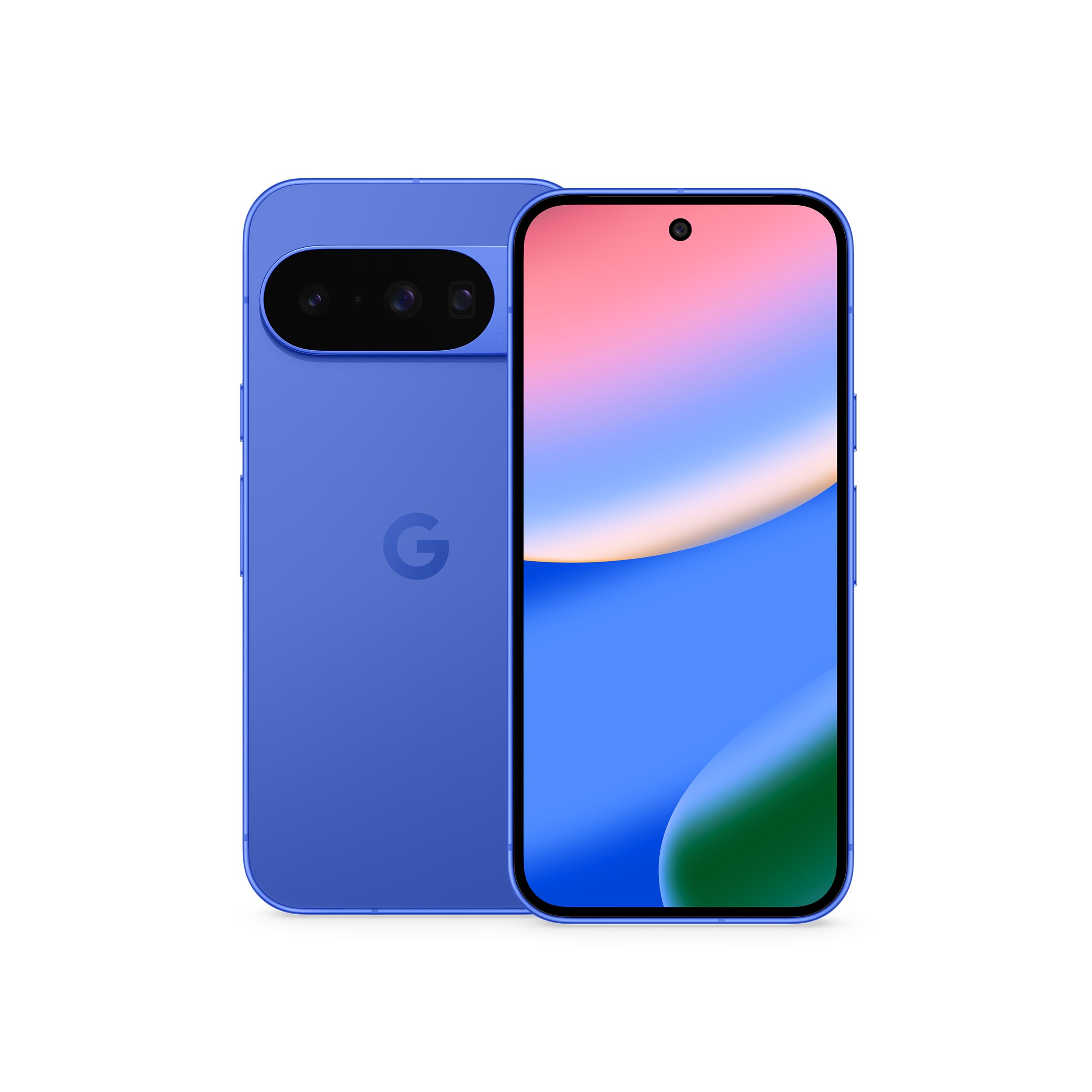
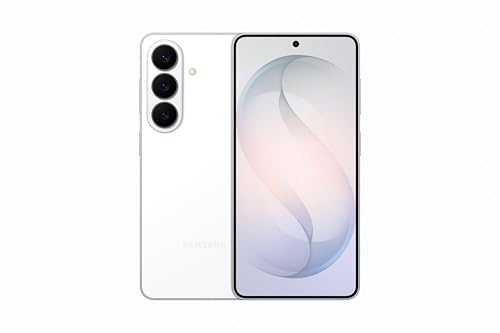

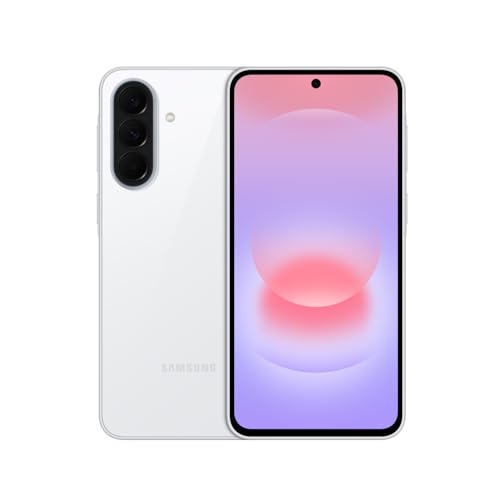
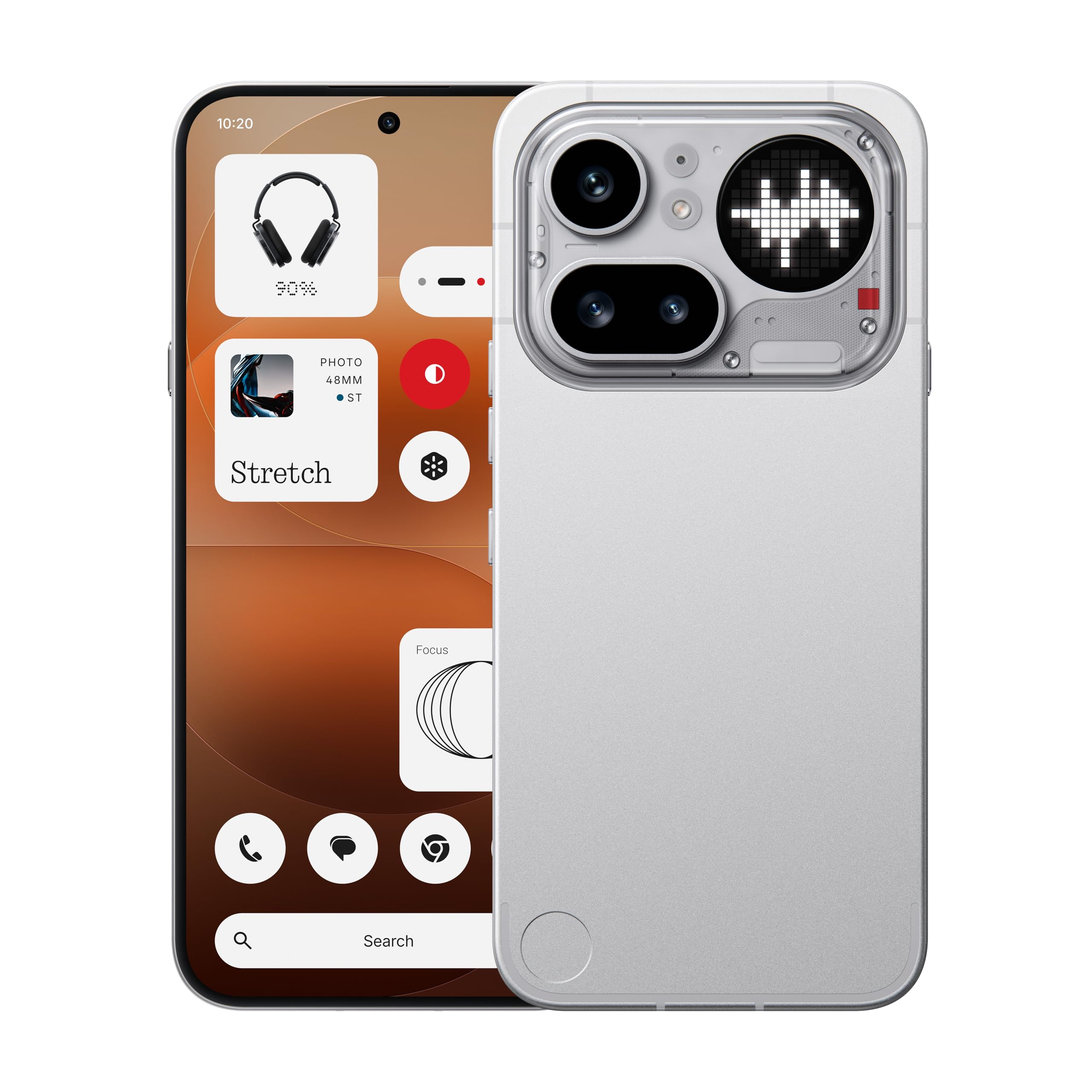
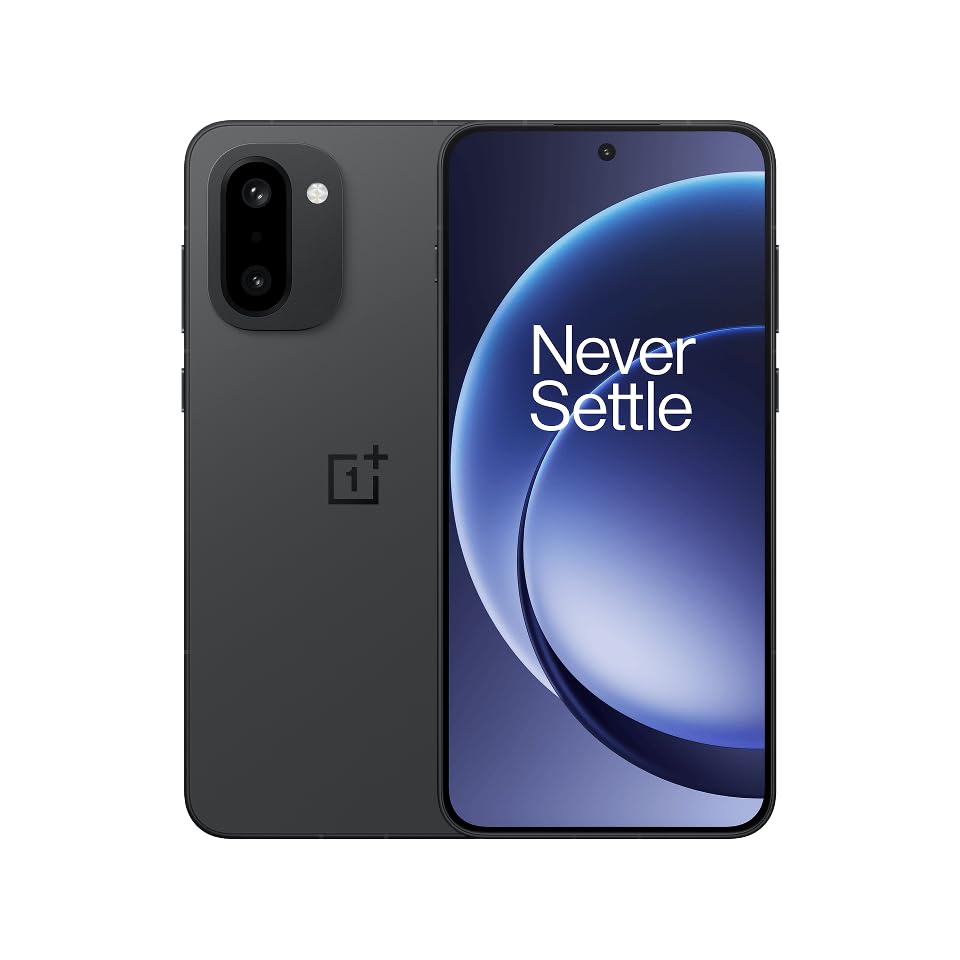
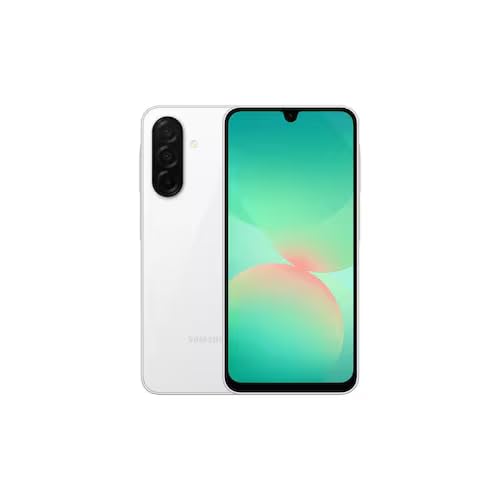


Three Price Tiers at a Glance
Use these tiers as a guide rather than fixed rankings. Models come and go, but the shape of a good upper midrange, value, and premium phone stays steady from year to year.
Upper Midrange, Around $700 to $900
This tier balances everything. Expect a bright OLED screen at 120 Hz, a versatile camera with a good night mode, a battery near 5,000 mAh, and at least five years of software support. Build quality should include an IP68 rating and strong glass. The downside is size and cost, since these phones are big and repairs are pricey. For someone who keeps a phone three years or more and uses it for work and play, this tier is the safest single choice.
Value Tier, Around $300 to $500
This tier is where smart money goes. You keep an OLED display, a reliable main camera, fast charging, and a battery that often outlasts flagships. Makers save money on zoom lenses, frame materials, and wireless charging, which many buyers never miss. Update support around four years is a fair expectation here. The limit appears with demanding games and dim light group photos. If your phone is a tool rather than a hobby, this tier covers your needs with money left for storage or accessories.
Premium Tier, Around $1,000 and Above
The premium tier buys the best cameras, the brightest screens, and the longest support windows on sale. Zoom quality, video features, and build finishing all step up, and satellite or advanced safety features sometimes appear. You also get the largest storage options without compromise. The trade off is plain. The gains over the overall tier are real but narrow, and the phone is often heavier. Buy premium if photography, gaming, or status genuinely matters to you, not out of habit.
How to Choose: Buying Guide
Start with the screen and the support window, then judge cameras and speed. Those four decisions shape how the phone feels every day and how long it stays safe and useful.
Display Size and Quality
OLED is the display technology to want, with rich contrast and strong outdoor behavior on good panels. A 120 Hz refresh rate makes scrolling feel fluid, and adaptive rates save battery by slowing down for still content. Peak brightness decides whether maps and photos stay readable in sunlight, so value that figure over small resolution gains. Around 6.2 to 6.7 inches suits most hands and pockets. If you watch a lot of video, go larger. If you use your phone one handed on transit, stay near the smaller end.
Camera System
Judge a camera system by the shots you take most. A strong main camera with optical stabilization handles daily photos and night mode scenes. An ultrawide helps with groups, interiors, and landscapes. A telephoto lens earns its cost only if you shoot from a distance often, at kids games, concerts, or wildlife spots. Video fans should check stabilization and microphone quality, not just resolution numbers. Megapixel counts alone say little, since sensor size and processing decide real quality. Two good lenses beat four weak ones every time.
Software Updates and Support Window
Updates keep a phone secure and compatible with the apps you depend on. Look for a stated promise of major Android updates plus years of security patches, and prefer the longer window when prices are close. The best android phones out there tend to come from makers who publish clear timelines and deliver on them. A phone near the end of its support life can be a bargain only if the discount is large and you accept a shorter safe lifespan. Check the launch date of any model, not just its price, before you decide. If your current phone still works well, it can also pay to glance at our guide to the best android phones coming out soon, since a launch nearby often cuts prices on the model you already want.
Processor and Everyday Performance
A modern midrange or flagship chip handles calls, browsing, maps, and streaming without strain. More power matters for gaming at high settings, heavy video editing, and keeping the phone fast in year four. RAM of 8 GB is a sensible floor for multitaskers, with 12 GB giving extra headroom. Storage speed also shapes feel, since faster storage opens apps and saves large videos quickly. Benchmarks help compare chips, but smooth daily behavior and cool running under load matter more than a top score.
Build, Durability, and Water Resistance
An IP68 rating protects against dust and fresh water dips and is worth having at midrange prices and above. Strong front glass and a solid frame improve drop survival, though no phone is drop proof. Consider how the phone feels as well. Slippery glass backs look fine and slide off sofas, so many owners add a slim case on day one. Weight matters over a long day, especially on larger models. If you work in rough settings, favor durability features and a replaceable case friendly design over a slightly better zoom lens.
Storage Options
Choose 256 GB if you record video, download media, or keep phones for three years or more. At 128 GB, a heavy photo library plus apps and system files can squeeze you sooner than expected. Models with a microSD slot let you add cheap room for music and video, though the fastest performance stays on internal storage. Before upgrading tiers, check your current usage and add a buffer of about a third. Running out of storage mid trip, with no signal for cloud backup, is a miserable and avoidable moment.
Types of Android Phones
Mid Range Phones
Mid range phones are the competitive heart of Android. They deliver OLED screens, capable cameras, and long battery life at moderate prices. Compromises land on zoom hardware, top gaming speed, and sometimes water resistance depth. For most buyers, this class offers the best balance of cost and years of service, and it is where careful comparison pays off most, since quality varies widely between brands at the same price.
Camera Focused Phones
Camera focused phones spend their budget on sensors, lenses, and image processing. Expect excellent night mode results, natural skin tones, and zoom that stays clean at moderate distances. They suit creators and family historians who value photos over gaming. The costs are higher prices and sometimes larger, heavier bodies. If you rarely print or share beyond chats, a standard main camera may serve you just as well for far less money.
Budget Phones
Budget phones under around $250 cover communication, browsing, and video with ease, and their batteries often last two days. Screens are dimmer, chips are slower, and cameras struggle at night. The key check is the update promise, since a budget phone with three or more years of security patches is a far safer buy than a slightly faster one with none stated. For light users and first phones, this class makes clear financial sense.
Picking the Right Phone for Different Uses
Choosing for Carrier Service First
Some shoppers buy a phone mainly for carrier service, so calling quality, signal strength, and plan compatibility sit at the center. For that use, favor models with strong band support on your carrier, clear call audio, and reliable WiFi calling for weak indoor signal. A compact or midsize body also helps if the phone lives in a work pocket all day. Check that hotspot speeds and roaming terms suit your travel before you sign anything.
Setup and Care Tips
- Use a case and screen protector from day one, since early drops are common while you adjust to a new size.
- Keep software updated and turn on automatic security patches so protection never depends on memory.
- Avoid charging in extreme heat, and skip cheap unbranded chargers that can stress the battery.
- Back up photos regularly to cloud storage or a computer, and confirm that the backup actually restores.
- Review app permissions every few months and remove apps you no longer use.
- Set up device finding and a strong lock screen method before you need them.
During setup, transfer only what you need. A clean start with your accounts, photos, and key apps added deliberately often runs smoother than cloning years of clutter from an old phone. Shoppers weighing raw speed can also read our guide to the best performing android phones before they commit.
FAQs
Is a mid range phone good enough?
Yes, for the large majority of daily use a mid range phone is good enough. Modern midrange chips run maps, streaming, messaging, and photography smoothly, and their batteries often beat flagships. You give up the finest zoom cameras, the fastest gaming frame rates, and some premium materials. If those extras are not central to your life, the savings are better spent on storage, a case, or simply kept.
Should I buy unlocked?
Buying unlocked gives you freedom to switch carriers, travel with local plans, and sell the phone more easily later. It also avoids carrier payment lock in and extra bundled apps. Carrier financing can still win when a promotion is genuinely large, but read the bill credit terms, since leaving early often cancels the deal. Either way, confirm full band and feature support on your network during the return window.
How much storage do I need?
Start with your current usage, which your phone shows in storage settings. If you are near the limit or you shoot much video, step up to 256 GB. Streaming only users can manage 128 GB, especially with cloud photo backup turned on. Remember that system files and app caches grow over time, so buying a size above your current need is cheap insurance against a forced early upgrade.
Do I need 5G?
You should buy a phone with 5G today, because networks keep moving capacity to 5G and a phone is a multi year purchase. Speed gains vary by city and plan, and strong LTE still carries many areas well, so do not panic if coverage near you is mixed. The real point is longevity. A 5G model with the right bands will stay fully useful as networks evolve, while a 4G only model ages faster.
How many years of updates should a phone get?
Look for at least four years of security updates, and more if you keep phones a long time. Flagships from leading makers now promise up to seven years, which changes the value math in their favor. Security patches matter most, since they protect banking, mail, and identity apps. If a listing does not state a support window, treat that silence as a negative and compare a rival that does.
The Bottom Line
Pick by display quality, camera fit, and update window first, and let price tiers guide you rather than rule you. Check your finalists in the product table above against the tier that matches your life. Done that way, choosing among the best android phones out there becomes a calm decision you can trust for years.


