
Best Android Phones Ever Made in 2026: Which Type Is Right for You?
Disclosure: We may earn a commission when you buy through links on this page, at no extra cost to you. As an Amazon Associate I earn from qualifying purchases. Learn more

Mid range, budget, camera focused and compact: see which type of the best android phones ever made fits your daily use and budget.
Android history covers hundreds of models, so asking which single phone tops them all rarely helps you buy well today. A smarter approach is to compare types, because each type reflects a different set of priorities on price, camera, size, and power. This guide walks through the best android phones ever made by type, so you can match a proven style to your own habits.
You will see what each type does well, where it falls short, and who should choose it. Keep your daily routine in mind as you read, and use the product table to see how current models in each type stack up.


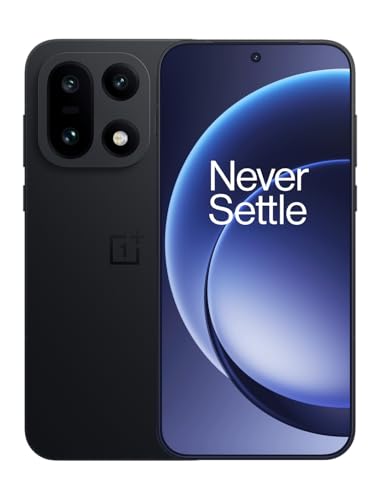
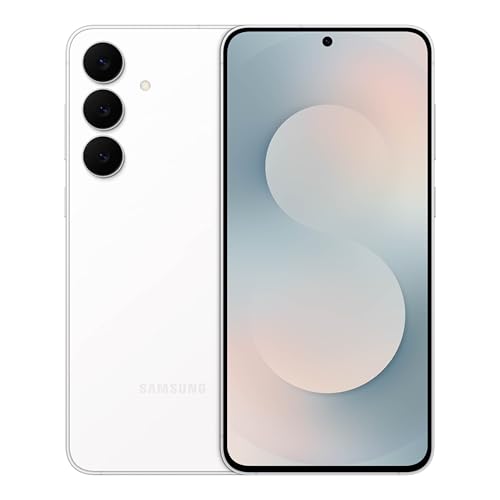


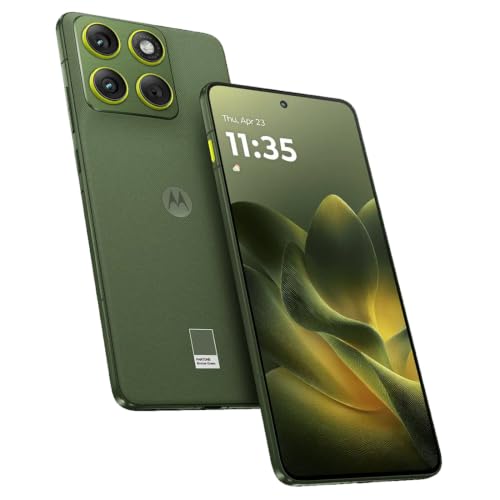


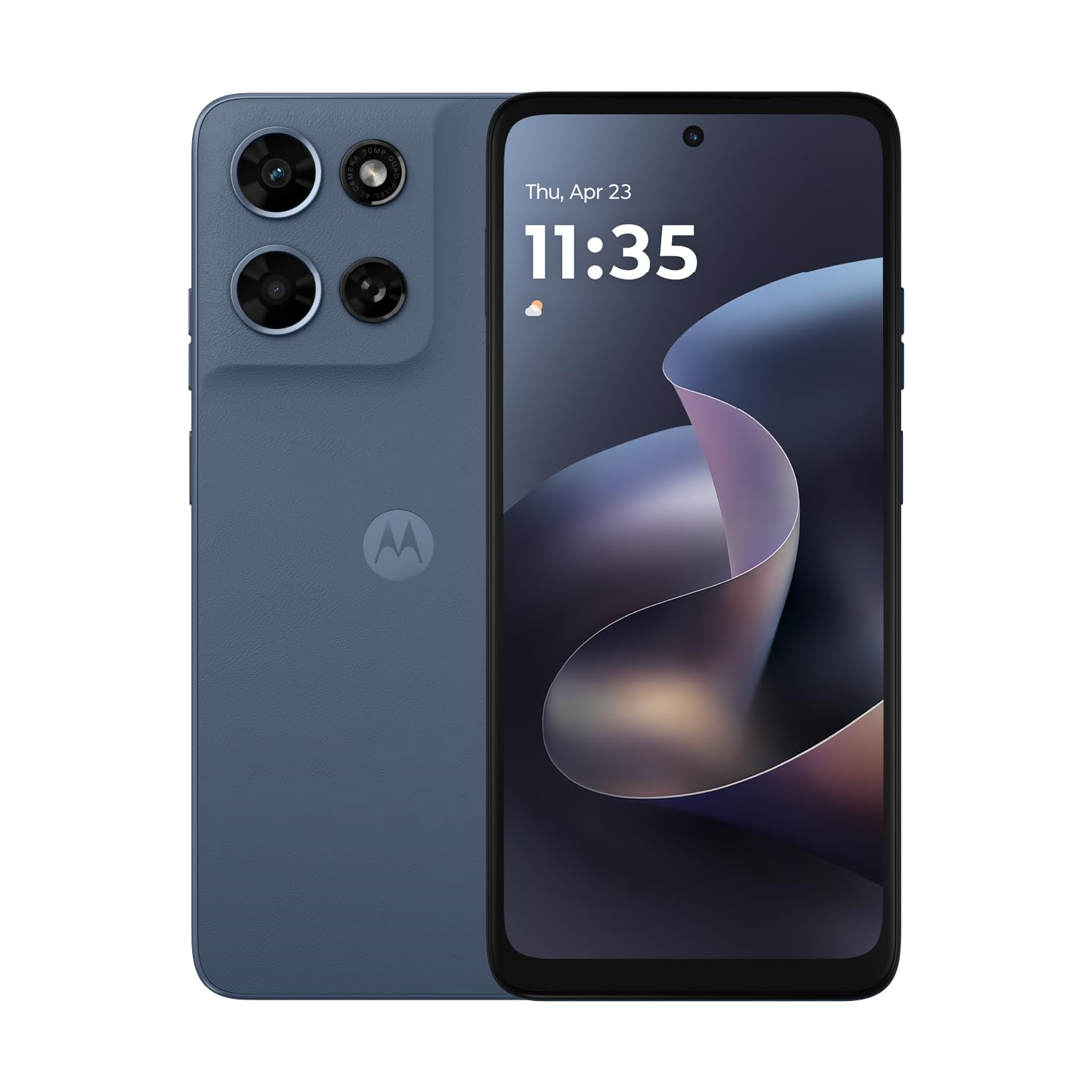
Types of the Best Android Phones Ever Made, Compared
Across Android history, four types keep earning lasting praise from owners. Mid range phones win on balance, budget phones win on price, camera focused phones win on photo quality, and compact phones win on comfort. Typical prices today run from under $200 for budget models to around $1000 for the most advanced camera and compact flagships. The sections below explain each type in plain terms.
Mid Range Phones
Mid range phones aim for the sweet spot where price and features meet, usually around $250 to $600. They typically offer OLED screens with a 120Hz refresh rate, capable main cameras with night mode, and batteries that last a full day. Owners praise them because daily use feels close to flagship phones for far less money.
The trade offs appear at the edges. Zoom cameras are rare, build materials may be plastic rather than metal and glass, and update windows can be shorter than the best flagship promises. Choose this type if you want a phone that feels modern for years without paying flagship prices, and check the update promise before you buy.
Budget Phones
Budget phones focus on the essentials at around $100 to $250, covering calls, messaging, browsing, streaming, and casual photos. The best of this type still offer large screens, big batteries around 5000 mAh, and clean software without heavy extra apps. They have earned lasting fans among students, parents buying a first phone for a teen, and anyone who treats a phone as a tool.
The limits are real but predictable. Cameras struggle in dim light, processors slow down with heavy games, and screens may use LCD panels with lower brightness. Update windows tend to be short, so plan on a shorter ownership span. Choose this type when price leads every other concern, and see our guide to the best inexpensive android phones for value focused criteria.
Camera Focused Phones
Camera focused phones put imaging first, with large sensors, optical stabilization, strong night mode processing, and often a true telephoto lens for zoom. They suit creators, parents who photograph kids and pets, and travelers who want one device instead of a separate camera. Prices usually start in the upper mid range and rise to flagship levels above $800.
The costs go beyond price. Large camera hardware can make the phone heavy, and advanced video modes fill storage quickly, so 256GB is a wise minimum for keen shooters. Battery life can also dip on days of heavy filming. Choose this type when photo and video quality will shape your memories for years, and budget for a protective case that guards the large camera area.
Compact Phones
Compact phones pair screens near 6.1 inches with fast processors, proving that a smaller body does not have to mean weak performance. They suit one hand use, smaller hands, runners and gym users who carry a phone in a pocket, and anyone who finds large phones tiring to hold. The best compact models keep OLED quality, water resistance, and wireless charging despite the smaller frame.
The main trade off is battery size, because a compact body holds a smaller cell and offers less room for cooling during long gaming sessions. Screen space for video and split screen multitasking is also tighter. Choose this type when comfort and pocket fit matter more than maximum screen area, and confirm battery ratings against your longest typical day away from a charger.
Mid Range Phones vs Budget Phones: Which Should You Choose?
On the screen, mid range phones usually win with OLED panels and higher refresh rates, while budget phones often use LCD panels that look fine indoors but dimmer outside. On performance, mid range chips handle games and multitasking smoothly, while budget chips focus on light apps and can pause under heavy loads. The camera gap shows most at night, where mid range night mode keeps detail that budget cameras lose.
On support, mid range phones tend to promise more years of updates, which stretches their useful life and improves value over time. On price, budget phones cost far less upfront, around $100 to $250 against around $250 to $600. Choose budget if your needs are light and your span is short. Choose mid range if you keep phones longer and want fewer daily frustrations. Our background guide to the best android phones ever adds historical context for how these types evolved.
How to Choose Between Android Phone Types
Camera System
Judge the camera by the main lens first, since it takes most of your photos. Look for optical stabilization, a large sensor, and a night mode with natural colors. An ultrawide lens helps with group shots and interiors, while telephoto zoom only matters if you often shoot distant subjects. For video, steady 4K recording and clear audio matter more than extreme resolution modes you will rarely use.
Processor and Everyday Performance
The processor and RAM decide how quick a phone feels after months of use, not just on day one. Choose a chip class that matches your heaviest task, such as gaming, video editing, or constant multitasking between work apps. Phones that feel smooth also manage heat well, so look for notes on sustained performance. Speed focused readers can compare criteria in our guide to the best performing android phones.
Carrier Compatibility and 5G
An unlocked phone gives you carrier freedom, but you must confirm it supports the 5G and 4G bands your carrier uses in the United States. Some imported models miss key bands and fall back to slow connections. Check WiFi calling and eSIM support if you rely on them. A phone with full band support will also hold value better if you switch carriers or travel.
Display Size and Quality
Pick size by comfort and use. Smaller screens suit one hand use and pockets, while larger screens suit video, reading, and games. OLED panels give the best contrast and are now common even in mid range phones. A 120Hz refresh rate makes motion feel smooth, and high peak brightness keeps maps and photos readable in sunlight. If you read in bed often, check that brightness drops low enough for comfort.
Battery Life and Charging Speed
Battery ratings around 4000 to 5000 mAh cover most modern phones, but your screen size and habits decide real endurance. Heavy 5G use, gaming, and bright outdoor use drain a charge fastest. Fast wired charging helps top up before you leave home, and wireless charging adds desk convenience. Avoid leaving a phone charging in extreme heat, and replace a worn battery or upgrade when a full day becomes a struggle.
How to Make an Android Phone Last Longer
Use a case and a screen protector matched to your phone type, since camera focused and compact glass designs still crack on hard floors. Keep software updated so security patches and battery improvements arrive on time. Avoid charging in extreme heat and try not to leave the battery at full or empty for long storage periods. Clear storage every few months, uninstall apps you no longer use, and restart the phone now and then to keep it responsive.
FAQs
Do I need 5G?
Yes, if you are buying now, 5G support is the sensible default because United States carriers continue to build their networks around it. Your phone will still fall back to 4G in weak coverage areas, so you lose nothing. What matters most is that the specific model supports your carrier bands, which is worth confirming on the carrier compatibility checker before you order.
Should I buy unlocked?
Yes, unlocked suits most buyers because it keeps carrier choice open, simplifies travel with local SIM or eSIM plans, and usually means fewer preinstalled carrier apps. The main caution is compatibility, so verify bands and features like WiFi calling. If a carrier deal saves real money and you plan to stay, a locked phone can still be fine once you understand its payoff terms.
How many years of updates should a phone get?
Aim for a phone with at least three years of security updates, and more for flagship priced models you plan to keep for four years or longer. Longer support is one reason certain phones are remembered fondly years later, since they stayed safe and usable. Always check the promise for the exact model, because support windows vary even within one brand family.
How much storage do I need?
For light use, 128GB covers apps, photos, and downloads with cloud backup helping along the way. Choose 256GB if you shoot video, travel offline with downloaded shows and maps, or keep large games installed. Camera focused phones fill space fastest, so keen photographers should treat extra storage as part of the camera budget rather than an optional extra.
Is a mid range phone good enough?
Yes, a mid range phone is good enough for most owners and is often the type people remember most fondly for value. It covers daily apps, streaming, and daylight photography with ease. You mainly give up strong zoom, the very fastest game settings, and some premium materials. If those extras are not weekly needs, the savings can go toward storage, a case, or a longer update window instead.
Our Verdict
The right type depends on your priorities: mid range for balance, budget for price, camera focused for imaging, and compact for comfort. Weigh the update window and battery alongside the headline features, and revisit the product table to compare current models by type. Chosen that way, your pick from the best android phones ever made styles will fit your life now and still make sense years from now.


