
Best Android Phones Ever: A Buying Guide for 2026
Disclosure: We may earn a commission when you buy through links on this page, at no extra cost to you. As an Amazon Associate I earn from qualifying purchases. Learn more

A clear buying guide to best android phones ever, comparing displays, battery life, updates, storage, and durability so you can choose with confidence.
Calling any phone one of the greats takes more than a fast chip or a pretty screen. The best android phones ever earn that label by staying quick, supported, and pleasant to use for years, not just for a launch season. This guide shows you how to judge current and classic models on the things that decide long term satisfaction, and the product table gives you a starting shortlist to measure against those standards.
Read the buying guide sections before the profiles. Knowing what matters to you makes every spec sheet easier to read.
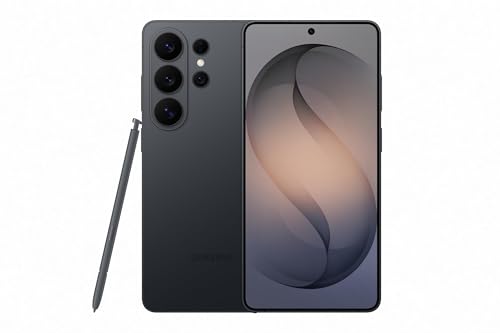

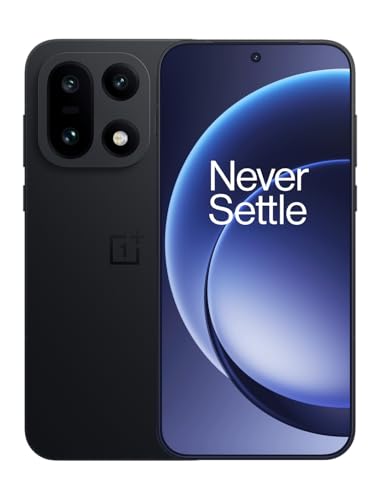

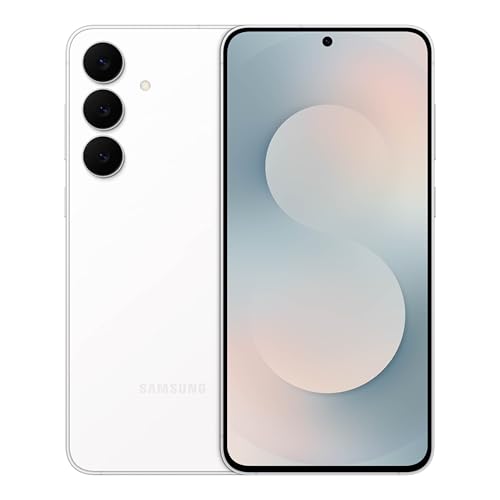
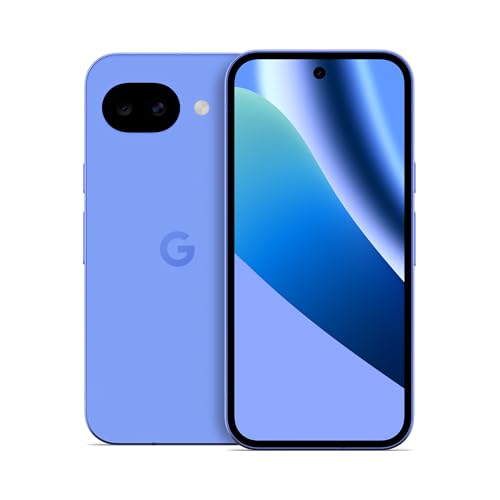
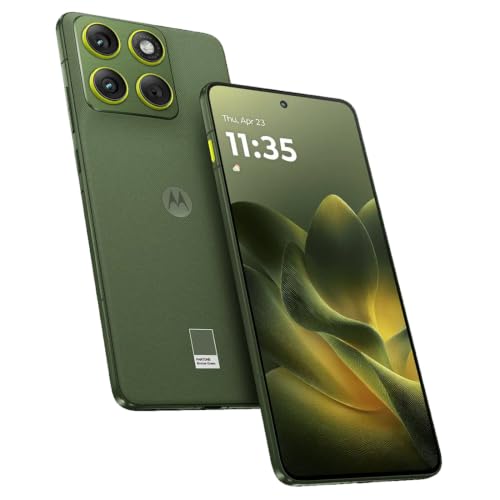
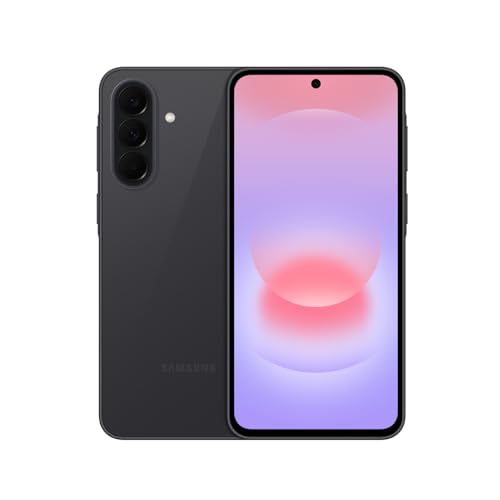

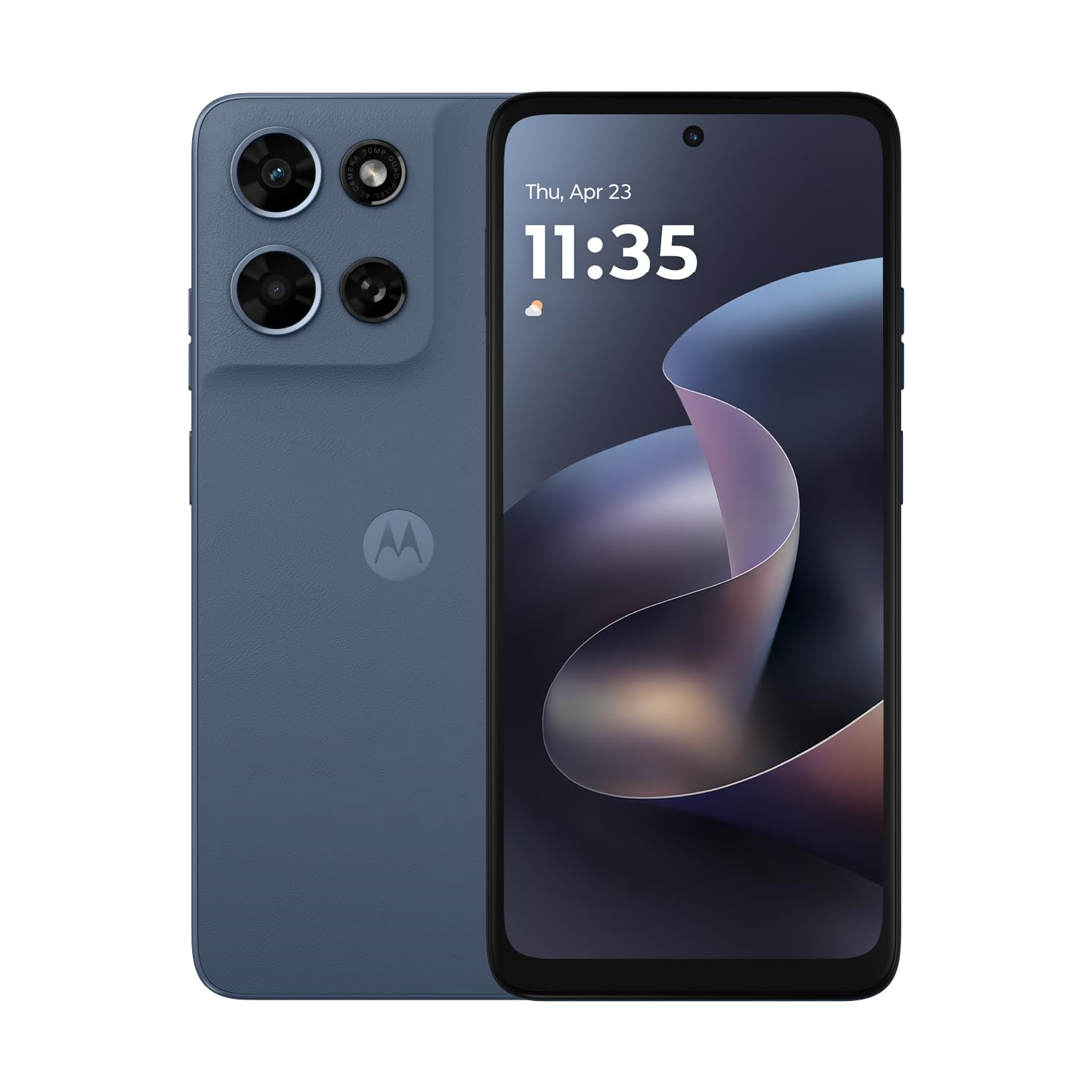
Three Profiles at a Glance
Rather than ranking named models that age out of stores, this section describes three profiles that define greatness in different ways. Match each one against the product table and your own habits.
The Balanced Overall Profile
The balanced overall profile is the phone that does nearly everything well for around $700 to $1,000. It pairs a bright OLED screen with a high refresh rate, a camera system that handles night scenes calmly, and a battery that ends a heavy day with charge to spare. Software support of five years or more is part of the deal at this level. The limit is price and size, since these phones are large and costly to repair. If you keep a phone for three or four years, this profile usually costs least per year of happy use.
The Value Profile
The value profile, around $350 to $550, keeps the core experience and trims the glamour. You still get an OLED display, a capable main camera, and fast charging, but ultrawide and zoom cameras are simpler and the frame may be plastic rather than metal. Update support of four years or so is realistic here. The limit shows up in low light photos and in gaming at the highest settings. For most people, this profile delivers about ninety percent of the flagship feel for about half the money.
The Beginner Friendly Profile
The beginner friendly profile values simplicity and support over raw power. Look for a clean software layout, clear setup guidance, a screen that stays readable outdoors, and a price around $200 to $350 so a first mistake is not costly. Long security update support matters here too, because a beginner is least likely to spot a risky app or link. The limit is headroom. Heavy games and large photo libraries will outgrow this tier faster, but as a calm and dependable start it is hard to beat.
How to Choose a Great Android Phone: Buying Guide
When people debate the best android phones ever they usually argue about cameras, but daily satisfaction comes from the whole package. Work through the six areas below in order, since display, battery, and updates affect every single day you own the phone.
Display Size and Quality
OLED panels give deep blacks, strong contrast, and better battery behavior with dark themes, and they are standard on any phone with greatness claims. A refresh rate of 120 Hz makes scrolling and animation feel smooth, and once you use it, 60 Hz feels choppy. Outdoor brightness matters more than resolution for most buyers, so look for high peak brightness figures if you read maps and messages in sun. Size is personal. Screens around 6.1 to 6.5 inches balance one hand use and media room, while larger panels suit video and games.
Battery Life and Charging Speed
Battery capacity in mAh is a clue, not a verdict, because screen size and chip efficiency shape real endurance. As a rule, around 4,500 to 5,000 mAh in a modern phone supports a full day for most users. Fast wired charging changes habits, since a short top up before leaving can add hours of use. Wireless charging is convenient on desks and nightstands but slower and warmer. Check whether a charger is included, because many brands now sell it separately, which adds to your true cost.
Build, Durability, and Water Resistance
An IP68 rating means the phone can handle dust and a dip in fresh water, and it is the standard to expect on flagships and many midrange models. Modern strengthened glass on the front and back resists drops and scratches better than older generations, but glass still breaks, so a case remains wise. Metal frames feel sturdier and dissipate heat well. If you work outdoors or around water, durability should outrank a slightly better camera. Readers on a tighter budget can compare these standards with our guide to the best inexpensive android phones that still hold up well.
Software Updates and Support Window
Long support is what separates a good phone from a lasting one. Count both major Android version updates and years of security patches, and favor makers that state the number plainly. Five to seven years of support is now the top standard, and it keeps banking apps, work tools, and safety fixes current. A phone that stops receiving patches becomes risky even if the hardware feels fine. When you compare a discounted older flagship with a newer midrange phone, the newer support window often wins.
Carrier Compatibility and 5G
In the United States, an unlocked phone that supports the main 5G bands of all three national carriers gives you freedom to switch plans and keep resale value. Check band support rather than assuming, since some imported models lack key bands and fall back to slow service. Also confirm WiFi calling and hotspot features work on your carrier. If you travel, dual SIM or eSIM support helps you add a local plan without losing your main number. Shoppers who want peak speed above all can also see our guide to the best performing android phones for heavy users.
Storage Options
For most buyers, 128 GB fills up within two years once photos, videos, and apps pile up, so 256 GB is the safer default if you keep a phone for a while. Video in high resolution eats space fastest of all. Some Android models still accept a microSD card, which is cheap insurance for media files, though apps usually stay on internal storage. Cloud backup helps, but it is not a substitute for local room when you record long clips offline. Buy storage for the phone you will own in year three, not just today.
Types of Android Phones
Camera Focused Phones
Camera focused phones invest in large sensors, strong night mode processing, and often a real zoom lens. They suit parents, travelers, and creators who print or post their photos. The trade off is price and sometimes size, since big camera hardware needs room. If your photos live only in chats and social feeds, a midrange main camera may already be enough, and the savings can go toward storage or a spare charger instead.
Mid Range Phones
Mid range phones balance price and features, and this is where competition is fiercest. Expect OLED screens, solid main cameras, and batteries that often beat flagships simply because the chips sip power. You give up the best zoom, the fastest chips, and sometimes wireless charging. For calls, maps, streaming, and everyday photos, a good midrange phone feels modern for years, which is why so many value picks come from this class.
Budget Phones
Budget phones cover the essentials at the lowest prices, usually under around $250. They handle calls, messages, browsing, and video fine, and battery life is often excellent. The compromises are slower chips, dimmer screens, basic cameras, and shorter update windows. For a backup phone, a teen first phone, or a light user, those trade offs are sensible. Just check the security update promise before buying, since a very short window is the one flaw that cannot be fixed later.
How to Make Your Android Phone Last Longer
- Use a case and screen protector, since one cracked screen can cost more than every accessory you skipped.
- Keep software updated, because patches close security holes and often fix battery and camera bugs.
- Avoid charging in extreme heat, and do not leave the phone on a sunny dashboard while it charges.
- Back up photos regularly to the cloud or a computer, so a lost phone does not mean lost memories.
- Leave some storage free, since a nearly full phone slows down and can fail during updates.
- Restart the phone every week or two, which clears small glitches before they pile up.
Small touches help too. Once your phone is set up, you can shape the home screen with our guide to the best widgets for android phones that surface the information you check most.
Frequently Asked Questions
How many years of updates should a phone get?
Aim for at least four years of security updates, and five to seven years if you plan to keep the phone a long time. Major Android version updates add features, but security patches protect your accounts and data, so they matter more. Makers now state support windows in product listings, so treat a missing promise as a warning sign. A long window also lifts resale and hand me down value.
How much storage do I need?
Most people should start at 256 GB if the price gap is modest, especially if they shoot video or keep large game and photo libraries. Light users who stream everything and clear photos to the cloud can live with 128 GB. Check your current phone usage in settings and add room for growth, since apps and camera files grow every year. A model with a microSD slot can soften a smaller choice.
Do I need 5G?
Yes, 5G is worth having on any phone you buy now, because carriers keep shifting capacity toward 5G networks. It will not transform every moment, since coverage and congestion vary by place, but it future proofs the phone for a long ownership run. Make sure the model supports your carrier bands, not just 5G in name. If you live in a rural area with weak 5G, strong LTE support still matters as a fallback.
Should I buy unlocked?
Buying unlocked is the safer default for most people. It lets you change carriers, use local SIM or eSIM options when traveling, and avoid carrier bloat and payment lock in. Carrier deals can still make sense if the discount is large and you plan to stay, but read the payoff terms first. Whatever you choose, confirm the exact model works fully on your network before the return window closes.
Is a mid range phone good enough?
For most daily tasks, yes, a mid range phone is genuinely good enough. Calls, maps, streaming, photos in decent light, and social apps all run smoothly on modern midrange chips. You give up elite zoom cameras, the fastest gaming performance, and some premium materials. If those are not central to your life, the money saved can cover storage upgrades, accessories, and a longer run before your next purchase.
Final Thoughts
Greatness in a phone means a bright and smooth display, a battery that respects your day, and updates that keep it safe for years. Weigh those three first, then cameras and extras. Compare your finalists with the product table, and the best android phones ever debate gets simple, because the right choice is the one that still serves you well in year three.


