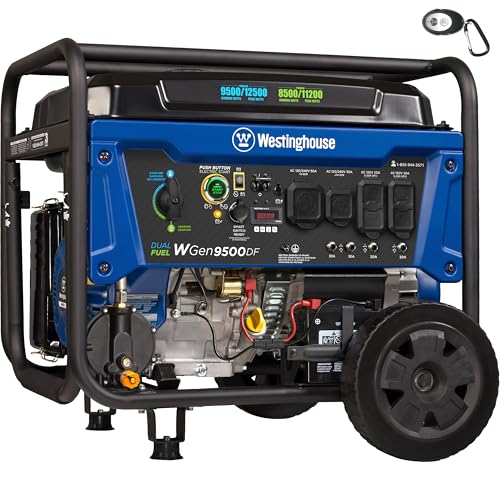
Best And Worst Inverter Generators: Budget, Midrange, and Premium Choices for 2026
Disclosure: We may earn a commission when you buy through links on this page, at no extra cost to you. As an Amazon Associate I earn from qualifying purchases. Learn more

Use this guide to the best and worst inverter generators to compare watts, noise, fuel, safety features, and long term ownership costs by budget tier.
Prices for inverter generators stretch from a few hundred dollars to several thousand, and the gap is not just about power. A small unit can keep a fridge cold and phones charged, while a large one can support well pumps and window air conditioners through a long outage. Sorting the best and worst inverter generators starts with knowing where extra money actually helps and where it only adds weight and cost.
This guide walks through each price tier, the features that matter most, and the safety points you should never skip. Use the comparison table below to line up wattage and fuel options side by side once you know your load.



Choosing by Budget Instead of Chasing a Label
Budget Tier: What a Good Low Cost Choice Looks Like
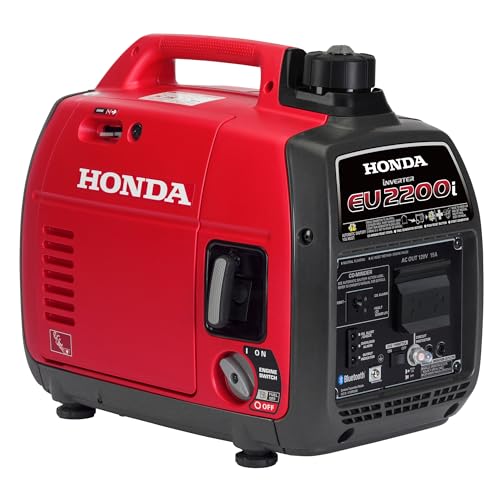
A sound budget choice usually gives you about 2000 to 2500 running watts, one or two standard outlets, and a simple pull start. That is enough for a refrigerator, a few lights, a router, and phone charging during a short outage. Expect a smaller fuel tank, a shorter run time at half load, and fewer outlets. The main compromise is surge room, so you will need to start large appliances one at a time and avoid running a microwave and a space heater together.
Midrange Tier: What Most Households Should Aim For
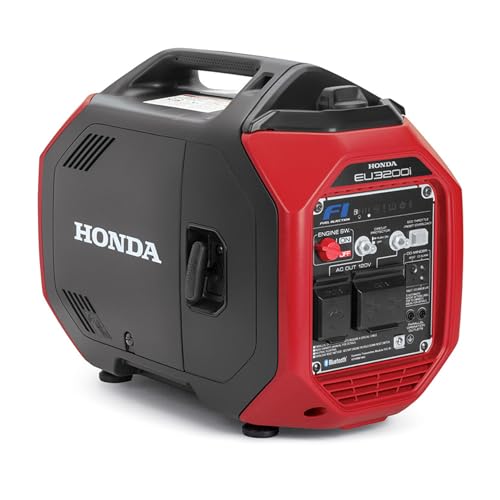
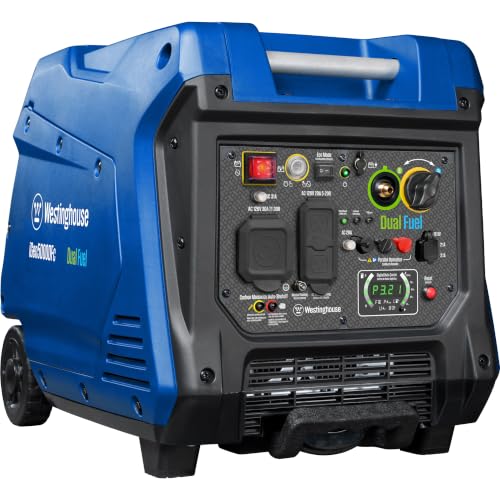
Midrange models often land around 3000 to 4500 running watts and add electric start, a larger tank, and more outlet types, including a 30 amp RV style outlet on some units. Many also add a CO shutoff sensor and a clearer display that shows run time remaining and load level. This tier suits most homes because it can handle a fridge, a sump pump, lights, and a small window air conditioner with careful staggering. Weight rises, so look for sturdy wheels and a folding handle.
Premium Tier: When the Extra Spend Makes Sense
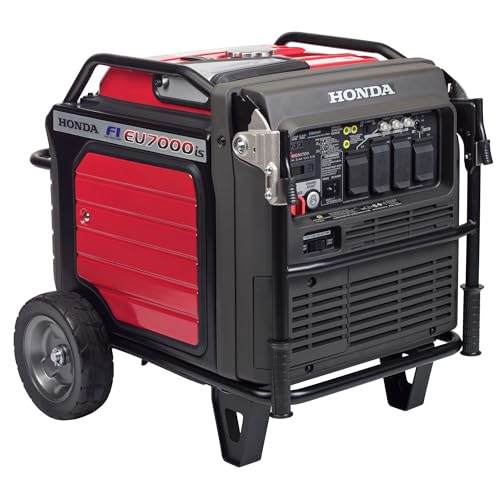
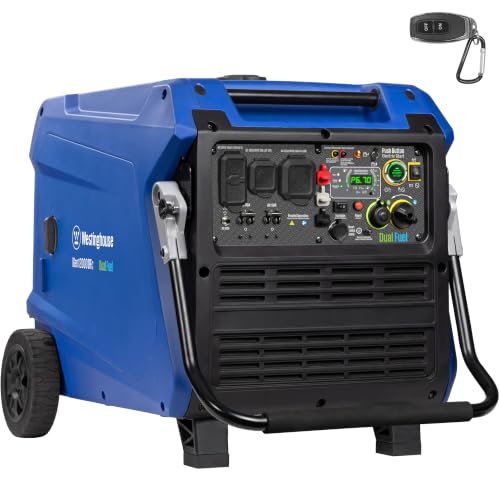
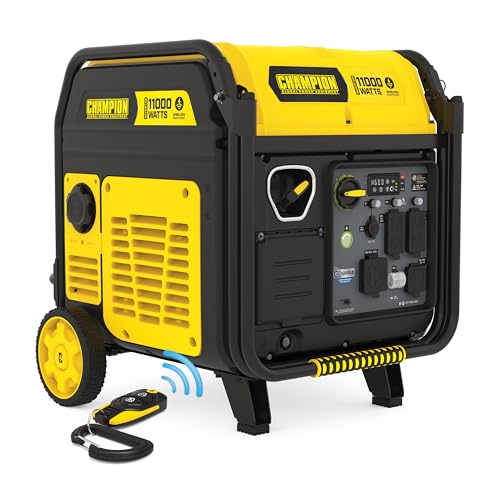
Premium units push toward 6000 running watts or more, support parallel connection on some designs, and may offer remote start and dual fuel operation. The payoff is real if you need to run a well pump, a larger air conditioner, or medical equipment that needs clean power for many hours. You also tend to get quieter operation at a given load and longer warranty support. If your outage load is small, though, a premium unit mostly adds purchase cost, fuel use, and storage bulk you will never use.
What Your Money Gets You at Each Price Tier
Budget Tier: What to Expect
At around $400 to $700, expect gasoline only operation, basic outlets, and noise that is acceptable in a yard but noticeable at a campsite. Build quality varies the most here, so a clear warranty, available parts, and a readable manual matter more than a long feature list. Units in this range work best as backup for essentials or for tailgating and light job site use. Check the weight closely, because a unit near 100 lb is not truly portable for one person.
Midrange Tier: The Sweet Spot for Most Buyers
At about $700 to $1200, you usually gain electric start, better fuel economy at partial load, and a CO shutoff feature that has become an important safety baseline. Noise often drops, and many models hold voltage steadier under changing loads, which protects electronics. If you want a broader view of how this tier compares across brands, see our guide to the best rated inverter generators for context on common ratings. For most outage plans, this is where value and capability meet.
Premium Tier: When Spending More Pays Off
Above about $1200, and often well above it for large models, you pay for capacity, quiet design, and convenience rather than basic function. Shoppers comparing bigger home backup options can also read about best large inverter generators to see how capacity changes outlet and transfer switch needs. Dual fuel, remote start, and app monitoring appear more often here. The trade off is size and upkeep, since a large unit needs more storage space, more oil capacity, and a firmer plan for moving it safely.
Features Worth Paying For and Ones to Skip
Fuel Type
Gasoline gives the most power from a given engine and is easy to find, but stored fuel goes stale and needs stabilizer and rotation. Propane stores for years and burns cleaner, though it usually delivers slightly fewer watts and needs a tank connection. Dual fuel models let you switch, which helps during long outages when one fuel runs low. Natural gas suits fixed home standby systems rather than portable units, and solar power stations are silent but limited by battery capacity and recharge speed.
Noise Level
Noise is rated in decibels, often at a set distance and partial load, so compare ratings measured the same way. A difference of a few decibels is noticeable, and a quieter unit matters a lot in dense neighborhoods and at campgrounds with quiet hours. If low sound is your top priority, our overview of best quiet inverter generators explains how enclosure design and eco mode affect sound. Remember that noise climbs as load climbs, so a rating at quarter load will sound better than real use with a pump running.
Generator Type
A portable inverter generator produces clean power with low total harmonic distortion, often called THD, which is safer for laptops, phones, and modern appliance controls. A conventional portable generator costs less per watt but produces rougher power and more noise. A home standby generator starts on its own and connects through a transfer switch, but it needs professional installation. Solar power stations store energy rather than make it on demand, so they suit short, quiet indoor use for small loads rather than whole home backup.
Wattage: Running Watts and Starting Watts
Running watts are what a generator can supply continuously, while starting watts cover the brief surge when a motor starts. Add the running watts of everything you plan to run at once, then make sure the largest motor surge fits within the starting watts rating. A refrigerator might run at about 150 watts but surge far higher at startup, a sump pump can need 800 to 1300 running watts, and a window air conditioner can need 1000 watts or more. Leave at least 20 percent headroom so the engine is not straining at full load for hours.
Long Term Costs to Factor In
The purchase price is only part of ownership. Budget for oil changes, air filters, spark plugs, fuel stabilizer, a heavy duty outdoor extension cord rated for your load, and a cover for storage. Propane users need tanks and periodic inspection, and anyone planning a transfer switch needs an electrician and permits in many areas. Warranty length and local service access also affect true cost, because shipping a heavy generator for repair can erase any savings from a cheap purchase. Run the unit under load for a short period each month so it starts reliably when you need it.
FAQs
Can a generator run a refrigerator?
Yes, most inverter generators with at least 2000 starting watts can run a standard refrigerator. The fridge cycles on and off, so its average draw stays modest, but the startup surge is the hurdle. Keep the fridge door closed during an outage to stretch cold time, and start the fridge before adding other loads. If the compressor and a microwave start at the same moment, a small unit may trip, so stagger them.
What size generator do I need to power a house?
It depends on what you count as powering the house. Running only essentials such as a fridge, lights, a router, and a pump often fits within 3000 to 5000 running watts. Adding central air conditioning, an electric water heater, or an electric range can push needs past 8000 watts and into standby territory. List each appliance, note its running and starting watts from its label, and size for the largest realistic combination rather than for every device at once.
Inverter or conventional: which is better?
An inverter model is better for electronics, fuel economy at partial load, and quiet operation. A conventional model can make sense for rough job site tools where clean power matters less and cost per watt matters more. Inverters adjust engine speed to load, which saves fuel during light use, while conventional units run at a fixed speed. For home backup that includes phones, laptops, or a modern furnace control board, the cleaner output of an inverter is the safer default.
How long can an inverter generator run continuously?
Many portable units run about 8 to 18 hours on a tank at partial load, but continuous use still needs breaks for oil checks and refueling with the engine cool and off. Check the manual for duty limits, since some models need a cool down period after long runs. Never refuel a hot generator, and keep spare oil on hand because small engines can consume oil during extended outages. Propane setups can run longer if you swap tanks safely.
Do I need a transfer switch?
A transfer switch is the safe way to power hardwired circuits such as a furnace or well pump, and it prevents dangerous backfeeding into utility lines. If you only run a few plug in appliances with rated extension cords, you can manage without one. Never connect a generator to a wall outlet to feed your home wiring. Have a licensed electrician size and install the switch, the inlet box, and the correct breaker arrangement for your panel.
Our Verdict
Start with your real load list, then choose the smallest tier that covers it with headroom, a CO shutoff sensor, and run time that matches your likely outage length. Noise and fuel choice matter next, especially if you camp or live close to neighbors, and travelers may also want to compare best inverter generators for rv before deciding. When you weigh the best and worst inverter generators this way, the product table above becomes a quick check rather than a guess. Always run any generator outdoors, far from windows and doors, because carbon monoxide can build up fast and cannot be seen or smelled.