Best and Lightest Laptops 2026: A Practical Guide
Disclosure: We may earn a commission when you buy through links on this page, at no extra cost to you. As an Amazon Associate I earn from qualifying purchases. Learn more

Thin and light laptops trade ports, power and battery life in different ways. Learn what a low weight really costs and what to check first today.
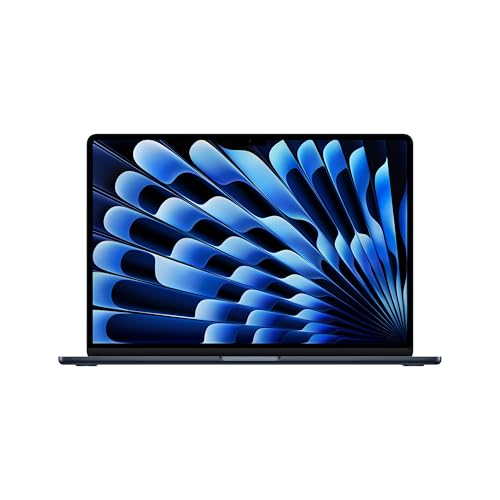
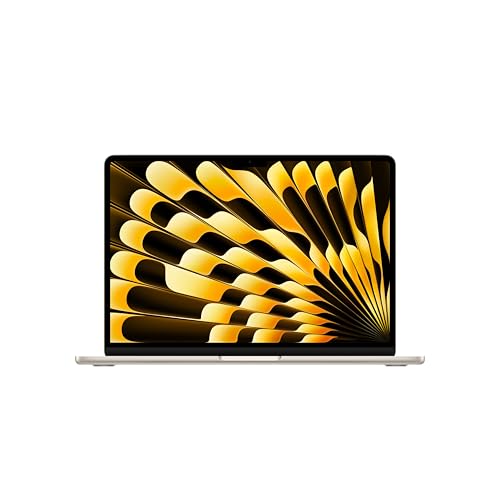
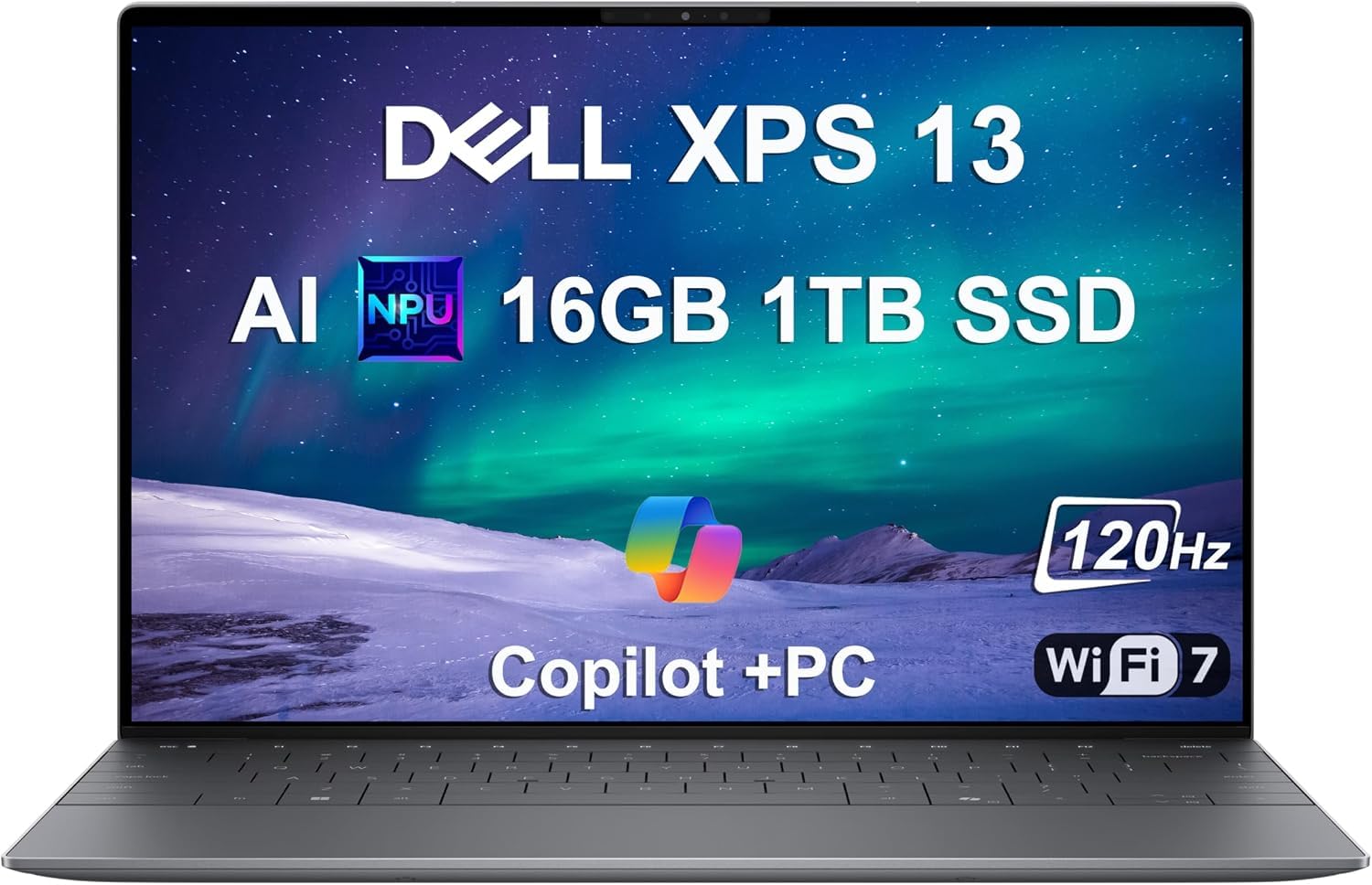
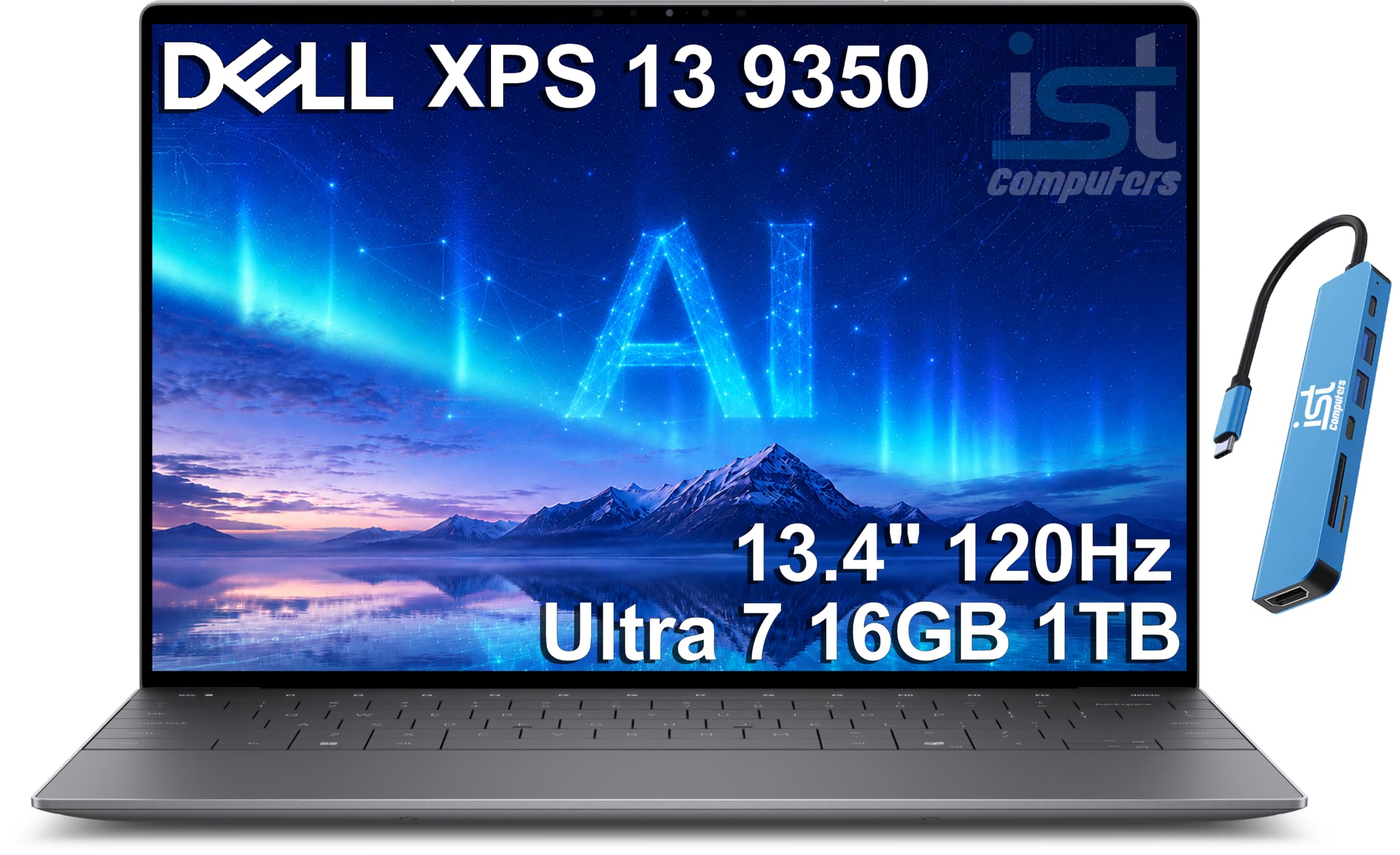
A laptop you carry every day should feel light in the bag and comfortable on the lap, but the lightest models often give up ports, battery life, or power. The best and lightest laptops balance those trade offs differently, so the right choice depends on how you work, travel, and charge during the day. The product table above compares weight, battery, and screen size so you can see where each model gives something up.
This guide explains the features that matter most for a light laptop, who benefits from one, and the mistakes that turn a featherweight into a daily frustration.




What Light Really Means for a Laptop
Stated weight can mislead, since it may exclude the charger, and a thin laptop can still feel heavy if it is poorly balanced. Think about total carry weight including charger and sleeve, and about how the laptop feels after an hour of typing. A laptop under about 2.5 pounds feels very light, while models near 3.5 pounds still travel well for most people. A slightly heavier model with a better keyboard and longer battery often serves travelers better than the absolute lightest option.
Key Features to Compare in the Best and Lightest Laptops
Weight, Size, and Carry Comfort
Screen size affects bag fit and lap comfort as much as weight. A compact 13 inch model suits frequent flyers and fits small bags, while a 14 inch model offers more screen room with only a small weight penalty. Check dimensions as well as weight, and remember that a bigger screen makes a bigger charger and case.
Battery Life in Real Use
Battery claims usually reflect light use, such as video playback at low brightness, rather than a full day of browsing, video calls, and documents. Look at battery size in watt hours alongside the claimed hours, and expect real use to land noticeably lower. Fast charging helps when you can top up between meetings. If you work away from outlets, choose a larger battery over a slightly lighter body.
Performance for Everyday Work
Most thin and light laptops handle browsing, documents, email, and video calls easily, but heavy photo editing, large spreadsheets, and 3D work need stronger processors and more memory. Aim for 16 GB of memory if you multitask, since 8 GB can feel tight with many tabs and apps open. Storage should be a fast solid state drive.
Keyboard, Trackpad, and Screen
A light laptop is only useful if typing feels good for hours. Key travel, layout, and backlighting matter, especially for writers and students. The trackpad should feel smooth and accurate, and the screen should stay readable in bright rooms. Very high resolution screens can drain the battery faster, and matte screens reduce glare near windows.
Ports, Connectivity, and Docking
Thin designs often cut ports and leave only a few USB C connections. Count the ports you use daily, including headphones, monitors, and USB accessories, and decide whether you need a dongle or dock. Look for current WiFi standards and reliable Bluetooth. A laptop that needs a bag full of adapters is not truly light.
Build Quality and Repairability
Light laptops use magnesium, aluminum, or carbon fiber to cut weight without feeling flimsy. Check hinge strength, lid flex, and keyboard deck firmness. Sealed batteries and soldered memory limit upgrades, so ask how battery replacement and warranty service work if you travel often.
Who Should Buy a Light Laptop
Students, commuters, frequent travelers, and office workers who move between desks gain the most from a light laptop. Writers and presenters who value portability over raw power also do well. Gamers, video editors, and engineers who need sustained performance and large screens are better served by a heavier, better cooled machine, and anyone whose laptop rarely leaves a desk usually gets better value from a larger model.
Mistakes to Avoid
- Judging weight without the charger, case, and adapters you carry daily.
- Choosing the lightest model and finding the battery falls short of a workday.
- Buying too little memory for multitasking, then facing slowdowns within a year.
- Ignoring port needs and living with a tangle of dongles.
- Skipping a keyboard check and regretting a shallow or cramped layout.
Care and Upkeep Over Time
Keep the laptop in a padded sleeve and avoid overstuffing the bag, which strains hinges and corners. Use the supplied charger when possible, and avoid leaving the battery at zero for long periods. Clean the screen and keyboard gently, update software regularly, and back up work often, since a portable laptop faces more drops, spills, and theft risk than a desk machine.
Related Buying Guides
Students can compare campus friendly models in our guide to the best laptops for college, and compact everyday models are covered in the best notebook laptops guide. If price decides first, see the best reasonable laptops and the best economical laptops. Timing a purchase around sales is covered in the best time to purchase laptops.
Frequently Asked Questions
How light is light enough for daily travel?
For most travelers, a laptop between about 2.5 and 3.5 pounds plus charger feels comfortable in a backpack all day. Below that range the gains feel small unless you walk long distances or fly often. Weigh the whole bag, not just the laptop, before deciding.
Does a lighter laptop mean a weaker laptop?
Not always, but lightness often involves trade offs in cooling, ports, or battery size. Many modern light laptops handle everyday work well, while heavy sustained tasks still favor larger, better cooled designs. Match processor and memory to your workload rather than assuming weight predicts speed.
How important is battery size versus claimed hours?
Battery size in watt hours is a useful comparison point, but real life depends on screen brightness, apps, and connectivity. Claimed hours often assume light use, so treat them as a best case. Fast charging support helps if you cannot always reach an outlet.
Should I buy more memory now or upgrade later?
Buy the memory you need now if it is soldered and cannot be upgraded. Many thin models seal memory in place, so a short term saving can become a long term limit. If the model allows upgrades, you can start smaller, but confirm access before relying on that plan.
Are thin laptops durable enough for travel?
Well built thin laptops survive normal travel, but they are more vulnerable to drops and pressure than thicker designs. A padded sleeve, careful packing, and a sturdy hinge help a lot. Avoid placing heavy books on top of the laptop in a bag, and keep liquids in a separate compartment.
Final Thoughts
Carry weight, battery life, and keyboard comfort matter more than a headline weight figure. Use the product table above to shortlist models, then check the keyboard feel and total bag weight before you buy. The best and lightest laptops are the ones that disappear into your day and never get in the way of your work.