Best American Made Hot Tubs Made Simple: A Clear Buying Guide for 2026
Disclosure: We may earn a commission when you buy through links on this page, at no extra cost to you. As an Amazon Associate I earn from qualifying purchases. Learn more

Shopping for the best american made hot tubs for the first time? Learn the terms, compare options, and avoid rookie mistakes with this easy guide.
Buying your first hot tub should feel exciting, yet the spec sheets read like a foreign language of jets, pumps, gallons, and shell materials. Add delivery, electrical work, and a base to prepare, and many first time buyers stall or overspend on features they never use. This guide explains the best american made hot tubs in plain language, starting with the basics and ending with a confident shortlist.
You will learn what each key spec means, what level to choose, and which rookie mistakes quietly drain wallets. Keep a tape measure and your electrical panel details nearby as you read. Start with the comparison table below to see how sizes and price tiers compare.



American Made Hot Tubs 101: The Basics
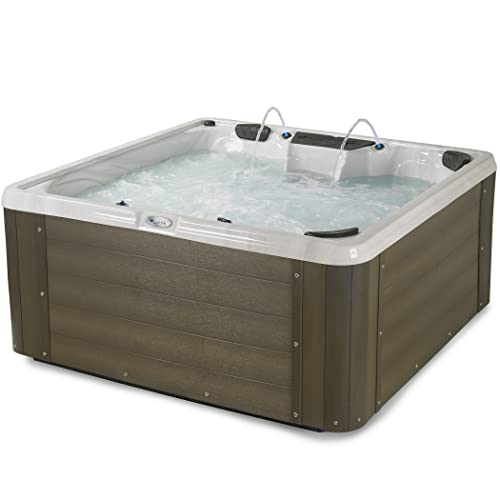
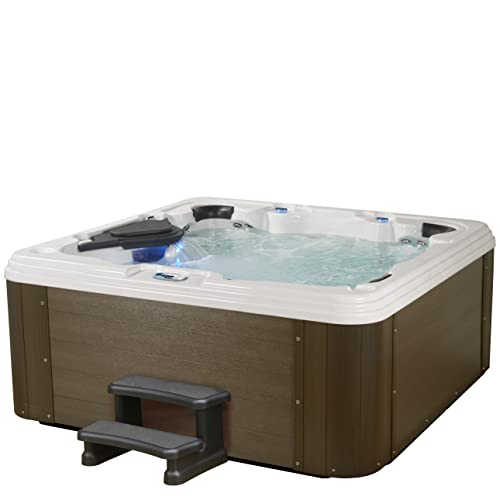
A hot tub is an insulated, self contained tub with heated, filtered water and powered jets that massage you as you soak. A pump moves water through a filter and heater, then out through jets set into the shell, while a control panel lets you set temperature and jet strength. Most home models hold about 200 to 500 gallons and seat two to seven adults, depending on size and layout.
Two terms matter early. A plug and play model runs on a standard 110 volt outlet and suits renters and small decks, though its heater works more slowly. A 220 volt model needs a dedicated circuit installed by an electrician but heats faster and runs jets and heat at full power together. American made in this category generally means the tub was designed and assembled in the United States, which often helps with parts access and dealer support later. If you are comparing domestic options broadly, our guide to the best made hot tubs covers build standards in more depth.
Key Specs Explained in Plain English
Each spec below is translated into what it means for your evenings, your bills, and your upkeep routine. Note the level that fits you, and shopping becomes a process of elimination rather than guesswork.
Intended Use and Who It Is For
Start with your honest main use, because it drives size and jet layout. Couples soaking to unwind do well with a compact two or three seat model with one lounger. Families need open bench seating, a cool down seat for kids, and durable steps. Athletes and people with sore backs benefit from deeper seats and targeted jets along the spine and legs. Entertainers should count realistic guests, not holiday maximums, since an oversized tub costs more to heat every single day.
Safety and Certifications
Safety is not a feature tier, it is a requirement. Look for electrical certification from a recognized testing lab and a locking, insulated cover that meets safety standards, and always supervise children in and around the tub. Keep water at or below 104 degrees Fahrenheit, and limit soaks to about 15 to 30 minutes, especially for new users. Pregnant people, young children, and anyone with heart conditions or low blood pressure should talk with a doctor before soaking, since hot water stresses the body. A licensed electrician should handle any 220 volt hookup and ground fault protection.
Key Performance Specs
Jet count alone tells you little, because one strong jet beats three weak ones. What matters is pump power matched to jet number, plus jet variety for massage, swirl, and directional pressure. Check gallons and dry weight together, since a filled four person tub can weigh over 3,000 lb and needs a proper base. Heater size, usually about 4 to 5.5 kW on 220 volt models, decides how well the tub holds temperature on cold nights with the cover open. Finally, confirm the temperature range and how clearly the controls work with wet hands.
Build Quality and Materials
The shell is usually acrylic backed with fiberglass or a composite layer, and a thicker, well supported shell resists cracking and flex. Ask what supports the shell, since full foam insulation or a sturdy frame both work when done well, while thin shells on weak frames age poorly. The cabinet should resist moisture and sun, with panels you can remove for service access. Stainless or quality composite jet fittings outlast cheap plated parts in treated water. A tight fitting, tapered cover with a strong vapor seal protects both safety and your heating bill.
Warranty and Customer Support
Read warranties by part, not by the biggest number on the brochure. Shell structure coverage often runs five to ten years, shell surface two to five, and pumps, heaters, and controls one to three. Ask who performs service in your area and how fast parts ship, since a generous warranty with no local technician still leaves you waiting. American assembly can shorten parts delays, but the dealer network matters just as much. Keep your purchase records and register the tub promptly so claims go smoothly.
Price vs Value
Budget models, often under $5,000, cover plug and play tubs with simpler jets and thinner insulation, fine for light use in mild climates. Mid range options, about $5,000 to $10,000, add 220 volt power, better insulation, stronger pumps, and longer warranties, and they suit most first time buyers best. Premium tubs above $10,000 bring refined hydrotherapy seating, advanced filtration, and quieter operation. Judge value by cost per year of expected use, including electricity and chemicals, not by sticker price alone. Neighboring market shoppers sometimes compare our guide to the best canadian made hot tubs for climate and insulation notes.
Rookie Mistakes to Avoid
Most first purchase regrets come from site and sizing errors, not from the tub itself. Check this list before you pay a deposit.
- Skipping the base plan, then discovering your deck cannot carry a filled tub that weighs several thousand pounds.
- Forgetting delivery access, so the tub cannot pass a gate, turn a corner, or clear a fence on arrival day.
- Buying by jet count alone and ending up with weak, noisy jets and a large electricity bill.
- Ignoring running costs, including power, chemicals, filters, and a replacement cover every few years.
- Choosing lounge seating for everyone, then finding guests prefer upright seats for conversation.
Shoppers drawn to a famous name should also read our guide to the best jacuzzi hot tubs to separate brand history from the specs you are actually paying for.
Getting Started: Setup and First Use
Once delivery is booked, prepare the site first: a level concrete pad or reinforced deck, a clear delivery path, and your electrician scheduled if you chose 220 volt service. When the tub arrives, place it, fill it with a garden hose through the filter compartment to reduce air locks, and add the start up chemicals exactly as the manual directs. Read the manual before first use, especially the sections on water balance and filter cycles. Clean and inspect regularly from week one, testing water two or three times a week until the routine feels automatic. Know how tip: photograph your control settings and chemical doses in a simple log for the first month, and patterns in water clarity become easy to spot.
Frequently Asked Questions
How much should I spend on an american made hot tub?
Most first time buyers do well in the mid range, about $5,000 to $10,000, where insulation, pump quality, and warranties improve sharply. Spend less only for light seasonal use, and budget extra for electrical work, a base, steps, and a cover lifter. A useful check is cost per soak: a tub used three times a week for ten years costs far less per use than a premium tub used monthly.
How do I maintain an american made hot tub?
Maintenance takes about fifteen minutes a week once you learn the routine. Test and balance the water, rinse the filter every few weeks, and wipe the waterline before buildup hardens. Drain and refill every three to four months, since dissolved solids accumulate even in clear water. Keep the cover clean and latched, and shock the water after heavy use parties so sanitizer can recover before the next soak.
Are expensive american made hot tubs worth it?
Expensive models are worth it when you will soak often, live in a cold climate, or want targeted hydrotherapy and quiet operation. You pay for insulation that cuts bills, pumps that last, and seating shaped by real ergonomic design. They are not worth it for occasional use, where a mid range tub delivers the same warm water and most of the comfort for far less money.
How long does an american made hot tub last?
A quality tub typically lasts ten to fifteen years, and the shell can serve longer with good water care. Pumps and heaters often need service or replacement around years seven to ten, and covers usually last three to five years. Balanced water is the single biggest lifespan factor, because poorly kept water corrodes heaters, seals, and jet fittings from the inside.
What features matter most when buying american made hot tubs?
Insulation, pump and jet balance, and shell support matter most, because they decide comfort, bills, and lifespan every day. After those, prioritize a quality locking cover, simple controls, and a dealer who services your area. Lighting packages and waterfalls are pleasant extras, but they should never outrank the fundamentals. If you want a sense of how models stack up nationally, our guide to the best ranked hot tubs explains common scoring factors.
Final Thoughts
For your first tub, decide the electrical setup and seating layout first, then insist on solid insulation and a warranty backed by local service. Those choices shape your bills and your comfort far more than jet counts or lighting. Talk with your doctor about soaking if you have any health condition, then compare your shortlist in the product table above and choose among the best american made hot tubs with clear eyes.