Best Amendments for Raised Beds for 2026: Types Compared and How to Choose
Disclosure: We may earn a commission when you buy through links on this page, at no extra cost to you. As an Amazon Associate I earn from qualifying purchases. Learn more

Compare the best amendments for raised beds by type, from compost to mineral options, and learn how to match pH, drainage and coverage to your beds.
Walk into any garden center and you will face bags of compost, coir, castings, biochar and minerals, all promising better soil. The best amendments for raised beds are the ones that fix the actual problem in your bed, whether that is weak drainage, tired soil or the wrong pH. This guide compares each type by job, so you can use the comparison table below well.
Start by naming what your bed needs most. Soil that slumps and dries out needs organic matter, soil that stays soggy needs structure, and soil that grows poorly despite feeding may need its pH checked first.
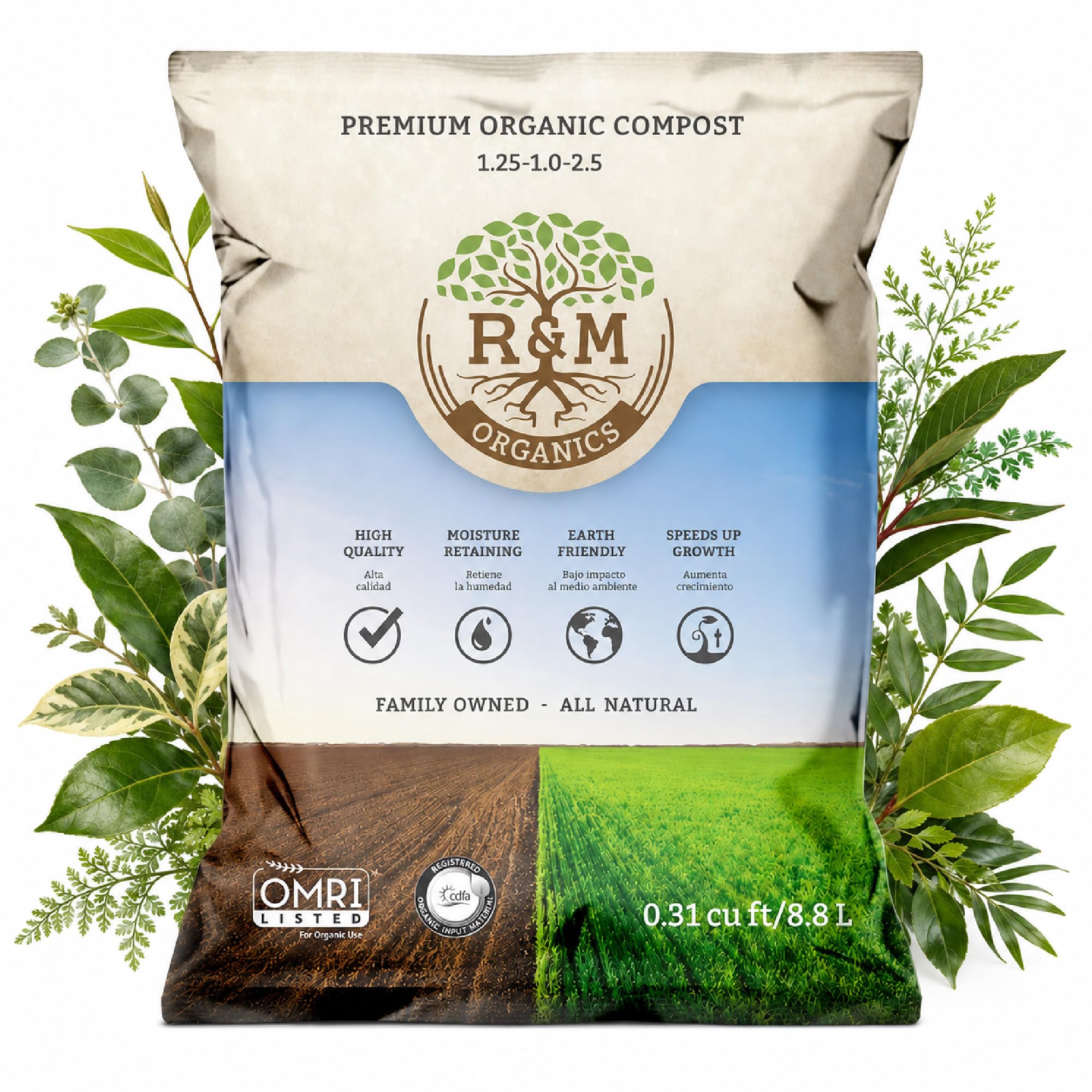
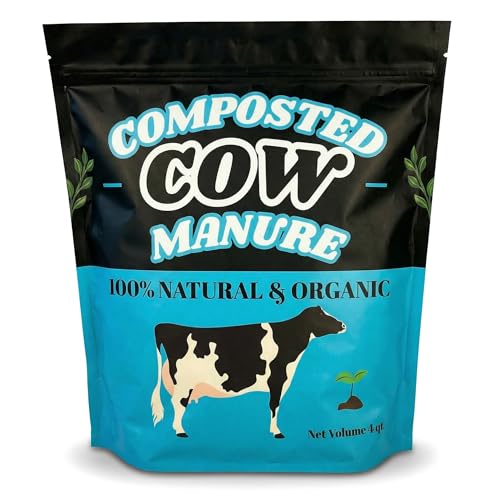

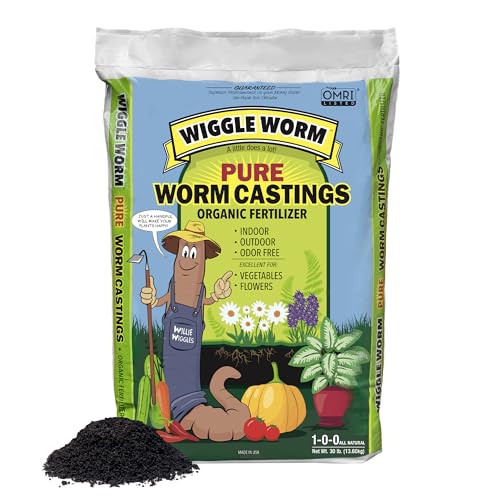


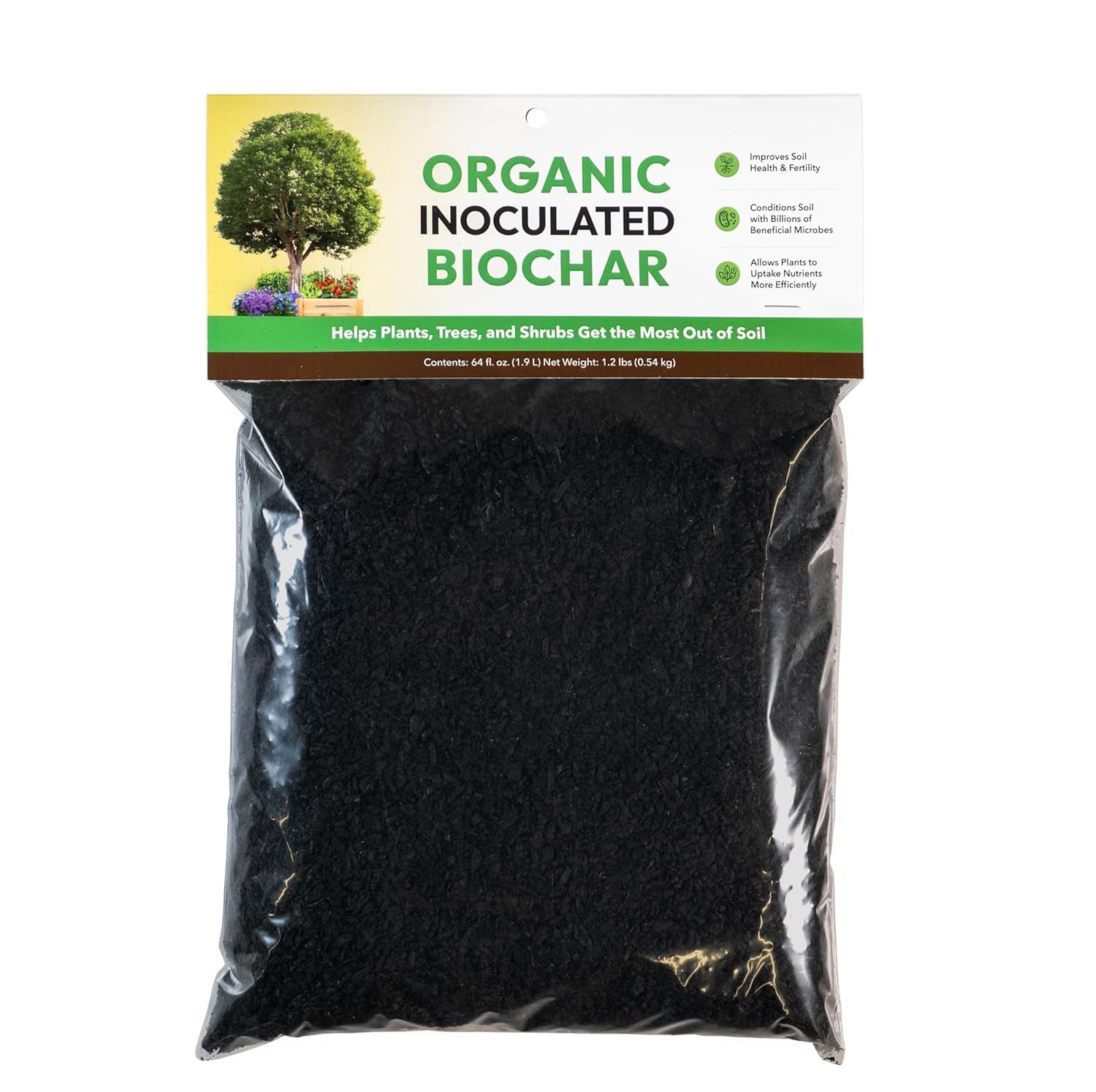


Types of Amendments for Raised Beds Compared
Amendments fall into three broad groups, and most beds do best with one main choice plus a smaller supporting choice. An amendment is worked into soil you already have, so it is not the base fill itself. If you are starting with an empty frame, see our guide to the best dirt for raised beds first, then use this guide to improve that fill. If your bed is already filled, see our guide to the best soil amendments for raised beds for soil focused options.
Standard Options: Compost and Aged Manure
Compost and aged manure are the workhorse choices for most raised beds. They add organic matter, feed soil life, help sandy soil hold moisture and help dense soil drain more freely. Spread a layer of about 2 to 3 inches and mix it into the top 6 to 8 inches before planting. Bagged compost usually costs about $8 to $20 per bag, the lowest cost per bed of any group.
Premium and Heavy Duty Options: Biochar and Worm Castings
Biochar and worm castings cost more per bag but do jobs that plain compost does slowly. Biochar is a stable form of carbon with a vast internal surface, so it holds water and nutrients in the root zone for many seasons. Worm castings add gentle nutrients and active biology in small amounts, which suits seedlings and heavy feeding crops. Expect to pay about $20 to $45 per bag.
Lightweight and Expandable Options: Coir, Perlite and Vermiculite
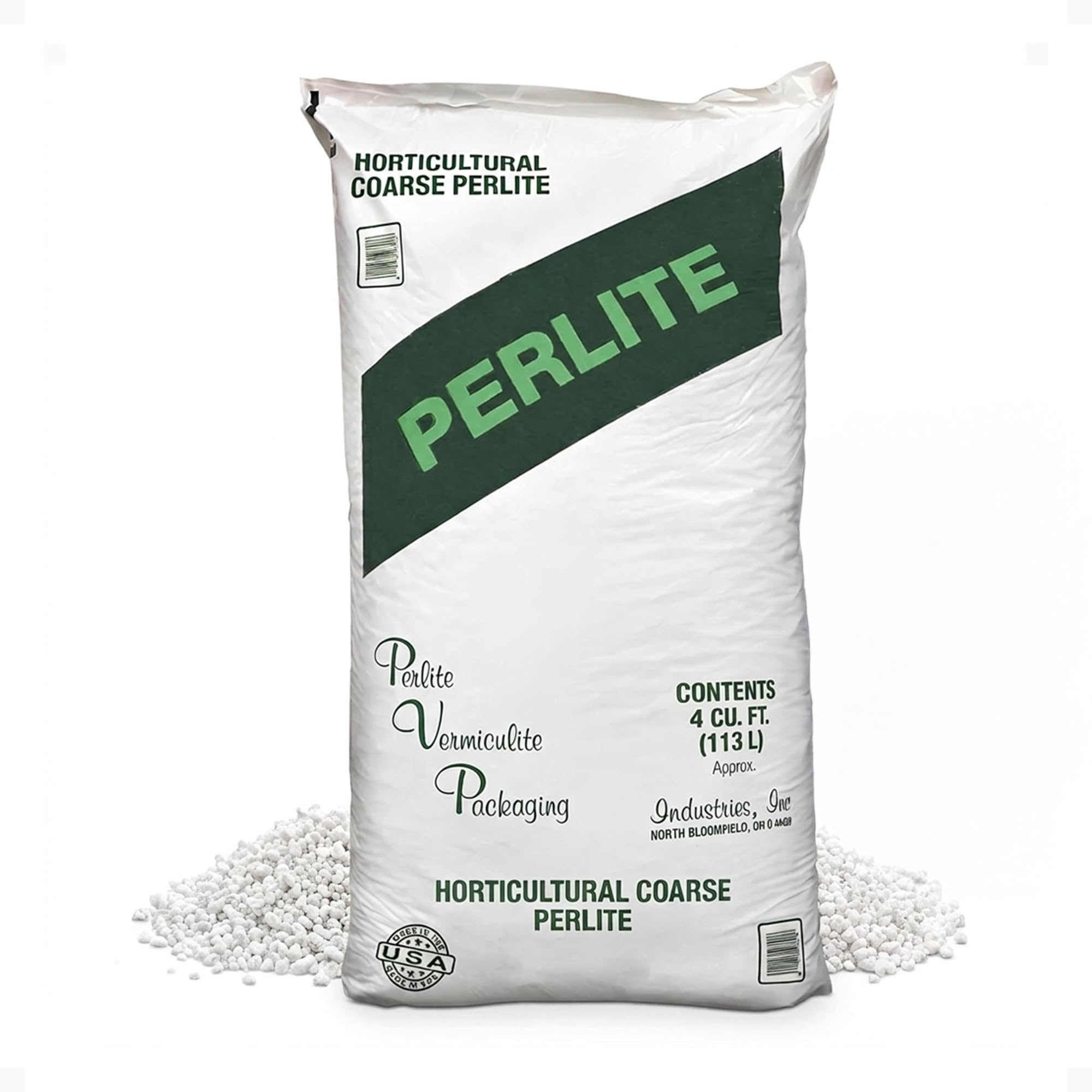
Coconut coir, perlite and vermiculite change the physical feel of a mix more than its fertility. Coir arrives as a dry brick that expands in water, and it loosens heavy soil while holding moisture evenly. Perlite keeps air pockets open for roots, while vermiculite holds water and releases it slowly. A coir brick usually costs about $12 to $25. Choose this group where weight matters, or where drainage is the main fault.
Standard Options Versus Premium and Heavy Duty Options: Which Should You Choose?
Compare the two main groups on four points. Cost per bed favors compost and manure, since a full layer costs less than a single bag of castings. Speed favors standard options too, because a thick compost layer changes soil texture in one weekend. Staying power favors the premium group, because biochar keeps working for years while compost needs a fresh layer each season. Nutrient strength is modest in both groups, so neither replaces a feeding plan for hungry crops.
Choose standard options if your beds are new, large or simply tired, and premium options if your beds are small or hard to rework each year. Many gardeners blend the two, laying compost every season and adding biochar once. Our overview of the best for raised beds shows how soil choices fit your wider setup.
How to Choose the Right Amendment for Your Raised Bed
Work through the factors below in order: structure, safety, nutrients and pH, coverage, then your crop plan. That order is how the best amendments for raised beds earn their place, because a product that fixes structure but wrecks pH still leaves you with poor growth.
Drainage and Water Retention Balance
Good raised bed soil drains freely after rain yet holds moisture between waterings, and amendments push the mix toward that middle. If water pools or the bed stays wet for days, add coarse material such as perlite or composted bark to open air spaces. If the bed dries out a day after watering, add compost or coir, which store water in the mix itself. Dig one handful after watering: it should feel damp and crumbly, not sticky or dusty.
Safety for Food Gardens: Organic and OMRI Listed Options
Most raised beds grow food, so check what went into the bag before you buy. Look for an OMRI listing, which means the product meets standards set for use in organic production. With manure based products, choose composted and aged material rather than fresh manure, since proper composting greatly reduces pathogens and weed seeds. Avoid amendments made from sewage sludge for vegetable beds, and skip any product with no ingredient list.
Nutrient Content and Effect on Soil pH
Amendments feed soil gently rather than acting like a fast fertilizer. Compost and castings release small amounts of nitrogen, phosphorus and potassium as they break down, which suits steady growth but not a hungry crop in full fruit. The pH effect matters just as much: most vegetables grow best at a soil pH of about 6.0 to 7.0, pine based materials push pH down, and wood ash and lime push it up. Test your soil first, because guessing can move pH the wrong way.
Coverage Area and How Much to Apply
Bags are sold by volume, so convert your bed size into cubic feet before you shop. A bed that measures 4 by 8 feet covers 32 square feet, and a layer 2 to 3 inches deep takes about 5 to 8 cubic feet of material. Since many bags hold about 1.5 cubic feet, that one bed needs roughly 4 to 6 bags. Compare cost per cubic foot rather than cost per bag, and every bed gets a full layer.
Match the Amendment to Your Crops and Bed Layout
Different crops ask different things of the same bed. Leafy greens and herbs reward rich, moisture holding soil, so lean on compost and castings for those beds. Root crops such as carrots need a loose, stone free mix, so coir and perlite help more than heavy manure, which can fork roots in uneven soil. If you are still planning what to grow, see our guide to the best plants for raised beds, then match each bed to its crop.
Common Mistakes to Avoid
- Adding fresh manure to a planted bed burns roots and can carry pathogens onto food crops.
- Guessing at pH and adding lime or sulfur blindly can lock nutrients away from your plants for a whole season.
- Buying by the bag instead of by coverage area leaves the last bed with too thin a layer to change the soil.
- Mixing an amendment only into the top inch leaves a layered soil that drains unevenly and roots poorly.
- Expecting one amendment to fix both soggy drainage and low fertility usually ends with neither problem solved.
- Skipping the label check can bring weed seeds, sludge or high salts into a bed you grow food in.
How to Make Your Amendments Last Longer in a Raised Bed
Organic matter breaks down every season, so raised bed soil slowly sinks and loses its open texture. Top up each bed with about 1 to 2 inches of compost once a year, ideally before spring planting, and your main amendment keeps working instead of fading. A mulch layer of straw or shredded leaves slows that breakdown.
Store open bags off the ground in a dry shed, with the top folded closed, because a bag left in rain leaches nutrients and can grow mold. Note what you added to each bed and when, so you refresh by need rather than by habit.
Amendments for Raised Beds: Your Questions Answered
What features matter most in amendments for raised beds?
The features that matter most are organic matter content, particle size and a known effect on pH. Together these decide whether the product fixes drainage, holds water or shifts acidity. One extra check is salt level, since bagged manure products can run salty, and excess salt shows up as leaf edge burn on seedlings.
Is organic certification worth it for raised bed amendments?
Yes, organic certification is worth it for most food beds, because an OMRI listing confirms the ingredients were reviewed against organic standards. That review matters most for manure and compost, where feedstocks vary widely between brands. Certification does not guarantee richer soil, though: good compost should also smell earthy and look dark and crumbly.
What is the difference between a soil amendment and garden soil for raised beds?
A soil amendment improves soil you already have, while garden soil is a ready to plant fill on its own. Think of garden soil as the base and the amendment as the correction you mix into that base. Potting mix sits apart from both, since it contains no real soil and is built for containers, at a far higher cost per cubic foot.
How much amendment does one raised bed need?
One raised bed needs about 1 cubic foot of amendment for every 4 to 6 square feet of surface at a layer 2 to 3 inches deep. Order a little extra, because loose material settles once you water it in. Keep any spare for filling gaps around new transplants.
How often should amendments be added to a raised bed?
Most raised beds need fresh amendments once a year, timed just before your biggest planting. Beds that grew heavy feeding crops deplete faster and may take a second, thinner layer in fall. A squeeze test tells you if you can wait: soil that forms a loose ball and then crumbles still has good structure, while soil that stays in a hard clump needs attention now.
The Bottom Line
Start with structure, then check safety and pH, then buy by coverage area. Compost handles most beds at the lowest cost, premium options repay you in staying power, and lightweight options rescue beds with poor drainage. Settle those points and the product table above will confirm which type fits your budget.
When you shop for best amendments for raised beds, buy for the problem you actually found in your soil, not for the boldest claim on the bag. A bed corrected once, then refreshed yearly, will outgrow a bed that gets a random mix every spring.