
Best Analog Point and Shoot Cameras: Types and Tips for 2026
Disclosure: We may earn a commission when you buy through links on this page, at no extra cost to you. As an Amazon Associate I earn from qualifying purchases. Learn more

A beginner friendly guide to the best analog point and shoot cameras: types, film, flash, budgets and common mistakes to avoid.
A film point and shoot is the easiest way to enjoy analog photography: load a roll, aim, press the button and wait for the prints. The best analog point and shoot cameras are simple to use, light enough to carry everywhere and capable of the grainy, warm look that film lovers prize. This guide explains the main types, what to check on classic and new models, and how to avoid common frustrations. Compare current cameras in the product table as you read.
Because the film must be bought and developed, a little knowledge up front saves money and missed shots.
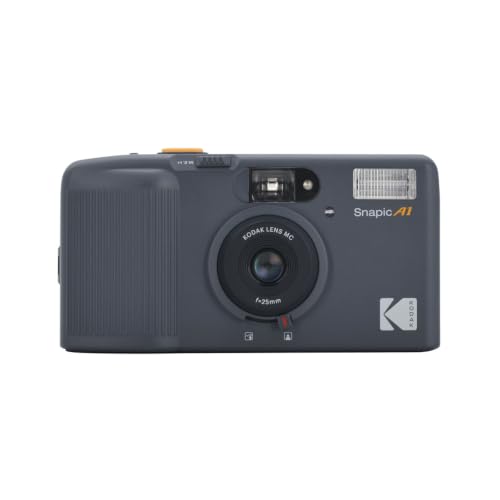

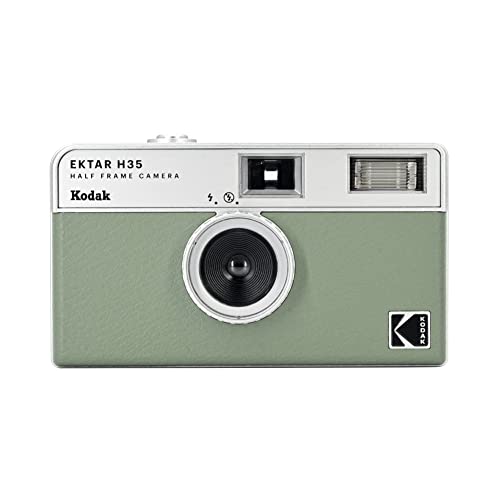


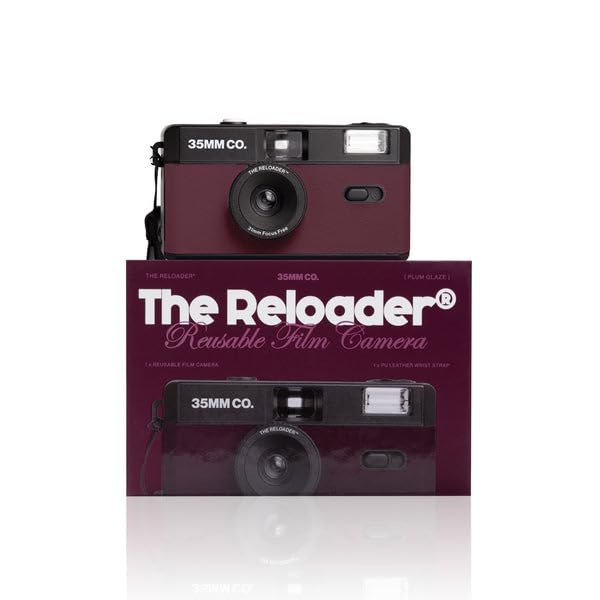
Types of Analog Point and Shoot Cameras
New Reusable Compacts
Several brands now sell new 35mm compacts with a simple lens, built in flash and winding thumbwheel. They are inexpensive, easy to load and come with a warranty. Image quality is modest but charming, and they suit beginners and gifts.
Half Frame Cameras
Half frame cameras expose two photos on each frame of a standard 35mm roll, so a 36 exposure roll gives about 72 pictures. They are fun, economical and good for casual snapshots, though the vertical format and small negatives suit casual rather than large prints.
Classic Autofocus Compacts
Models from earlier decades have sharp glass lenses, autofocus and auto exposure. Some are valued by collectors and sell at premium prices. Availability is mixed, and condition varies, so look for sellers who explain how the camera was checked and offer a return window.
Reloadable and Disposable Cameras
Single use cameras are sold pre loaded with film and a flash. They are convenient for parties and travel, and you send the whole camera for developing. Reloadable versions let you use your own film again and again.
What to Look For
Lens and Focus
A fixed focus lens keeps things sharp from a few feet to infinity, which is fine in bright light. Zone focus or autofocus handles closer subjects better. A wider lens, around 28 to 35 mm, is flexible for group shots and street scenes.
Flash and Low Light
A built in flash lets you shoot indoors and at dusk, but it flattens faces if used too close. Pair the camera with ISO 400 film for general use, and faster film for dim rooms.
Film Loading and Batteries
Choose a model with simple drop in loading and a common battery type. Check that the winding mechanism feels smooth, and keep a spare battery for the flash and autofocus.
Size and Durability
Plastic bodies are light and forgiving, while metal bodies feel more solid. A wrist strap and a soft case protect the lens, which scratches easily.
Budget Guide
Under $50: Fun and Simple
Low cost cameras are enough to learn the basics and capture casual photos. Do not expect precise exposure, but expect plenty of character.
$50 to $150: Better Lenses and Features
This range adds sharper lenses, zone focus and more reliable flash. It is the best range for new buyers who want better results.
$150 and Up: Classic and Collector Cameras
Used and renewed classics fall here, with prices driven by demand rather than features. They can be wonderful, but condition and a working shutter matter. For digital alternatives, see our guide to the best point and shoot digital cameras.
Film Choices
ISO 200 color film suits bright daylight, ISO 400 is the all purpose choice, and black and white film gives a timeless look. Color negative film handles small exposure errors well, which is ideal for a point and shoot. Store film in a cool place and finish rolls within a few months.
Common Mistakes to Avoid
- Buying a classic camera without a return window, since many have light leaks or dead meters.
- Forgetting that film and developing cost money, so budget for each roll.
- Using slow film indoors without flash.
- Standing too close with flash, which creates harsh faces.
- Leaving film in a hot car, which damages color.
Care Tips
Keep the lens clean with a soft cloth and blower, and store the camera in a dry place. Remove batteries if you will not use it for months. Rewind and develop film soon after finishing a roll, since stored exposed film slowly loses contrast.
Choosing the Best Analog Point and Shoot Cameras for Your Style
Decide what you want from film. If you like quick snapshots of friends and trips, a simple reusable compact with a flash is the right tool. If you enjoy composing images carefully and want sharper results, look for a model with a better lens and zone focus or autofocus.
Think about the follow on costs. Each roll of film and each developing order adds up, so a half frame camera that doubles the exposures per roll stretches your budget. Mail in labs often scan negatives, which makes sharing online easy, and a scanned set is usually all you need for social posts.
Also think about handling. A camera that fits in a pocket gets used more than one that stays at home in a bag. Check how the camera loads film, how loud the winding is, and whether the flash can be turned off. The product table helps you compare current options by price and features.
With these questions answered, the best analog point and shoot cameras for you become clear, and you can focus on finding good light and interesting scenes. Start with one or two rolls, learn from the results, and adjust your film choice and distance to subjects as you go.
Quick Buyer Checklist
Run through this list before you order.
- Does the camera load film easily and use a common battery?
- Is the flash useful and can you turn it off?
- Is the lens sharp enough for your plans, with fixed focus or autofocus?
- Do you know where you will develop and scan the film?
- Does the seller offer a return window?
Frequently Asked Questions
What film should I buy first?
ISO 400 color negative film. It is forgiving, widely available and works indoors and out.
Do I need a flash?
Often yes, especially indoors. Most compacts have a built in flash that you can turn off for daylight.
Where can I develop film?
Many photo labs and mail in services will develop and scan color film. Ask for a digital scan to share photos online.
How long does a film camera last?
A well kept camera can last decades. Light seals and batteries are the usual wear items.
Is film better than digital?
It is different. Film offers a distinct look and a slower, deliberate process, while digital is cheaper per shot.
Keep a simple notebook for your first few rolls. Write down the light, the film and the distance for memorable shots, then compare them with the prints. After two or three rolls you will see which conditions your camera handles well and which call for flash or faster film, and your results will improve quickly.
Final Thoughts
Start with an easy to load camera, a roll of ISO 400 film and bright light. Compare current models in the product table with the points above. The best analog point and shoot cameras make photography feel fun again, whether you shoot for memories or for the art of it. For more options, see our guide to the best film cameras point and shoot.


