
Best Analog Mixers For Live Sound 2026
Disclosure: We may earn a commission when you buy through links on this page, at no extra cost to you. As an Amazon Associate I earn from qualifying purchases. Learn more

The best analog mixers for live sound match your largest lineup. Compare channels, preamps, monitor sends and gig durability.
Choosing the best analog mixers for live sound means matching channel count and sound quality to the gigs you actually run, because a mixer with too few channels forces awkward compromises, while one with far too many adds size, weight, and cost you never use. Start with your largest regular lineup, then check preamps, EQ, and monitor options.
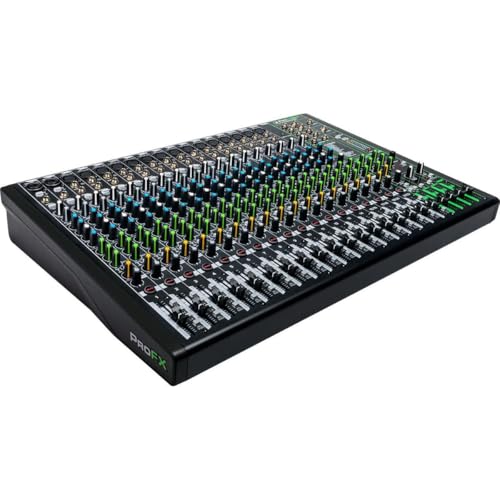
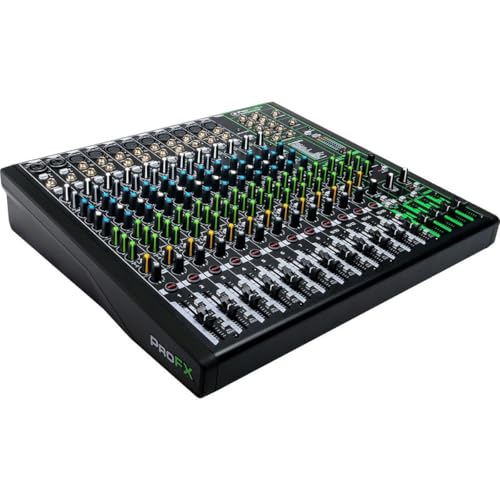
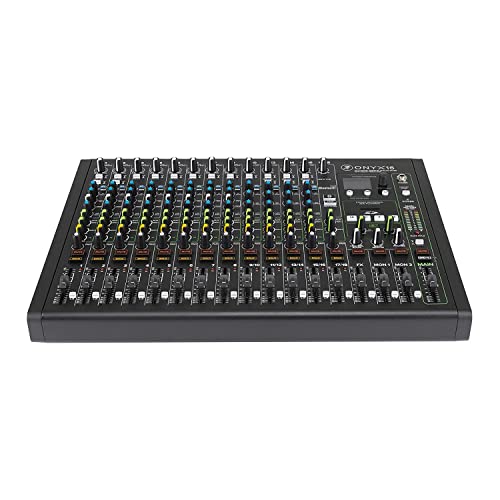
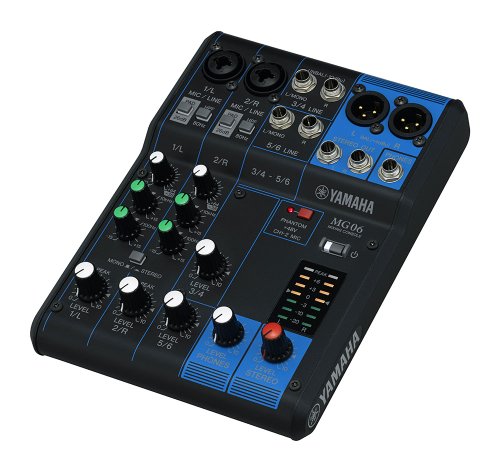
The comparison table below shows how compact, mid size, and large format mixers differ in channels, buses, and weight. Use it to pick a size class, then work through the checks in this guide.


Who Should Buy the Best Analog Mixers for Live Sound
An analog mixer suits bands, small venues, houses of worship, and event crews who want immediate hands on control without menus, software updates, or a laptop on stage. Every control is visible, so a guest engineer can walk up and mix without learning a new system.
It is a weaker choice if you need saved scenes, remote control, or dozens of monitor mixes. In that case a digital mixer, with its recall and routing flexibility, may serve a complex show better.
Channel Count and Input Types
Count every source you mix at once: vocals, instruments, playback, and spares for guests. Add two spare channels to your largest lineup, since a guest or a last minute change will use them sooner than you expect.
Check the mix of microphone, line, and instrument inputs. A mixer with enough true microphone preamps avoids the need for external preamps, while direct instrument inputs save setup time for bass and acoustic guitars.
Preamps, EQ, and Sound Quality
Preamps shape the first stage of your sound, so clean, quiet preamps with enough gain for low output microphones matter more than extra features. Test with your own microphones if you can, at gig volume, not only at shop volume.
EQ should be musical and easy to use under pressure. A three or four band EQ with sweepable mids lets you fix problem frequencies quickly, while a fixed EQ may leave you fighting feedback or muddy low end all night.
Aux Sends, Monitors, and Effects
Aux sends feed stage monitors and effects, so count how many independent monitor mixes your band needs. A band with in ear monitors for four players needs more aux sends than a duo sharing one floor wedge.
Built in effects save rack space and setup time for reverb and delay on vocals, but check whether the effect can be assigned per channel and whether you can still use an external unit if you prefer one.
Build Quality and Gig Durability
Gig mixers travel, so check knob feel, fader smoothness, and chassis rigidity. Sealed faders resist dust and drink spills better than open designs, and a metal chassis survives transport far better than a light plastic shell.
Consider a case or cover from the start. A mixer that lives in a padded case lasts far longer than one carried bare, and the case cost is small beside a repair or a failed gig.
Outputs, Recording, and Expansion
Check main outputs, subgroup outputs, and recording options. A USB output that records the main mix is handy for reviewing shows, while multitrack USB lets you mix a live recording later.
Think about growth. A mixer with subgroups and insert points gives you room to add outboard gear later, while a very basic mixer may force a full replacement when your needs grow.
Budget and Long Term Value
Spend on preamp quality, channel count, and durability first, since those traits decide every gig. Fancy metering and extra effects matter less than a mixer that sounds clean and survives transport.
The product table above shows how size classes differ, so match the mixer to your largest regular show. The right mixer is the one your whole crew can operate confidently in the dark.
Related Guides Worth Reading Next
If you want to compare nearby options, read our guide to best mixers for live sound for a closer look at a related choice that may suit a different room, budget, or daily routine.
If you want to compare nearby options, read our guide to best digital mixers for live sound for a closer look at a related choice that may suit a different room, budget, or daily routine.
If you want to compare nearby options, read our guide to best analog mixers for a closer look at a related choice that may suit a different room, budget, or daily routine.
If you want to compare nearby options, read our guide to best live sound speakers for a closer look at a related choice that may suit a different room, budget, or daily routine.
If you want to compare nearby options, read our guide to best mixers for live streaming for a closer look at a related choice that may suit a different room, budget, or daily routine.
Planning for Your Largest Show
Plan for your largest regular show, not your average one. A duo night needs few channels, but a full band night with guests, playback, and announcements needs far more, and running out of channels mid show forces painful compromises.
Draw a simple input list for that largest show, including spare channels, and carry it when you shop. A written list prevents optimistic underbuying and helps you compare mixers honestly.
Common Mistakes to Avoid
A common mistake is buying on channel count alone while ignoring preamp quality and aux sends. A mixer with many noisy preamps and too few monitor sends will frustrate a band more than a smaller mixer with clean preamps and enough monitor mixes.
Another mistake is skipping a case. Mixers travel through rain, dust, and crowded vans, and an unprotected mixer accumulates damage that shows up as crackling faders and intermittent channels during a show.
A Final Check Before You Order
Before you order, confirm channel types, aux count, subgroup options, and output connections against your input list and your speaker system. Check that the mixer fits your transport and your usual stage space.
Also confirm power requirements and cable needs. A mixer that needs an unusual power supply or rare cables can leave you stranded if a cable fails at a venue far from a music shop.
Living With Your Choice
Label your channels, keep a simple stage plot, and store settings notes for regular venues. Consistent labelling speeds soundchecks and lets a guest engineer help without confusion.
Clean faders with approved cleaner when they crackle, keep drinks away from the surface, and cover the mixer during breaks. Good habits keep an analog mixer reliable for many years of gigs.
Frequently Asked Questions
How many channels do I need for a band?
Count every microphone and instrument in your largest regular lineup, then add two spare channels for guests and last minute changes. A four piece band with vocals, guitars, bass, keys, and drums often needs 12 to 16 channels. Running out of channels mid show forces compromises you will regret.
Are analog mixers outdated for live sound?
No, analog mixers remain a strong choice for straightforward live shows, because every control is visible and immediate, with no menus or software to learn. Digital mixers add scene recall and remote control, which help complex shows, but analog simplicity suits many bands and venues perfectly well.
What is the difference between aux sends and subgroups?
Aux sends create separate mixes, usually for stage monitors or effects, while subgroups let you control a group of channels, such as all drums, with one fader. Both help live mixing, but monitor needs decide aux count and group needs decide subgroup count. Count each need separately before you buy.
Do I need built in effects?
Built in reverb and delay are convenient for vocals and save rack space, but they are not essential if you already own an outboard unit you prefer. Check whether effects can be sent per channel and adjusted quickly during a show. A simple, good sounding effect beats a complex one you cannot operate under pressure.
How do I protect a mixer on the road?
Use a padded case, keep drinks away from the surface, cover faders during transport, and store cables separately so connectors do not strain the jacks. Clean faders with approved cleaner when they crackle, and keep the mixer dry and out of extreme heat. Good handling extends mixer life greatly.
Final Thoughts
Start with your largest lineup, add two spare channels, and choose preamp and monitor features that match how your band actually performs. The best analog mixers for live sound are the ones your whole crew can run confidently on a dark stage.
The product table above makes the size classes easy to compare, so shortlist mixers that fit your gigs, and pick the best analog mixers for live sound for your band from the first song.


