
Best Amp Speakers for Metal: Types Compared and How to Choose for 2026
Disclosure: We may earn a commission when you buy through links on this page, at no extra cost to you. As an Amazon Associate I earn from qualifying purchases. Learn more

Confused by all the options? We compare every type of amp speaker side by side so you can choose the best amp speakers for metal for your space and budget.
Metal is demanding playback material. Fast kick drums, layered guitars, and busy cymbals expose weak bass control and harsh treble very quickly, so a system that sounds fine with pop can fall apart with thrash or prog. The right setup keeps riffs tight and vocals clear even when the mix gets dense.
This guide compares the main system types so you can find the best amp speakers for metal for your room and budget without buying twice. You will see what each type does well, where it struggles, and which features actually matter for heavy music, then you can compare options in the comparison table below.
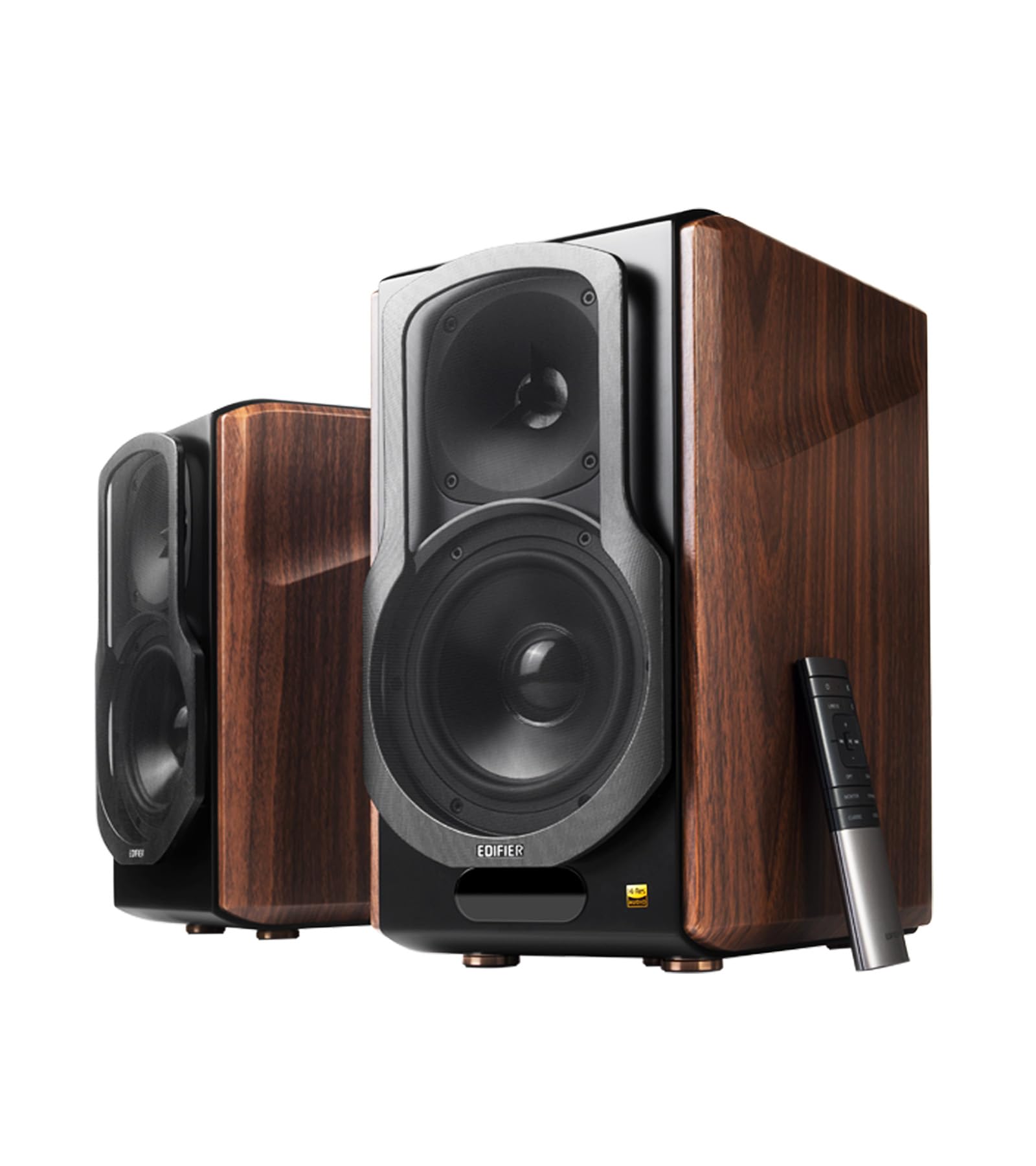

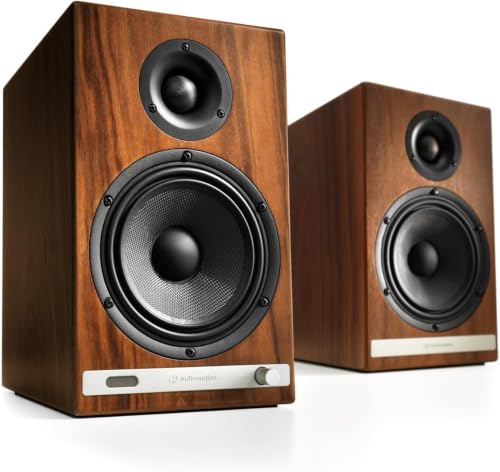
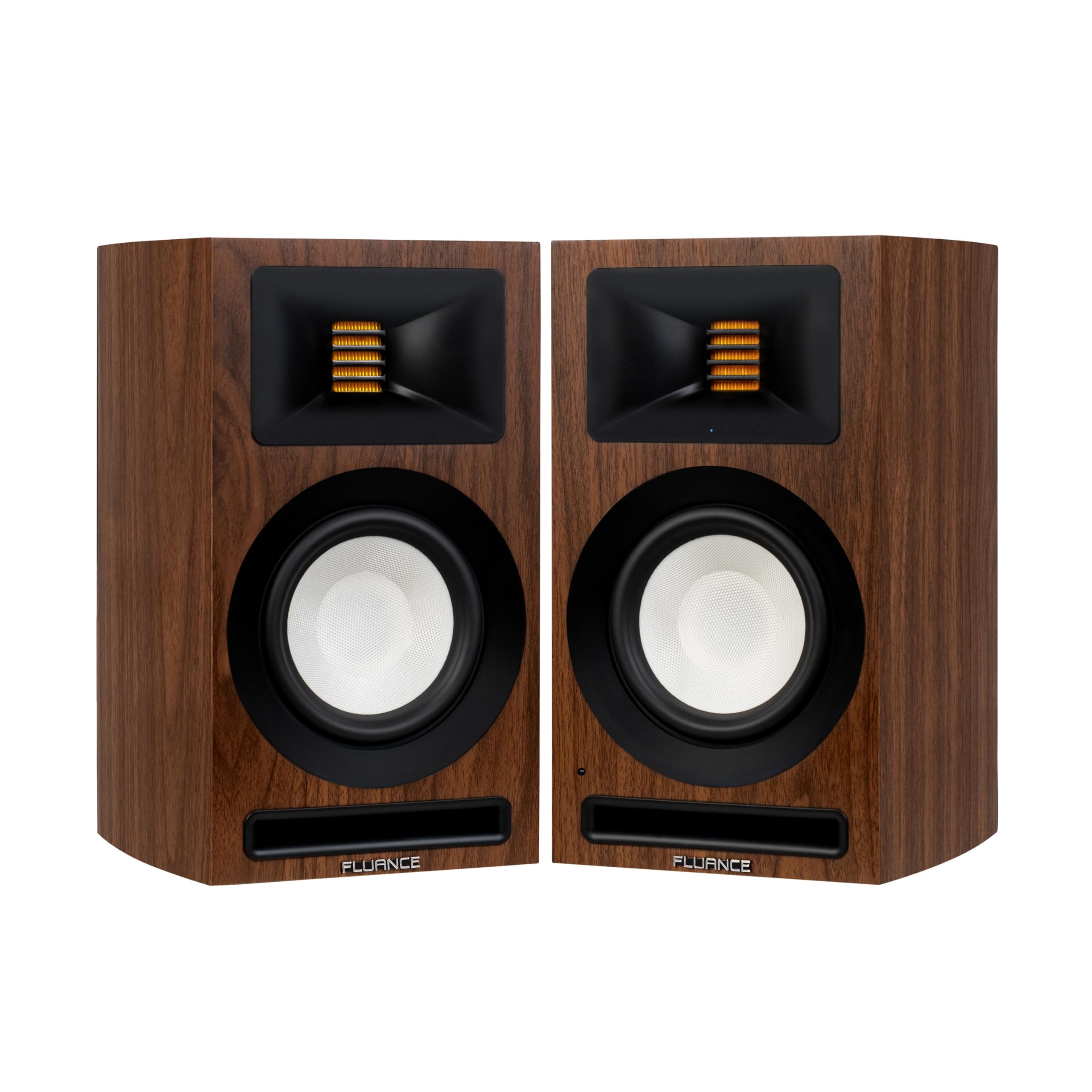

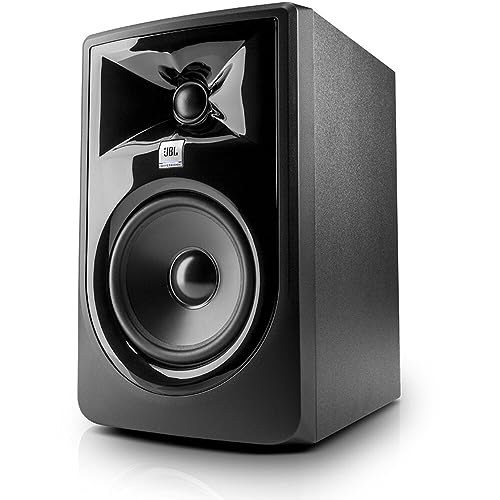


Types of Amp Speakers Compared
There are three practical ways to build a metal ready system: powered speakers with amps built in, a separate amp driving passive speakers, and compact desktop systems for close listening. Each path balances cost, upgrade room, and desk or shelf space differently, and each can sound great when matched to the room.
Powered Bookshelf Systems for Home Listening
Powered bookshelf speakers place an amplifier inside one or both cabinets, matched by the maker to those exact drivers. Setup is simple: plug in power, connect your source, and play. For many listeners this is the fastest route to tight, coherent metal playback in a bedroom, office, or small living room.
The limit is flexibility. If you later want more power or different speakers, you replace the whole system rather than one part. Choose powered models if you value tidy setup and predictable voicing, sit fairly close to the speakers, and listen at moderate volumes where their built in amps stay relaxed and controlled.
Separate Amp and Passive Speakers for Gaming and Music Rooms
A separate amp plus passive speakers is the classic upgrade friendly route, and it suits gamers and dedicated listeners who mix music with PC or console play. You can start modestly, then upgrade the amp or the speakers later. Larger passive speakers also tend to offer bigger woofers, which helps kick drums sound physical rather than thin.
The trade off is space, cables, and matching work. You must confirm impedance and power fit, and you need room for the amp itself. If you enjoy tweaking and growing a system over time, this path rewards you. For background on speaker choice alone, see our guide to the best speakers for metal for driver and tuning notes.
Compact Desktop Systems for Close Listening
Compact desktop systems aim at nearfield listening, where you sit about three feet from the speakers at a desk. At that distance, small drivers can sound detailed and punchy without filling a whole room, and modest power goes a long way. This is a smart format for dorms, shared apartments, and late night listening at sensible levels.
Be honest about bass. Small cabinets cannot move much air, so the lowest notes of down tuned guitars and kick drums will feel lighter. Many desktop users add a small subwoofer later to fill that gap. Choose compact gear for clarity and footprint first, and treat deep bass as an optional upgrade rather than a promise.
Gaming Models vs Home Models: Which Should You Choose?
Compare on five points. Latency: gaming setups need wired links or low delay modes so hits land with the picture, while home music systems can tolerate streaming delay. Bass style: metal at a desk rewards tight and fast bass, while a living room system can trade a little speed for scale. Inputs: gamers need easy switching between PC, console, and phone.
Volume and distance also split the choice. Desktop listeners sit close and need less power, while room listeners need headroom. Finally, upgrade plans matter: a separate amp path grows piece by piece, while powered speakers keep things simple. Pick the gaming style setup for a desk you use all day, and the home style setup for shared room listening.
How to Choose the Right Amp Speaker
Durability and Water Resistance
Most amp speaker systems for metal live indoors, so water resistance is rarely the deciding factor. What matters more is build quality: solid cabinets that do not buzz at volume, secure terminals, and grilles that protect drivers in busy rooms. If you plan to use a system on a covered patio, keep electronics dry and bring gear inside after use.
Only choose a model with a stated IP rating if outdoor use is truly routine for you. An IP67 badge on a portable speaker does not help a bookshelf system, and paying for rugged features you never use takes budget away from drivers and amplification that you will hear every day.
Ecosystem and App Features
App control can be genuinely useful when it gives you EQ presets, input switching, and firmware updates from your seat. For metal, a simple three band EQ or a few voicing presets help tame bright recordings or add weight to thin early pressings. Check that the app is still supported and that core controls also exist on the unit itself.
Be cautious with ecosystems that lock useful features behind accounts or phones. Your system should play music the moment a wired source sends signal, with no sign in step. Treat app extras as a bonus layer, and judge the core sound and build first during your return window.
Features That Matter for Metal
Metal needs control more than sheer loudness. Look for speakers with a woofer of at least five inches for room use, an amp that states power with low distortion, and a cabinet that feels solid when you knock on it. Fast bass passages blur when an amp runs out of current, so honest specs matter more than huge peak numbers.
Treble manners matter just as much. Cymbals and distorted guitars carry lots of energy up high, and a harsh tweeter will tire you within one album. Favor a neutral to slightly warm tuning you can listen to for hours. If you are comparing amp options on their own, our guide to the best amp for speakers covers matching basics.
Connectivity: Bluetooth Version, Codecs, Wired
Wired connections are the backbone for metal playback. USB suits computers, optical suits TVs and consoles, and RCA suits older gear and turntables. A wired path delivers the full signal with no pairing fuss and no delay, which matters for gaming and video as much as for music.
Bluetooth is a welcome extra for phone listening and guests. Newer versions hold links steadier across a room, and codecs such as AAC and aptX can help with matching phones. Multipoint pairing is handy if you switch between a laptop and a phone, but keep your main source wired for critical listening sessions.
Sound Quality and Tuning
Judge sound quality with songs you know well, including one fast track, one slow heavy track, and one quiet passage. Listen for kick drums that start and stop cleanly, bass guitar you can follow as its own line, and vocals that stay forward when guitars get loud. Frequency response charts can guide you, but your ears and your room decide.
Placement shapes tuning as much as electronics do. Give speakers space from walls, aim them toward your seat, and keep them at ear height where you can. Small shifts of a few inches often fix boom or thinness that no EQ preset could, and they cost nothing to try before you spend more.
Setup and Care Tips
Start with placement, then volume, then EQ, in that order. Set speakers on stable stands or pads so cabinets do not buzz against a desk, and keep cables clear of power bricks to avoid hum. Update firmware on powered models when the maker releases fixes, and dust drivers gently with a dry cloth.
Protect your hearing as part of good setup. Metal invites loud playback, but if you must raise your voice to talk over your system at arm length, it is too loud for long sessions. Take breaks during long listens, and let ears rest after concerts before judging your system at home. Store spare cables in a case so connectors stay clean and unbent.
FAQs
What features matter most in amp speakers for metal?
Tight bass control, calm treble, and honest power matter most for metal. A solid cabinet and a woofer sized for your room help fast drums stay clear. One extra check is the return policy: heavy music reveals harshness quickly, so buy from a seller that lets you listen at home for at least a couple of weeks.
What IP rating do I need for outdoor use of amp speakers?
For indoor systems you need no IP rating at all. If a system will live on a covered patio, look for gear the maker explicitly rates for outdoor use and still shelter it from direct rain. Standard bookshelf gear should come inside after each session. When in doubt, choose a separate portable speaker for outdoors and keep your main metal system dry.
Wired or wireless: which sounds better for metal playback?
Wired playback sounds better in most setups because it avoids Bluetooth compression and keeps timing exact for games and video. Wireless is fine for casual phone listening and tidy desks. A balanced approach keeps your computer or console wired full time and uses Bluetooth only when a friend wants to share a track quickly.
Do I need a special codec for amp speakers for metal?
No special codec is required to enjoy metal well. Codecs only affect Bluetooth playback, and the standard options already sound good at normal volumes. If you listen closely over Bluetooth often, matching a quality codec between phone and speaker is a small bonus. Your main gains will come from speaker size, placement, and clean power.
Final Thoughts
For metal, buy control before loudness: solid cabinets, honest power, and treble you can live with for whole albums. Powered speakers suit tidy rooms, separate amps suit upgraders, and compact desktop systems suit close listening. If space is tight, our guide to the best mini amp for speakers can help you size a small amp honestly.
Use the product table above to compare the best amp speakers for metal for your room against your budget and inputs. Start with placement and a few favorite tracks, and the right type will make itself clear within one evening of listening.


