
The Best Amp for Voice Speakers: A Buying Guide for 2026
Disclosure: We may earn a commission when you buy through links on this page, at no extra cost to you. As an Amazon Associate I earn from qualifying purchases. Learn more

Use this buying guide to choose the best amp for voice speakers, with checks for vocal clarity, power, inputs, and room fit before you spend.
Speech sounds simple, yet it is one of the hardest things for an audio system to reproduce well. Podcasts, audiobooks, lectures, and video calls all live in a narrow band of frequencies, and a weak or harsh amplifier buries consonants and makes voices sound tired within minutes.
Choosing the best amp for voice speakers means looking past raw wattage and judging how cleanly an amp handles the midrange, where almost all vocal detail sits. This guide walks you through the tiers, the specs that matter, and the setup habits that keep dialogue clear, and the comparison table below gives you a quick way to check the basics side by side.
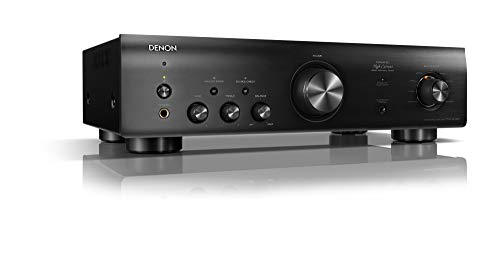


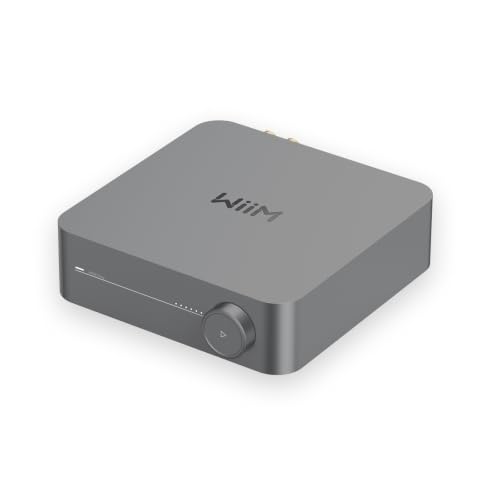
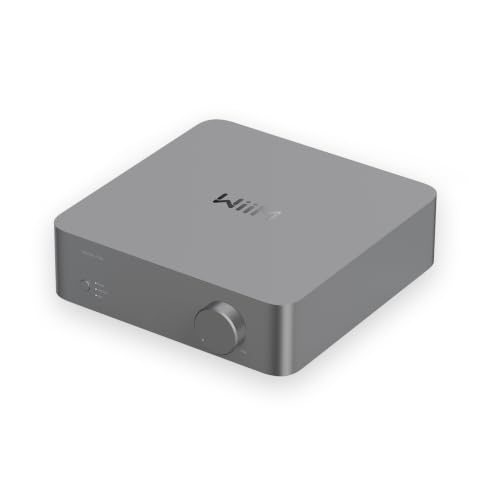


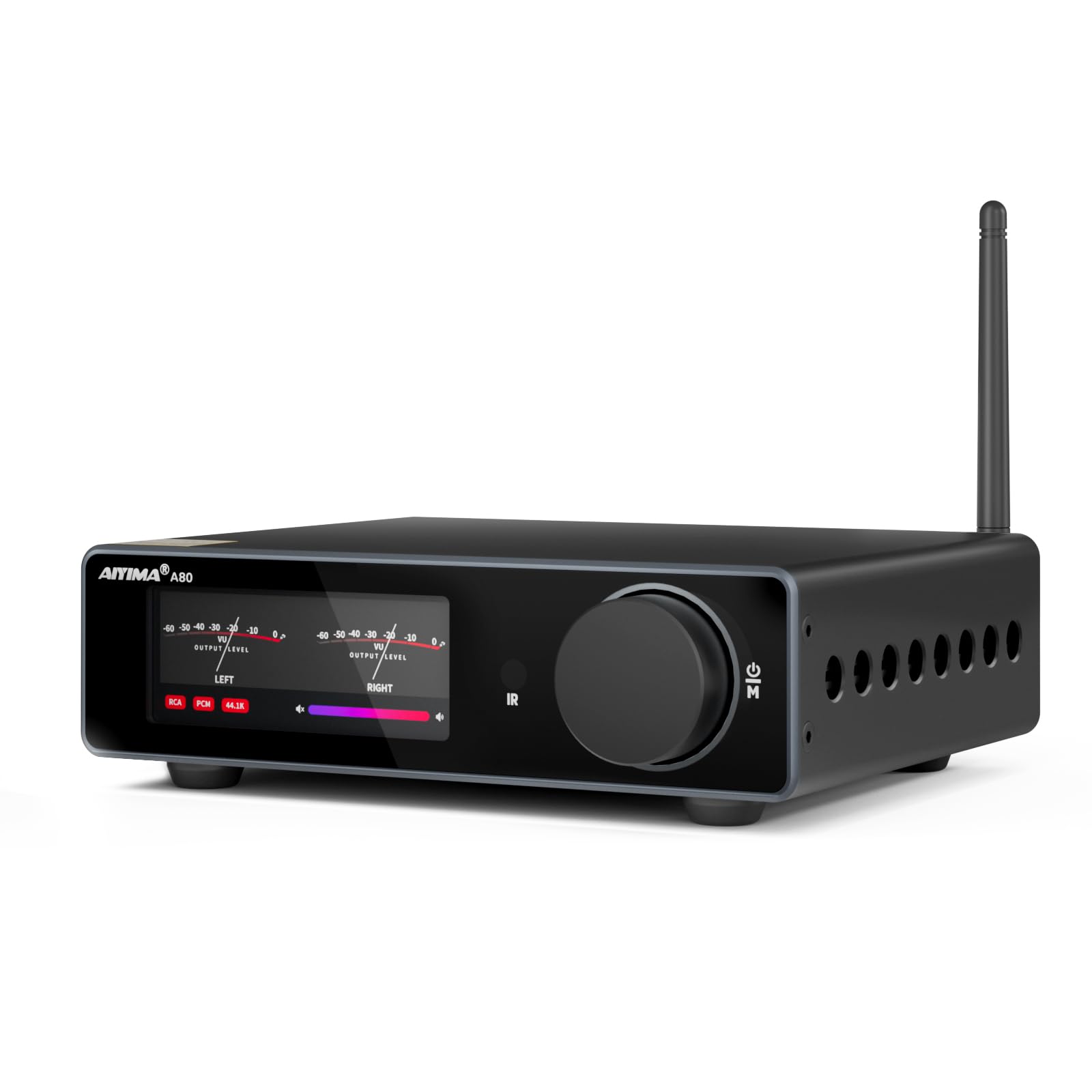

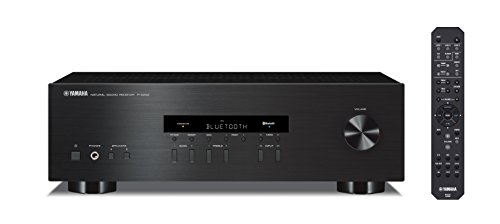
Price Tiers at a Glance
Since voice focused listening rewards clean midrange output more than sheer power, price tiers here are best read as steps in control, connectivity, and build quality rather than steps in loudness. Use the tiers below as a checklist for what your budget should deliver.
Entry Tier, Around $50 to $120
Entry tier amps suit a desk, a bedroom, or a small kitchen setup with one pair of modest speakers. Expect simple stereo output, one or two wired inputs, basic tone knobs, and enough clean power for nearfield listening at comfortable volumes. The trade off is usually a higher noise floor, so a faint hiss at idle can appear with sensitive speakers. For spoken word at close range, that compromise is often acceptable, and it is a sensible first step before spending more.
Mid Tier, Around $120 to $300
The mid tier is where voice reproduction improves most noticeably for the money. You gain lower distortion figures, a better volume control with finer steps at low levels, useful digital inputs, and often a remote control for couch friendly adjustment. Bass and treble controls tend to be joined by a loudness or vocal presence setting on some models in this range. If you listen for hours each day, this tier usually offers the best balance of clarity, features, and price.
Upgrade Tier, Around $300 to $700
Upgrade tier amps add stronger power supplies, better channel separation, and more flexible connections such as preamp outputs for a later powered subwoofer. Cases feel more solid, heat management improves, and the background at idle is typically very quiet, which helps quiet passages in audiobooks stay intelligible. This tier makes sense when your speakers are revealing enough to show the difference, or when you plan to keep the amp through a future speaker upgrade.
How to Choose the Best Amp for Voice Speakers: Buying Guide
Start with your speakers and your room, then match the amp to both. The sections below explain each decision in the order most buyers should make it.
Features That Matter for Voice Speakers
Voice speakers place their demands on a specific part of the sound. Human speech fundamentals sit roughly between 85 and 255 Hz, while the consonant detail that makes words understandable extends up through about 8 kHz. An amp for this job needs a flat, honest midrange, low distortion at modest volumes, and a quiet background, because most listening happens well below maximum output. Look for a signal to noise ratio of 90 dB or higher and total harmonic distortion under 0.1 percent at rated power. Those two figures predict clarity far better than a big watt number printed on the box.
Power still matters, but in a supporting role. For most bookshelf speakers with sensitivity around 85 to 88 dB, about 20 to 50 clean watts per channel fills a living room with speech at natural levels and leaves headroom for film dialogue peaks. If your speakers are less sensitive or your room is large, step up rather than running a small amp near its limit, because clipping distortion sounds harsh exactly in the vocal range.
Sound Quality and Tuning
A neutral tuning serves voices best. Amps that push the bass and treble into a smile shape may flatter pop music, yet that same shape scoops out the midrange and makes narrators sound distant. Check the stated frequency response and prefer models that stay within about 1 dB across 20 Hz to 20 kHz, since wide swings hint at a colored house sound. Tone controls are still useful, because a gentle treble trim can tame a bright room, and a small bass cut can clean up boom from speakers placed near a wall.
Know how to test tuning with material you already own. Play a familiar podcast at your normal volume and listen for sibilance, the sharp hiss on s and sh sounds. A well behaved amp keeps those sounds crisp without sting, and male and female voices should both sound full rather than thin. If a demo unit lets you adjust EQ, small changes of 1 or 2 dB should be enough, and needing more suggests a mismatch elsewhere in the chain.
Size, Weight, and Heat
Amps live on desks, shelves, and media consoles, so physical fit shapes daily comfort as much as ear comfort does with headphones. Measure your shelf depth and leave at least two inches of open space above the unit for heat to escape, because class AB designs in particular run warm during long sessions. Compact class D designs run cooler and suit tight furniture, though you should still avoid stacking other gear directly on top. Weight is a rough proxy for power supply size, and a slightly heavier unit often holds its composure better during loud film scenes.
Ecosystem and App Features
Many modern amps connect to an app or a streaming platform, and those extras matter when the amp is your main daily driver. A good app gives you input renaming, a sleep timer for bedtime listening, firmware updates that fix bugs, and a multi band EQ you can save per source. Check that the app supports your phone platform and that basic controls like volume and input switching also work from the front panel or remote, so the amp never becomes useless if an app is discontinued. Bluetooth 5.3 with multipoint lets two phones stay connected, which is handy in shared homes.
If voice content comes from your TV, an HDMI ARC input is worth prioritizing, because it lets the TV remote control amp volume and power. Optical input is the reliable fallback for older sets. For computer based listening, a USB input with a decent built in DAC avoids the noise that some laptop headphone jacks add.
Placement and Room Size
Room size decides how much power and control you actually need. In a small room, speakers sit close and modest power goes a long way, but reflections from nearby walls can blur speech, so an amp with tone controls earns its keep. In a large open plan space, voices compete with distance and background noise, and extra headroom plus a center friendly dialogue lift from EQ helps more than exotic features. Stereo pairing and balance control also matter when one speaker must sit farther from you than the other.
Think about where the speakers will live before you buy. If you are still choosing the speakers themselves, our guide to the best speakers for voice explains which driver traits keep dialogue intelligible. Readers comparing amp categories more broadly can also see our overview of the best amp for speakers for general stereo guidance that applies beyond voice focused setups.
Durability and Water Resistance
Most home amps carry no water resistance rating at all, and that is fine for a living room shelf. The IP ratings mentioned in speaker marketing, such as IP67 on portable speakers, describe the speaker enclosure, not a separate amplifier, so do not expect a standalone amp to share that protection. If your listening space is a covered patio or a garage, choose an amp rated for that environment or keep a standard amp indoors and run speaker wire outside. Ventilation slots should stay clear of dust, and a soft brush over the vents every few months keeps airflow healthy.
Types of Amps for Voice Speakers
Home and Bookshelf Models
Home and bookshelf models are the default choice for voice listening. They pair with passive bookshelf speakers, offer several wired inputs, and prioritize clean stereo sound over effects. They suit living rooms, studies, and bedrooms where podcasts, TV dialogue, and music share the same system. Their limitation is focus: they rarely include room correction or surround processing, so placement and tone controls do the heavy lifting.
Compact and Mini Models
Compact models shrink the chassis to fit a desk or a narrow shelf while keeping stereo speaker outputs. Output is lower, often around 20 to 40 watts per channel, which is still plenty for nearfield voice listening. If space is your main constraint, our guide to the best mini amp for speakers covers what to check before choosing a small unit. The trade off is fewer inputs and less upgrade room, so count your sources carefully before buying.
Wireless and Bluetooth Models
Wireless models add Bluetooth, WiFi streaming, or both, so phones and tablets become sources without a cable run. They suit kitchens and shared spaces where convenience beats the last degree of fidelity. Modern codecs keep speech perfectly clear, since spoken word needs far less bandwidth than music detail. The caution is longevity: streaming platforms change, so a model that also offers wired inputs protects your purchase if a service is dropped later.
How to Make Your Amp Last Longer
- Keep firmware updated. Updates fix bugs, patch streaming issues, and sometimes improve EQ behavior, so check the app or maker site a few times a year.
- Give it air. Leave open space above the vents and never cover the top with papers or cloth, because trapped heat shortens component life.
- Clean connections gently. Dust on terminals can crackle during quiet speech, so power down and wipe contacts with a dry cloth every few months.
- Avoid max volume for long sessions. Running any amp at its limit strains it and distorts voices, so choose enough power that normal listening sits near the middle of the dial.
- Power down during storms. A basic surge protector is cheap insurance for the power supply, the part most likely to fail first.
Amps for Voice Speakers: Your Questions Answered
What features matter most in amps for voice speakers?
A quiet background, low distortion at low volume, and honest midrange response matter most. Speech is listened to quietly and closely, so hiss or grain that music hides becomes obvious under a narrator. A signal to noise ratio above 90 dB, a remote with fine volume steps, and tone controls for small corrections round out the features worth paying for first.
Do I need a special codec for voice content?
No special codec is required for speech. Standard Bluetooth codecs carry voice with ease because spoken word uses a narrow frequency range and modest data rates. Higher tier codecs such as aptX or LDAC help music detail more than dialogue. What matters more for calls and video is low latency, so look for a low latency mode if you watch a lot of streamed TV through Bluetooth.
Does noise cancelling matter for a home amp setup?
Noise cancelling is a headphone feature, not something a speaker amp provides. For speakers, the equivalent fix is reducing room noise and choosing an amp quiet enough that its own hiss never competes with soft speech. If your room has a loud fan or an open window, treating that noise source improves clarity more than any amp upgrade, and a modest EQ lift around 2 to 4 kHz can help consonants cut through.
What IP rating do I need for outdoor use?
Standalone amps rarely carry IP ratings, so plan to keep the amp indoors or in a weatherproof enclosure. The rating applies to outdoor speakers themselves, where IP65 or higher sheds rain and dust well. Run outdoor rated speaker cable, keep connections under cover, and bring portable gear inside during storms. If a listing claims an amp is waterproof, verify the rating on the maker specification sheet before trusting it.
How long will an amp last?
A decent amp commonly lasts ten years or more, since it has no battery to wear out and few moving parts. The volume control, capacitors, and streaming features age first, which is another reason to favor models with solid wired inputs that stay useful even if wireless standards move on. Heat is the main enemy, so ventilation and moderate volume habits do more for lifespan than any extended warranty.
Wrapping Up
Match the amp to your speakers, keep the background quiet, and protect the midrange, and voices will stay clear at any reasonable budget. Compare the tiers above against the product table above, then choose the best amp for voice speakers for your room and your listening habits with confidence.


