
Best Amp for Tower Speakers in 2026: Which Type Is Right for You?
Disclosure: We may earn a commission when you buy through links on this page, at no extra cost to you. As an Amazon Associate I earn from qualifying purchases. Learn more

Amp types compared for floor standing speakers: how to choose the best amp for tower speakers by power, inputs, room size and budget.
Choosing an amp for tall floor standing speakers feels confusing because power numbers, inputs, and prices vary so much. A small amp can sound strained at lively volumes, while a huge receiver may add cost and clutter you never use. This guide compares amp types side by side so you can match power, features, and budget to your room.
Start with the best amp for tower speakers for your speakers and your listening habits, not the amp with the longest feature list. You will see how each type works, who it suits, and what to check before you buy, and you can compare options in the comparison table below.


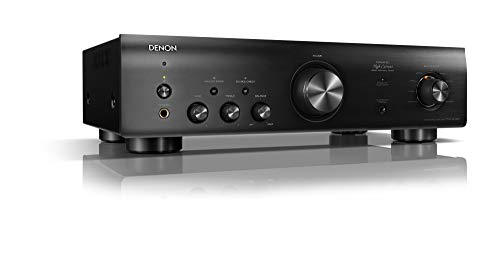
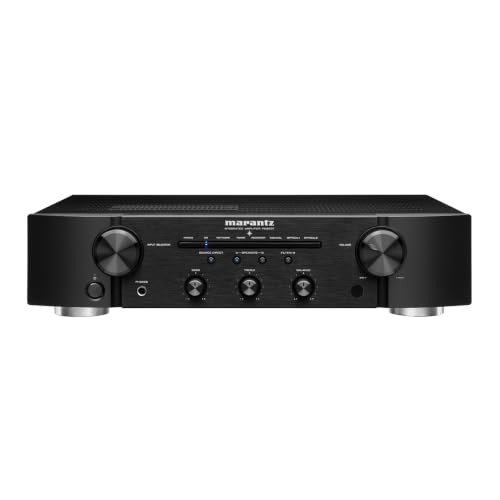


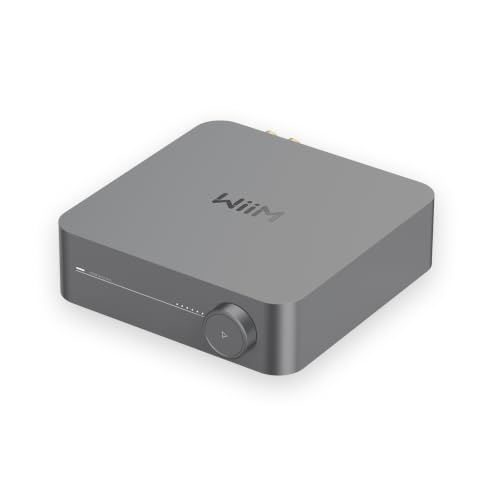
Types of Amps Compared
Tower speakers usually cover a wide frequency range and can draw real current when bass gets busy. That is why amp type matters as much as rated watts. The four groups below cover most home and outdoor setups, from simple two channel listening to rooms that mix music and movies.
Stereo Integrated Amps for Home Listening
An integrated amp combines a preamp and a power amp in one box, with volume control and source switching built in. For pure music listening with a pair of tower speakers, this is often the cleanest path. You get strong control over woofers, simple controls, and fewer cables than a system built from separate parts.
The trade off is focus. Most integrated amps serve two channels only, so they do not decode movie surround sound. Choose this type if music is your main use, your room is small to medium in size, and you value simple setup and honest stereo imaging over extra channels you will rarely use.
AV Receivers for Mixed Use Rooms
An AV receiver adds video switching, surround decoding, and room correction to the basic amp job. If your tower speakers serve as the front pair in a living room that also handles movies, sports, and games, a receiver can run the whole system from one unit. Many also include streaming and a subwoofer output with bass management.
The cost is complexity and size. Receivers are large, run warm, and pack menus that take time to learn. Power ratings can also look generous while being measured with fewer channels driven. Pick a receiver when you truly need center and surround channels, and check the weight, ventilation space, and per channel rating with all channels in use.
Wireless and Streaming Amps
Streaming amps add WiFi and Bluetooth reception to a compact amplifier, so your phone, tablet, or computer becomes the main source. This suits listeners who mostly stream music and want a tidy shelf with few boxes. Many models include app based EQ, multiroom grouping, and automatic input switching that wakes the amp when a song starts.
Convenience is the clear strength, while raw power is the usual limit. Compact streaming amps often deliver modest wattage that works well at moderate volumes in smaller rooms. If you listen loud, sit far from the speakers, or own towers with low sensitivity, confirm the amp can hold clarity at your normal listening level before you commit.
Compact Mini Amps for Small Spaces
Mini amps shrink the amplifier into a small desktop or shelf friendly box, often using efficient Class D circuits. They fit dorm rooms, offices, and spare bedrooms where a full size amp would crowd the space. If you are curious about that format for a secondary system, see our guide to the best mini amp for speakers for sizing and power basics.
Their limits show up with demanding towers. Small power supplies can run out of headroom on deep bass passages, and input counts are often just one or two. Treat a mini amp as a smart choice for nearfield or casual listening at modest volume, not as the main driver for a large room system.
Home Models vs AV Receivers: Which Should You Choose?
Compare these two paths on five points. First, sound focus: a stereo integrated amp puts its whole budget into two channels, while a receiver spreads cost across video and surround parts. Second, expandability: receivers add channels and subwoofers easily, while integrated amps stay simple. Third, ease of use: integrated amps win for daily music, receivers win for one remote control of a full media room.
Fourth, space and heat: integrated amps are usually smaller and cooler. Fifth, cost per result: if you will never add surround speakers, a receiver charges you for unused hardware. Choose the stereo amp for music first rooms, and choose the receiver when movies and games share the same tower speakers every week.
How to Choose the Right Amp
Placement and Room Size for Speakers
Room size and seating distance decide how much power you actually need. In a small room where you sit about six to eight feet away, modest power can sound full and relaxed. In a large open room, the same amp must work much harder to reach the same volume at your seat.
Leave breathing room around the amp as well. Amps need ventilation above and behind the chassis, and tower speakers sound best with space from walls so bass stays clear. Measure your shelf depth and airflow before you buy, because a powerful amp that overheats or forces poor speaker placement solves nothing.
Features That Matter for Tower Speakers
Start with sensitivity and impedance. Towers rated around 88 dB or higher are easier to drive, while models near 85 dB or with a 4 ohm rating need an amp with stronger current delivery. Look for a rating that lists watts at 8 ohms and 4 ohms, plus a clear statement that the amp is stable into 4 ohm loads.
Useful features include a subwoofer output if you plan to add a sub, tone controls or EQ for room quirks, and a remote you will enjoy using daily. If you are still deciding on the speakers themselves, our guide to the best tower speakers explains driver layouts and room fit in more depth.
Connectivity: Bluetooth Version, Codecs, Wired
Wired inputs remain the most reliable path for best sound. Optical and coaxial inputs suit TVs and streamers, RCA suits turntables with a built in phono stage or a separate one, and USB suits computers. A wired link has no pairing steps, no dropouts, and no added delay for video.
Bluetooth is handy for guests and casual listening. Newer Bluetooth versions hold a steadier link, and codecs such as AAC and aptX can improve clarity with matching phones. For serious listening, treat wireless as a convenience layer and keep at least one wired input free for your main source.
Sound Quality and Tuning
Good tower speaker sound is about control as much as loudness. A capable amp keeps bass tight, voices clear, and treble calm when the music gets dense. Frequency response figures matter less than stable power, low distortion at normal volumes, and channel balance that keeps the stereo image centered.
Tuning tools help you adapt to your room. Simple bass and treble controls fix mild brightness or boom, while room correction in receivers can tame stronger issues. Change one setting at a time and listen to familiar songs for a few days, because quick back and forth tests often reward a louder or brighter setting that tires you later.
Choosing Amps for Your Situation
Best Marine Amp for Tower Speakers
The phrase best marine amp for tower speakers points to a different job: driving wake tower speakers on a boat, in sun, spray, and vibration. Marine amps need sealed or coated circuit boards, corrosion resistant terminals, and a compact chassis that mounts securely in a dry locker. Power should be rated honestly at the voltage a boat system actually supplies underway.
For that setting, read our dedicated guide to the best amp for boat tower speakers before you buy, because home amps should never go on the water. Also confirm the amp has a proper ground, fused power wiring sized for the run, and gain set with care so speakers stay clear at cruising speed without draining the battery bank.
Tips to Get the Most From Your Amp
Set gains and volume with headroom in mind. If dialogue or vocals distort at your usual level, the amp is working too hard, so lower the volume or consider a stronger model rather than pushing tone controls to extremes. Keep speaker wire runs tidy, with clean bare wire or secure plugs at both ends, and recheck those links each season.
Keep firmware current on streaming amps and receivers, since updates often fix input and network bugs. Dust vents with a soft brush, keep drinks away from the top panel, and give the unit a cool down period after long loud sessions. For general background on matching amps and speakers, see our guide to the best amp for speakers as well.
Frequently Asked Questions
What features matter most in amps for tower speakers?
Stable power into your speakers impedance, honest watt ratings, and the inputs you use daily matter most. Add a subwoofer output only if you plan to add a sub, and value a clear remote and simple controls. A useful extra check is the damping and current spec in the manual, which hints at woofer control on demanding bass passages.
Do I need a special codec for tower speaker amps?
No, you do not need a special codec for most listening. Wired inputs bypass codec limits entirely, and standard Bluetooth sounds fine for casual streaming. A higher quality codec helps only when your phone and amp both support it and you listen closely. If most of your music comes from a TV or streamer, spend on power and inputs first.
What IP rating do I need for outdoor tower speaker use?
Home tower speaker amps have no IP rating and belong indoors, dry and ventilated. For patios, use speakers and amps that the maker rates for outdoor exposure, and keep electronics under cover. On boats, choose true marine gear with sealed construction. An IP number on a speaker alone does not protect a standard indoor amp sitting nearby.
How long does the battery last on a tower speaker amp?
Most amps for home tower speakers plug into wall power and have no battery at all, so runtime is unlimited while the outlet works. Portable battery amps exist for small speakers, but they rarely suit full size towers. On boats, runtime depends on battery bank size, volume, and engine charging, so monitor voltage and avoid deep discharge.
Wired or wireless: which sounds better for tower speakers?
Wired connections usually sound better and stay more reliable, with no compression from Bluetooth and no signal dropouts. Wireless wins on convenience for quick phone playback and tidy rooms. A practical setup uses wired links for your main sources and Bluetooth for guests, so you get steady quality most days and easy access when friends visit.
Wrapping Up
Match the amp type to your room, your sources, and how loud you truly listen. Stable power, the right inputs, and honest ratings matter more than long feature lists. Music first listeners usually land on a stereo integrated amp, mixed media rooms suit a receiver, and small spaces can enjoy a compact streaming or mini design.
When you are ready to compare, use the product table above to check the best amp for tower speakers for your setup against your speakers impedance and sensitivity. That single compatibility check will save you more returns and frustration than any other step.


