
The Best Amp for Speakers and Sub: Buying Guide and Top Picks for 2026
Disclosure: We may earn a commission when you buy through links on this page, at no extra cost to you. As an Amazon Associate I earn from qualifying purchases. Learn more

Learn how to choose the best amp for speakers and sub with clear guidance on power, crossover controls, wiring options, and budget tiers for your room.
A pair of speakers alone often leaves music and movies feeling thin, because small drivers simply cannot move enough air for deep bass. Adding a subwoofer fixes that, but only when the amp feeds both parts of the system the right signals at the right levels. The wrong amp makes the sub boom, lag, or barely whisper.
This guide explains how to choose the best amp for speakers and sub as one coordinated system. You will learn what a crossover does, which outputs matter, how much power each part needs, and what each budget tier delivers. Start with the comparison table below, then use the buying guide sections to judge every row in it.

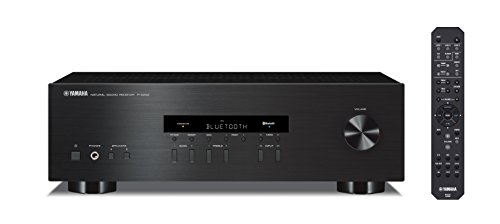


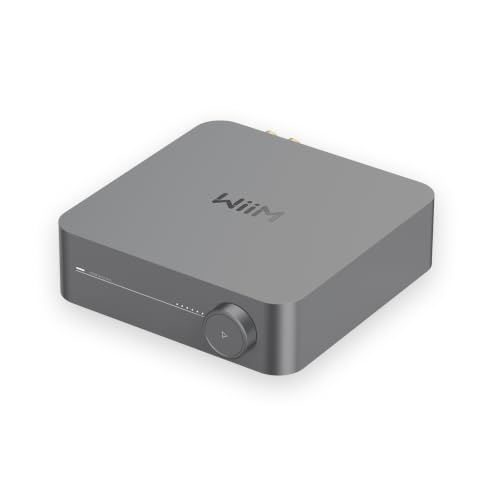
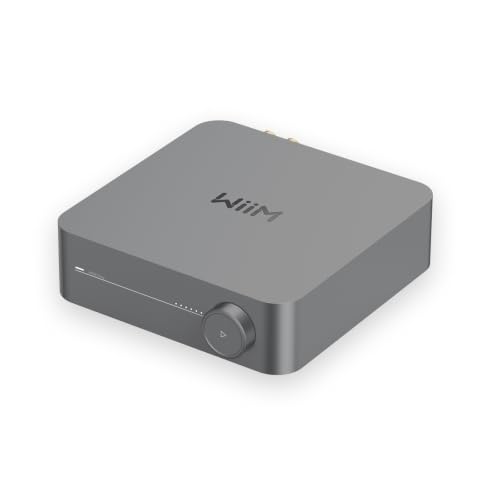


Three Setup Profiles at a Glance
Models change every season, so shop by profile instead. The three profiles below cover nearly every living room, desk, and media space, and each one trades money, simplicity, and control differently.
Overall Profile: The True 2.1 Integrated Amp
This profile is a stereo integrated amp with a dedicated subwoofer output and an adjustable crossover, usually around $250 to $500. It suits listeners who want music first with movies close behind, in a small to medium room. Its strengths are coherence and control: the amp decides where bass hands off to the sub, so the blend sounds seamless. The limitation is channel count, since it stops at two speakers plus the sub. If your ambitions end at a great 2.1 system, this profile is the sweet spot and rarely needs replacing.
Value Profile: The Stereo Amp With a Sub Output
This profile is a simpler stereo amp that adds a fixed subwoofer output or speaker level connections for a powered sub, often around $100 to $250. It suits budget conscious buyers upgrading bookshelf speakers in a bedroom, office, or small living room. Strengths are price and simplicity: setup takes minutes and the sub fills in the low end your speakers miss. The limitation is tuning, because a fixed crossover point may not match your speakers perfectly. You can still blend levels by ear with the sub volume and phase controls, and the result satisfies most listeners.
Premium Profile: The Receiver or Separates Route
This profile uses an AV receiver with proper bass management, or separate preamp and power amp components, typically about $600 and up. It suits home theater fans and larger rooms where precise calibration matters. Strengths include per channel crossover settings, room correction software that tames bass peaks, and room to grow toward surround sound later. The limitation is complexity and size, plus a setup process that rewards patience. If you already dream beyond two speakers, or your room has stubborn bass problems, the premium route solves problems the simpler profiles cannot.
How to Choose the Best Amp for Speakers and Sub: Buying Guide
Choosing well comes down to signal management more than raw power. The amp must send deep bass to the sub, spare your main speakers from notes they cannot reproduce, and keep both in step. The six points below, in order, will carry you to the right shortlist. For a wider view of amp formats first, see our guide to the best amp for speakers.
Features That Matter for Speakers and Sub
The defining feature is bass management: a subwoofer output plus a crossover you can set, ideally around 60 to 100 Hz to match your speakers. A powered sub has its own amplifier, so the amp only sends it a signal, while a passive sub needs real wattage from the amp itself. Check which kind you own before shopping. A high pass filter for the main speakers is the premium touch worth wanting, because relieving small speakers of deep bass makes them play cleaner and louder with the same power.
Sound Quality and Tuning
Good 2.1 sound is mostly about the blend at the crossover point. Set the crossover where your speakers naturally fade, then adjust sub volume until bass sounds like it comes from the speakers themselves. Phase control aligns the sub wave with the speaker wave; flip it and keep whichever setting sounds fuller at your seat. Frequency response of the amp should be flat and wide, since tuning happens through placement and these controls, not through amp coloration. Our guide to the best subs speakers explains sub driver sizes and room fit on the speaker side.
Durability and Water Resistance for Indoor Systems
A living room amp needs no IP rating, and any listing that advertises one for indoor gear deserves a raised eyebrow. Durability here means a sturdy case, binding posts that grip wire firmly, and protection circuits that shut the amp down safely during a short or overheat. Heat is the long term enemy, so vented cases and efficient class D designs age gracefully on a shelf. Keep the amp out of humid basements without ventilation, and dust the vents a few times a year so cooling stays effective.
Size, Weight, and Living With the Amp
Comfort for a 2.1 amp means it fits your furniture and its controls stay reachable. Receivers are deep and heavy, often needing about 16 inches of shelf depth plus cable room, while compact stereo amps suit sideboards and desks. Weight tracks with power supply size in traditional designs, though efficient modern amps break that rule. A clear display you can read from the couch and a remote with a dedicated sub level button make daily adjustments painless. Measure your shelf before ordering, because returns for size are the most avoidable frustration in audio.
Placement and Room Size for Speakers and Sub
Room size drives both power needs and sub choice. Small rooms excite bass easily, so a modest sub and about 30 to 50 watts per channel for the speakers go far, and corner placement may overload the low end. Large or open rooms need more of everything, and sometimes a second sub to smooth bass across seats. Place the sub where it sounds best from your main seat, which is rarely the tidiest corner; a quick method is to put the sub at your seat temporarily, play bass heavy music, and walk the room to find where bass sounds even. Mark that spot for the sub.
Microphone Based Room Calibration
An amp itself contains no microphone for your voice, but premium receivers include a small calibration microphone in the box. During setup you place it at your seat and the system measures distances, levels, and room reflections, then sets crossovers and equalization automatically. For subwoofer blending this is genuinely valuable, because bass interacts with room walls more than any other range. Stereo amps skip this feature, so you tune by ear instead, which works well with patience. If your room is awkwardly shaped, calibration is a strong reason to step up a tier.
Types of Amps for a 2.1 System
Wired Models
Classic stereo integrated amps are the wired default: sources connect by cable, speaker wire runs to the speakers, and a line level cable feeds the powered sub. They suit listeners who value stability and zero pairing fuss. There is no latency and no dropout, ever. If your sources live in one rack, wired is the simplest and most reliable architecture you can buy.
Wireless Streaming Models
Streaming amps add WiFi or Bluetooth sources to the same 2.1 foundation, so a phone becomes a full music library without cables. They suit households that stream everything and want one box to run the room. Sound quality over WiFi is full fidelity, while Bluetooth trades a little quality for convenience. Choose this type when streaming is your main source, and keep a wired input free for the TV.
Home and Bookshelf Models
Compact amps built for bookshelf speakers and a small sub dominate desks and modest living rooms. They pack 30 to 100 watts per channel into a small case and usually include a sub output. They suit near field and small room listening where huge power would go unused. If you later expand to four speakers and a sub, our guide to the best amp for 4 speakers and 1 sub covers the next step up.
Outdoor and Rugged Models
For a patio 2.1 setup, the amp still belongs indoors or inside a weatherproof equipment box, with wire running out to rated outdoor speakers and a sub built for the elements. Rugged here describes the speakers and enclosures, not a home amp you leave in the rain. This type suits covered outdoor living spaces where the electronics stay dry. Keep runs as short as the layout allows and use outdoor rated wire for anything exposed to sun or soil.
How to Make Your Amp Last Longer
- Give it air. Leave a few inches of open space above the vents and never stack other gear directly on top, because heat quietly shortens component life.
- Avoid constant clipping. If music sounds strained or harsh at parties, turn it down; distorted peaks stress both the amp and your speakers far more than clean volume does.
- Keep connections clean and tight. Reseat speaker wire yearly and check for frayed strands, which can short terminals and trigger protection shutdowns.
- Update firmware on streaming amps. Makers patch streaming and HDMI faults through updates, so apply them a few times a year.
- Dust the case and vents. A dry cloth and a soft brush keep cooling paths open; skip sprays and liquids anywhere near openings.
- Use surge protection. A decent surge protector guards the amp and the powered sub against the voltage spikes that arrive during storms.
Amps: Your Questions Answered
What features matter most in amps for speakers and sub?
A subwoofer output with an adjustable crossover matters most, followed by enough clean power for your main speakers. Set the crossover near where your speakers fade, often about 80 Hz for bookshelf models. A high pass filter for the speakers is the next most valuable feature. Confirm whether your sub is powered or passive before buying, because passive subs need an amp channel with real wattage behind it.
Wired or wireless: which sounds better for speakers and sub?
Wired sounds better and stays in sync, which matters greatly for a subwoofer because timing errors smear bass. Speaker wire and a line level sub cable add no delay and never drop out. Wireless sub links exist and can help in tricky rooms, but they may add slight latency that careful listeners notice on movie effects. Use wireless only when a cable path is truly impossible, and let the amp delay settings compensate if it offers them.
Do I need a special codec for an amp for speakers and sub?
No codec is needed for wired sources, which should be your main path for movies and serious listening. Codecs only shape Bluetooth playback: AAC for Apple devices, aptX for many Android phones, and LDAC for the highest wireless quality. A subwoofer makes Bluetooth timing quirks more obvious on rhythmic music, another reason wired wins at home. Choose codec support as a convenience feature, never as the deciding factor.
Final Thoughts
Judge every candidate on three points: bass management with an adjustable crossover, clean power matched to your room, and connections for the sources you own. Blend the sub patiently at your seat and the system will sound like one big speaker rather than two plus a box. Desk listeners can also compare notes with our guide to the best computer speakers with sub. Return to the product table above, and choose the best amp for speakers and sub that fits your speakers, your room, and your budget.


