
Best Amp for 4 Speakers and 1 Sub Made Simple: A Clear Buying Guide for 2026
Disclosure: We may earn a commission when you buy through links on this page, at no extra cost to you. As an Amazon Associate I earn from qualifying purchases. Learn more

Shopping for the best amp for 4 speakers and 1 sub for the first time? Learn the terms, compare options, and avoid rookie mistakes with this easy guide.
Choosing your first amplifier feels confusing because the spec sheets mix channels, watts, and ohms in one long list. Finding the best amp for 4 speakers and 1 sub gets much easier once you know that you need five powered outputs in total, four for the main speakers and one built for bass.
This guide starts with the plain basics, then walks through power, wiring, and tuning in simple steps. By the end you will know what to buy, what to skip, and how to use the comparison table below to narrow your short list with confidence.
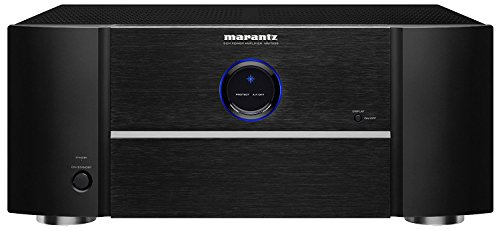

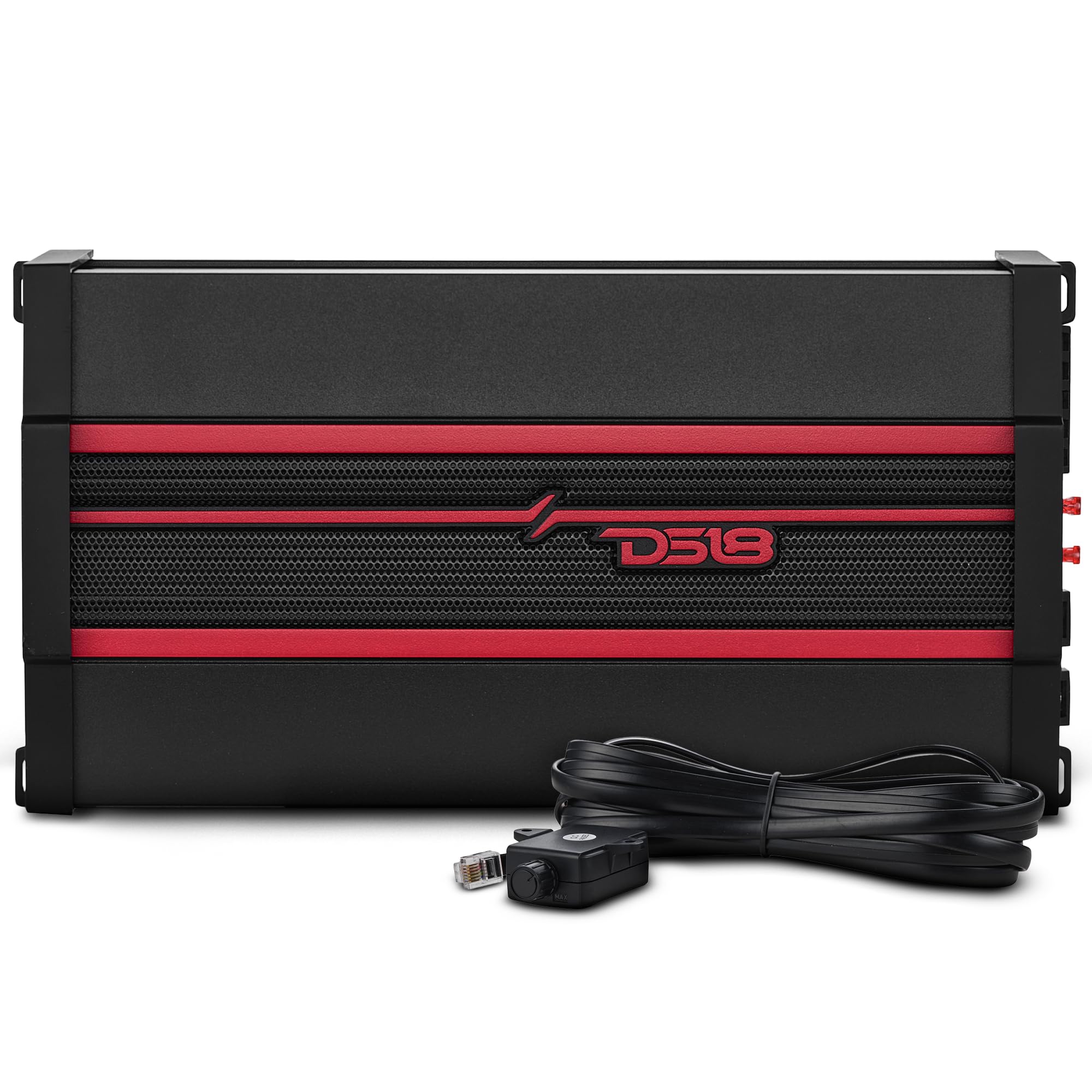


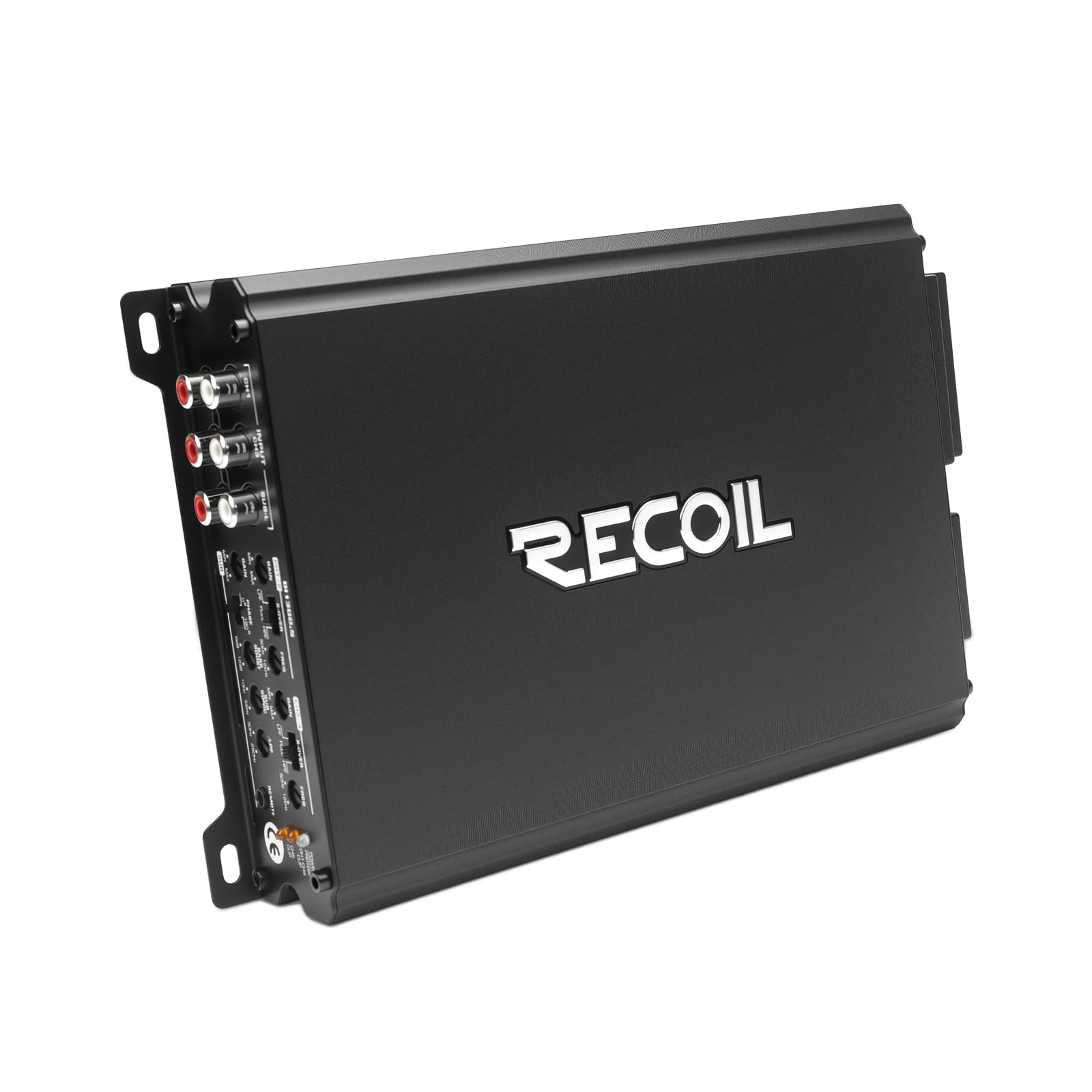

Amps 101: The Basics
An amplifier takes a weak audio signal from your head unit or phone and makes it strong enough to move speaker cones. Without enough clean power, speakers sound thin and strained, and turning the volume up only adds harsh distortion instead of real loudness.
For your setup, the most common solution is a five channel amp. Four channels run the front and rear speakers, and a fifth mono channel is built to run one subwoofer. The other solution is two separate amps, one four channel amp and one mono amp, which costs more and needs more wiring but gives you more power and more upgrade room.
Three terms explain most of the spec sheet. RMS watts tell you the steady power an amp can deliver, and that is the number to trust. Impedance, measured in ohms, tells you the load a speaker places on the amp. A crossover is a filter that sends low notes to the sub and higher notes to the smaller speakers, so each one only plays what it handles well.
Key Specs Explained in Plain English
Features That Matter for 4 Speakers and 1 Sub
Start with channel count, because it decides whether the amp can run your whole system at all. A five channel amp is the simplest fit, while a four channel amp alone leaves the sub with no power unless you bridge channels and give up speakers. Look for about 50 to 75 RMS watts per main channel for most car and home speakers, and about 250 to 500 RMS watts on the sub channel for one modest sub. Match the sub channel rating to the impedance you will wire, since power changes at 2 ohms versus 4 ohms. If you are still comparing simpler layouts, see our guide to the best amp for 4 speakers for how a system sounds before you add bass.
Sound Quality and Tuning
Good tuning matters more than a huge peak power number. You want a variable low pass crossover for the sub channel, usually adjustable up to about 80 to 120 Hz, and a high pass crossover for the main speakers so they are not forced to play deep bass. A gain control is not a volume knob. Set it so the amp matches your source level without clipping, which is the point where the signal flattens and sounds harsh. A bass boost can help at low volume, but use it sparingly because too much boost is the fastest route to distortion and a hot amp.
Durability and Heat Management
Amps work hard and they make heat, so build quality and mounting space decide how long yours lasts. A solid metal chassis acts as a heat sink, and the amp needs open air around it rather than a tight sealed box. In a car, never mount an amp flat under carpet where heat gets trapped. For a boat or an open vehicle, look for coated circuit boards and sealed controls that resist moisture. If your speakers will live outdoors on the water, our guide to the best marine amp for 4 speakers explains the extra protection that marine use demands.
Size, Fit, and Weight
Measure your mounting space before you shop, not after the box arrives. Compact Class D amps run cooler and fit under a seat or behind a panel, while larger Class AB designs need more room and more airflow. Check the full footprint including where the power and speaker wires enter, because tight bends add inches you did not plan for. Weight matters less in a car than on a boat, but a heavier chassis often means a larger heat sink. Always leave room to reach the tuning controls after install, or your first setup session becomes frustrating.
Power Supply and Charging System Demands
An amp does not carry its own battery, so this section is really about the power supply feeding it. In a car, a five channel amp playing loudly can draw serious current from the alternator and battery. Use power and ground wire of the gauge the manual specifies, keep the ground short, and place the fuse near the battery as directed. If your lights dim on bass notes, your wiring or charging system needs attention before a bigger amp goes in. At home, confirm the amp suits your outlet and speakers, and never guess at wiring you do not understand.
Choosing Amps for Your Situation
Best Amp for 4 Door Speakers and 1 Sub
If your four speakers are car door speakers, the phrase best amp for 4 door speakers and 1 sub points to a few specific needs. Door speakers are usually 4 ohm models that want clean power more than huge power, so about 50 to 75 RMS watts per channel is plenty. Choose an amp with high pass crossovers you can set around 80 Hz so the doors stay clear, and plan your wire runs through the doors before you buy. For general layouts that mix door speakers with a trunk sub, our guide to the best amp for speakers and sub covers placement and wiring choices in more depth.
Rookie Mistakes to Avoid
- Buying by peak power alone. Peak or max watts are marketing numbers. Compare RMS watts at the same impedance, or you will overpay for power you never get.
- Ignoring impedance. Wiring a sub below the lowest load the amp allows can trigger protection mode or damage. Check the manual and match your wiring plan to it.
- Skipping the crossovers. Running door speakers full range while a sub plays the same bass wastes power and muddies the sound. Set both crossovers during setup.
- Using thin power wire. Undersized wire starves the amp, causes voltage drop, and can get hot. Follow the gauge chart in the manual for your power level and run length.
- Setting gain by ear at full volume. Loud is not the same as correct. Raise gain slowly, stop at the first sign of harshness, then back it down a little.
Getting Started: Setup and First Use
Begin with the vehicle or system powered off and the battery disconnected where the manual requires it. Mount the amp on a flat surface with airflow, run power wire away from signal cables to reduce noise, and connect speakers with careful attention to positive and negative terminals. One reversed speaker will cancel bass and make the system sound oddly hollow.
Next, set all crossovers before your first loud listen. Start the sub low pass near 80 Hz and the main speaker high pass near 80 Hz, then adjust in small steps. Keep any bass boost at zero while you set gain. Play music you know well at a moderate level, check for heat or shutdown after about 15 minutes, and recheck every connection once the system has settled. Keep firmware updated if your amp has a control app, and store the manual and settings notes where you can find them later.
One more practical point concerns speaker size. Larger door and rear speakers, including common oval sizes, often handle a little more power and play lower than small round ones. If your system uses them, our guide to the best amp for 4 6x9 speakers explains how that changes your power and crossover choices.
Frequently Asked Questions
What features matter most in amps for 4 speakers and 1 sub?
Five channels and honest RMS ratings matter most. You need four channels matched to your main speakers, a mono sub channel with enough power at your wired impedance, and crossovers for both groups. Add a remote bass level control if your listening varies a lot, because it lets you trim bass from the seat without opening menus or reaching the amp itself.
How long does the battery last?
There is no amp battery to time, since the amp draws from your vehicle or home supply while it plays. What matters is current draw at your normal volume. A modest five channel setup is fine for everyday driving, but playing loudly for long periods with the engine off can drain a car battery, so keep those sessions short.
Wired or wireless: which sounds better?
A wired connection sounds better and stays more consistent for this kind of system. Speaker wire carries the powered signal to each speaker and sub, and there is no compression or dropouts to worry about. Wireless links are handy for sending a signal to the amp in some home setups, but the final run to the speakers is still wired for good reason.
What IP rating do I need for outdoor use?
For normal car or indoor use you need no IP rating at all. For a boat or an exposed outdoor install, look for a marine rated amp with coated boards and sealed controls rather than relying on a single IP number. Keep connections protected from direct spray, and rinse salt residue off exterior gear as the maker directs. Matching your speakers to the amp also matters, so check impedance first with our guide to the best amp for 4 ohm speakers if your set is rated at 4 ohms.
The Bottom Line
Keep your decision simple. Confirm five channels, compare RMS watts at the impedance you will actually wire, and make sure both crossovers are present and adjustable. Those three checks rule out most poor matches before price even enters the picture.
From there, choose the size that fits your space and the power level that suits your listening habits rather than the biggest number on the box. The product table above pulls the short list together so you can compare layouts side by side. Picked with care, the best amp for 4 speakers and 1 sub will make your whole system sound fuller, cleaner, and far more enjoyable every day.


