
Best Amp for Focal Speakers Made Simple: A Clear Buying Guide for 2026
Disclosure: We may earn a commission when you buy through links on this page, at no extra cost to you. As an Amazon Associate I earn from qualifying purchases. Learn more

Shopping for the best amp for focal speakers for the first time? Learn the terms, compare options, and avoid rookie mistakes with this easy guide.
Buying your first amp can feel like learning a new language, with watts, ohms, and channels all competing for your attention. This plain English guide to the best amp for focal speakers starts from zero and builds up step by step. By the end you will know which specifications matter for Focal speakers, which ones you can ignore, and how to set a sensible budget.
Focal makes home speakers and car speakers, and the amp choice differs between those two worlds, so this guide flags the differences as they come up. Start with the comparison table below, then work through the basics here in order.
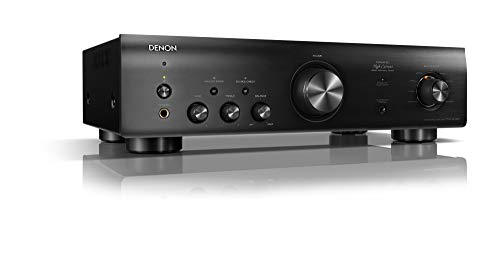


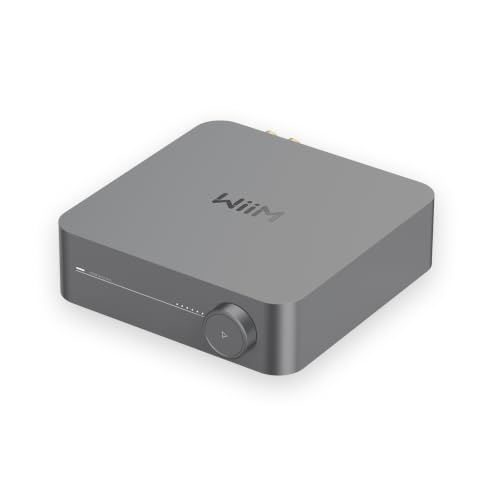


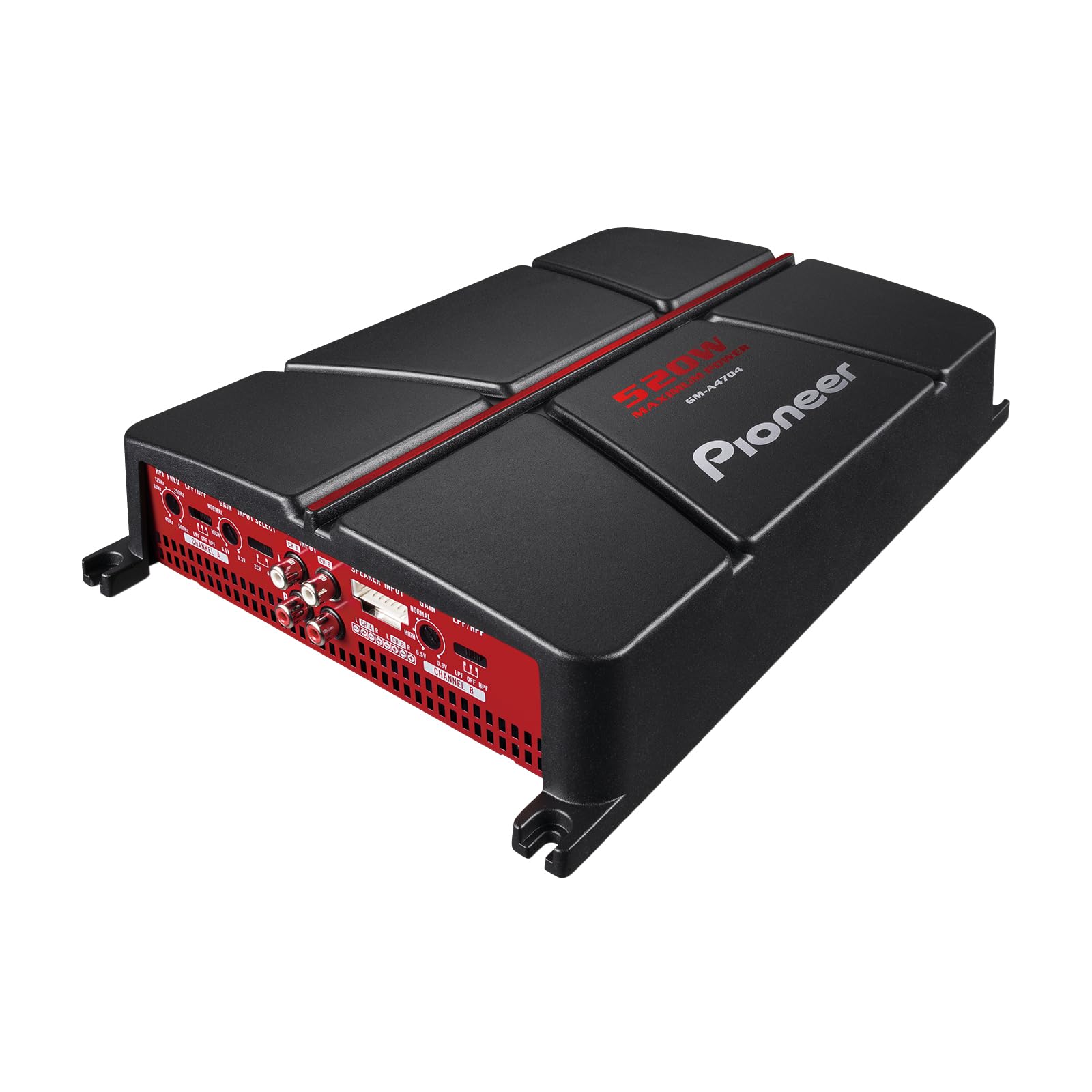
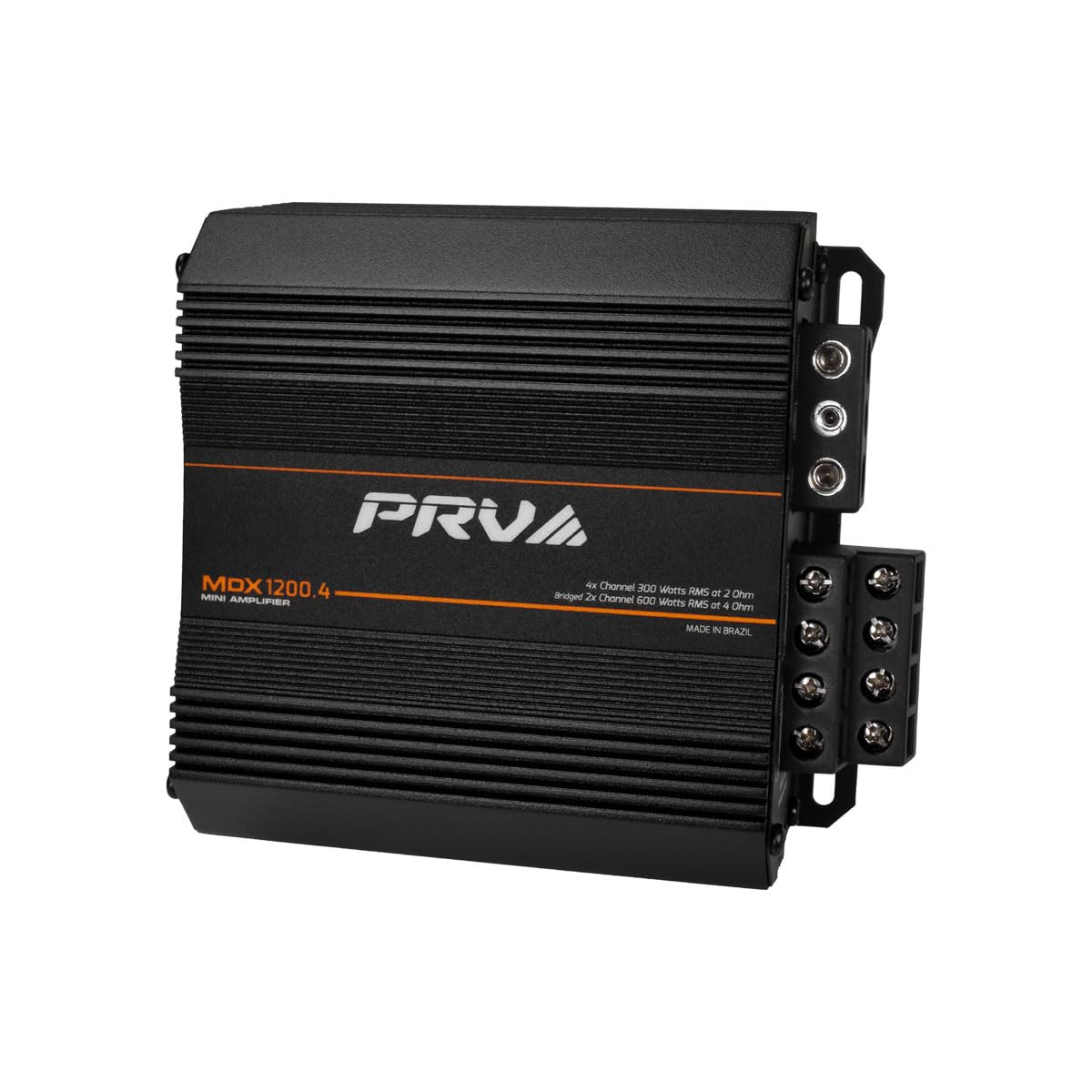
Amps 101: The Basics
An amp takes a small audio signal from a phone, a TV, a streamer, or a car head unit and makes it strong enough to move speaker cones. Your source provides the music and the volume instructions, the amp provides the muscle, and the speakers turn that muscle into sound. Without an amp, passive Focal speakers stay silent, because they have no power supply of their own.
Three terms explain most listings. Watts describe power, and the RMS figure is the honest one to compare because it shows sustained output. Ohms describe impedance, which is the load the speaker presents, and your amp must be rated as stable at that load. Channels describe how many speakers the amp can drive, so a two channel amp runs a stereo pair and a four channel amp can run front and rear car speakers. Learn those three terms and the rest of this guide will make sense.
Key Specs Explained in Plain English
Features That Matter for Focal Speakers
Focal speakers are known for clear, detailed treble from their inverted dome tweeters and for lively dynamics. That clarity is a gift, but it also reveals a harsh or weak amp quickly. Prioritize an amp with low distortion, stable operation at the impedance of your model, and tone controls or an equalizer you can use to gently soften treble in a bright room or car cabin. If you have not settled on the speakers yet, see our guide to the best focal speakers to note the sensitivity and impedance of the set you like. Home Focal models are often rated at 8 ohms but can dip lower, while car models are usually 4 ohms.
Sound Quality and Tuning
Sound quality starts with a flat frequency response, meaning the amp boosts no part of the music on its own. From there, tuning is about small adjustments to suit your room, your car, and your taste. A simple bass and treble control covers most first time needs, while a multi band equalizer gives finer control if voices or cymbals need attention. Focal speakers tend to sound open and precise, so avoid amps that advertise heavy bass boost as their main feature. Clean, even power will flatter them far more than exaggerated tuning.
Connectivity
Make a short list of everything you want to plug in, then check the amp has those inputs. Home buyers usually need an optical input for a TV, a USB or coaxial input for digital sources, and RCA inputs for analog gear. Car buyers need RCA inputs from an aftermarket head unit or speaker level inputs for a factory radio. Bluetooth is a useful extra for phone listening, and versions such as 5.3 give stable range, while codec names such as AAC and aptX only affect that wireless input. A wired connection remains the safest choice for your best quality listening.
Power Supply and Running Costs
Speaker amps plug into wall power at home or wire to the vehicle battery in a car, so there is no battery life figure to compare when you shop. What you can compare is how the amp uses power. Compact Class D amps run cool and efficient and suit desks and small cabinets. Larger Class AB amps run warmer and need open air around them. In a car, a powerful amp also needs suitable power cable and a solid ground, and those install parts belong in your first budget from the start.
Ecosystem and App Features
Some amps include an app for equalizer settings, input naming, and firmware updates, while others rely on physical knobs and a remote. Neither approach is wrong, but simple controls age better and confuse guests less. If you choose an app based amp, confirm the app works with your phone system and that basic volume still works from the unit itself. Keep firmware updated through the app when updates appear, since makers use them to fix bugs and improve stability. For a first system, a clear remote and honest front panel controls usually beat a long list of smart features.
Rookie Mistakes to Avoid
- Buying by peak watts. Peak figures describe a split second burst. Compare RMS power at a stated distortion level and at the impedance of your speakers instead.
- Ignoring impedance. Running speakers that dip below the load your amp supports can trigger shutdowns or damage. Match the amp rating to the speaker specification sheet first.
- Forgetting the source. An amp cannot add an input it does not have. List your TV, phone, turntable, or head unit needs before you fall for a design you like.
- Skipping install costs. Car amps need power cable, fusing, and often professional fitting. Our guide to the best car speakers with amp shows typical layouts so you can budget for the whole job.
- Setting gain by ear alone at full volume. Gain set too high adds distortion that can harm tweeters, and Focal tweeters reveal that harshness fast. Raise gain slowly and stop while the sound stays clean.
Getting Started: Setup and First Use
Place the amp on a stable surface with air space around its vents, then connect speakers before you connect power. Keep positive and negative terminals consistent on both speakers, because swapped polarity on one side thins out the bass. Start with tone controls flat, volume low, and one familiar song, then adjust in small steps. In a car, have the power cable fused near the battery and route signal cables away from power cables to keep noise down. During the first week, check that the amp runs at a comfortable temperature and that no protection lights appear at your normal listening level. If you are comparing general amp types as you learn, our guide to the best amp for speakers is a helpful companion read.
Frequently Asked Questions
What features matter most in amps for focal speakers?
Low distortion, stability at the impedance of your Focal model, and usable tone control matter most. Focal speakers reproduce detail faithfully, so a clean amp sounds spacious while a distorted one sounds tiring within minutes. After those basics, match the inputs to your sources and the channel count to your speaker layout. That short list will guide a first purchase better than any single headline specification.
Wired or wireless: which sounds better?
A wired input sounds better because the signal arrives complete, with no wireless compression and no pairing interruptions. Bluetooth has improved a great deal and suits casual listening, playlists at dinner, and guests sharing music. For films, careful listening, and your favorite albums, plug in a cable or use a wired digital input. Many owners use both, choosing Bluetooth for convenience on weekdays and wired connections when they sit down to listen.
How long does the battery last?
There is no battery inside a speaker amp, so there is no runtime figure to check. Home amps run on household power and car amps run on the vehicle battery and charging system. The practical concern in a car is avoiding long listening sessions while parked with the engine off, because a strong amp can flatten a weak battery. At home, the only related figure is standby power use, which is small on most modern models.
Our Verdict
First time buyers should focus on three things: honest RMS power, the right impedance rating, and inputs that match their sources. Get those right and Focal speakers will reward you with the clarity they are known for. Review your shortlist in the product table above, and remember that the best amp for focal speakers for a beginner is the one you can connect, set up, and adjust with confidence. If your Focal set is going into car doors, our guide to the best amp for door speakers adds install advice specific to that location.


