
Best Amp and Speakers for Turntable: What Actually Matters Before You Buy for 2026
Disclosure: We may earn a commission when you buy through links on this page, at no extra cost to you. As an Amazon Associate I earn from qualifying purchases. Learn more

Learn what matters in the best amp and speakers for turntable setups: phono stage, power match, placement and value for vinyl listening.
Choosing separates for a record player feels confusing because three jobs must work together. Your cartridge makes a tiny signal, something must boost and shape that signal, and your speakers must turn power into sound that fits your room. This guide gives you a simple checklist for finding the best amp and speakers for turntable use without paying for features you will never touch.
Start with the comparison table below to see how systems differ in inputs, power, and size. Then use the criteria in this guide to judge each option against your turntable, your listening space, and the records you play most.
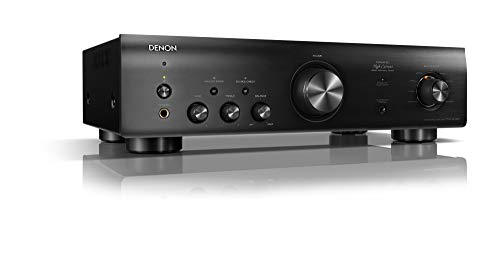

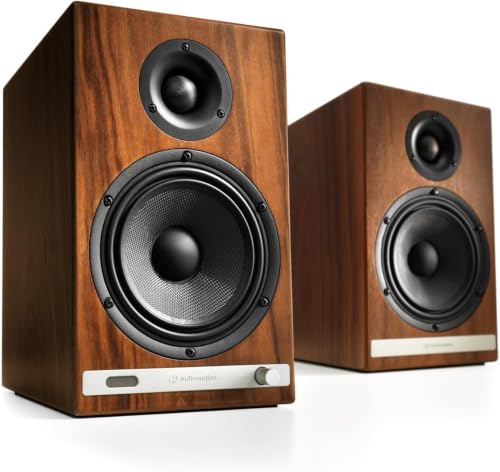


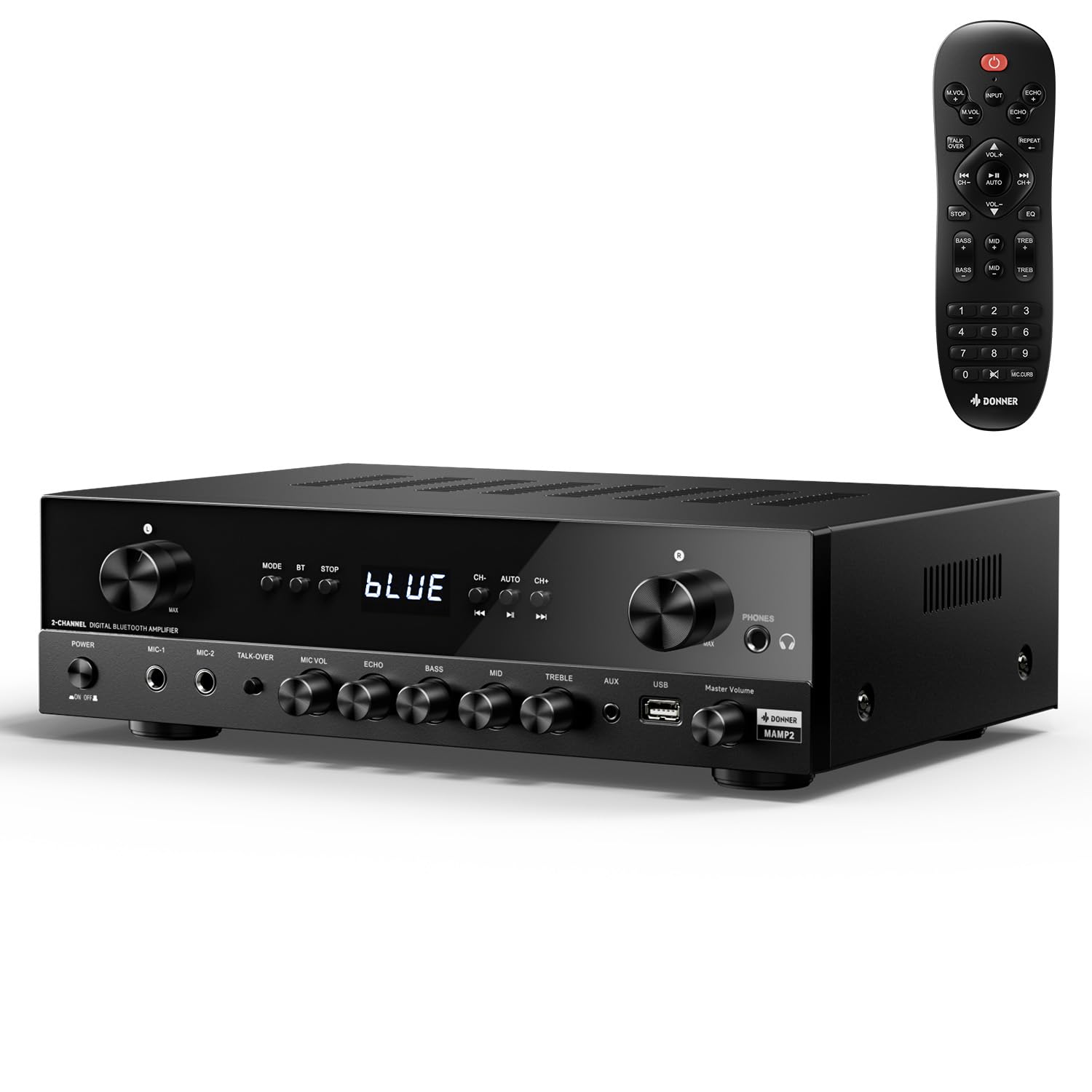

How to Evaluate Amp and Speakers
Think of evaluation as a chain. A weak link early in the chain limits everything after it, no matter how good the speakers are. Score each candidate on the phono stage first, then on power match, then on placement fit, and only then on extras such as Bluetooth or a remote.
A practical score helps you compare unlike systems. Give the most weight to clean gain and low noise, because vinyl has surface noise and quiet passages that expose hiss quickly. Give the least weight to long feature lists that duplicate what your phone or streamer already does well.
Features That Matter for Turntable
A turntable needs a phono input or a separate phono stage, because the signal from a cartridge is far weaker than the signal from a phone or a CD player. Look for a moving magnet input as the standard choice, and check whether the gain is sensible for typical cartridges. A ground terminal matters too, since it stops hum. If your turntable already has a built in phono stage, confirm you can switch it off when you use the amp input, so the signal is not boosted twice.
Sound Quality and Tuning
Frequency response tells you the range a speaker can reproduce, but the shape of that response shapes what you hear. A mostly neutral balance suits records well because it keeps voices clear and avoids boomy bass on older pressings. Driver size plays a role, with larger woofers moving more air for bass and smaller designs often sounding tighter in small rooms. Tone controls or a simple equalizer help you trim bass when speakers sit close to a wall, which is common in apartments.
Placement and Room Size (for Speakers)
Room size should drive speaker size more than brand reputation does. Compact bookshelf speakers suit desks and small living rooms, while larger cabinets fill open spaces without strain. Aim for tweeters near ear height when you sit, and form a rough triangle between the two speakers and your chair. Pulling speakers a short distance from the back wall usually cleans up bass. If space forces them onto a shelf, foam pads under the cabinets reduce vibration and keep the sound clearer at low volume.
Ecosystem and App Features
Extra features should solve a real problem in your routine. Bluetooth helps when guests want to play a song from a phone between records, and a subwoofer output helps if your room needs more low end later. An app based equalizer can be useful, but physical knobs are faster for daily volume and tone changes. Check that firmware updates, if offered, are simple to install. Avoid paying extra for a large screen or voice control on an amp you will mostly operate from your listening chair.
Three System Profiles to Consider
The product table above groups options in different ways, so use these three profiles to match a type of system to your needs and budget. Each profile describes criteria and price tier guidance rather than a single product, which keeps your choice open across brands and sales.
Overall
A balanced system for most listeners pairs a clean integrated amp with a proper phono input, about 30 to 60 watts per channel, and bookshelf speakers with a neutral balance. Expect to pay about $400 to $900 for the amp and speakers together in this tier. You gain low hiss on quiet passages, enough headroom for dynamic classical and rock records, and inputs for a streamer later. The main limit is deep bass, since compact cabinets cannot move as much air as floor standing designs in a large room.
Value
A value system keeps the phono stage and power match right while trimming extras. A smaller amp with about 20 to 40 watts per channel and compact speakers often costs about $200 to $450 as a set. This tier suits bedrooms, offices, and first record setups where volume stays moderate. Spend what you save on records, a better cartridge later, or proper speaker stands. The trade off is fewer inputs and less headroom, so very loud listening or a future move to a big room may mean upgrading the amp sooner.
For Heavy Use
A heavy use system is built for daily listening, shared homes, and long sessions. Look for a sturdy amp with strong cooling, a metal case, clear protection circuits, and speakers with robust cabinets and replaceable grilles. Budgets around $700 to $1,400 are common here. If you like the idea of fewer boxes, compare this route with our guide to the best active speakers for turntable, where the amp lives inside the speaker. The limit in this tier is size and weight, so measure your shelf and check door access before you order.
Powered designs blur the line between these profiles. Our guide to the best powered speakers for turntable explains when built in amplification is the simpler path, while readers who already own passive speakers can narrow their search with our guide to the best amp for speakers and then confirm the phono stage question separately.
Quick Buyer Checklist
Answer each question before you buy. A no answer does not always rule a system out, but it should make you pause and check the detail.
- Does the amp or speaker system include a phono input that matches your cartridge type?
- Can you switch off any built in phono stage so the signal is boosted only once?
- Does the power rating suit your room size and your normal listening volume?
- Do the speakers fit your shelf or stands with room for air flow around the amp?
- Is there a ground terminal and a clear way to route cables away from power cords?
- Do you have the inputs you need for a streamer, a TV, or a CD player later?
- Does the warranty cover at least one year, with a clear returns policy?
Red Flags to Watch For
Vague power claims are the biggest warning sign. A seller that lists only a peak power number, with no rating per channel and no impedance stated, is hiding the useful facts. Be wary of a phono input with no mention of cartridge type, since that often means a cheap stage with high noise.
Other red flags include no ground terminal on a vinyl focused amp, cabinets that feel hollow and light for their size, and a warranty of only a few months. Unusual patterns of short praise filled listings with no critical detail are also a reason to slow down. Finally, avoid bundles that spend most of the budget on cables and accessories while the amp and speakers themselves look like the cheapest parts.
Care and Maintenance Tips
Keep vents clear and wipe dust from the amp and speaker cabinets with a dry cloth, since dust traps heat and finds its way onto records. Keep your stylus clean with a proper brush and check tracking force after any move. Store records upright and away from heat, because warped vinyl will sound poor on any system. Recheck cable connections once or twice a year, and tighten any loose speaker terminals with the power off.
Frequently Asked Questions
What features matter most in amp and speakers for turntable?
The phono stage, power match, and speaker placement matter most. A clean phono input with the right gain keeps quiet passages free of hiss, and sensible power keeps peaks free of distortion. One point many buyers miss is cable length. Plan your shelf layout before you order, because speaker cable runs and a short ground wire can decide where each box can actually sit in the room.
Wired or wireless: which sounds better?
A wired connection sounds better for vinyl in most homes. Speaker wire and a standard interconnect carry the signal without compression or delay, and they never drop out mid record. Wireless links are handy for playing music from a phone, and modern Bluetooth can sound pleasant for casual listening. For your main record chain, though, keep every link wired. One extra tip is to label each cable at both ends, which makes later troubleshooting far faster.
Final Thoughts
Judge every candidate by the same three tests. The phono stage must be quiet and correctly matched, the amp power must suit your room and speakers, and the speakers must fit the space where you actually sit. Get those right and format extras become a matter of taste and budget.
Use the product table above to compare systems against that short list, and take your time with placement once your best amp and speakers for turntable choice arrives. Small moves in speaker position often improve the sound more than another upgrade would.


