Best Active Speakers for Turntable 2026: A Buying Guide
Disclosure: We may earn a commission when you buy through links on this page, at no extra cost to you. As an Amazon Associate I earn from qualifying purchases. Learn more

Phono stages, inputs, driver size and placement explained for choosing the best active speakers for turntable use.
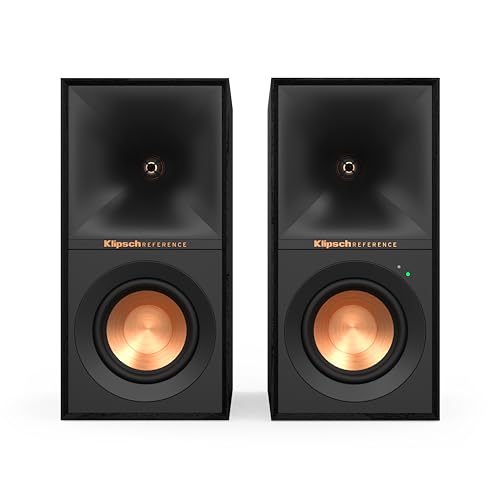
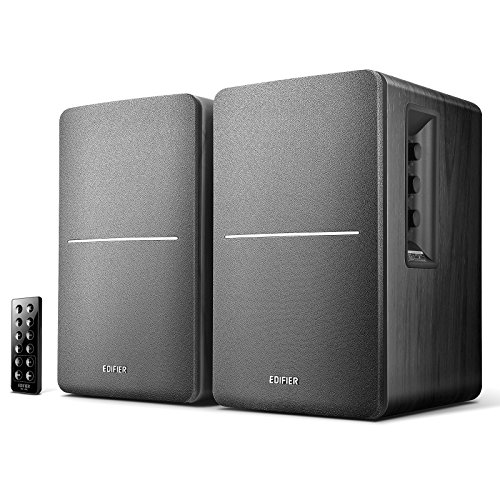
A turntable deserves speakers that respect its quiet, detailed signal, and active models make that pairing refreshingly simple. If you are searching for the best active speakers for turntable listening, you are really choosing a complete playback chain in two cabinets. The product table offers a quick overview of the best active speakers for turntable setups, and this guide walks through the details that shape the final sound.
Turntables differ in one important way: some include a phono preamp and some do not. That single detail decides whether you can connect straight to a line input or need a phono stage somewhere in the chain. Check the back of your turntable for a phono and line switch before you shop, and keep that answer in mind through every section below.



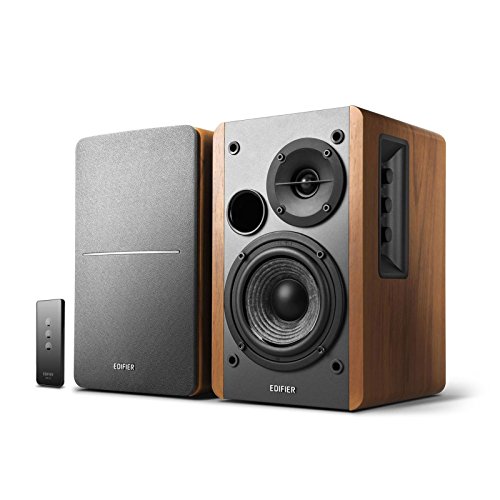
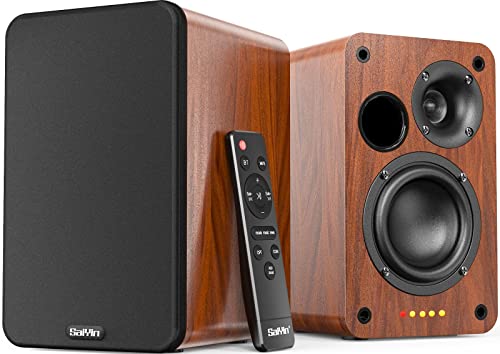


Who Should Buy Them
These speakers suit vinyl lovers who want fewer components and a clean look. They fit apartments, dens, and listening corners where a full amplifier stack would dominate the room. They also suit listeners returning to vinyl after years away, since the setup is forgiving. Dedicated amplifier owners who enjoy swapping components may prefer passive speakers, which keep that hobby open.
Key Features to Compare
Compare turntable speakers on the points that change what you hear every day, not only on wattage figures.
- Phono stage handling. Know whether the speaker, the turntable, or a separate box provides the phono stage, since a missing stage means very quiet sound.
- Input variety. RCA inputs are essential for turntables, while optical and Bluetooth inputs add flexibility for other sources.
- Tweeter and woofer balance. A smooth tweeter keeps vinyl highs gentle, while a capable woofer gives bass weight without boom.
- Cabinet build. Solid, well braced cabinets reduce vibration that can color the sound, especially at higher volumes.
- Remote control. A remote is a small luxury that becomes a daily pleasure when speakers sit across the room.
Types of Active Speakers for a Turntable
Turntable speakers fall into a few useful groups, each with its own strengths for vinyl rooms.
- Compact bookshelf pairs. Neat and affordable, ideal for desks, shelves, and small listening rooms.
- Studio style monitors. Flatter, more revealing sound that suits careful listeners who want to hear record detail.
- Larger living room pairs. Deeper bass and wider sound for open rooms and shared listening.
- Pairs with subwoofer output. A path to deeper bass later, without giving up the simplicity of an active pair now.
How to Choose the Right One
Begin with the phono question, then match speaker size to your room. A small room rewards compact speakers and careful placement, while a large room needs bigger drivers to avoid strain. Think about where the turntable will live too, since vibration from speakers can reach a nearby turntable and cause feedback. A sturdy stand or separate shelf for the turntable helps a great deal.
Try to audition with records you know well, since familiar music reveals differences faster than unfamiliar demo tracks. Listen for clear voices, natural cymbals, and bass that stays controlled. The product table lets you compare inputs and cabinet sizes at a glance, which is handy once you have narrowed the field to two or three pairs.
For related guides, see the best turntable and speakers, the best active speakers, the best powered speakers for turntable, the best turntable and speakers package and the best affordable speakers for turntable.
Budget and Long Term Value
Most home turntable speaker pairs fall between about $120 and $500, with premium pairs costing more. Higher prices often bring better drivers, quieter electronics, and nicer cabinets. Do not overlook stands and cables in your budget, since good placement is worth more than a small step up in speaker price. If you need a separate phono preamp, include it in the total from the start.
Everyday Use and Care
Handle records by the edges, clean them before play, and replace a worn stylus on schedule. Keep speakers out of direct sunlight and away from radiators, since heat can age cabinets and electronics. Check cables once in a while for loose plugs, and keep the turntable level so the tonearm tracks evenly. Small habits like these protect both records and speakers.
Mistakes to Avoid
- Forgetting the phono stage and ending up with barely audible sound.
- Placing the turntable on the same surface as a vibrating speaker.
- Choosing speakers far too large for a small room.
- Ignoring input options and later discovering a missing Bluetooth or optical connection.
Getting the Most From Your Choice
Living with a turntable setup rewards patience during the first week, since new speakers and a new listening position both need settling time. Play records you know intimately and notice voices, bass control, and high frequency smoothness rather than loudness alone. Keep volume moderate at first, check that the turntable stays level, and confirm cables sit firmly without strain. These early checks reveal setup problems while returns and adjustments remain easy.
Consider the whole listening corner, including seating, lighting, and record storage, because vinyl listening is a ritual as much as a technology. A comfortable chair at the right distance, a small shelf for records in progress, and a brush kept beside the player all encourage more listening. When the setup invites you to sit down, you will use it far more than a technically perfect system that feels awkward to operate.
Questions to Ask Before You Order
Before ordering, verify the phono stage location, measure available space, and list every source you want connected. Ask about remote control, input switching, and whether speaker placement near the turntable could cause feedback. Answering these points early avoids mismatched inputs, cramped shelves, and the frustration of discovering a missing connection after delivery day has passed.
- Where does the phono stage live in my current chain?
- How far will speakers sit from my listening seat?
- Do I need a remote for daily volume control?
- Can the turntable sit separately from speaker vibration?
Frequently Asked Questions
What is the difference between a turntable and a record player?
The words are often used for the same thing, but turntable usually means the spinning deck itself, while record player can mean a complete unit with built in speakers. For speaker shopping, the distinction matters less than the output type. Check whether your deck has a built in preamp, since that decides your connection.
Do active speakers need a preamp?
Active speakers need a phono signal that has already passed through a phono preamp. That preamp may live in the turntable, in the speaker, or in a separate box. If none of those is present, sound will be very quiet and thin. Confirm where your preamp lives before you buy anything else.
Where should I place turntable speakers?
Place them at ear height, roughly as far apart as you sit from them, and slightly angled toward your seat. Keep them off the same shelf as the turntable when possible, since vibration can travel into the stylus. A little space from the wall usually tightens bass and opens the sound.
Can active speakers handle bass heavy records?
Yes, provided the woofer size suits your room and volume. Larger woofers reach deeper notes with less strain. If you love bass heavy music in a bigger room, consider a pair with a subwoofer output so you can add low end later without replacing the main speakers.
How long do active speakers last?
A well made pair can last many years with normal home use. Electronics age more slowly when kept cool and dust free, and drivers last longer when not constantly pushed to maximum volume. Treat them gently, keep volume reasonable, and they should serve your record collection for a long time.
Final Thoughts
The best active speakers for turntable setups balance the right input, the right size, and thoughtful placement. Sort out the phono stage first, then let room size guide your choice. With those two decisions made, vinyl listening becomes simple, warm, and genuinely enjoyable.