
Best Amino Acid Tablets Bodybuilding Guide: How to Choose for 2026
Disclosure: We may earn a commission when you buy through links on this page, at no extra cost to you. As an Amazon Associate I earn from qualifying purchases. Learn more

Compare the best amino acid tablets bodybuilding formulas by leucine dose, testing seals and cost per serving with a clear guide built for serious training days.
Bodybuilding puts a specific demand on your supplement shelf: you need enough essential amino acids, at the right times, without wrecking your stomach or your food budget. The best amino acid tablets bodybuilding formulas share a few traits, including a transparent label, a clearly stated leucine amount, and independent testing. This guide explains how to judge those traits so you can separate a useful training tool from an expensive bottle of filler.
Use the product table to line up your shortlist, then work through the formula styles and buying criteria that follow. You will finish knowing what to look for on the label, when tablets beat powders, and when food alone already covers your needs.


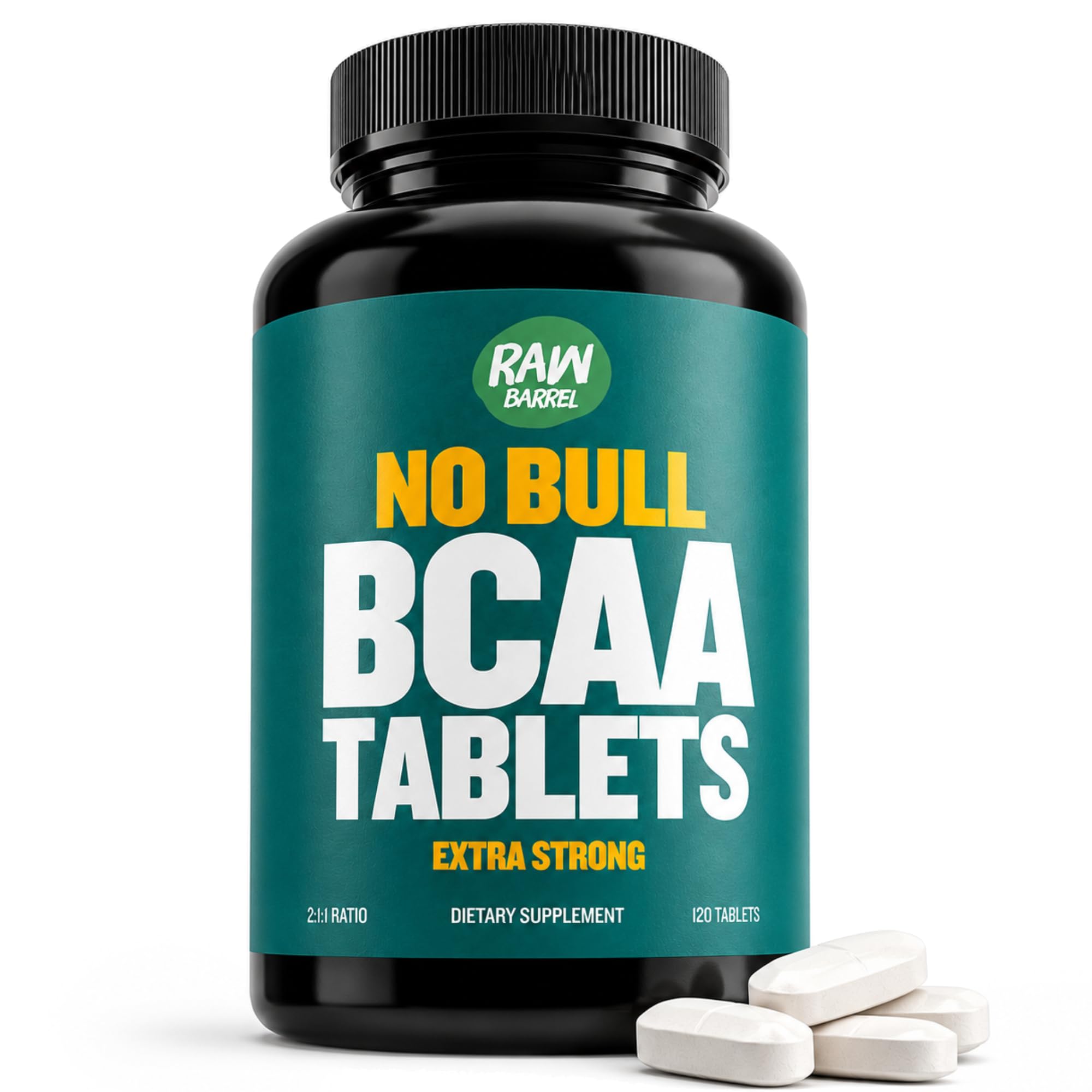


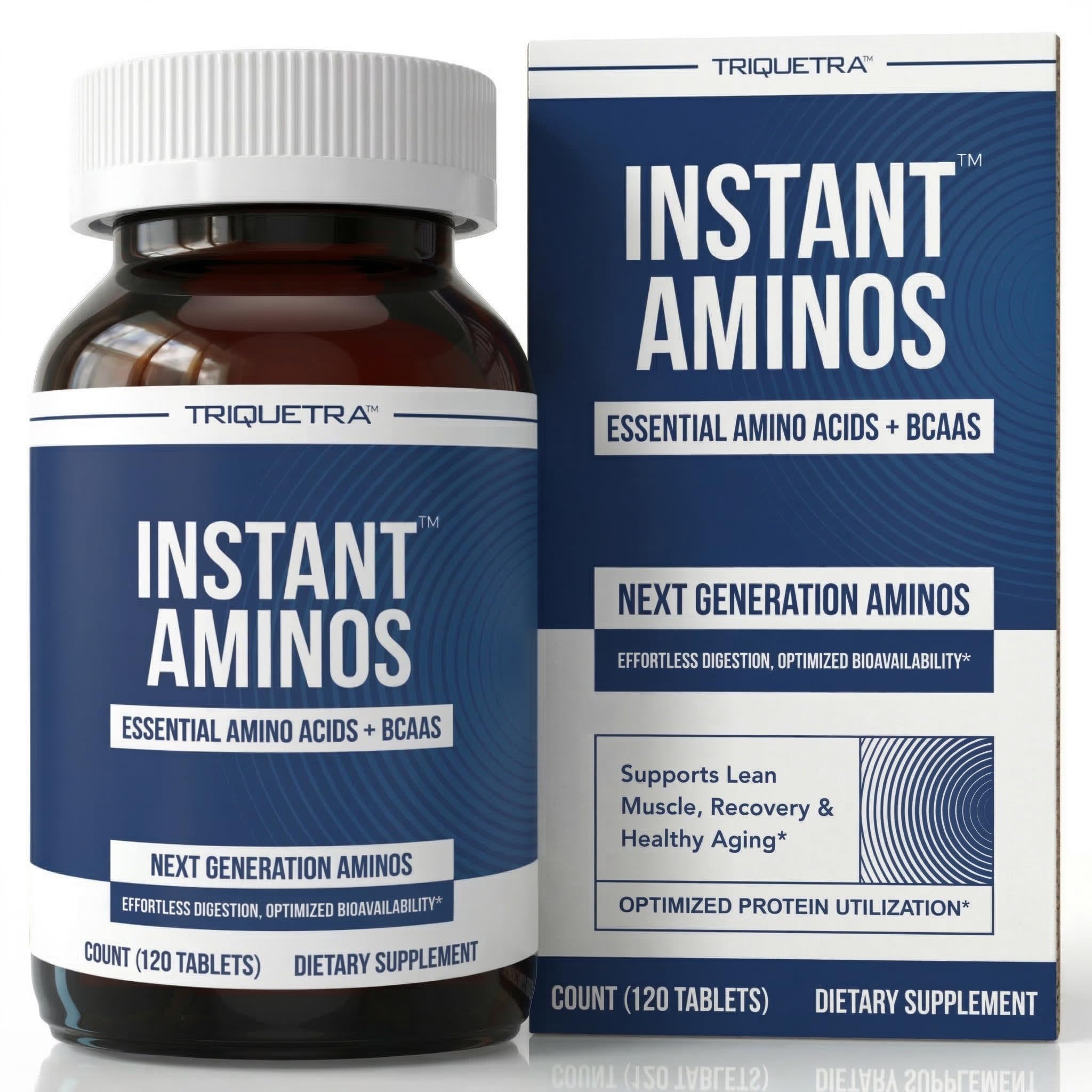
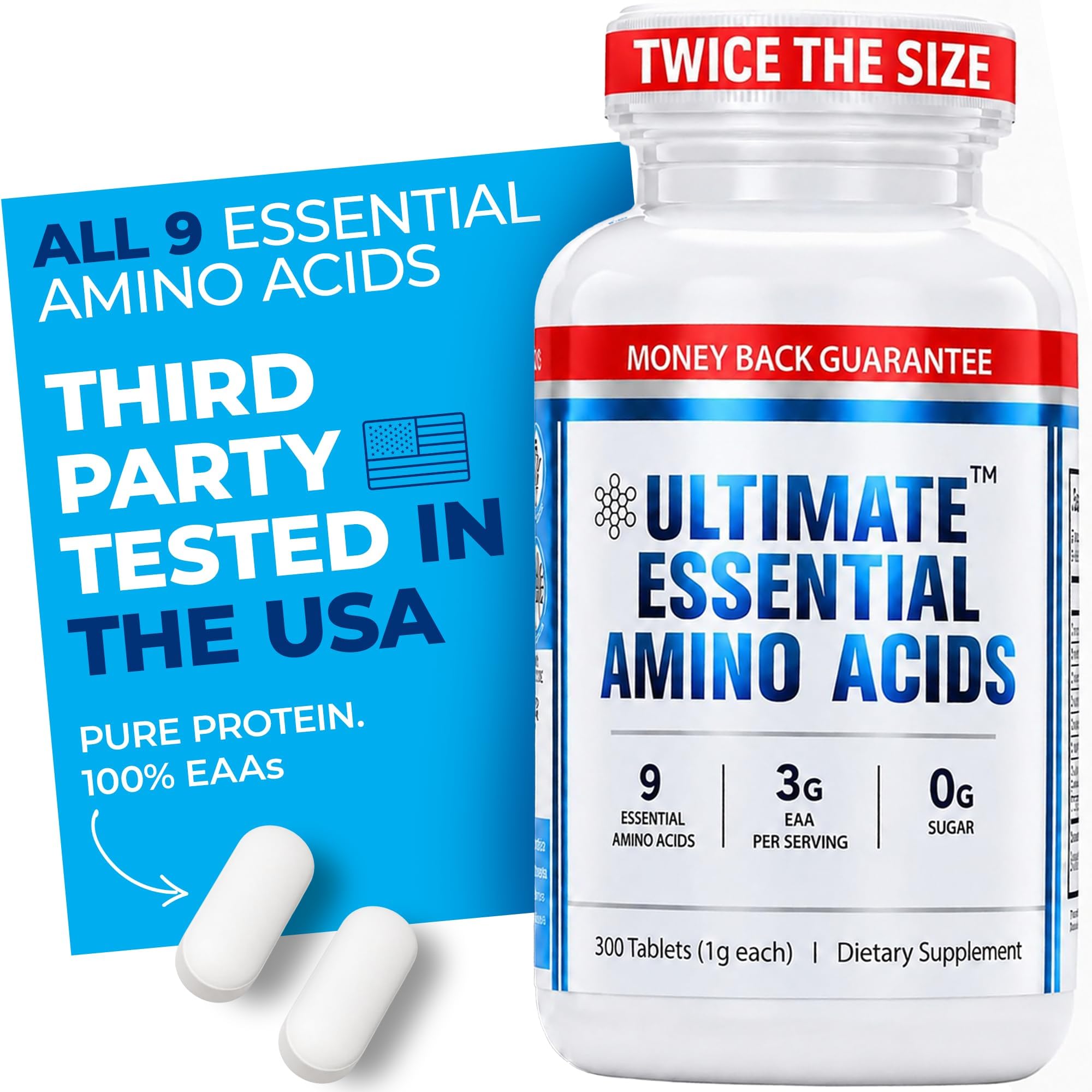

Three Formula Styles Worth Comparing
Instead of chasing a single winning bottle, compare the three formula styles below. Each style suits a different stage of training and a different budget, and the trade offs are predictable once you know what to look for.
Complete Essential Amino Acid Formulas
A complete essential amino acid formula covers all nine amino acids your body cannot make, with leucine listed at a clear amount per serving. This style fits lifters who train hard and want one product for both workout days and busy low appetite days. Expect to pay a mid range to premium price, often around $30 to $60 per bottle. The main drawback is tablet count, since a full dose can mean four to eight tablets. Choose this style when label transparency and testing seals are both present.
Branched Chain Amino Acid Formulas
Branched chain formulas supply leucine, isoleucine, and valine only, and they usually cost less per bottle, often around $15 to $30. They suit lifters whose meals already provide plenty of complete protein and who mainly want support around training. The limitation is real: three amino acids cannot replace the full set your muscles need to build new tissue. Value also depends on serving size, so compare cost per day rather than bottle price. This style works best as a supplement to a solid diet, never as the base of one.
Simple Blends With Low Tablet Counts
Beginners do better with a gentle starting point: a modest dose, two or three tablets per serving, and a short ingredient list with no stimulants. Prices often sit around $15 to $25, which keeps the cost of trying low. The trade off is a smaller dose that may not match advanced training needs later. That is fine, because the first goal is a routine you can keep. Once training and protein intake are consistent, you can judge whether a stronger formula would add anything.
Best Amino Acid Tablets Bodybuilding Buying Guide: How to Choose
Bodybuilding nutrition succeeds or fails on totals: total protein, total calories, and consistent training. Tablets are a supporting tool inside that system. The criteria below help you judge whether a given formula earns its place.
Features That Matter for Bodybuilding
Muscle growth needs all nine essential amino acids present together, because protein synthesis slows when any one of them runs short. That is why the leucine content and the completeness of the blend matter more than front label claims about energy or pumps. Look for per serving amounts printed for each amino acid. A formula that hides amounts inside a blend total gives you no way to compare it with anything else. Serious lifters should also check our broader guide to the best amino acid tablets for label reading basics.
Leucine Content and the Branched Chain Ratio
Leucine acts as a signal that helps switch on muscle protein synthesis, so its dose deserves attention. Many lifters look for a clearly stated leucine amount in a serving taken around training, within a complete amino acid intake across the day. Labels often show a 2 to 1 to 1 ratio of leucine to isoleucine to valine, which is a sensible starting point. Ratios far beyond that mostly add cost. What matters most is that the total leucine amount is stated plainly rather than buried in a blend figure.
Complete Formulas Versus Branched Chain Only Formulas
A complete formula supplies every essential amino acid, while a branched chain product supplies only three. If your meals are protein rich, the three branched chain amino acids may be enough as a workout extra. If you often miss meals, train early before eating, or follow a plant based diet with lower protein variety, a complete formula covers more gaps. Read our comparison in the guide to the best amino tablets for bodybuilding if you want the two styles weighed side by side for different training schedules.
Timing and Convenience Around Training
Tablets shine on logistics. They travel in a gym bag without spills, need no mixing, and keep their dose exact on days when you train away from home. The catch is swallowing several large tablets quickly before a session, which some people dislike. Many lifters take a serving about 30 to 60 minutes before training or soon after, alongside water. Consistency beats perfect timing, so pick the slot you will actually repeat, whether that is with breakfast or right after your last set.
Dose and Serving Size
Serving size changes both cost and comfort. A formula asking for eight tablets per serving can deliver a strong dose, but many people quietly take half and get half the benefit. Compare the grams of amino acids per serving, the tablet count, and the servings per bottle together. Then compute your daily cost at the full serving. A slightly pricier bottle with fewer tablets per serving often wins in real life because you will take the whole dose every day.
Tablet Size and Coating
Large uncoated tablets are the top reason people abandon this format. A smooth coating and a moderate tablet size make a daily habit far easier to keep. Check recent buyer comments for mentions of tablet size and chalky texture rather than star ratings alone. If you struggle to swallow tablets, a formula with smaller tablets at a slightly higher count may suit you better. Never crush a tablet unless the label allows it, because coatings can control how it dissolves.
Testing Seals and Label Transparency
Supplements are not approved by the FDA before sale, so independent testing is your main quality signal. Seals from NSF or USP, and certification for sport use, show a product was screened for banned substances and contaminants. That matters for tested athletes and for anyone whose job includes drug screening. Prefer makers that publish batch results or at least name their certifier clearly. If a label leans on bold claims but hides its testing, treat that as a reason to move on.
Amino Acid Tablets Versus Other Options
Tablets are one delivery format among several. The right choice depends on dose size, budget, and how much effort you will tolerate each day.
Powders
Powders deliver larger doses per serving at a lower cost per gram, and you can adjust the scoop to your needs. They need mixing, can taste strong, and travel poorly compared with tablets. Choose powder if you want high doses at home and do not mind the routine. Choose tablets if portability and exact dosing matter more than squeezing out the lowest cost per gram.
Liquid and Ready to Drink Forms
Liquid products absorb quickly and avoid swallowing issues, which helps people who dislike tablets. They usually cost the most per serving, need fridge space after opening in many cases, and often carry added sugars or flavor systems. They suit short trips or specific tolerance needs. For daily long term use, tablets or powders almost always give better value for the same amino acid content.
Whole Food Protein
Eggs, Greek yogurt, chicken, fish, tofu, and lentils supply amino acids plus calories, vitamins, and minerals in one package. Food should remain the base of a bodybuilding diet, because tablets add almost no calories and cannot fuel growth alone. Use tablets to cover gaps on hectic days or around training, not to replace meals. If your food intake already reaches your protein target, extra tablets add little beyond convenience.
Care and Use Tips
- Store the bottle in a cool, dry gym bag pocket or cupboard, away from shower steam that softens tablets.
- Take each serving with a full glass of water to help tablets dissolve and reduce stomach discomfort.
- Keep a simple training log note of dose and timing for two weeks, so you judge the habit on routine rather than hope.
- Check the expiry date when buying large bottles, and only stock up on a formula you already tolerate well.
- Stop use and talk with a clinician if you notice ongoing nausea, headaches, or unusual fatigue.
For a general overview beyond the gym context, the guide to the best amino acid supplement tablets covers everyday users, gifting, and first time buying in more detail.
FAQs
What features matter most in amino acid tablets for bodybuilding?
A complete essential amino acid profile, a stated leucine dose, and independent testing matter most. Together they tell you the formula can support protein synthesis and that the label reflects the contents. Serving size and tablet size come next, because they decide whether you will take the full dose daily. Ignore front label energy claims and focus on the supplement facts panel instead.
How much leucine should a bodybuilding amino acid tablet serving have?
Look for a serving that states its leucine amount within a complete blend, and compare it with reference ranges from a sports dietitian or the manufacturer's directions. More is not automatically better, because the other essential amino acids must also be present. If the label only gives a combined blend total with no leucine figure, you cannot verify the dose, so choose a more transparent product.
Can amino acid tablets replace protein powder?
Not fully. A protein powder serving usually provides about 20 to 25 grams of complete protein plus calories, while a tablet serving provides a much smaller amino acid dose. Tablets cover convenience and timing gaps, but powder or food does the heavy lifting for daily protein totals. Many lifters use food as the base, powder after training, and tablets only when mixing a shake is impractical.
Do I need amino acid tablets if I already eat enough protein?
Probably not. When your meals consistently reach your protein target with complete sources, extra amino acids add little measurable benefit. Tablets help most when appetite is low, meals are missed, or training happens long before breakfast. Spend first on food quality and training consistency. Add tablets only when a clear gap remains after those basics are in place for several weeks.
How long should one bottle of amino acid tablets last?
Divide the servings per bottle by your servings per day. A bottle with 60 servings lasts about two months at one serving a day, or one month at two servings a day on training and rest days. Check that the expiry date sits beyond your finish date. Buying two smaller bottles can beat one giant bottle if your routine is still changing.
Final Thoughts
Judge every formula by the same three tests: a complete and transparent amino acid profile, a leucine dose you can verify, and testing you can confirm. Match the format to your routine, and let food carry most of your protein target. Chosen that way, the best amino acid tablets bodybuilding products become a practical training aid rather than a leap of faith. Line up your finalists in the product table above, and talk with your clinician about personal needs if you take medication or manage a health condition.


