
Best Amino Acid Supplement Tablets for Every Need: How to Pick the Right One for 2026
Disclosure: We may earn a commission when you buy through links on this page, at no extra cost to you. As an Amazon Associate I earn from qualifying purchases. Learn more

Compare the best amino acid supplement tablets by dose, testing seals, allergens and cost per serving with a clear guide to choosing the right formula for you.
There is no single formula that suits every person, because your goal, your diet, and your health history all change what you actually need. The best amino acid supplement tablets for a busy parent filling a small protein gap are different from the right choice for a lifter training five days a week. This guide sorts the options by how you plan to use them, so you can match a label to your real life.
You will learn which ingredients matter, which label claims deserve a second look, and how to work out the true daily cost. Use the product table for a quick scan, then use the sections that follow to check dose, testing, and safety before you buy.


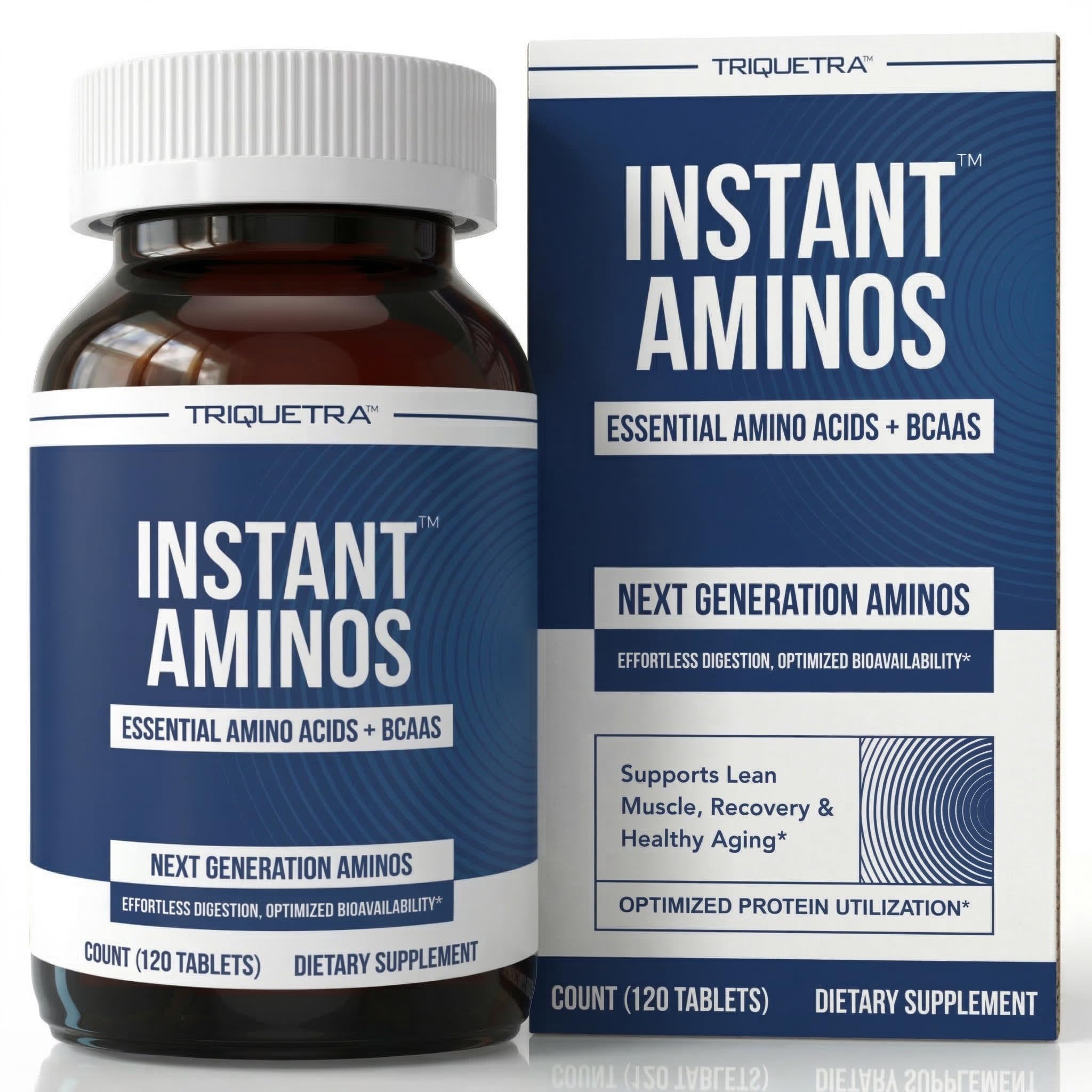


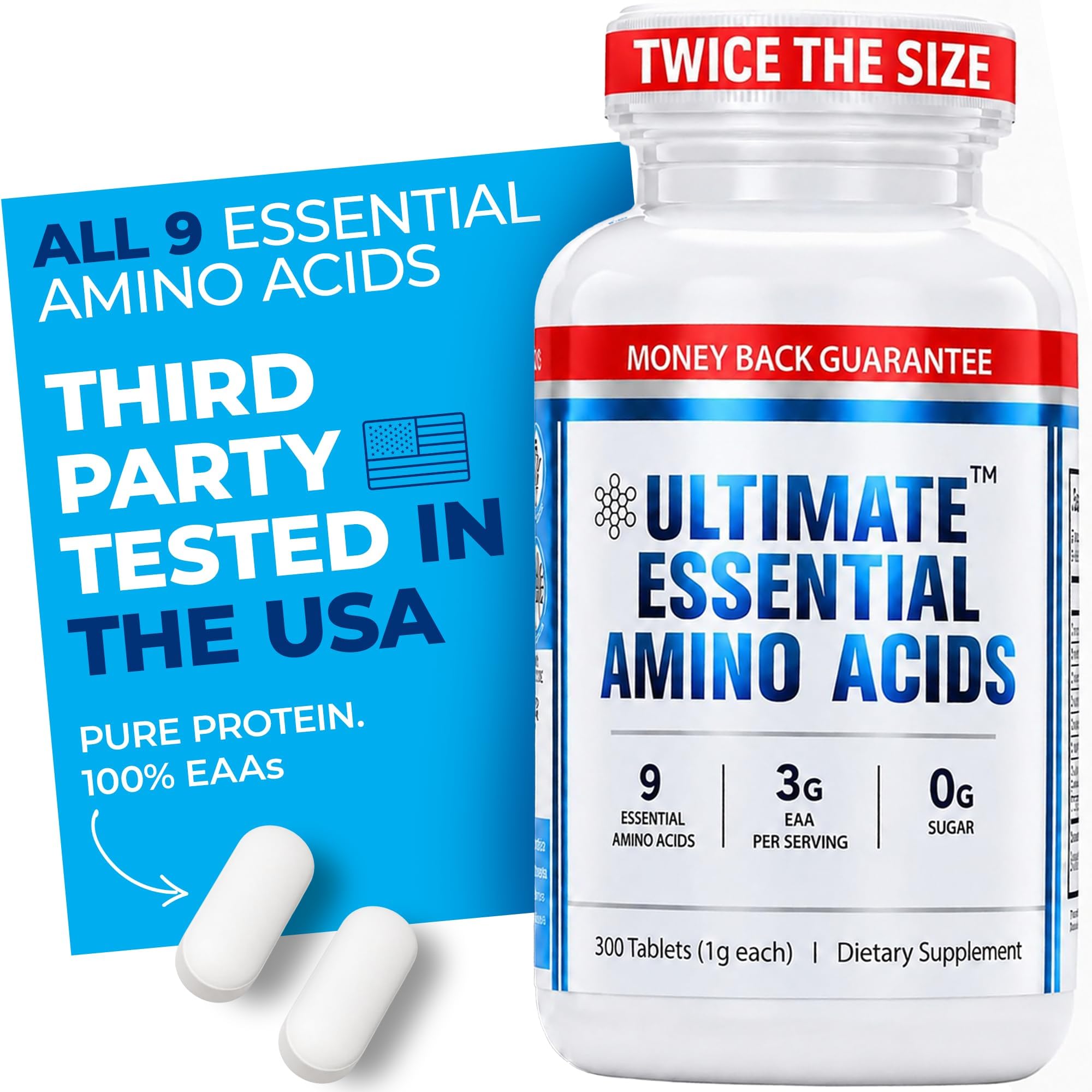
Who Should Buy Which Amino Acid Supplement Tablets?
Labels tend to shout the same promises, so it helps to start from your own routine instead of the marketing. Think about how much protein you already eat, how often you train, and whether you take any medication. Those three answers narrow the field fast. The four groups below cover the most common situations.
For First Time Buyers
Start simple. Choose a complete formula that lists all nine essential amino acids with clear amounts, in a serving size of two to four tablets that you can swallow comfortably. A short ingredient list makes it easier to spot anything you want to avoid. Buy a small bottle first, because taste is not an issue with tablets but tablet size and stomach comfort vary a lot. If a basic option sits well for a few weeks, you have a solid base and no reason to pay more yet.
For Gift Shoppers
A supplement is a personal gift, so keep it safe and general. Pick a widely available complete formula from a maker that publishes testing results, and include the receipt in case the person needs to swap it. Avoid formulas aimed at one narrow goal, and skip anything with stimulants or long herbal blends. A short note suggesting they check with their doctor first shows care, not doubt. If you are unsure about allergies, a gift card toward their usual store is honestly the better present.
For People Who Want the Best Performance
Serious training calls for attention to leucine content, because leucine is the amino acid most often highlighted for muscle building. Look for a full essential amino acid blend with a clearly stated leucine amount, with figures printed per amino acid rather than hidden in a blend total. Third party testing matters more here too, since athletes may face drug testing at work or in sport. You pay extra for transparent labels and certified batches, and for competitive users that premium is usually worth it.
For Value Seekers
Value means cost per useful serving, not the lowest sticker price. A big bottle with a weak dose can cost more per day than a smaller bottle with a stronger one. Work out the daily cost at the dose you will really take, and check how many tablets make up one serving. Formulas with six or eight tablets per serving drain a bottle quickly. If you want a broader comparison of formats and labels, see our guide to the best amino acid tablets for more detail.
Key Features to Compare
Once you know your group, compare labels using the same short list every time. Dose, testing, allergens, and daily cost explain most of the difference between two bottles. The subsections below walk through each one with the numbers and label spots to check.
Added Sugars, Fillers, and Allergens
Tablets need binders and coatings to hold their shape, so some inactive ingredients are normal. What you want to limit is added sugar, artificial colors you do not need, and long filler lists that push the active dose down. Read the allergen statement carefully for gluten, soy, and dairy, since amino acids can be made from several source materials. If you follow a vegan diet, confirm the source is plant based fermentation rather than animal derived. People with celiac disease or a milk allergy should treat that allergen line as the first filter, before price or dose.
Third Party Testing (USP, NSF, ConsumerLab)
Dietary supplements are not approved by the FDA before they are sold, so the bottle in your hand has not passed a government check for purity or strength. Independent testing fills part of that gap. Seals from USP or NSF, and published results from groups such as ConsumerLab, show that a sample was checked for identity, potency, and contaminants like heavy metals. The seal should name the certifying body, and you can confirm it on that body website. A vague claim like laboratory tested, with no named tester, carries far less weight.
Potential Side Effects and Interactions
Most healthy adults tolerate amino acid tablets well, but side effects can include nausea, stomach cramps, diarrhea, and headaches, especially on an empty stomach or at high doses. Amino acids can also interact with medication, including some diabetes drugs and medicines for Parkinson disease, and they may not suit people with kidney or liver conditions. Talk with your doctor before starting if you are pregnant, nursing, under 18, or managing any long term condition. The National Institutes of Health Office of Dietary Supplements is a good plain language source for background reading.
Price per Serving
Do the small math before you buy. Divide the bottle price by the number of servings, not the number of tablets, then multiply by the servings you plan to take each day. A bottle at around $20 with 30 servings costs about 67 cents a day at one serving, while a bottle at around $35 with 90 servings costs about 39 cents a day. Larger bottles usually win on daily cost but only if you will finish them before the expiry date. Also factor in shipping and any subscription discount you would actually keep using.
Active Ingredients and Dosage per Serving
A complete product lists the nine essential amino acids your body cannot make: histidine, isoleucine, leucine, lysine, methionine, phenylalanine, threonine, tryptophan, and valine. Check the amount per serving for each one instead of accepting a single combined figure. Branched chain only products cover just leucine, isoleucine, and valine, which can still suit some training goals but will not replace a complete protein source. Compare label amounts with general reference ranges from sources like the NIH rather than with bold claims on the front of the bottle.
Common Mistakes to Avoid When Buying Amino Acid Supplement Tablets
Most buying regrets come from a handful of repeat errors. Run through this list before you check out.
- Judging by bottle price alone instead of daily cost at your real dose.
- Ignoring the allergen statement and finding soy or dairy listed after delivery.
- Buying a huge bottle of a formula you have never tried, then disliking the tablet size.
- Choosing a branched chain only blend when your actual gap is total daily protein.
- Skipping the testing seal and trusting a front label claim with no named certifier.
If you train hard and want the training focused version of this advice, our guide to the best amino acid tablets bodybuilding options covers workout timing and leucine targets in more depth.
Tips to Get the Most From Your Amino Acid Supplement Tablet
Talk to your doctor before starting any supplement, especially if you take daily medication. Store tablets in a cool, dry place away from bathroom humidity, and keep the lid sealed so moisture does not soften them. Do not exceed the label dose hoping for faster results, because extra amino acids your body cannot use are simply broken down. Take tablets with a full glass of water to help them dissolve, and pair them with meals that already cover your protein target. A simple note on your phone after each dose helps you stay consistent during the first month.
Amino Acid Supplement Tablets: Your Questions Answered
Do amino acid supplement tablets actually work?
They can help if your diet leaves a real gap, because they supply essential amino acids your body cannot make on its own. They do not build muscle by themselves, and they add little when you already eat enough complete protein. Think of them as a convenient top up for busy days or low appetite days. Training, sleep, and total food intake still drive almost all of your progress.
When is the best time to take amino acid supplement tablets?
Timing matters less than consistency, but many people take them with a meal or near a workout for convenience. Taking them with food often reduces stomach discomfort. If your goal is workout support, a serving in the hour before or after training is a common pattern. Spreading a larger daily amount across two meals can also sit easier than one large serving at once.
Are amino acid supplement tablets safe to take every day?
Daily use at the label dose is common for healthy adults, but long term safety data is limited for many formulas. Follow the serving directions, and take breaks from non essential supplements from time to time. Stop and speak with a clinician if you notice ongoing nausea, headaches, or unusual fatigue. People with kidney or liver disease should only use them with medical guidance.
Can I get enough amino acids from food instead?
Yes, most people can. Eggs, dairy, meat, fish, and soy provide all nine essential amino acids, and combining grains with beans or lentils covers them across a day. Food also brings fiber, vitamins, and minerals that tablets lack. Tablets earn their place when appetite is low, travel disrupts meals, or a medical or training need makes eating enough protein hard. Our guide to the best amino tablets supplement choices explains where tablets fit beside normal meals.
Who should avoid amino acid supplement tablets?
Children, people who are pregnant or nursing, and anyone with kidney or liver disease should avoid them unless a clinician advises otherwise. The same caution applies if you take medication for diabetes, blood pressure, or Parkinson disease, because interactions are possible. If you have a surgery coming up, mention all supplements to your care team in advance. When in doubt, ask first and buy later.
Wrapping Up
Start with your use case, then compare dose per serving, testing seals, and allergen statements before you look at price. Work out the daily cost at the dose you will really take, and buy a small bottle first. Used that way, the best amino acid supplement tablets become a simple support for your diet rather than a gamble. Compare your shortlist against the product table above, and talk with your clinician about your personal needs before you commit to daily use.


