
Best Amino Acid Tablets 2026 Guide for Active Routines
Disclosure: We may earn a commission when you buy through links on this page, at no extra cost to you. As an Amazon Associate I earn from qualifying purchases. Learn more

Compare amino acid tablets for training and everyday routines, with guidance on EAAs, BCAAs, label transparency, timing, and when to seek professional advice.
Amino acid tablets promise to support training and recovery, but the category covers very different products, from complete essential amino acids to narrow branched chain formulas. The best amino acid tablets for you depend on your diet, your training, and whether you already get enough protein from food. The product table shows the range, and this guide explains how to judge each type.
For most people, total daily protein from food matters more than any single supplement. Tablets can fill gaps for people with restricted diets or demanding training, but they do not replace balanced meals. Start with your diet, then decide whether a supplement genuinely adds anything.


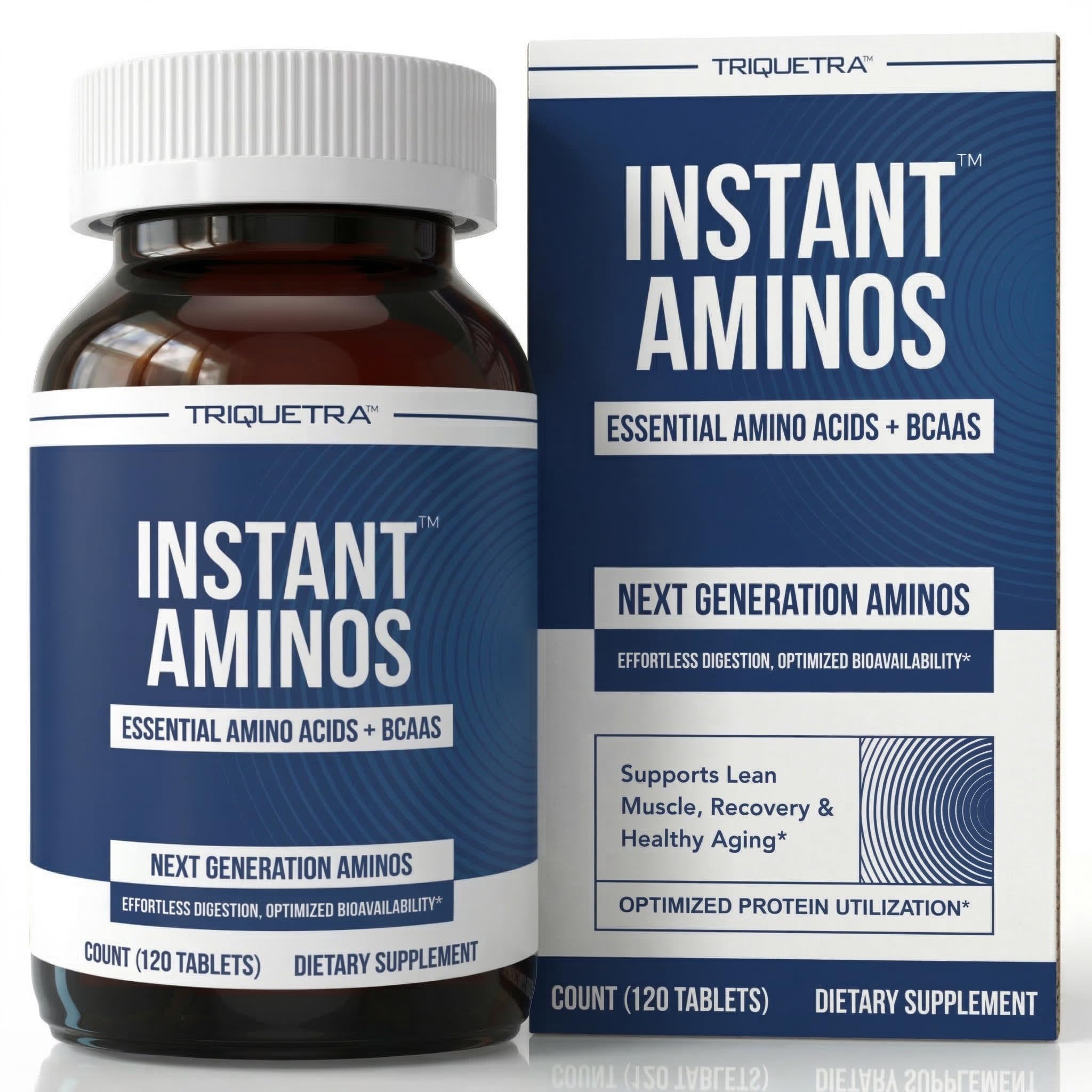


Who Should Buy Amino Acid Tablets
For Strength and Endurance Athletes
Athletes with high training loads and high protein needs sometimes use amino acid tablets around workouts for convenience. A complete essential amino acid profile suits this purpose better than branched chain acids alone, since muscle building needs all essential amino acids. Tablets also travel more easily than powders for competitions and training camps.
For People With Restricted Diets
People eating vegetarian, vegan, or otherwise restricted diets may find it harder to get all essential amino acids in good proportions. Tablets can supplement a varied plant based diet, but they work best alongside food planning, not instead of it. A dietitian can help check whether your overall protein intake, not just one amino acid, needs attention.
For Older Adults Focused on Muscle
Older adults concerned about muscle maintenance sometimes consider amino acid supplements alongside resistance training. Protein distribution across meals and regular strength exercise matter more than any tablet. Talk with your clinician before starting, especially if you have kidney concerns or take regular medication.
Key Features to Compare
EAAs Versus BCAAs
Essential amino acids, or EAAs, include all nine amino acids the body cannot make itself, while branched chain amino acids, or BCAAs, cover only leucine, isoleucine, and valine. Research generally favors complete EAAs over BCAAs alone for muscle protein building. If a product only offers BCAAs, ask whether it truly fits your goal or whether a complete formula would serve you better.
Label Transparency and Dose
Look for labels that state each amino acid amount clearly, rather than hiding them in a proprietary blend. A product that does not disclose amounts cannot be compared fairly with others, however attractive its packaging. Follow label directions and avoid stacking several amino acid products, which can push total intake higher than intended without benefit.
Form, Taste, and Convenience
Tablets suit people who dislike powders, shakers, and flavored drinks, and they travel well without mess. Powders usually offer larger doses per serving at lower cost, so tablets trade dose and value for convenience. Choose the form you will actually take consistently, since a supplement left in the cupboard helps no one.
Safety and Professional Advice
Amino acid supplements are generally well tolerated, but high doses can cause digestive discomfort, and people with kidney or liver conditions should seek professional advice first. Supplements can also interact with certain medicines, so tell your clinician about everything you take. Pregnant and breastfeeding people should also seek advice before starting a new supplement.
Mistakes to Avoid
Expecting Tablets to Replace Training
No amino acid tablet builds muscle without training and adequate total protein, and marketing that suggests otherwise misleads buyers. Strength training, sleep, and overall diet drive results, with supplements playing at most a supporting role. If training and diet are not in place, a tablet will not compensate.
Paying for Hidden Blends
Proprietary blends hide how much of each amino acid you actually get, making it impossible to judge value or dose. A transparent label with stated amounts is worth more than an impressive sounding blend name. If a maker will not disclose amounts, choose a competitor that will.
A Final Check Before You Order
Check Diet First, Then the Label
Review your daily protein from food, confirm the product offers a complete and transparent amino acid profile, and check for interactions with your medicines. Talk with your clinician or a dietitian if you have a health condition or a restricted diet. The product table above helps you compare, but your diet and health situation should decide.
Making the Most of Your Choice
Building a Sensible Supplement Routine
A supplement routine works best when it is simple and consistent: one product, at the label dose, taken at a regular time you will remember. Avoid stacking several amino acid, protein, and pre workout products, which duplicates ingredients and complicates safety. Review your routine every few months, and stop products that show no clear benefit.
Protein From Food First
Most people meet protein needs through eggs, dairy, meat, fish, legumes, and grains, which also supply other nutrients tablets lack. Plan meals around a protein source, especially after training, and use tablets only to fill genuine gaps. A dietitian can review your intake quickly and tell you whether supplementation is even necessary.
Training Consistency Matters Most
Muscle and endurance gains come from consistent training, progressive overload, sleep, and recovery, with nutrition supporting that work. Supplements cannot compensate for irregular training or poor sleep, however well marketed they are. Invest effort in a training plan you enjoy and can sustain, and treat tablets as a minor supporting detail.
Before You Buy: A Quick Recap
Avoiding Marketing Traps
Supplement marketing often highlights a single study or a dramatic before and after story that proves little about a product. Look for transparent labels, realistic claims, and independent testing rather than celebrity endorsements or miracle language. A boring, honest product usually serves you better than an exciting, vague one.
Combining Supplements Safely
Combining protein powders, amino acid tablets, and pre workout products can duplicate ingredients and push intake beyond useful levels. List everything you take, including vitamins and herbal products, and review the list with a pharmacist or dietitian. Simplifying to one or two products with clear purposes is safer and cheaper than a shelf full of overlapping supplements.
For a related option, our guide to best amino acid tablets bodybuilding looks at how that choice compares for everyday use and value.
You may also find our guide to best amino acid supplement tablets helpful, since it covers a closely related option with different strengths.
Frequently Asked Questions
What is the difference between EAAs and BCAAs?
Essential amino acids include all nine amino acids your body cannot produce, while branched chain amino acids cover only three of them: leucine, isoleucine, and valine. Complete EAAs generally support muscle protein building better than BCAAs alone, since building muscle requires all essential amino acids. BCAAs alone may suit narrow purposes, but most buyers benefit more from a complete profile.
Do I need amino acid tablets if I eat enough protein?
If your diet already provides enough total protein from varied sources, amino acid tablets add little benefit. Whole foods supply amino acids alongside other nutrients, and total daily intake matters more than timing a single supplement. Tablets help most when diet gaps, travel, or restricted eating make adequate protein harder to achieve.
When should amino acid tablets be taken?
Timing matters less than total daily protein and consistent training for most people. Some athletes take amino acids around workouts for convenience, but the effect of precise timing is small compared with overall diet. Follow the label directions, and focus on regular meals with adequate protein across the day.
Are amino acid tablets safe?
Amino acid tablets are generally well tolerated at label doses, though high doses can cause digestive discomfort. People with kidney or liver conditions, and those taking regular medicines, should seek professional advice before starting. Pregnant and breastfeeding people should also consult a clinician, since supplement safety data in these groups is limited.
Tablets or powder: which is better?
Tablets offer convenience, portability, and no mixing, which suits travelers and people who dislike flavored drinks. Powders usually deliver larger doses at lower cost per serving, which suits athletes with higher needs. Choose the form you will take consistently, since adherence matters more than a small difference in format.
Final Thoughts
The best amino acid tablets are the ones with a complete, transparent amino acid profile that genuinely fits your diet and training. Use the product table above to compare EAAs and BCAAs, then check your total protein intake and talk with a professional if you have health concerns. A supplement chosen this way supports your routine without promising more than it can deliver.


