
Best American Speakers: Budget, Midrange, and Premium Picks for 2026
Disclosure: We may earn a commission when you buy through links on this page, at no extra cost to you. As an Amazon Associate I earn from qualifying purchases. Learn more

Compare the best american speakers by budget with a buying guide on sound quality, battery life, durability, connectivity, and long term costs.
Speaker prices range from the cost of a pizza to the cost of a rent payment, and the difference is not always obvious from a product photo. Knowing where money actually improves sound, battery life, and durability helps you find the best american speakers for your budget instead of paying for logos and spec sheet padding.
This guide is organized by price tier, because that is how most people shop. You will see what each tier usually delivers, which features are worth paying for, and which ones you can skip. Use the tier sections to decide how far up the range your listening habits really justify going.


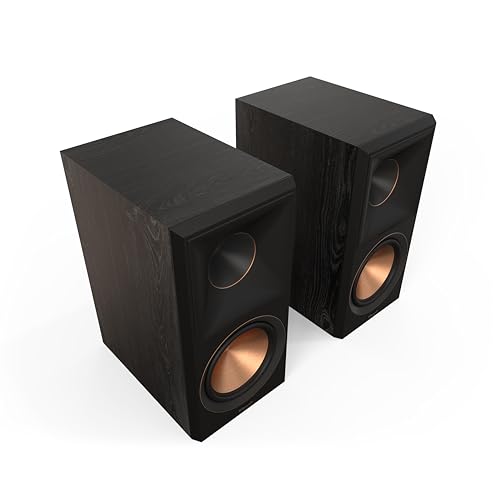

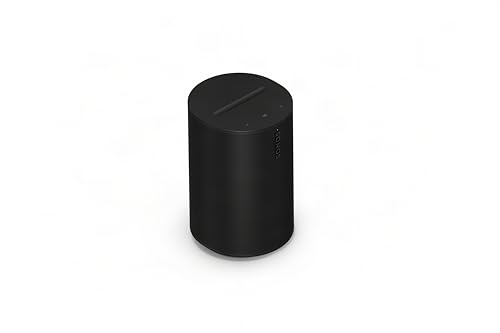


What American Speakers Means
One note before the tiers: American speakers can mean speakers from American brands, speakers designed in the United States, or speakers actually built there, and those are not the same thing. Many respected US brands engineer at home and manufacture overseas. If domestic production matters to you, check the country of origin on the product page and packaging, as our companion guide to the best american made speakers explains in more depth.
What Your Money Gets You at Each Price Tier
Budget Tier: What to Expect
Budget speakers usually cost under $100. Typical hardware is one full range driver, a modest amplifier, and Bluetooth as the only input, and home models at this level may be simple wired pairs with no battery at all. Frequency response often starts rolling off well above the lowest bass notes, so electronic and hip hop tracks lose their foundation. What you do get is convenience: small size, simple controls, and sound that easily beats a phone or laptop speaker.
Midrange Tier: The Sweet Spot for Most Buyers
Midrange speakers, roughly $100 to $300, are where components improve in ways you can hear. Dual drivers or a driver plus radiator design give clearer vocals and real low end, enclosures feel denser, and Bluetooth versions and codecs improve. Portable models add IP67 style water and dust resistance and USB charging, while home models add optical or auxiliary inputs and remote controls. Most listeners who stop here never feel they compromised.
Premium Tier: When Spending More Pays Off
Premium speakers above about $300 spend money on bigger drivers, more power, and careful tuning, which together produce louder, cleaner sound with less distortion at high volume. Materials improve too, with metal grilles, sealed cabinets, and finishes that suit visible living spaces. Multi room platforms, stereo pairing, and wired inputs such as HDMI for soundbars appear here. The law of diminishing returns is real, so audition by genre: if you mostly play speech and acoustic music, midrange may already be enough.
Features Worth Paying For (and Ones to Skip)
Microphone and Call Quality
Active noise cancellation belongs mainly to headphones, so be skeptical when a basic speaker advertises it. What speakers may offer is noise reduction on a built in microphone, which makes your voice clearer on calls. Pay for this only if you take calls through the speaker often.
Sound Quality and Tuning
Sound quality comes from driver size, cabinet design, and tuning, not from wattage numbers alone. A larger driver moves more air and handles bass with less strain, while a well tuned speaker keeps vocals forward instead of burying them under boomy low end. Check the stated frequency response range as a rough guide, and favor brands that publish honest figures. If you compare options in person or through detailed owner feedback, our guide to the best sounding speakers shows which traits listeners praise most.
Ecosystem and App Features
Companion apps can add an equalizer, firmware updates, stereo pairing, and battery readouts, which are genuinely useful over years of ownership. The tradeoff is dependence on a platform, since a discontinued app can strand smart features while the speaker itself still works. If you already own speakers from one ecosystem, staying with it simplifies pairing and multi room playback. If not, prioritize models whose core functions still work from the buttons on the unit.
Durability and Water Resistance (IP Rating)
IP ratings tell you how a portable speaker handles dust and water. IPX4 shrugs off splashes, IPX7 survives brief immersion in shallow water, and a first digit such as the 6 in IP67 means the enclosure is dust tight as well. Poolside, beach, and shower use call for IP67, while a kitchen or desk speaker needs little protection. Remember that water resistance weakens if a cabinet cracks or a charging port cover stops sealing, so rinse and dry the speaker after outdoor use.
Connectivity (Bluetooth Version, Codecs, Wired)
Newer Bluetooth versions improve range and stability, and multipoint lets a speaker stay connected to your phone and laptop at once. Codecs shape quality: AAC suits Apple devices, while aptX and LDAC can carry more detail with compatible Android phones, though the difference shrinks at low volume or outdoors. Wired inputs still matter, since an auxiliary or optical connection avoids compression and delay entirely. Portable shoppers can compare travel friendly options in our guide to the best portable speakers, and anyone focused on phone first listening should also see the best bt speakers roundup.
Long Term Costs to Factor In
The purchase price is not the whole story. Portable speakers eventually need battery replacement or full replacement when the built in battery fades, usually after a few years of heavy use, and not every brand sells parts. Cases, mounts, and extra charging cables add small costs, and premium smart models depend on software support that can end. A longer warranty and a brand with US based service centers lower your risk. For home speakers, budget for decent cables and, for passive models, an amplifier if you do not already own one.
FAQs
What IP rating do I need for outdoor use?
For outdoor use, IP67 is the safest target because it covers dust and brief immersion, so a drop in a pool or a rain shower is unlikely to end the speaker. IPX4 or IPX5 is enough for a covered patio where only splashes and light rain reach it. Whatever the rating, dry the charging port before plugging in, since moisture in the port is a common cause of charging faults.
Do I need a special codec?
No, a special codec is optional for most listeners. Standard Bluetooth audio sounds fine for casual listening, podcasts, and outdoor use where background noise hides small differences. Codecs such as LDAC or aptX help only when your phone supports them, your music files are high quality, and you listen in a quiet room. Spend first on better drivers and cabinet design, which improve every song regardless of codec.
How long does the battery last?
Battery life depends far more on volume than on the number printed on the box. Ratings are usually measured at moderate volume, so a speaker rated for 20 hours may deliver closer to 8 to 10 hours near maximum. Bass heavy music drains power faster too. For long days out, choose a model rated well above your planned listening time, and carry a power bank if the speaker charges over USB.
Wired or wireless: which sounds better?
Wired usually sounds slightly better because the signal avoids Bluetooth compression and arrives with no delay, which also matters for video and games. Wireless wins on convenience, placement freedom, and outdoor use, and modern Bluetooth has narrowed the quality gap for everyday listening. Many midrange and premium models offer both, so the practical answer is to buy one with a wired input and use each connection where it fits.
Is ANC worth the extra cost?
For speakers, usually not, because active noise cancellation is designed for headphones that seal around your ears. A speaker cannot cancel noise across a whole room in the same way. If a listing charges extra for cancellation on a speaker, check whether it only cleans up microphone audio for calls. Put that money toward a larger driver or a second speaker for stereo pairing instead, both of which you will hear on every track.
Final Thoughts
Let three things decide: the tier your listening habits justify, the driver and cabinet quality inside it, and the durability and connections your spaces require. Verify what American means for any model you shortlist, since design, brand, and manufacturing often happen in different places. Weigh your finalists in the product table above, and you will choose among the best american speakers with a clear sense of what your money bought.


