Best American Made Laptops: Which One Fits the Way You Use It? Guide for 2026
Disclosure: We may earn a commission when you buy through links on this page, at no extra cost to you. As an Amazon Associate I earn from qualifying purchases. Learn more

Match the best american made laptops to how you travel, study or play, and avoid paying for power you will not use.
There is no single laptop that suits every buyer, and that is especially true when you care where and how the machine was made. A traveler needs light weight and long battery life, a gamer needs graphics power and cooling, and a student needs value and durability. This guide to the best american made laptops starts with how you actually work, then matches features to that routine.
American made can mean different things in this market, from full assembly in the United States to American design and support with global parts. Read brand disclosures closely and decide which level matters to you before you compare specs. The comparison table below gathers current options in one place so you can test each one against your use case as you read.
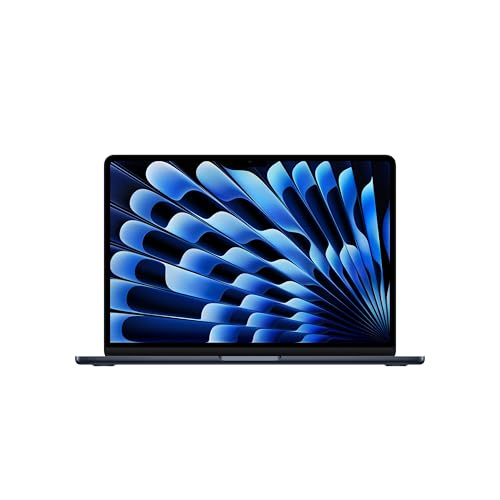
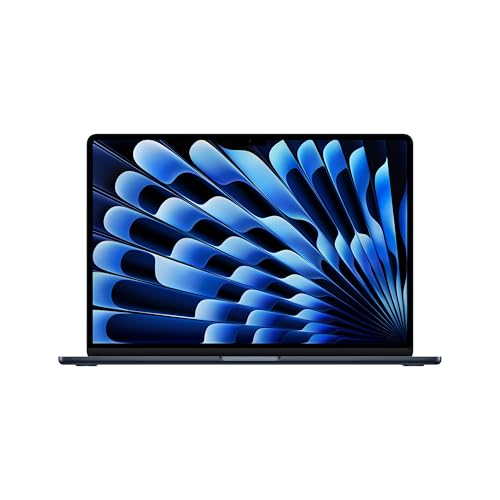


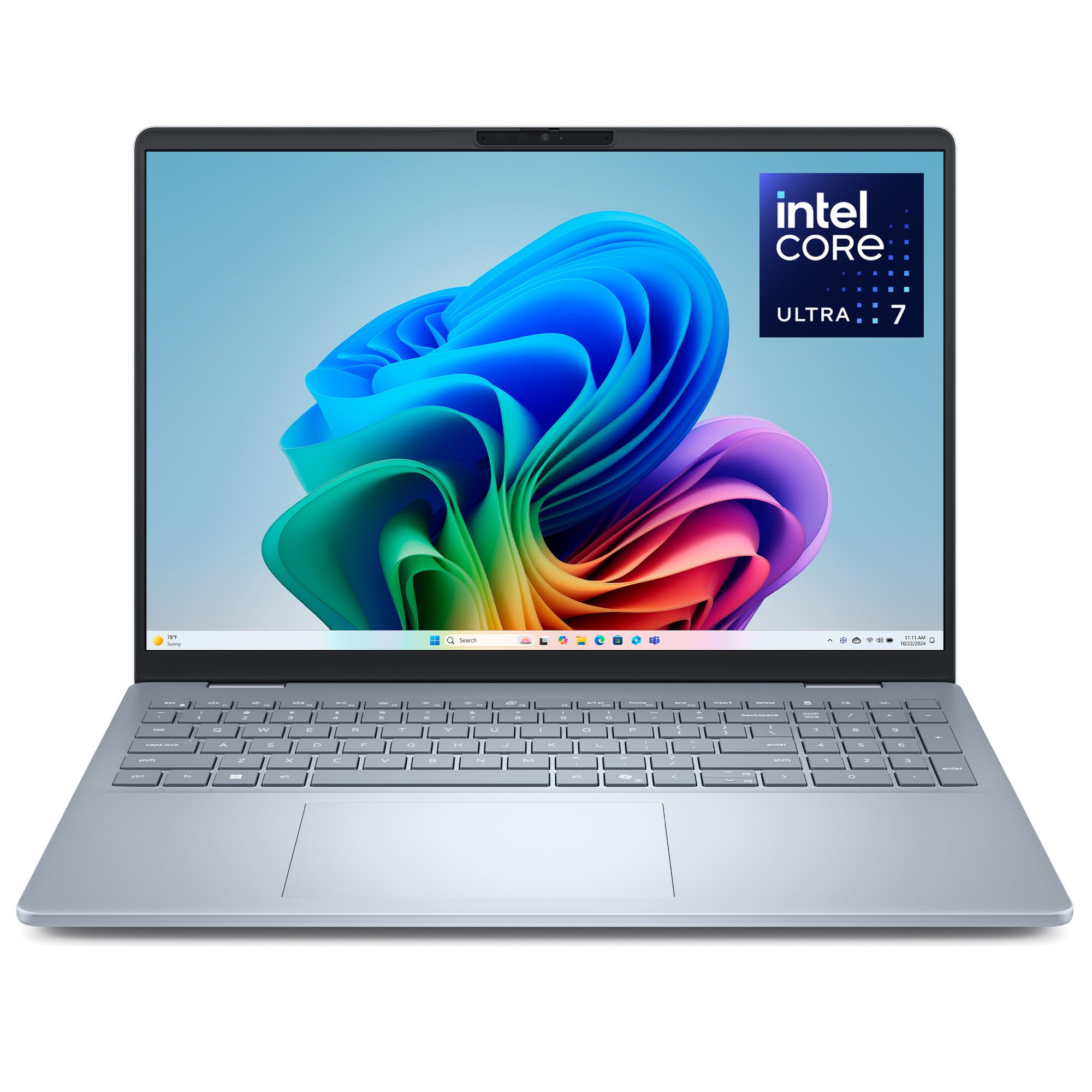

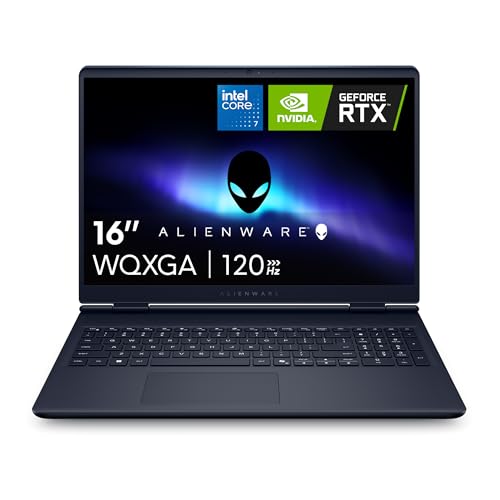


Who Should Buy Which American Made Laptops?
For Travelers and Commuters
Travelers and commuters should prioritize weight, battery life, and a case that tolerates daily movement. Look for a 13 or 14 inch model under about 3 lb, with a bright screen for airport and train lighting. A sturdy hinge and a lid that resists flex protect the display when the bag gets crowded.
Charging convenience matters on the road. USB C charging lets you travel with one adapter for laptop, phone, and tablet, and fast top up speeds help during short layovers. Carry the laptop in a padded sleeve, and favor models with ports you need built in, so you are not dependent on a hub for a presentation or a file transfer.
For Gamers and Power Users
Gamers and power users should prioritize the processor, graphics, cooling, and screen speed. A strong CPU paired with a dedicated GPU drives modern games and heavy creative apps, while good cooling keeps that performance steady during long sessions. A high refresh rate display makes fast motion look smoother and more responsive.
Weight and noise are the trade offs here. Powerful models are heavier, louder under load, and shorter lived on battery than thin office machines. Buy this type only if you will use the power weekly. If gaming is occasional and light, a capable integrated graphics model will run cooler, quieter, and longer for everything else you do.
For Students and Everyday Users
Students and everyday users should prioritize reliability, battery life, and price over peak speed. A mid tier processor, 16GB of RAM, and a 512GB SSD handle essays, research, video calls, and streaming with room to spare. A comfortable keyboard matters because you will type thousands of words on it each term.
Durability and support decide value over a degree length timeline. Look for a solid warranty, accessible service, and a build that survives a backpack every day. If compact size tops your list, our guide to the best notebook laptops is a useful companion for comparing smaller everyday models before you decide.
Key Features to Compare
Processor and Performance Tier
The processor sets the ceiling for demanding work. Entry tier chips handle browsing, documents, and streaming without trouble. Mid tier chips add smooth multitasking, light photo editing, and casual coding. Top tier chips suit video editing, data work, engineering tools, and gaming alongside a strong GPU.
Do not buy a tier above your hardest regular task. Extra speed you never call on still costs money, adds heat, and can shorten battery life. Instead, secure enough RAM and storage first, because those limits cause the slowdowns most owners actually feel. A balanced mid tier system almost always satisfies longer than a fast chip paired with cramped memory.
Weight and Portability
Weight shapes whether the laptop goes with you or stays on a desk. Under about 3 lb feels easy all day, about 3 to 4 lb suits most commuters, and above 4 lb makes sense mainly for gaming and workstation models that rarely travel. Remember to weigh the charger too, since a heavy power brick adds real bulk.
Size interacts with weight. A 14 inch screen often balances viewing room and portability best for mixed use. A 16 inch screen helps for design and split window work but needs a larger bag. Measure your bag and desk before you order, and favor slim models only if the ports and cooling still meet your needs.
Keyboard, Trackpad, and Build
Daily comfort lives in the keyboard and trackpad. Keys should have clear travel and stable tops so long writing sessions stay accurate and quiet. A large, smooth trackpad reduces reliance on a mouse at a cafe or in a lecture hall. Backlighting helps in dim rooms, though it is a comfort extra rather than a core need.
Build quality decides lifespan. Aluminum and magnesium bodies usually resist flex and wear well, while quality plastics can be lighter and easier to repair. Check hinge smoothness, deck flex, and how easily panels open for cleaning or upgrades. Our guide to the best made laptops goes deeper on construction cues that predict how a machine ages.
Battery Life in Real World Use
Real world battery life falls short of lab claims because video calls, bright screens, and background apps draw more power than test loops. For a full day away from outlets, target models known for strong mixed use endurance, and plan your settings. Lower brightness indoors, close unused apps, and use battery saver during long reading sessions.
Screen and performance choices drive endurance more than battery size alone. A modest resolution display with an efficient processor often outlasts a larger, faster model with a bigger battery. Fast charging softens the risk, since a brief plugged in break can restore hours of light use. Still, if you work off grid often, endurance should outrank raw speed in your shortlist.
Common Mistakes to Avoid When Buying American Made Laptops
- Judging only by price. The cheapest option with too little RAM or storage becomes the most expensive when you replace it early.
- Ignoring the processor tier fit. Buying far above or below your workload wastes money or guarantees frustration within a year.
- Buying the wrong size. A screen that is too large to carry or too small to read comfortably fails your routine every day.
- Assuming the label without checking. Confirm what American made means for that brand, including assembly location and support location.
- Skipping warranty terms. Compare warranty length, service process, and shipping costs before you need them, not after a failure.
How to Make Your American Made Laptop Last Longer
Simple habits add years. Keep the OS and firmware updated, since updates patch security flaws and often improve power management and stability. Restart the machine weekly so updates complete and memory clears. Back up important files to cloud storage or an external drive so a hardware failure never becomes data loss.
Protect the battery and body together. Avoid running at 100% charge all the time if your model offers a charge limit for desk use, and unplug for normal mobile use regularly. Use a padded sleeve when commuting, keep vents clear on soft surfaces, and clean the keyboard and ports gently with dry air. For additional domestic options, see our guide to the best american laptops when you compare support and assembly claims.
Frequently Asked Questions
Should I buy a laptop or a tablet?
Buy a laptop if you type long work, run full desktop apps, or juggle many windows at once. Buy a tablet if reading, drawing, and media dominate and typing is rare. Tablets with keyboards handle light tasks, but file management, ports, and sustained typing still favor a laptop. Students with essay heavy courses and workers with spreadsheet heavy roles should default to a laptop.
Is a dedicated GPU worth it?
A dedicated GPU is worth it if you game regularly, edit video, or use design and engineering tools that depend on graphics acceleration. It is not worth it for writing, browsing, and office apps, where integrated graphics run cooler and extend battery life. The GPU is one of the priciest parts in a laptop, so unused graphics power is the clearest waste in an everyday build.
How long should an american made laptop last?
An american made laptop should last about four to six years with normal care, and longer for light tasks. Lifespan depends on RAM, storage headroom, build quality, and battery wear more than on the flag on the box. Choosing 16GB of RAM and a 512GB SSD today prevents the most common early retirement cause, which is a machine that feels cramped rather than broken.
Is a Chromebook enough for school?
A Chromebook is enough only if your school confirms that every required tool runs fully in a browser. Many science, design, and business courses require Windows software or specific file handling that Chromebooks limit. Ask the school for its software list before you buy. When in doubt, a Windows laptop covers more cases and avoids a mid term switch under deadline pressure.
How much RAM do I need?
Most buyers need 16GB of RAM for smooth multitasking across study, work, and entertainment. Choose 8GB only for the lightest budgets and simplest tasks, knowing tabs and apps will compete quickly. Choose 32GB if you edit large media, code with heavy tools, or run virtual machines. Extra RAM beyond your workload adds cost without visible benefit, so match it to your busiest normal day.
Wrapping Up
Let your use case lead every choice. Travelers win with low weight and endurance, power users win with cooling and graphics, and students win with balance and support. Within your group, lock in the processor tier, RAM, and storage first, then judge keyboard, screen, and warranty. Confirm what American made means for your finalist brand so the label matches your values.
Compare your shortlist in the product table above and buy the model that fits your routine without excess. Chosen that way, the best american made laptops deliver years of comfortable work, backed by support you understand and a build you can trust daily.