
Best American Laptops: Buying Guide for 2026
Disclosure: We may earn a commission when you buy through links on this page, at no extra cost to you. As an Amazon Associate I earn from qualifying purchases. Learn more

Learn how to choose the best american laptops with this buying guide on processors, displays, battery life, ports, and budgets for work, school, and home.
Shopping for a laptop from an American brand sounds simple until you face dozens of processors, screen sizes, and price tiers that all claim to be fast enough. The right choice depends on how you actually work, study, and travel, not on the longest spec list. This guide walks you through the best american laptops by focusing on the decisions that matter most, from performance and battery life to keyboards and ports.
You will find tier guidance instead of hype, plain explanations of each spec, and a checklist you can use with any listing. Start with the comparison table below to see how sizes and price tiers line up, then read the sections that match your needs.
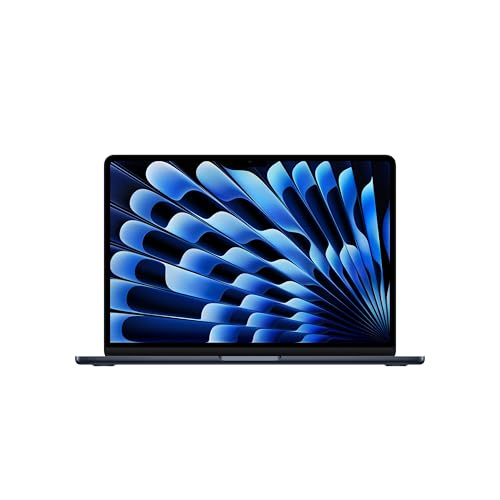
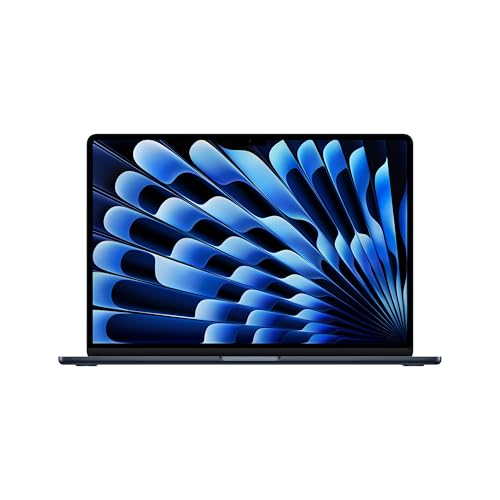


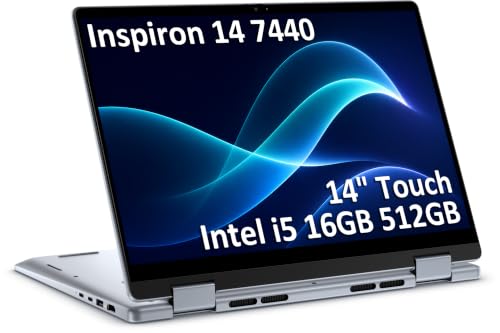


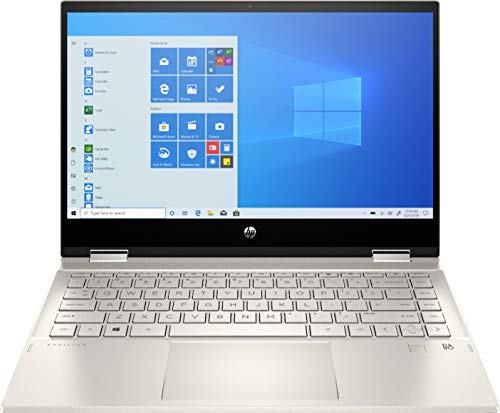
Laptop Price Tiers at a Glance
Price tiers tell you more than any single headline feature. Each tier below describes what you generally get for your money, who it suits, and the trade off you accept. Use these tiers to set a realistic budget before you compare individual listings in the product table above.
The Mainstream Tier
The mainstream tier, usually about $800 to $1,400, suits most home and office users who keep a laptop for four to six years. You generally get a current mid range processor, 16 GB of RAM, a bright 14 inch display, and an aluminum or magnesium body that feels solid on a desk and in a bag. Battery life of nine to twelve hours of light work is common. The main limit is graphics power, so serious gaming and heavy video work call for the upgrade tier instead.
The Value Tier
The value tier, often under $800, works well for browsing, documents, streaming, and schoolwork. Expect a capable entry level or prior generation processor, 8 to 16 GB of RAM, and a plastic or part metal chassis that weighs a little more. Screens are usually fine for indoor use but dimmer outdoors, and speakers tend to be basic. If your workload is light and your budget is tight, our guide to the best reasonable laptops explains how to stretch your money without giving up reliability.
The Upgrade Tier
The upgrade tier, often about $1,400 to $2,500 or more, adds a faster processor, 32 GB of RAM options, vivid OLED or high refresh displays, and stronger cooling. It suits creators editing video, engineers running large models, and players who want smooth frame rates. You pay more and often carry more weight, and battery life can drop under load. Buy this tier for a specific demanding task, not just for peace of mind.
How to Choose the Best American Laptops: Buying Guide
This is the core of your decision. Work through each feature below in order, note the level you truly need, and you will narrow the field quickly. Shoppers who prefer a slim notebook format for travel can also read our guide to the best notebook laptops for size focused advice.
Processor and Performance Tier
The processor sets the ceiling for speed. Current Intel Core Ultra, AMD Ryzen, and Apple silicon chips all handle office work, browsing with many tabs, and photo edits with ease. Step up in core counts and clock speeds when you compile code, edit 4K video, or run virtual machines. A practical rule is to buy one tier above your daily needs so the laptop still feels quick in year four. Pair the chip with fast SSD storage, since a slow drive makes even a strong processor feel sluggish at startup and when opening large files.
Ports and Connectivity
Count the devices you plug in each week before you fall for an ultra thin design. Most buyers want at least two USB C ports, one USB A port for older gear, an HDMI port for a monitor or TV, and a headphone jack. Thunderbolt support on USB C adds fast docks and external drives. WiFi 6E or WiFi 7 gives you cleaner connections on busy home networks, and Bluetooth 5.3 or newer pairs mice, keyboards, and earbuds reliably. If a model drops ports you use daily, budget for a dock and add its cost to the price.
Display Size, Resolution, and Brightness
A 13 to 14 inch screen balances portability and comfort for travel and couch use, while 15 to 16 inch screens suit desk work and split screen multitasking. Full HD resolution is fine at 13 inches, but a sharper 2.8K or similar panel looks noticeably better for text at larger sizes. Look for at least 300 nits of brightness for indoor use and 400 nits or more near bright windows. OLED panels give deep contrast for films and photos, while high refresh rates of 90 Hz or 120 Hz make scrolling and games feel smoother.
Battery Life in Real World Use
Advertised battery figures assume light tasks at modest brightness, so treat them as a best case. For mixed work with video calls, expect roughly two to three hours less than the headline number. A 55 to 75 watt hour battery is a good target for a 14 inch model you carry all day. USB C charging is a real convenience because one charger can serve your laptop, phone, and tablet. Know how tip: set your screen to 60 percent brightness and close unused apps during travel days, and you can often add an hour or more of usable time.
Keyboard, Trackpad, and Build
You touch the keyboard and trackpad more than any other part, so prioritize feel over spec sheet flair. Keys with about 1.3 to 1.5 mm of travel and a firm, quiet action suit long writing sessions, and a backlit keyboard helps in dim rooms. A large glass trackpad with accurate palm rejection makes gestures reliable. For build, aluminum and magnesium bodies resist flex and dents better than thin plastic, and a hinge that opens smoothly with one hand signals careful engineering. Students comparing campus friendly builds can see our guide to the best laptops for college for durability notes.
Operating System
Choose the system that matches your software and your other devices. Windows offers the widest app and game support and the most hardware choice. macOS suits buyers already using an iPhone or iPad and those who value long battery life and quiet fans. ChromeOS is simple, quick to update, and strong for web based school and office work at lower prices. Check that your must have apps run natively on the system you pick, and confirm how many years of updates the maker promises, since support length affects safe use.
Types of American Laptops
Form factor shapes daily comfort as much as raw speed. The three types below cover most buyers, and each trades power, weight, and flexibility in a different way.
Tablets
Tablets with detachable keyboards suit readers, note takers, and travelers who value the lightest possible bag. They shine for media, drawing, and light documents, and their touch screens feel natural for browsing. The limits are smaller keyboards, fewer ports, and weaker sustained performance for heavy multitasking. Choose a tablet as your main computer only if your work lives in a browser or a few focused apps.
Gaming Laptops
Gaming models pair a dedicated graphics card with strong cooling and fast screens, usually 144 Hz or higher. They run modern games and GPU accelerated creative apps well, and they often include extra ports and upgradeable storage. The costs are weight, louder fans under load, and shorter battery life away from an outlet. If you play only casual titles, an integrated graphics model saves money and bulk. Shoppers focused on domestic assembly as well as branding may also want our guide to the best american made laptops for sourcing notes.
2 in 1 Convertibles
Convertibles fold their screens back so you can write, present, or watch in tent or tablet mode. A bundled or optional pen makes them strong for marking up documents and sketching ideas. Hinges and touch hardware add a little weight compared with a plain clamshell of the same size. They fit students and presenters best, while writers who type all day may prefer a fixed keyboard deck.
Setup and Care Tips
A few early habits protect performance and battery health for years. Work through this list during your first week with the machine.
- Keep the OS and firmware updated, since updates patch security holes and often improve battery and fan behavior.
- Avoid running at 100 percent charge all the time if your model offers a charge limit near 80 percent for desk use.
- Use a padded sleeve when commuting, and keep drinks away from the keyboard deck to prevent costly liquid damage.
- Clean vents with short bursts of compressed air every few months so cooling stays effective and fans stay quiet.
- Turn on device encryption and automatic backups before you store important files, not after a loss.
- Restart the laptop once a week to clear stalled processes and finish pending updates cleanly.
Timing matters too. Prices dip during back to school and holiday sales, so if your current machine still works, read our guide to the best time to purchase laptops before you buy.
American Laptops: Your Questions Answered
Is a dedicated GPU worth it?
A dedicated GPU is worth it only if you play demanding games, edit video often, or use 3D and AI tools that list GPU acceleration. For office work, browsing, and streaming, modern integrated graphics are smooth and far more efficient. Skipping the GPU usually buys you a lighter body, quieter fans, and longer battery life at a lower price, which most home users will notice every day.
Should I buy a laptop or a tablet?
Buy a laptop if you type long documents, multitask across many windows, or need full desktop software and ports. Buy a tablet if reading, drawing, media, and travel weight matter most. A middle path is a convertible laptop, which covers typing first while still folding flat for notes. Be honest about your longest weekly task, and let that task decide the format.
How much RAM do I need?
Most buyers should choose 16 GB of RAM, which handles heavy browsing, office suites, and light photo work without slowdowns. 8 GB remains usable for simple school and web tasks on ChromeOS and budget Windows models, but it will feel tight sooner. Choose 32 GB if you edit 4K video, run virtual machines, or keep dozens of large spreadsheets and design files open at once.
How long should an american laptop last?
A well chosen mid range laptop should last four to six years, and premium models often reach seven with a battery replacement. Longevity depends more on RAM, storage space, and update support than on the launch year processor tier. You can extend life by keeping at least 15 percent of the SSD free and replacing the battery when runtime falls below your daily needs.
Is a Chromebook enough for school?
A Chromebook is enough for school when classes use web based tools, Google Workspace, and video calls, which covers many programs. It falls short if a course requires specific Windows or Mac software, offline pro apps, or local exam programs. Check the school software list before buying, and pick at least 8 GB of RAM and a screen your student can read for hours without strain.
Wrapping Up
Set your tier first, then confirm the processor, display, and battery match your longest typical day, and finally check ports and keyboard feel. That order keeps you from overpaying for power you will not use or underbuying on comfort you feel hourly. Compare your shortlist in the product table above, and you will choose among the best american laptops with confidence.


