
Best American Made 3D Printers: What to Check Before You Buy
Disclosure: We may earn a commission when you buy through links on this page, at no extra cost to you. As an Amazon Associate I earn from qualifying purchases. Learn more
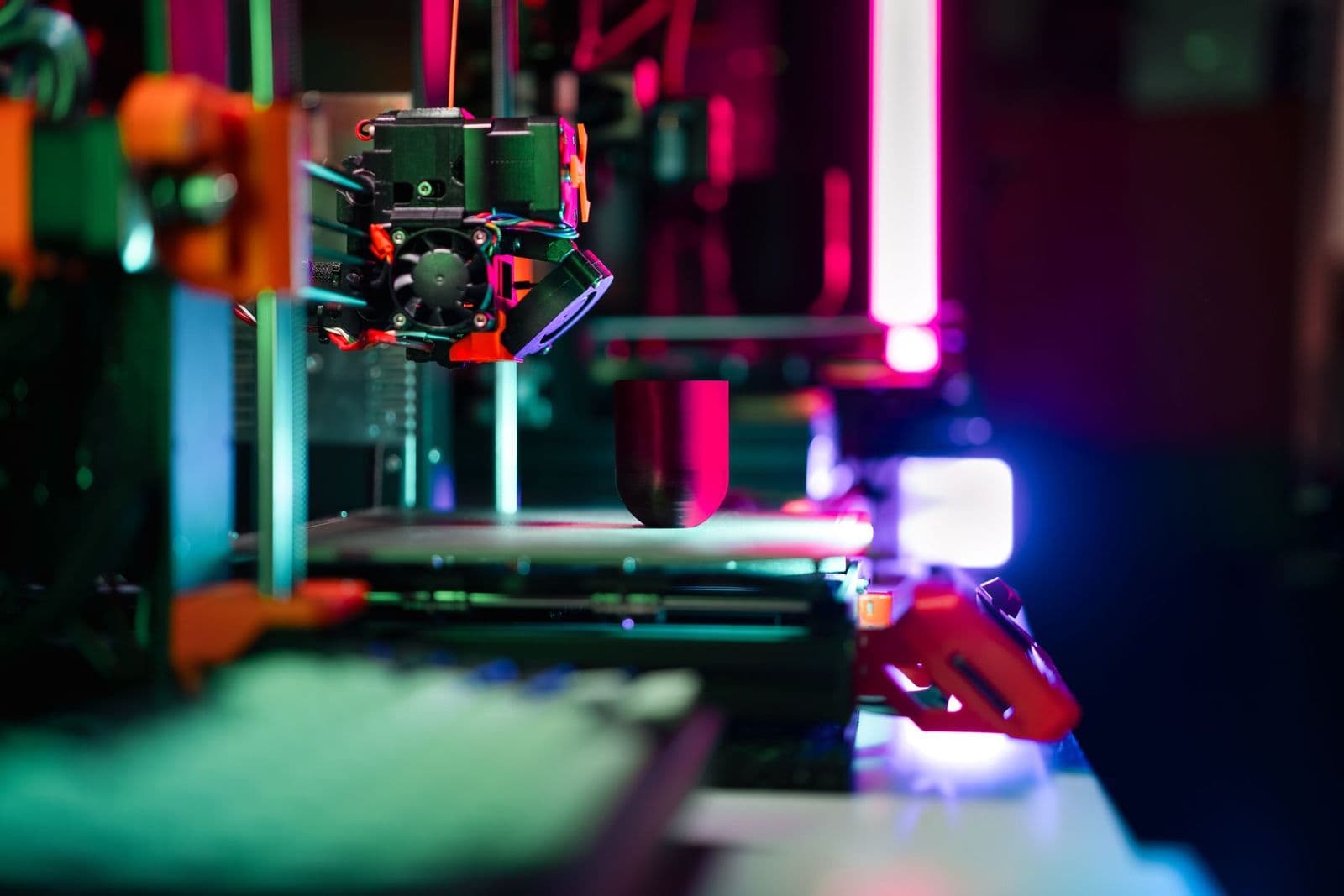
Learn what to check on the best american made 3d printers: assembly location, FDM or resin, build volume, materials and support.
The best american made 3d printers are the ones where design, assembly and support stay in the United States, which can mean faster help, easier parts and a company you can actually reach. The group is small, and most printers sold online are built overseas, so the label deserves a closer look than a listing gives it. This guide explains what American made means for a 3D printer and which features decide a good fit.
Because few printers are truly built in the US, shop by what you need to print first, then check where that printer is made. That order protects you from paying a premium for a label that does not match your projects.
What American Made Means for a 3D Printer
There are three common meanings. Some printers are designed in the US and built overseas, some are assembled in the US from imported parts, and a few use mostly domestic parts and final assembly. A maker statement on assembly location, parts origin and where support staff sit tells you more than a flag on the box.
Examples of US-based makers include LulzBot for open source FDM printers and Formlabs for resin printers, plus industrial names aimed at shops and labs. Check each model's own country of assembly, since a company can build some products at home and others abroad.
Who Should Buy an American Made 3D Printer
Domestic printers suit classrooms, small shops, makerspaces and businesses that want phone support, local warranty service and spare parts that ship quickly. They also suit buyers who print with engineering materials and need documented, repeatable results.
If you only want a low-cost printer for toys, cosplay and gifts, a mass-market imported model is cheaper and well supported by online communities. Be honest about your use before paying the domestic premium.
Key Features to Compare
- Technology: FDM printers melt plastic filament and suit functional parts, while resin printers cure liquid resin and give finer detail for miniatures and dental or jewelry models.
- Build volume: Match the print size to the parts you make. A larger bed costs more and takes more desk space.
- Material range: Check supported filaments, from PLA and PETG to ABS, nylon and composites, and the hotend temperature needed for each.
- Print reliability: A rigid frame, a heated bed and reliable leveling cut failed prints, which saves time and material.
- Support and parts: Look for named support channels, spare nozzles and beds, and a clear warranty.
- Software and openness: Open firmware and common slicer support let you use third-party materials and tweak settings.
For related comparisons, see best hobby 3d printers, best 3d printers, best inexpensive 3d printers, best starter 3d printers and best resin 3d printers.
FDM or Resin for American Made Printers
FDM is the better first choice for most buyers. It is cleaner to run, the materials are cheaper, and prints are strong enough for brackets, jigs, enclosures and replacement parts. Resin gives smoother surfaces and finer detail, but it needs gloves, ventilation, washing and curing steps, and the resin itself is a hazardous liquid that you must handle and dispose of carefully.
Choose resin only when detail matters more than convenience, and set up a dedicated space away from food and children. Follow the manufacturer's safety instructions for every material.
Space, Power and Ventilation
Measure your workspace, check power needs and allow room for filament storage and maintenance. A stable table and clearance around the printer help print quality. Materials such as ABS and some resins give off fumes, so print in a ventilated area or use an enclosure with filtration.
If you print large parts, check doorways and storage for finished pieces before you choose a big bed.
Everyday Use and Care
Start with simple models and standard settings, then change one setting at a time as you learn. Keep the bed clean and level, store filament in dry containers because damp filament gives rough prints, and note the settings that work for each material.
Clean the nozzle regularly, check belts and fans for wear, and update firmware when the maker releases fixes. Small habits prevent most print failures.
Common Mistakes to Avoid
- Buying the largest printer available, then finding it slow, costly and hard to place.
- Trusting an American made label without checking where the printer is assembled.
- Ignoring ventilation for stronger materials and resins.
- Skipping spare parts, such as nozzles and build plates, in the budget.
- Choosing resin for functional parts when an FDM printer would be stronger and simpler.
Frequently Asked Questions
What does american made mean for a 3D printer?
It usually means design, assembly or key manufacturing happens in the United States, but the exact share varies by maker. Check the maker statement for assembly location and parts origin. Support location often matters more day to day than the label alone.
Which material should beginners start with?
PLA is the easiest starting material, with low warping and simple settings. Once PLA prints well, try PETG for stronger parts. Save ABS and similar materials for later, since they need more heat control and ventilation.
Are American made 3D printers more expensive?
Often yes, because labor and parts cost more at home. The premium buys local support, longer warranties and documented quality, which matter most for business and classroom use.
Why do prints fail?
Common causes are poor bed adhesion, damp filament, wrong temperatures and loose belts. Fix one factor at a time and keep notes. A clean, level bed and dry filament solve a large share of early failures.
Is a 3D printer worth it for home use?
It is worth it if you make parts, prototypes, repairs or hobby models regularly. Occasional users may do better with a print service. Count filament, time and learning effort, not just the printer price.
Choosing the Best American Made 3D Printers
Decide what you need to print, pick FDM or resin, and then look for models whose assembly and support really are domestic. Verify the maker statement, check warranty and spare parts, and plan space and ventilation before you order.
The best american made 3d printers are the ones that fit your projects and come with support you can rely on, so let those two points guide the final choice.


