Best Aluminum Ladder (2026): Type, Reach and Duty Rating
Disclosure: We may earn a commission when you buy through links on this page, at no extra cost to you. As an Amazon Associate I earn from qualifying purchases. Learn more

Best Aluminum Ladder guide for homeowners: match step, extension and multi position types to your reach, duty rating and storage space.
Aluminum ladders look similar on a store shelf, yet the wrong one can feel wobbly on a ceiling job or fall short of the gutter line by a foot. Choosing the best aluminum ladder comes down to matching the type, height, and duty rating to the work you actually do around your home. This guide walks through the main types and specs that matter, and the product table below shows current models.


Aluminum Ladder Types Compared at a Glance
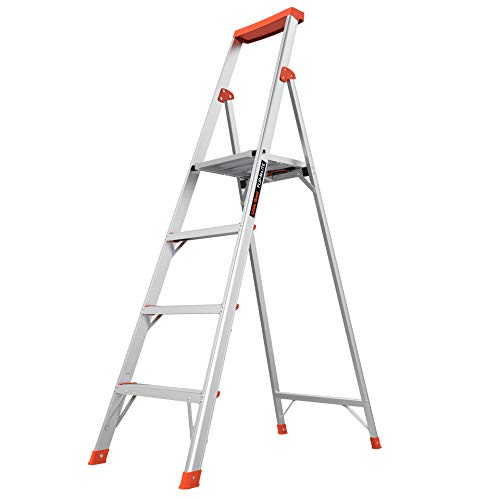
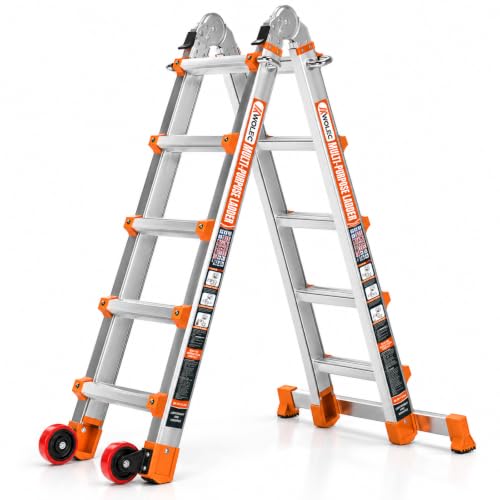
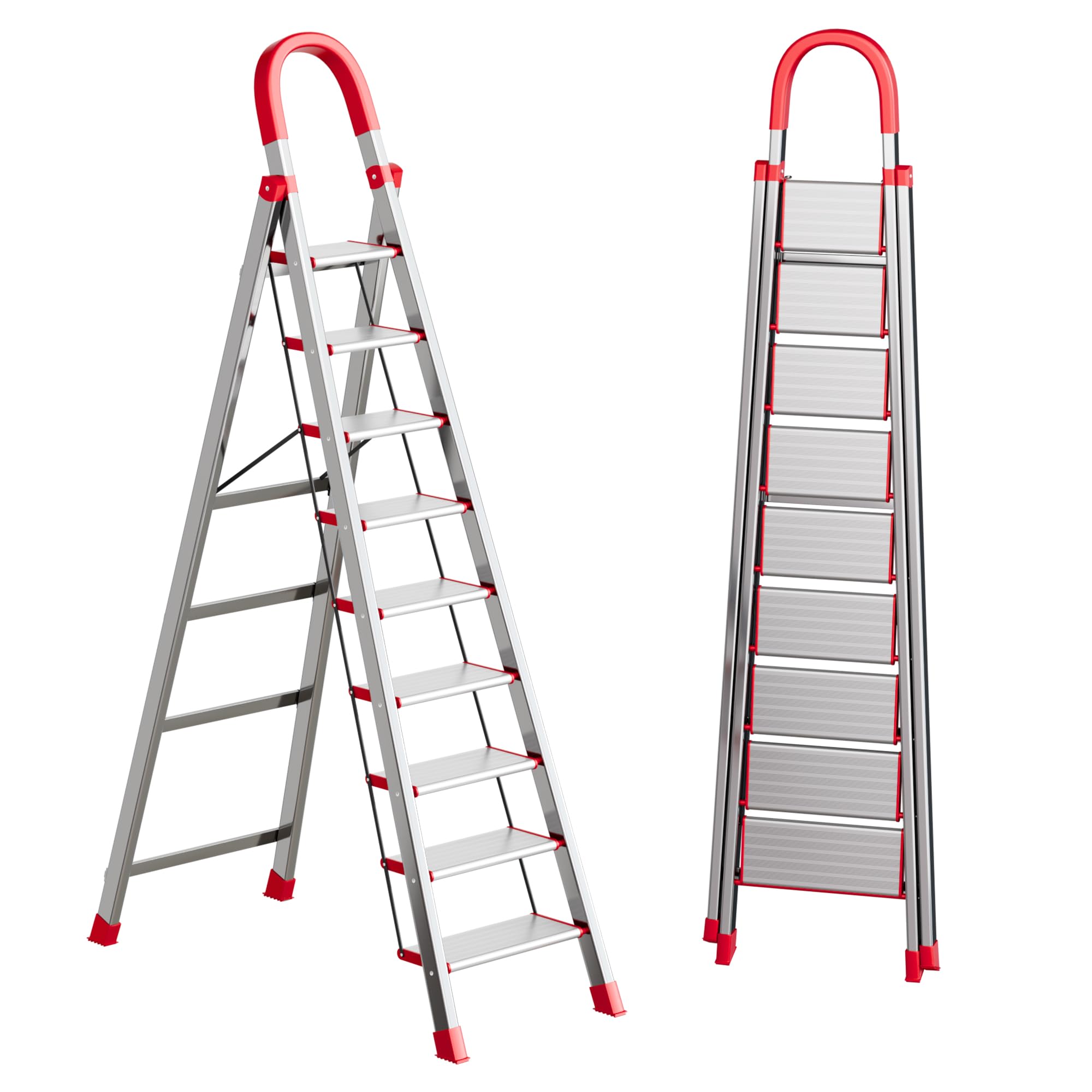
Aluminum ladders fall into a few clear families, and picking the right family matters more than any single feature. Step ladders stand on their own and suit indoor and garden tasks at modest heights. Extension ladders lean against a wall or roof edge and reach the highest points of a house. Multi position ladders fold and lock into several shapes, so one ladder covers many jobs. If storage space is your main worry, our guide to the best telescoping ladder covers compact models for a closet.
Who Should Buy Which Aluminum Ladder?
Homeowners Doing Routine Indoor and Outdoor Chores
For changing ceiling lights, painting walls, and reaching high shelves, a step ladder in the 4 ft to 6 ft range covers most homes with 8 ft to 10 ft ceilings. Look for wide steps and a top cap with slots for tools and paint. If most of your tasks happen inside the house, start with our roundup of the best ladder for home use for more size guidance by room.
Homeowners Who Clean Gutters and Reach the Roof Edge
Gutter cleaning, hanging holiday lights, and roof edge repairs call for an extension ladder. A 16 ft model suits most one story homes, while a 24 ft to 28 ft model reaches the eaves of many two story homes. Choose one with rung locks that click firmly into place and feet that grip on flat and soft ground. A stabilizer bar also helps at the gutter line, since it protects the gutter from dents.
Renters and Small Space Dwellers With Little Storage
If your ladder must live in a closet or a car trunk, a folding step ladder or a telescoping model makes the most sense. A slim 2 step or 3 step folding ladder handles kitchen reaching, while a telescoping model stores in about the space of a golf bag. The trade off is a lower duty rating on many compact models, so check the capacity against your weight plus tools.
Key Features to Compare
Height and Reach
Ladder height labels can mislead, because the number on the box is the ladder length, not the height you can safely reach. A person of average height can reach about 4 ft above the highest step they are allowed to stand on, and on a step ladder that never includes the top cap. Extension ladder sections overlap, so a ladder sold as 24 ft gives about 21 ft of working length. Measure to your target point, such as the gutter line, then add your safe reach to pick a size.
Duty Rating and Weight Capacity
Every aluminum ladder carries a duty rating that states the maximum load it is built to hold, including you and everything you carry up. Type III holds up to 200 lb, Type II up to 225 lb, Type I up to 250 lb, Type IA up to 300 lb, and Type IAA up to 375 lb, following the ANSI standard on the side rail label. Pick a rating with real headroom, because a full paint can or a tool belt adds weight fast.
Material Gauge and Build Quality
Aluminum is light, rust resistant, and strong for its weight, but not all aluminum rails are equal. Thicker rail walls and braced steps feel firmer underfoot and twist less when you shift your weight. Steps should be riveted or welded with even joints, and extension ladder rungs should have a flat top surface with a ribbed grip. A ladder that flexes and creaks on the showroom floor will not feel better at height, so favor solid construction over the lowest price. Weight matters too: a typical 6 ft aluminum step ladder weighs about 12 lb to 18 lb, light enough to carry with one hand, though the lightest model in a class sometimes gets there by using thinner rails.
Steps, Rungs, and Standing Comfort
Wide steps make long jobs far more comfortable than narrow rungs, because they spread pressure across your whole foot. On step ladders, look for steps at least 3 inches deep, and consider a platform step model if you work at one height for long stretches. Extension ladder rungs are round or D shaped on many models, and the D shape is kinder to your feet during gutter work. Slip resistant tread matters too, since a thin film of water or dust is all it takes to slide.
Feet, Locks, and Safety Details
Good feet and locks keep a ladder planted and predictable. Step ladders should have rubber boots that grip hard floors and spreader bars that lock open with a clear click. Extension ladders need spring loaded rung locks that engage on their own as you raise the sections, plus a rope and pulley on longer models. If you are unsure how these parts work together, our guide on how to use a ladder walks through safe setup step by step.
Sizing and Safe Setup for Aluminum Ladders
For an extension ladder, set the base out from the wall by one quarter of the working length, so a ladder reaching 20 ft stands with its feet about 5 ft from the wall. Extend it at least 3 ft above the roof edge when you plan to step onto the roof. Keep three points of contact while climbing, face the ladder, and keep your hips inside the rails instead of leaning out. Most falls happen during a short, familiar task, so the setup routine matters even for a two minute job.
Aluminum conducts electricity, and that single fact shapes where you may use one. Never use an aluminum ladder near overhead power lines or exposed wiring, and keep at least 10 ft of clearance from power lines. For work near electrical sources, a fiberglass ladder is the safer tool. Get medical help right away if a fall causes head, neck, or back pain, numbness, or trouble moving a limb, and have any suspected fracture checked by a doctor rather than climbing again to finish the job.
Aluminum vs Other Ladder Materials: Pros and Cons
Against fiberglass, aluminum wins on weight and price. An aluminum ladder is easier to carry, raise, and store, and it will not rust in a damp garage. Fiberglass wins on electrical safety, because it does not conduct current, and it tends to feel stiffer on very long extension models. Our detailed comparison of fiberglass vs aluminum ladder breaks down cost, lifespan, and care for both. Against wood, aluminum is lighter, resists rot and insects, and needs almost no upkeep.
Steel ladders exist for a few specialty jobs, but for home use they are usually too heavy to move often, and they rust once the finish chips. For most homeowners who work away from power lines, aluminum gives the best mix of low weight, fair price, and long service life.
How Much Should You Spend?
Small aluminum step ladders often cost under $100, and many 6 ft models fall between about $100 and $200. Extension ladders in the 16 ft to 24 ft range commonly run about $150 to $350, while multi position ladders with high duty ratings can reach about $200 to $400. Paying more usually buys a higher duty rating, thicker rails, and better locks rather than extra height alone. Spend first on capacity and build, then on extras such as tool trays.
Common Mistakes to Avoid
- Standing on the top cap or top step of a step ladder, which removes your balance point and invites a fall.
- Choosing a ladder by its box length instead of your real reach, then finding it a foot too short at the gutter.
- Ignoring the duty rating and overloading the ladder with your weight plus heavy tools and materials.
- Setting an extension ladder at too steep or too shallow an angle, which makes it slide or tip.
- Using an aluminum ladder near power lines, where one careless move can carry current through the rails.
- Leaning out past the side rails to reach farther instead of climbing down and moving the ladder.
How to Make Your Aluminum Ladder Last Longer
Wipe rails and steps down after muddy or dusty work, and wash off paint splatter with mild soap and water. Store the ladder indoors or under cover, hung flat on wall hooks or laid on a flat surface, since leaning it in a corner for months can bow a long rail. Check the feet, rung locks, ropes, and spreader bars a few times a year, and replace worn rubber boots before they slip. Never use a ladder with a bent rail, a cracked step, or a lock that fails to engage, and retire a damaged ladder rather than straightening it, since bent aluminum loses strength even when it looks true again.
FAQ
Are aluminum ladders strong enough for home use?
Yes, as long as you respect the duty rating on the side rail label. A Type I aluminum ladder holds up to 250 lb, and Type IA holds up to 300 lb, which covers most adults plus hand tools and a paint can. Strength problems usually come from overloading or a bent rail, not from the aluminum itself. If you regularly carry heavy loads up, step up one rating class rather than pushing a lighter ladder to its limit.
What size aluminum ladder do I need for a two story house?
Most two story homes have eaves about 18 ft to 22 ft above the ground. Because the sections of an extension ladder overlap, a ladder sold as 28 ft gives you roughly 25 ft of working length, which covers that eave height and lets the ladder extend above the roof edge for a safe step off. A 24 ft model works for lower two story homes with eaves near 18 ft. Measure your own eave height before buying, since roof pitch and ground slope change the number.
Why does my aluminum ladder feel wobbly?
Wobble usually comes from the setup rather than the ladder. Uneven ground, feet that are not fully planted, spreader bars that did not lock open, or an extension ladder set at the wrong angle all add sway. Thin rails and a low duty rating add flex near the load limit, which feels like wobble too. Fix the setup first on firm, level ground, and if flex remains while you are well under the rating, a heavier duty model will feel calmer.
Can I use an aluminum ladder on stairs?
A standard step or extension ladder should never be leveled with blocks or boards on a staircase. Multi position ladders solve this problem properly, because their legs adjust to different lengths and lock, letting one side stand on a lower step safely. That stair mode is a real reason to pick a multi position design if you paint stairwells or change bulbs over a staircase. Whatever ladder you use, have a helper steady the base.
How long does an aluminum ladder last?
With indoor storage and basic care, an aluminum ladder often serves for many years, and most models carry no fixed expiry date. Its life ends when damage appears: bent rails, cracked steps, worn feet, or locks that no longer engage fully. Inspect before each season of heavy use, and retire the ladder at the first sign of structural damage.
Final Thoughts
The right ladder is the one whose type, reach, and duty rating match the jobs on your list, with enough headroom that you never work at its limits. Start with the type that fits your home, confirm the size with a real measurement, and let build quality guide the final choice. The best aluminum ladder for you should feel steady underfoot and light in your hands. For a wider look at every ladder style, see our guide to the best ladder, and if attic access is on your project list, our roundup of the best attic ladder covers pull down models built for that job. Compare your shortlist against the product table above.