
Best Altimeter Watches 2026: A Complete Buying Guide
Disclosure: We may earn a commission when you buy through links on this page, at no extra cost to you. As an Amazon Associate I earn from qualifying purchases. Learn more
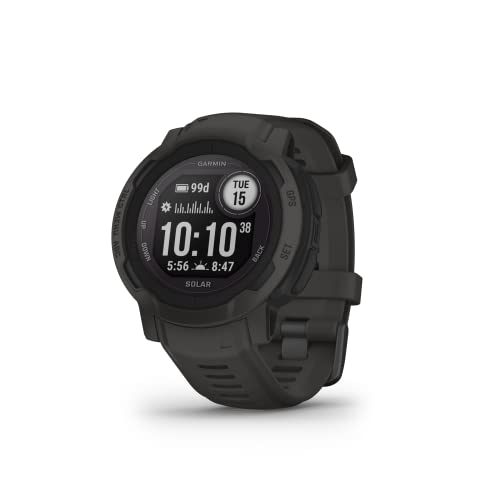
Altimeter watches track elevation on trails and slopes. Compare accuracy, compass aids, battery life, and readability before a trip before you buy.
The best altimeter watches help hikers, climbers, skiers, and trail runners track elevation, ascent, and weather trends without relying on a phone. This guide explains how altimeter watches work, which features matter in the mountains, and what to check before you buy.
Use the product table above to compare current models, then read the sections below to match the watch to your trips, your wrist, and your budget.

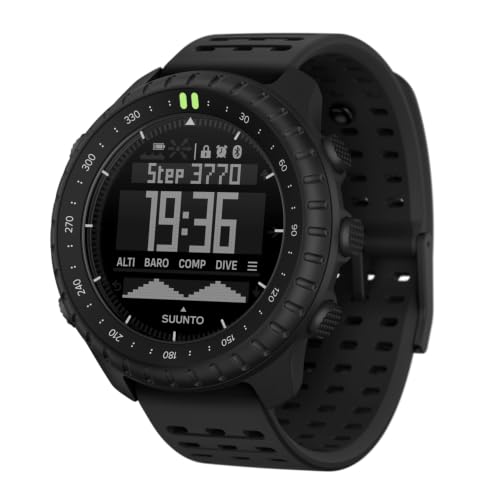

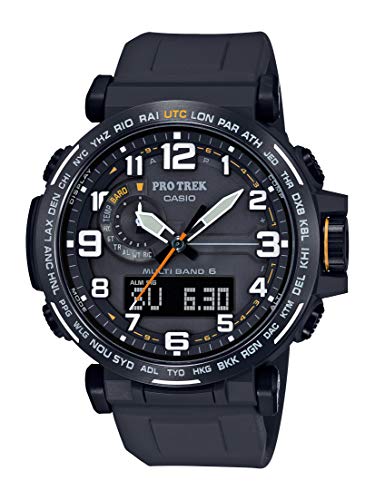
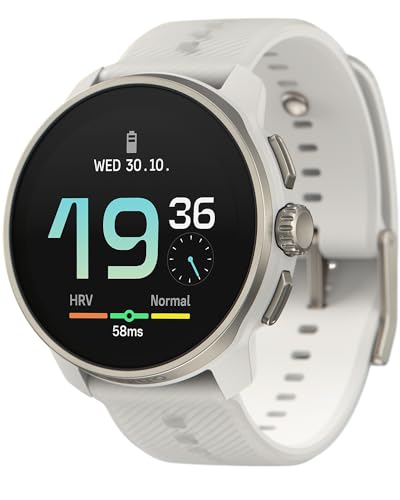
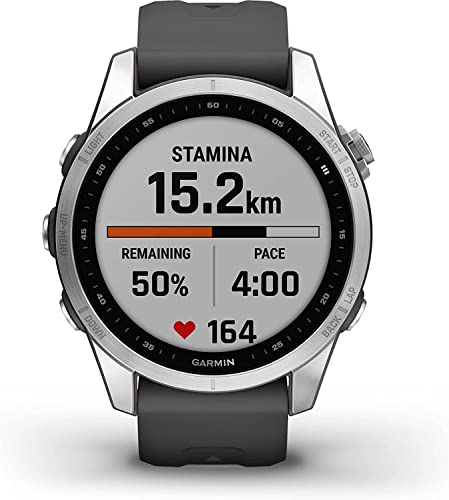
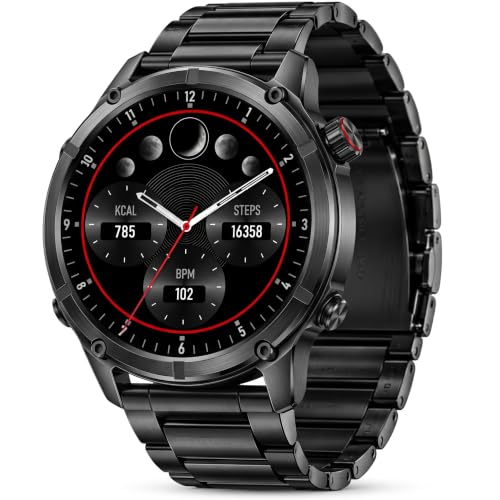


How an Altimeter Watch Works
Most altimeter watches use a barometric sensor that reads air pressure. Pressure drops as you climb, and the watch converts that change into an elevation reading. Because weather also changes pressure, a barometric altimeter drifts over a day, so calibrate it at a trailhead or a known elevation. Many GPS watches also use satellite data to correct elevation automatically, which helps on long routes.
Some watches add a barometer trend graph and storm alerts, which are useful reminders to check conditions. They are aids only, and they do not replace a weather forecast or good judgment in the mountains.
Key Features to Compare
Altimeter Accuracy and Calibration
Look for a watch that lets you set elevation manually and also corrects it from GPS. Automatic calibration saves effort, while manual calibration at a signed summit or trailhead keeps readings dependable. Check how often the watch logs ascent and descent, since climbers care about total vertical gain over a day.
Compass and Navigation Aids
A built in compass helps you check direction when phone signal drops. Breadcrumb tracking and route loading are valuable for backcountry trips, and a watch with maps adds convenience at a higher price. Test the compass by recalibrating after changing the battery or passing near strong magnets.
Battery Life Outdoors
Battery life in GPS mode decides whether a watch suits multi day trips, while watch mode should last weeks between charges. Solar charging helps on long summer days. Cold weather shortens battery life, so keep spare charge in mind for winter outings.
Durability and Readability
A scratch resistant lens, a water resistance rating suited to rain and splashes, and a clear display matter when you check elevation with gloves on in bright sun. A bright backlight and large digits help in snow and at night.
Choosing the Right Size and Type
Choose a case size that sits comfortably on your wrist and fits under a jacket cuff. A watch that is too bulky catches on sleeves, while one that is too small can be hard to read. Lighter materials suit runners, while sturdier cases suit climbers and heavy use.
Also think about who the watch is for. Runners may want fitness tracking, while hikers may care more about navigation and battery life.
Mistakes to Avoid
- Trusting an uncalibrated altimeter, which can be off by tens of meters after the weather changes.
- Paying for extra modes you will rarely use.
- Ignoring battery life in GPS mode for multi day trips.
- Judging a watch only by looks without checking size, strap, and readability in sun.
Price, Care, and Everyday Value
Altimeter watches range from simple digital models to full featured GPS multisport watches. Budget models handle basic elevation tracking, while midrange and premium models add maps, longer battery life, and richer training data.
Rinse the watch after dusty or salty trips, charge it before a long outing, and keep the sensor port clear of dirt. Follow the maker guide for software updates, which often improve GPS accuracy and battery use.
For related reading, see our guides to the best altitude watches and the best workout watches.
Frequently Asked Questions
How do I choose the right size for an altimeter watch?
Start with your wrist and your usual activity. A watch should sit snugly without sliding, and it should fit under a jacket sleeve. If you sit between two sizes, choose the one that stays comfortable on a long day.
What feature matters most in an altimeter watch?
Altimeter accuracy and an easy calibration method matter most, followed by battery life and a display you can read with gloves on. Extra features help only after those basics feel right.
Is a barometric altimeter more accurate than GPS elevation?
Each has strengths. A calibrated barometric sensor responds quickly to small changes, while GPS elevation is less precise but does not drift with the weather. Many watches combine both.
How do I care for an altimeter watch?
Rinse it after dusty or salty trips, dry it with a soft cloth, and charge it before a long outing. Keep the pressure sensor opening clear, and do not poke it with sharp objects.
Can I rely on a watch for mountain safety?
A watch is a helpful aid, not a safety system. Carry a map, compass, and the right gear, check the forecast, and tell someone your plan before heading out.
Final Thoughts
Choosing the best altimeter watches comes down to calibration, battery life, readability, and fit on your wrist. Compare your shortlist in the product table above, and pick the watch that suits your real trips rather than the longest feature list.


