Best Altitude Watches: Everything to Know Before Your First Purchase for 2026
Disclosure: We may earn a commission when you buy through links on this page, at no extra cost to you. As an Amazon Associate I earn from qualifying purchases. Learn more

A first time guide to the best altitude watches: sensors, calibration, battery life, water resistance, and fit.
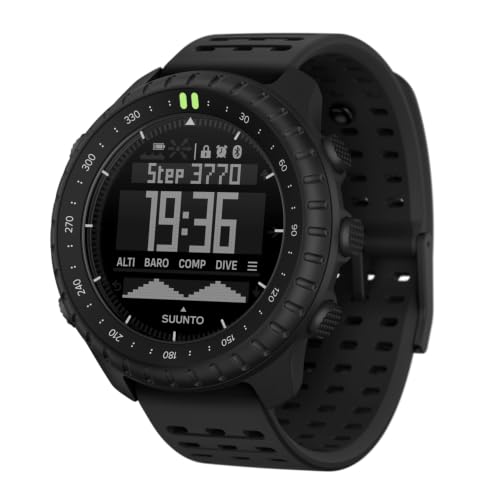
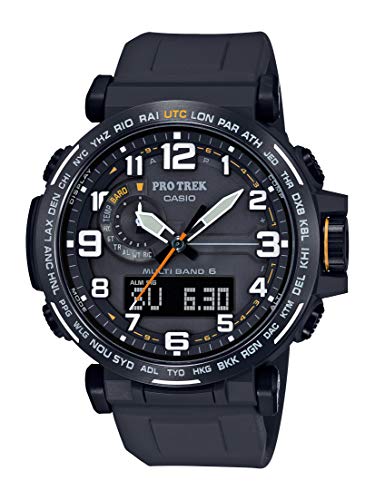
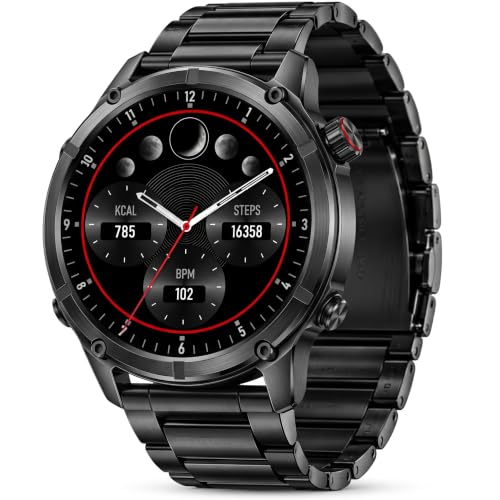
Buying your first altitude watch can feel confusing because listings mix hiking terms, watch terms, and fitness terms all on one page. This guide starts with the plain basics, then walks you through each spec in simple language so you can choose with confidence. If you are shopping for best altitude watches for hikes, travel, or work outdoors, the comparison table below gives you a quick way to line up the main options side by side.
You do not need to master every feature before you buy. You only need to know how you will use the watch, how accurate the altitude reading needs to be, and how often you want to charge or service it.




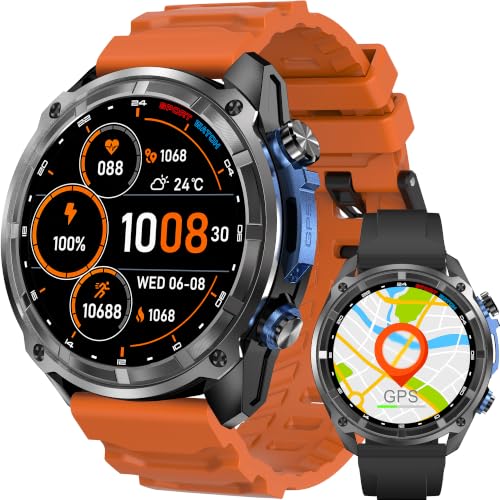
Altitude Watches 101: The Basics
An altitude watch measures how high you are above sea level. Most models do this with a barometric sensor that reads air pressure. As you climb, air pressure drops in a predictable way, and the watch turns that change into an elevation number on the dial or screen.
Many models add a compass and a thermometer, a group of tools often called ABC features. A barometer graph can also hint at weather change, because falling pressure often arrives before unsettled weather. That hint is useful on a trail, but it never replaces a real weather forecast or your own judgment about turning back.
Some watches also use GPS to check altitude. GPS altitude can drift more than barometric altitude, so stronger models let you calibrate the sensor at a trailhead sign, a known summit marker, or a map elevation. Calibration is the single habit that makes readings far more trustworthy, and it takes less than a minute once you know the menu.
Terms you will see often include altimeter for altitude, barometer for pressure, and compass for direction. You will also see water resistance, case diameter in millimeters, lume for glow in low light, and sapphire crystal for a hard watch face material. Each term gets a simple explanation in the next section.
Key Specs Explained in Plain English
Movement Type (Quartz, Automatic, Solar, Smart)
Movement describes what powers the watch and keeps time. Quartz models run on a small battery and are usually the most accurate and the lowest effort choice. Automatic movement winds itself from your wrist motion and needs no battery, but it can gain or lose a few seconds each day and it needs service every 5 to 7 years.
Solar models charge a cell from light and can run for months on a full charge. Smart and ABC digital models add sensors and screens, but they need charging far more often. For altitude use, sensor quality matters more than movement romance, so start with how the watch measures height, then pick the power style that fits your routine.
Legibility and Style
Legibility means how fast you can read the watch at a glance, often with cold hands, bright sun, or a headlamp at night. Look for strong contrast between hands and dial, large numerals, and lume that glows after light exposure. Digital displays show altitude as an exact number, which many hikers prefer, while analog dials look better in an office.
Case diameter shapes both style and comfort. A case around 40 to 44 mm suits many wrists and still leaves room for clear digits. Very large cases can snag on pack straps and jacket cuffs. If you plan to wear the watch daily, choose a style you like at work as well as on the trail.
Smart and Fitness Features
GPS can record your route, pace, and distance, and it can help you find your way back to a start point. Heart rate sensors can show effort on climbs, but wrist readings can lag during fast changes and they never replace a medical device. If you have a heart condition or take medication that affects heart rate, talk with your doctor about what readings you should trust.
Battery life is the trade off you feel most. A full featured GPS watch may need a charge every few days with heavy tracking, while a simple ABC watch can run for months. For long trips, ask how the watch behaves when the battery gets low. A model that keeps time and altitude after GPS features shut down is safer than one that goes blank.
Phone alerts, music controls, and contactless payment are pleasant extras, but they do not make altitude readings better. Pay for sensor quality, clear screens, and battery life first. If you are comparing broader training options, see our guide to the best workout watches for how fitness features differ from outdoor navigation tools.
Water Resistance Rating
Water resistance is written in meters or ATM, and the number does not mean you can dive to that depth. A 30 m rating handles splashes and light rain only. A 100 m rating is a safer goal for swimming, showering, and wet hikes, and 200 m adds more margin for water sports.
Buttons matter as much as the rating. Avoid pressing buttons underwater unless the maker says it is safe, because a press can let water past a seal. Gaskets age over time, so a watch that was water resistant when new may need a pressure check after a battery change or case service. Rinse the watch in fresh water after saltwater exposure and let it dry before charging or storing it.
Crystal and Case Materials
The crystal is the clear cover over the dial. Sapphire crystal resists scratches very well and keeps the face clear after years of contact with rock, zippers, and desk edges. Mineral crystal costs less and can handle normal use, but it shows scratches sooner. Plastic crystals are light and cheap, yet they scuff easily.
Case materials affect weight and durability. Stainless steel feels solid and polishes well, but it adds weight on long climbs. Titanium is lighter and kind to sensitive skin, though it often costs more. Resin cases absorb knocks well and keep price down, which suits rough work. For general quality markers across styles, see our guide to the best quality watches and compare finish, seals, and warranty terms.
Strap and Bracelet Options
The strap decides whether you will enjoy wearing the watch all day. Silicone straps handle sweat, rain, and swimming well and they rinse clean in seconds. Nylon straps dry fast, fit over or under a cuff, and are easy to swap. Leather looks smart in town but soaks up water and ages fast on wet trails.
Metal bracelets feel durable and dress up a watch, but they add weight and can pinch during wrist swelling on hot climbs. A quick release strap system lets you change straps with no tools, which is handy when you move from trail to office. Always check lug width before buying a spare strap, and keep the spring bars in a safe place during a swap.
Rookie Mistakes to Avoid
- Skipping calibration. An uncalibrated barometric altimeter can be off by a wide margin after weather change. Set a known elevation at the start of each big hike.
- Buying only for looks. A handsome dial with tiny digits is hard to read on the move. Test legibility in bright light if you can.
- Ignoring battery reality. A watch that dies on day two of a trip is a burden. Match charge intervals to your longest planned outing, with margin.
- Overpaying for extras you will not use. Music storage and payment features add cost and drain power. Sensor quality helps you more outdoors.
- Choosing the wrong size. A case that overhangs your wrist catches on straps and feels heavy. Measure your wrist and compare case diameter and lug to lug length.
Getting Started: Setup and First Use
Start by charging or fitting the battery, then set time, date, and units. Choose feet or meters and stick with one system so your trail notes stay consistent. Next, calibrate the altimeter at a known elevation and set the compass by following the maker steps, usually a slow figure eight motion away from metal objects.
Wear the watch on a short local walk first. Compare its elevation reading with a trail sign or a map app at two or three known points, and note any gap. Check how the buttons feel with gloves if you hike in cold weather. Set alarms and backlight levels at home, not on a windy ridge.
For care, wipe sweat and dirt off the case and strap after outings, and store the watch dry. Service automatic watches every 5 to 7 years, or sooner if timekeeping changes a lot. If you swim in the sea, rinse after saltwater exposure the same day to protect seals and strap pins.
If style matters for daily wear as much as trail use, browse our guide to the best watches for guys to see how case size and strap choices change the look of a watch across settings.
Frequently Asked Questions
How long does a watch battery last?
A quartz watch battery often lasts about 1 to 3 years, depending on backlight, alarms, and sensor use. ABC models that sample pressure often can sit near the lower end of that range. Solar models avoid routine battery swaps because light tops up the cell, but the cell still ages over many years. A low battery warning is your cue to plan a swap before a long trip, not during one.
How water resistant should a watch be?
Choose at least 100 m if you plan to swim, shower, or hike in heavy rain with your watch. That rating gives margin for splashes, button use on land, and aging seals. A 30 m watch is fine for hand washing and light rain only. Whatever rating you pick, have seals checked after a battery change, because the act of opening the case can weaken the original water barrier.
Quartz or automatic: which is better?
Quartz is better for most first time buyers who want accuracy, low cost, and little upkeep. It also suits digital ABC models, which need power for sensors and screens. Automatic movement appeals if you enjoy mechanical craft and daily wear keeps it wound, but it is less precise and needs periodic service. For altitude tracking, the sensor system matters more than this choice, so let your maintenance tolerance decide.
What case size fits my wrist?
Measure around your wrist with a soft tape, then match that number to case diameter and lug to lug length. Wrists under about 6.5 inches often suit cases near 38 to 42 mm, while larger wrists can carry 44 to 47 mm with comfort. The lugs should not hang past the edges of your wrist. A lighter case and a flexible strap can make a larger watch feel smaller than the numbers suggest.
Is a smartwatch worth it over a classic watch?
A smartwatch style altitude model is worth it if you want GPS tracks, route data, and training records in one device. It is less appealing if you hate frequent charging or want a watch that works for years with little attention. Classic ABC watches give you altitude, pressure, and compass with far longer battery life. Decide by trip length first. Short trips favor smart features, long trips favor simple power.
Our Verdict
For a first purchase, focus on three things: a barometric altimeter you can calibrate, a screen or dial you can read at a glance, and battery life that covers your longest trip with room to spare. Add 100 m water resistance if the watch will swim with you, and pick a strap you can rinse and swap easily. When you compare best altitude watches with those points in mind, the product table above becomes a fast final check rather than a confusing list.