
Best Alpine Boots in 2026: Which Type Is Right for You?
Disclosure: We may earn a commission when you buy through links on this page, at no extra cost to you. As an Amazon Associate I earn from qualifying purchases. Learn more

Compare alpine boot types by insulation, fit and traction to choose the best alpine boots for your route, your season and your budget with confidence.
Alpine boots look similar on a shelf, yet the right pair for a summer rock ridge can leave your feet cold and sore on a winter ice route. The differences that matter are insulation, stiffness, weight, and how the boot works with crampons and thick socks. This guide compares each type so you can match the boot to your route.
Start by naming your coldest expected day, your longest approach, and the steepest ground you plan to climb. Those answers point you to the best alpine boots for your plans. Then use the comparison table below to check insulation, fit notes, and price bands side by side.


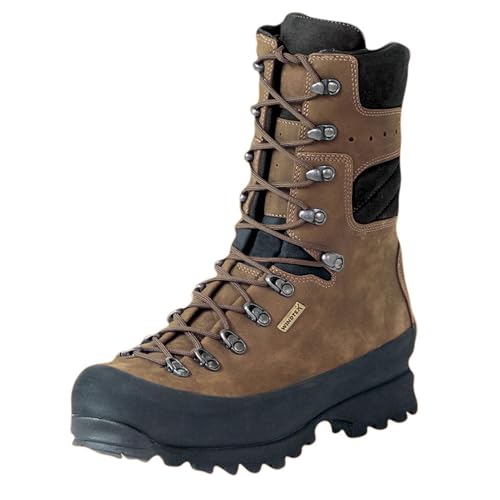
Types of Alpine Boots Compared
Alpine boots fall into three broad families. Light models favor long approaches and dry rock. Insulated single boots add warmth for winter summits without expedition bulk. Double boots use a removable inner boot for the coldest and highest routes. Light boots often cost around $350, single boots about $525, and double boots about $800.
Light Alpine Boots for Summer and Long Approaches
Light alpine boots use a thinner upper, a partly stiff sole, and little or no added insulation. They walk well on trails, scramble comfortably on rock, and accept a flexible crampon for short snow patches. Breathable panels and a lower cut help on warm days.
Choose this type for summer ridges, glacier walks in mild weather, and routes where you spend most of the day moving rather than front pointing on ice. The trade is warmth and support on steep snow. If your toes go numb on cold mornings, this class will feel too cold in winter.
Insulated Single Boots for Winter Ascents
Insulated single boots combine a tough outer shell, built in warmth, and a stiff sole in one fixed unit. The sole holds a rigid crampon securely, the high cuff supports your ankle on side slopes, and the insulation keeps feet functional through a full winter day. They feel precise on ice and mixed ground where each step needs trust.
Choose this type for winter peaks, ice climbing, and cold shoulder season routes where one boot must do everything. For steep ice and mixed ground, see our guide to the best alpine climbing boots to compare lasts and crampon bails made for technical faces. The trade is weight on long dry approaches and warmth that can feel excessive in July.
Double Boots for High and Very Cold Expeditions
Double boots pair a durable outer boot with a removable inner boot that you can sleep with to keep it warm and dry. That inner layer adds serious insulation for high altitude camps and multi day trips where drying gear is hard. You can also replace the inner boot without replacing the whole system.
Choose this type for very cold ranges, high camps, and expeditions where frostbite risk shapes every gear choice. The trade is bulk, a less precise feel on rock, and a higher price. Most climbers below expedition altitudes find a single boot warm enough and easier to walk in.
Waterproof Boots for Wet and Mixed Conditions
Waterproof models use a membrane such as Gore Tex inside the upper to block slush, stream crossings, and wet snow while the outer material takes the abrasion. That seal helps most on soggy approaches and on routes that move between snow and wet rock in one day. Look for a gusseted tongue and sealed seams, since a membrane cannot stop water that pours over the cuff.
The trade is airflow. A waterproof boot is less breathable than an unlined light boot, so feet can feel damp from sweat on hot climbs. If you often climb in slush and rain, the protection is usually worth that warmth.
Stiff Boots Versus Flexible Boots: Which Should You Choose?
Stiffness decides how a boot climbs, while flexibility decides how it walks. A stiff boot holds an edge on hard ice, supports your calf on front points, and feels secure when only the front of the sole touches the slope. A flexible boot rolls naturally on a trail, saves energy on long approaches, and feels kinder when scrambling on rock.
Compare the two on three points. For steepness, stiffer wins once ground passes about forty degrees of snow or ice. For distance, flexible wins when the approach takes hours on dirt and talus. For warmth, stiffness alone adds no heat, though stiff winter boots usually carry more insulation.
If your route mixes skinning with climbing, see our guide to the best alpine touring boots for models built around uphill travel and a ski binding interface. Most walk focused alpine boots have no binding fittings, so do not assume one boot covers both sports well. Pick based on the activity you will do most often.
How to Choose the Right Alpine Boot
Once you know your type, compare the details that decide comfort and safety on the mountain. When you compare the best alpine boots side by side, small differences in sole shape, volume, and lacing change how a boot feels after six hours. Use the points below in order, starting with fit, since no feature can rescue a boot that hurts your feet.
Cushioning and Support
Alpine boots offer far less soft cushioning than running shoes, and that is by design. A firm midsole gives stability on uneven rock and stops the sole twisting under a pack. Arch support comes from the shaped footbed and stiff shank, so bring your usual sock and footbed when you try boots on.
Heel to toe drop is low in most alpine boots, often close to flat, which keeps your stance balanced on steep ground. A very soft heel can feel kind in the shop but vague on ice. Press down hard through the heel and forefoot indoors. The boot should feel planted and even, with no sharp pressure under the arch or the ball of the foot.
Outsole, Crampon Fit, and Traction
The outsole uses deep, widely spaced lugs in a hard rubber compound that grips wet rock and holds an edge in firm snow. Softer rubber grips rock better but wears faster on gravel approaches. Look at lug depth at the heel brake, which does much of the work on steep descents.
Crampon fit matters as much as lug pattern. Some boots have a full welt at toe and heel for a rigid automatic crampon, some have only a heel welt for a hybrid fit, and light boots take a strap on crampon only. Check the maker chart before you buy and test bail tension at home.
Durability and Expected Lifespan
A tough rand, thick leather or dense synthetic, and stitched seams all extend boot life. The first wear points are the toe rand, the inner ankle from crampon strikes, and the heel lining. A resole on some models can add seasons if the upper still holds its shape.
Expect roughly three to six seasons of regular alpine use, depending on mileage, rock abrasion, and care. Retire a boot when the sole softens unevenly, the cuff no longer supports the ankle, or cracks appear near the toe flex point.
Weight and Flexibility
Weight on your feet costs more energy than the same weight in your pack, so lighter boots help on long approaches and on routes with much rock. Yet cutting weight usually means thinner insulation, a softer sole, or a lower cuff. Match the saving to the route. A light boot on a cold face is no saving if cold feet force you to turn around.
Flex should match your pack load too. With a heavy winter pack, a soft boot lets the ankle roll and tires you fast. With a light summer pack, extra stiffness adds little and can make scrambling feel clumsy.
Fit, Sizing, and Toe Box
Measure both feet late in the day, when they are at their largest, and size for the longer foot. Wear your thickest climbing sock. Your heel should stay locked when you walk downhill indoors, while your toes brush nothing at the front, even when you stomp down to mimic a descent.
The toe box needs room for toes to spread and for blood flow on cold days, but excess volume lets the foot slide and causes blisters. Walk for at least fifteen minutes and check for hot spots at the heel and ankle bone. Downhill focused readers can compare that fit with our guide to the best alpine ski boots, which covers a stiff shell built for lift served skiing rather than walking.
Tips to Get the Most From Your Alpine Boots
Break in new boots gradually with short hikes before any summit attempt, over several outings. Tape hot spots early, lace tighter at the ankle and looser over the toes, and fix pressure points before they become blisters. Small sock changes can fine tune volume without a new footbed.
At camp, loosen laces fully, pull out the footbeds, and air dry wet boots away from direct heat, since strong heat can crack leather and warp glues. At basecamp, sandals and recovery footwear let swollen feet rest, and easy walks in neutral shoes keep legs moving without boot stiffness.
Alpine Boots: Your Questions Answered
How long is the break in period for alpine boots?
Most alpine boots need about twenty to forty miles of gradual hiking before they feel fully settled. Stiff leather models sit at the long end of that range, while soft synthetic models settle sooner. Do one full day with your summit pack first, since pack weight reveals lace bite that short walks can hide.
How should alpine boots fit in the heel and toes?
Alpine boots should hold the heel firmly with no lift, while toes keep a small gap from the front even on descents. About a thumb width of space with climbing socks on is a common target. Feet widen with heat, so a snug shop fit can feel tight after hours of climbing. An afternoon fitting gives a safer margin.
Are expensive alpine boots worth the added cost?
Expensive alpine boots are worth it when the extra cost buys insulation, a rigid crampon welt, or a double boot system that your route needs. Higher prices can also bring a resole option and tougher rands. On warm low routes, that money may serve you better spent on a precise fit and good socks.
Can you wear alpine boots all day on long approaches?
You can wear alpine boots all day, but light and moderately stiff models feel far better on long approaches than expedition boots. Plan sock changes at long breaks to cut friction. Leave a little lace volume in the morning, since feet swell late in the day, and tighten the ankle zone first when you adjust.
Do you need waterproof alpine boots for summer routes?
You need waterproof alpine boots for summer routes only when wet snow, glacier slush, or stream crossings will soak the upper for hours. On dry rock ridges, an unlined boot often feels cooler and dries faster overnight. Consider camp routine too, since a boot wet inside from sweat can stay damp in a cold tent while a simpler upper airs out by morning.
How often should you replace alpine boots?
Replace alpine boots when support, sole grip, or waterproofing fails, often after three to six seasons of use. Do not judge by looks alone. Press the midsole for soft spots, flex the toe for fine cracks, and check whether the heel counter still holds the foot straight on a side slope at home.
Final Thoughts
Start with your coldest route, then let stiffness, crampon fit, and a locked heel with a roomy toe box guide the final choice. Light boots reward long approaches, insulated single boots cover most winter peaks, and double boots earn their bulk only in serious cold. Use the product table above to compare types once you know your family.
Fit is the decision you will feel on every step, so take your time. When type, fit, and traction line up with your route, the best alpine boots stop feeling like heavy rental gear and start feeling like a trusted part of your climbing system.


