Best Alpine Climbing Boots in 2026: A Buying Guide for Technical Routes
Disclosure: We may earn a commission when you buy through links on this page, at no extra cost to you. As an Amazon Associate I earn from qualifying purchases. Learn more

Choose alpine climbing boots for ice, snow and rock with clear guidance on crampon fit, insulation, sole stiffness, sizing, waterproofing and weight.
An alpine boot has to edge on rock, bite into firm snow, hold a crampon all day, and still let you walk back down tired. The best alpine climbing boots for you depend on season, altitude, and how technical your routes are. This guide sorts those choices so you can read the comparison table below with confidence.
Start with the coldest and steepest day you honestly expect, not the mildest. A summer glacier boot will feel cold on winter ice, while an expedition boot will punish your feet on a dry rock approach.



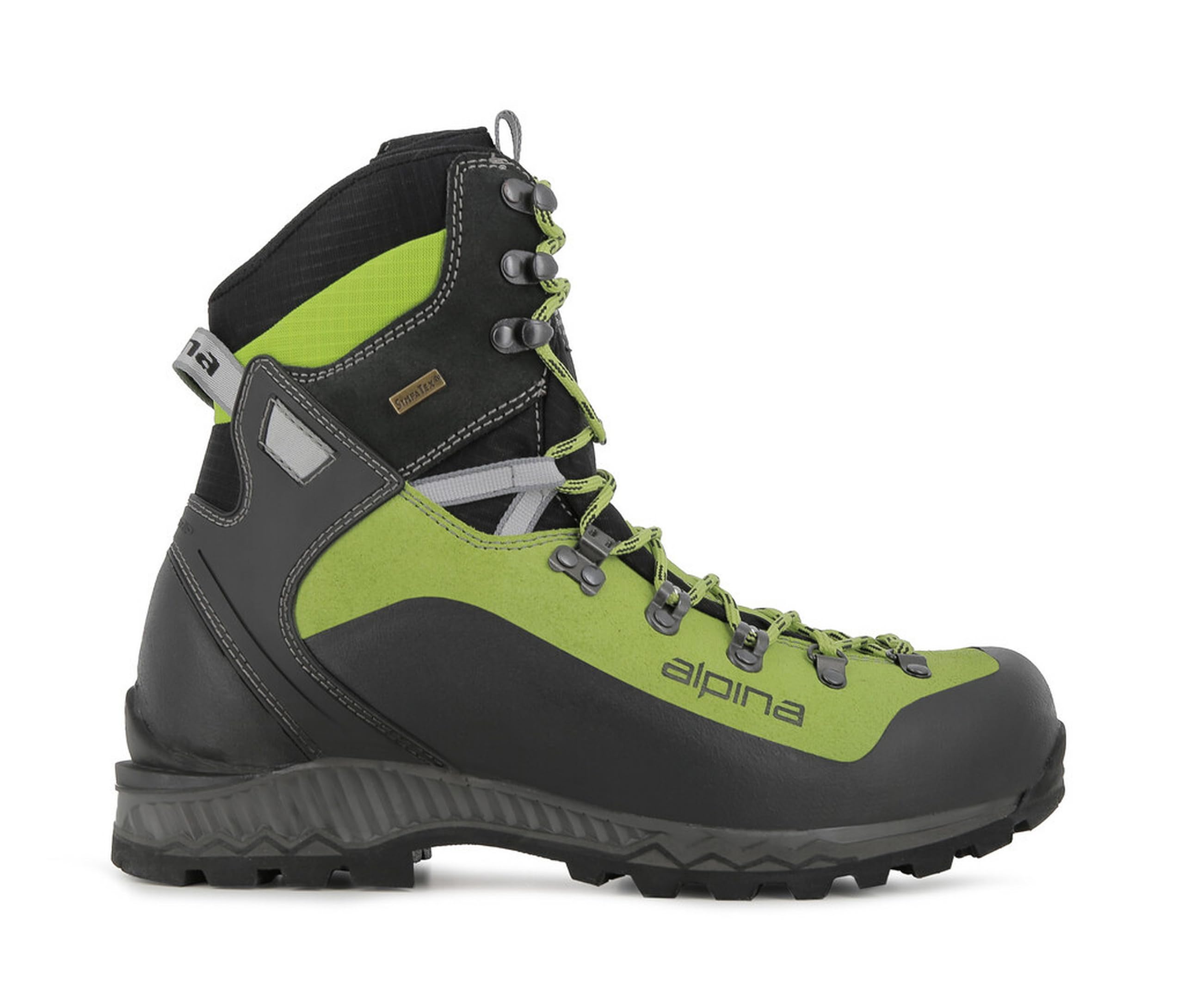
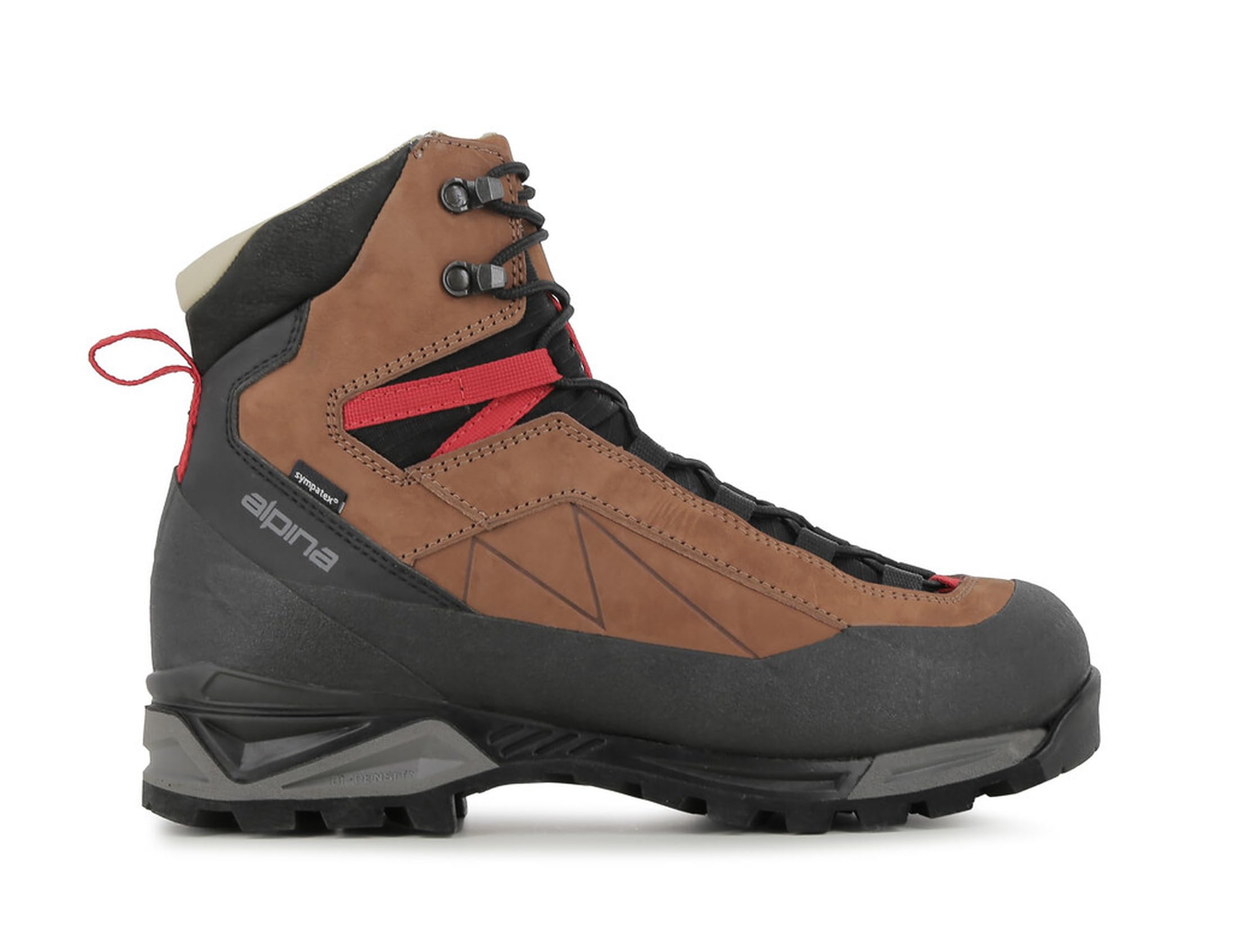
Who Should Buy Which Alpine Climbing Boots?
Your route calendar should decide the category before you look at price. Temperature, steepness, and time standing in snow change what your feet need far more than lacing or color.
Summer Alpine Climbers on Rock and Snow
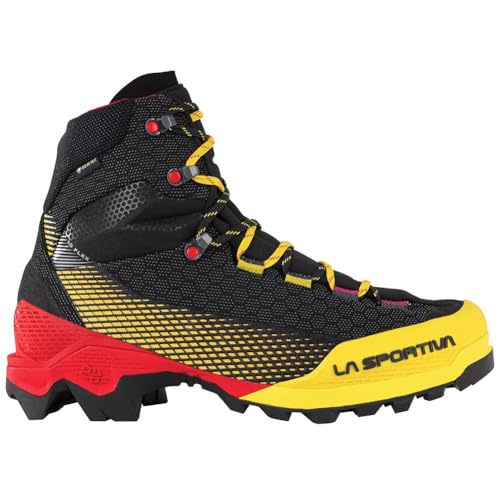
You cross glaciers in the morning, climb moderate rock, and descend the same day. Choose a technical single boot with a stiff but walkable sole and toe room for a medium weight sock. This versatile category suits guided alpine weeks, ridge traverses, and your first seasons on snow covered peaks.
Winter Ice and Mixed Climbers
You climb steep ice, stand at cold belays, and front point for long stretches. Choose an insulated single boot, often with a built in gaiter, that takes automatic crampons and locks your heel in place. Warmth while you stand still matters as much as warmth while you move.
High Altitude and Expedition Climbers
You spend days above base camp in deep cold, where a frozen boot can end a summit bid. Choose a double boot with a removable inner liner you can warm and dry inside your tent or sleeping bag. The fit is roomier and the feel less precise, but warmth and overnight drying are the whole point.
Key Features to Compare
When you compare best alpine climbing boots side by side, work through fit and crampon fit first, then insulation and weight. A warm boot that sheds its crampon is not a bargain at any price.
Toe Room That Protects Nails on Descents
Try boots late in the day, wearing the socks you will climb in, and allow about a thumb width of space in front of your longest toe. Your toes should brush the front only lightly when you kick a step, never slam into it, because repeated impact on descents causes bruised nails. Your heel should stay seated when you front point on a stair. Plan short walks and one loaded hike before a big route, since pressure points rarely vanish on their own.
Crampon Compatibility and Sole Stiffness
Check the binding style before anything else. Strap on crampons fit almost any stiff boot, semi automatic models need a heel welt, and automatic models need both a toe welt and a heel welt. A technical boot has a rigid full length midsole that barely flexes at the toe, which lets the front points carry your weight without your calves doing all the work. Softer boots feel vague and tiring on steep ice.
Insulation for Cold on Snow and Ice
Insulation comes from synthetic fill, foam in a double boot liner, and the thickness of the boot itself. Summer boots carry light insulation for glacier mornings, winter single boots add more for hours below freezing, and double boots give the most warmth for multi day cold. Toes that stay numb, turn white or waxy, or blister after cold exposure need urgent medical care. If you have circulation problems, talk with your clinician about your personal needs first.
Upper Materials and Waterproof Protection
Leather uppers mold gradually to your foot, shrug off rock abrasion, and can be reproofed for years, but they weigh more and dry slowly once soaked. Synthetic uppers weigh less and break in faster, though rock abrasion wears them sooner. Most technical models add a waterproof breathable membrane such as Gore Tex, which keeps meltwater out while letting some sweat escape. Sealed seams matter as much as the membrane on wet snow.
Outsole Traction and Precision on Rock
The outsole has two jobs that pull in opposite directions. Deep lugs grip mud, scree, and soft snow on the approach, while a smoother climbing zone under the toe lets you stand on small rock holds. Rubber compound matters too, since softer rubber grips rock better but wears faster. Look for a pronounced heel breast, the step at the back of the sole, because it brakes your stride on steep descents.
Weight, Ankle Support, and Lacing Control
A pair of summer technical boots often weighs about 3 to 4 pounds, winter single boots about 4 to 5 pounds, and double boots about 5 to 6 pounds. Weight on your feet costs more energy than weight in your pack, yet cutting it usually means less insulation or a less durable upper. Locking lace hooks let you keep the forefoot snug while easing pressure over the instep, and a firm cuff supports your ankle on side slopes.
Types of Alpine Climbing Boots Compared
Alpine boots fall into three broad families, and most confusion comes from shopping across them. For stiffer technical footwear, see our guide to the best climbing boots.
Technical Single Boots for Summer Alpine Routes
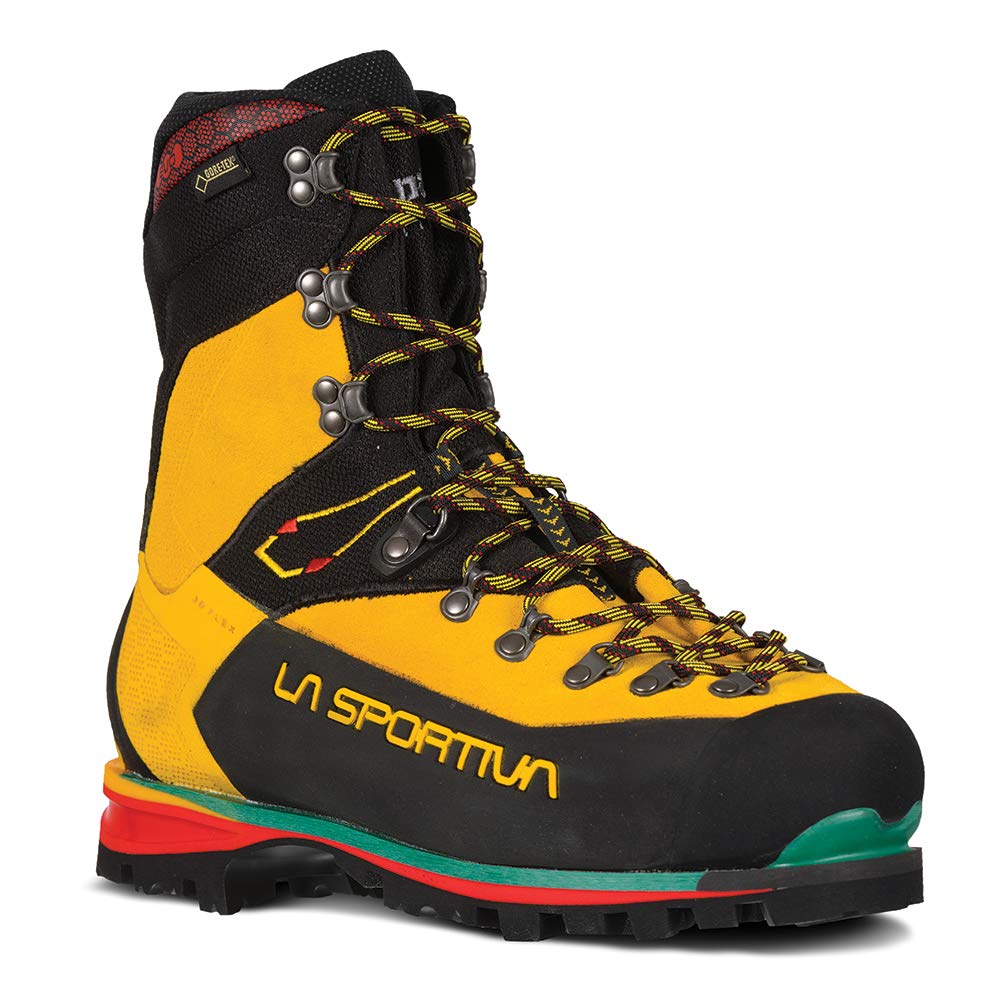
These boots pair a rigid sole with modest insulation and no separate liner. They edge well and walk better than any other crampon rated option. They suit summer glaciated peaks, alpine rock routes with snow approaches, and climbs where nights stay near freezing.
Insulated Single Boots for Winter Ice and Snow
These boots add warmer fill, a higher cuff, and often an integrated gaiter that seals out spindrift. Precision is excellent, but the fixed insulation cannot be removed to dry. They suit waterfall ice, winter gullies, and cold day routes.
Double Boots for High Altitude and Very Cold Expeditions
These boots combine a weatherproof outer shell with a thick removable inner boot. You can sleep with the inners to keep them warm and dry them far faster than a single boot. The tradeoff is bulk and a less precise feel on rock. They suit high peaks and routes where nights of severe cold make frostbite a real planning factor.
Common Mistakes to Avoid
- Buying your street shoe size leaves no room for thick socks, so your toes freeze and bruise on descents.
- Pairing a boot without a toe welt with automatic crampons lets the binding pop off on steep ice.
- Choosing a double boot for summer glaciers adds weight and heat that make approaches miserable.
- Skipping a loaded test hike hides heel lift until you are hours from the trailhead.
- Wearing cotton socks traps sweat against your skin, so your feet chill fast once you stop.
- Judging warmth by a short walk in a warm shop tells you nothing about a cold belay.
Care and Maintenance of Alpine Climbing Boots
After each trip, pull out the insoles and inner liners, loosen the laces, and let the boots dry slowly at room temperature away from radiators, fires, and direct sun. Direct heat stiffens leather, warps liners, and can weaken glues in the sole unit.
- Brush off mud and grit, then rinse with plain water so grit cannot grind into seams.
- Reproof leather uppers once water stops beading on the surface.
- Check welts, sole edges, and lace hooks for damage before you fit crampons again.
- Store boots upright in a cool, dry place with the cuffs open.
- Carry spare laces on long trips, because a snapped lace at altitude is hard to improvise.
A quality aftermarket insole adds arch support and a little cushioning, which stiff soles provide only in small measure. For lighter hill footwear, see our guide to the best alpine boots, and if your trips involve skiing to the route, see our guide to the best alpine touring boots.
Alpine Climbing Boots: Your Questions Answered
How should alpine climbing boots fit with climbing socks on?
Alpine climbing boots should feel snug at the heel and midfoot, with clear space ahead of your toes. Stand on a downward ramp or kick a solid step in the shop, since that test copies a descent better than standing flat. Try both feet and size for the longer one.
Do alpine climbing boots need a waterproof membrane for snow routes?
Yes, a waterproof membrane is worth having for snow routes, because your boots sit in melting snow for hours. It does not stop snow that enters over the cuff, so pair the boots with gaiters that overlap the top. A membrane also slows drying once water gets inside, which is one reason expedition climbers prefer removable liners.
When should alpine climbing boots be resoled or replaced?
Alpine climbing boots should be resoled once the lugs under the ball of the foot wear smooth, well before the midsole shows through. A resole restores grip for a fraction of the cost of new boots, as long as the upper and welts stay sound. Replace the boots when the upper cracks at the flex point or the sole separates.
Can alpine climbing boots be worn comfortably on a long approach hike?
Yes, alpine climbing boots can handle long approaches, but comfort depends on lacing and breaks. Loosen the cuff for flat trail miles and tighten it again before steep ground, which reduces shin pressure and heel rubbing. Stop to retie at the first hot spot, because a small rub becomes a blister quickly under a stiff boot.
Are higher priced alpine climbing boots worth it for winter ice climbing?
Higher priced alpine climbing boots are often worth it for winter ice, because the extra cost buys an integrated gaiter, a lighter stiff sole unit, and warmer insulation in a lower bulk package. Winter single boots commonly cost about $400 to $700, while double boots often cost about $700 to $1,000. If you climb ice rarely, a simpler model serves you just as well.
The Bottom Line
Choose the category by your coldest expected route, confirm the crampon binding matches the welts, and spend your fitting time on heel hold and toe room. Use the product table above to compare weight, insulation, and price.
Do that, and the best alpine climbing boots for your season become an easy call. Buy for the routes on your calendar this year, and keep the boots dry and reproofed between trips.