
Best All Weather Car Floor Mats in 2026: Buying Guide for Rain, Snow and Mud
Disclosure: We may earn a commission when you buy through links on this page, at no extra cost to you. As an Amazon Associate I earn from qualifying purchases. Learn more

The best all weather car floor mats contain water and mud and fit your footwell. Compare molded, trim to fit and flat mats.
Wet shoes, melting snow, mud, sand, and spilled coffee all end up in the same place, which is the carpet under your feet. A basic flat mat often slides, curls, or lets water run off its edge onto that carpet. Choosing the best all weather car floor mats for your vehicle means matching the shape, the raised edges, and the material to the weather and mess you deal with most.
This guide compares mat types instead of pushing a single style on everyone. The product table lists current options, and the sections below explain how molded liners, trim to fit mats, and flat rubber mats differ in coverage, fit, and price.


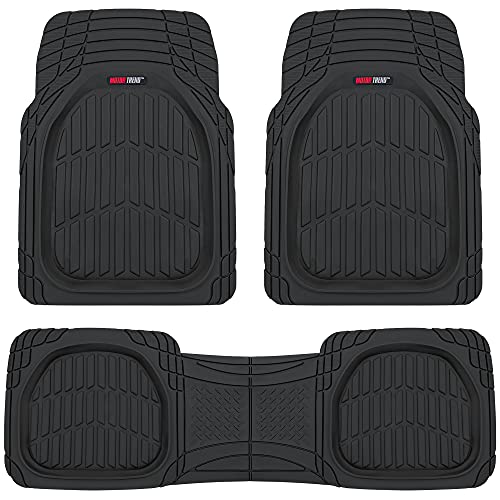


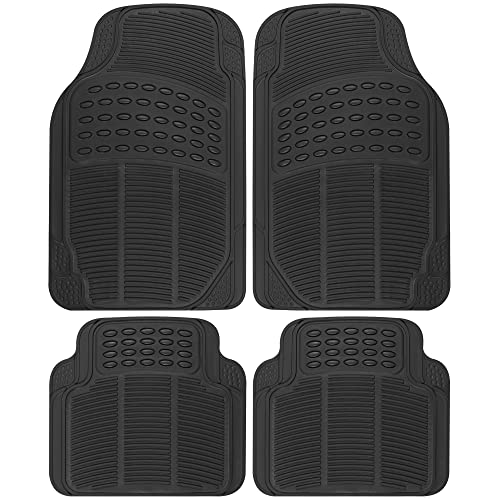
The Three Mat Types at a Glance
A molded liner gives the widest coverage, a trim to fit mat gives a lower price with some measuring work, and a flat rubber mat gives simple protection for mild climates. Start with the type that fits your weather, then confirm the shape for your vehicle year and row layout.
Types Compared for All Weather Use
No single mat type wins for every driver, because a snowy rural commute and a rainy city school run put different demands on a mat. Read the three types below as styles to choose between, not as product reviews.
Molded Liners for Maximum Coverage
A molded liner is shaped for one specific vehicle, with walls that climb the sides of the footwell and a surface that holds water in channels instead of letting it spread. This is the strongest choice for snow, slush, road salt, and mud, because the liquid stays inside the liner until you lift it out and empty it. The trade off is price. A full set for two or three rows costs the most of the three types.
Trim to Fit Mats for Lower Budgets
A trim to fit mat starts as a large rectangle with guide lines molded into the surface, and you cut it down with sturdy scissors to suit your footwell. It costs far less than a molded liner, often under $30 for a front pair. Coverage is the weak point. Because the edges stay low and the corners are cut by hand, gaps can open near the seat rails and the sill, so this type suits rain and light mud better than deep snow.
Flat Rubber Mats for Mild Climates
A flat rubber mat lies close to the carpet, flexes easily, and usually has deep grooves that trap grit and small amounts of water. It works well where winter means rain rather than snow, and it is the easiest type to shake out at a car wash. Look for a backing with many small nibs or a grip texture, because a smooth back can creep forward under your heels. Flat mats protect the center of the footwell well, but leave the sides more exposed.
What to Weigh in All Weather Car Floor Mats
Five factors decide a good mat: how well it matches a specific vehicle, how much liquid and grit it contains, how simple it is to fit and clean, how the material holds up to heat, cold, and heel wear, and what the warranty covers. Common buyer complaints center on fit, sliding, odor, and curling edges. For the wider picture across every mat style, see our guide to best car floor mats and then return here for the weather focused details.
How to Choose the Right Car Floor Mats
Type
Start by naming the mess you clean most often. Standing water and slush call for raised walls and channels, loose sand and gravel call for deep grooves you can shake clean, and sticky spills call for a smooth surface you can wipe. If you lean toward rubber, our guide to best rubber car floor mats explains grades and thickness, while drivers who prefer a softer look can compare that with best carpet car floor mats, which absorb sound but hold water. Pick the type around your worst month of weather, not your average week.
Vehicle Compatibility
Fit is the factor that decides whether any other feature works. A mat that is even a little too long can ride up near the pedals, and one that is too narrow leaves a wet strip along the sill. Confirm the year, trim, cab or body style, and whether the second row has a bench or bucket seats, because floor shapes change within the same model name. For shaped options, see our guide to best custom fit car floor mats for how makers use vehicle scans. Also check for factory retention posts on the driver side and order mats with matching holes.
Installation
Remove the old mats first, and never stack a new mat on top of an old one, because stacked mats can shift and interfere with pedal travel. Vacuum the carpet, set the new mat in place, and connect any retention clips before you sit down. Press along each edge to confirm the mat lies flat with no fold near the accelerator. For trim to fit styles, cut in small steps and check after each cut, since you can remove more material but cannot add any back.
Coverage and Performance
Performance for a floor mat means containment, grip, and pedal clearance. A raised lip of about one inch or more keeps a spilled drink or a boot load of snowmelt on the mat, while channels guide liquid away from your shoes. The heel area takes the most wear, so a thicker pad there helps the mat last. Check grip by pressing the mat with your shoe before a drive. If it moves under firm pressure while parked, it will move on the road.
Warranty
Warranty terms vary a lot between mat types and sellers. Some molded liners carry long coverage against cracks and defects, while basic rubber mats may carry only a short promise or none at all. Read what the warranty excludes. Wear from heel abrasion, damage from cutting, and sun fading are often treated as normal use rather than defects. Keep your order record and a photo from the day the mat arrives, because a fit claim is far easier to support with that early evidence.
How Much Should You Spend?
Expect three broad tiers. Under $30 usually buys universal or trim to fit front mats with low edges, suited to rain and light use. About $30 to $100 buys thicker rubber sets, better backing grip, and coverage for both rows. About $100 to $200 buys shaped liners with raised walls and exact retention fittings. Spend toward the top only when you face snow, mud, or frequent spills.
All Weather vs Other Car Floor Mats: Pros and Cons
All weather mats earn their place when water is the main problem. Their surfaces do not absorb liquid, their edges contain it, and you can rinse them clean in minutes. Carpet mats feel quieter, but they soak up spills, hold road salt against the fibers, and take hours to dry. Thin universal mats cost the least, yet protect the smallest area and slide the most.
Drivers who carry dogs, kids with sports gear, or work boots will value containment and fast rinsing above a plush feel. A useful middle path is to run all weather mats through your wet season and store them once the weather turns dry, which also lets the carpet underneath air out.
- Pros: contain water and slush, rinse clean, resist salt and grit, protect resale value by keeping carpet dry
- Cons: can look plain, stiff liners store awkwardly, cheap rubber can smell at first, exact fit sets cost more
Common Mistakes to Avoid
- Stacking mats: a mat placed over another can slide toward the pedals and create a real safety risk.
- Guessing the fit: ordering by model name alone ignores cab style and row layout, and the mat arrives the wrong shape.
- Skipping retention clips: an unsecured driver mat can creep forward a little each day until it bunches.
- Buying low edges for deep snow: melt water simply runs over the lip and soaks the carpet you meant to protect.
- Using harsh cleaners: strong solvents and tire shine products can make a mat slick, which is unsafe under your shoes.
Care and Maintenance
Shake each mat out weekly during messy weather so grit does not grind into the surface. For a deeper clean, rinse the mats with a hose, scrub the grooves with a soft brush and mild soap, and rinse again. Our step by step guide to how to clean car floor mats covers stains and odor in more detail. Let the mats dry fully before you refit them, and check that the carpet below is dry too. Store seasonal mats flat rather than rolled, because a stored curl can take weeks to relax.
FAQ
What should you look for first in all weather car floor mats?
Look at the driver footwell first, because that area decides safety and wear. The mat must lock to the retention posts, clear both pedals through their full travel, and include a dense heel zone. One point many buyers miss is the dead pedal area on the far left, where your resting foot grinds grit into carpet. A mat that covers that spot protects a patch most basic sets leave bare.
Are all weather car floor mats worth it?
Yes, if your shoes regularly bring water, mud, or salt into the car. The value shows up in avoided carpet shampooing and in cleaner carpet at resale time, since salt marked carpet is hard to restore. They are harder to justify in a dry climate where a vacuum handles nearly all the mess, and a mid priced rubber set then gives enough spill insurance.
How long do car floor mats last?
Thick rubber and molded liner mats often serve for many years of daily use, while thin universal mats may wear through at the heel far sooner. Watch for three end of life signs: a hole under the driver heel, edges that stay curled after a warm day lying flat, and a backing that has gone smooth so the mat no longer grips. Replacing just the driver mat is an option when a seller offers single pieces.
Are expensive car floor mats worth the extra cost?
They can be, but only when the extra money buys coverage you will use, such as a third row piece, a cargo liner, or walls shaped for a wide footwell. Paying more for a thicker logo plate or a decorative pattern adds nothing to containment. List the rows you actually need covered, then compare sets on that list alone. If a cheaper set covers the same areas with the same retention fittings, the price gap is hard to defend.
How do you clean all weather car floor mats without making them slippery?
Use mild soap, water, and a brush, then rinse until no soap film remains, because dried detergent is one common cause of a slick surface. Skip silicone based dressings entirely, even if they make the mat look new. Dry the mats in shade rather than strong sun, because intense heat on a dark mat can soften thin edges and encourage the curl that later lets water escape at the corners.
Does the brand of car floor mats matter more than fit?
No, fit and material matter more than the name on the mat. A lesser known set that matches your floor shape, locks to the posts, and uses dense material will protect better than a famous name in a generic shape. Established makers do tend to publish clearer fit charts and warranty terms, which makes it easier to confirm the year and trim before you order.
Final Thoughts
Match the mat type to your worst weather, confirm the shape for your exact vehicle, and insist on secure retention on the driver side. Molded liners suit snow and mud, trim to fit mats suit tight budgets, and flat rubber suits rainy but mild regions. Use the product table above to compare coverage and price tiers side by side, and you will land on the best all weather car floor mats for the way you actually drive.


