
Best 24V Jump Starter in 2026: Buying Guide and Top Picks
Disclosure: We may earn a commission when you buy through links on this page, at no extra cost to you. As an Amazon Associate I earn from qualifying purchases. Learn more

What to look for in the best 24v jump starter: the main types, key features, realistic price ranges and mistakes to avoid before you order.
Most jump starters on store shelves are built for 12 volt cars, and one of those units will do nothing for a truck or tractor that runs on a 24 volt electrical system. Choosing the best 24v jump starter starts with voltage, because a 24 volt vehicle draws power from two 12 volt batteries wired in series, and it needs a pack that can deliver charge across the full pair.
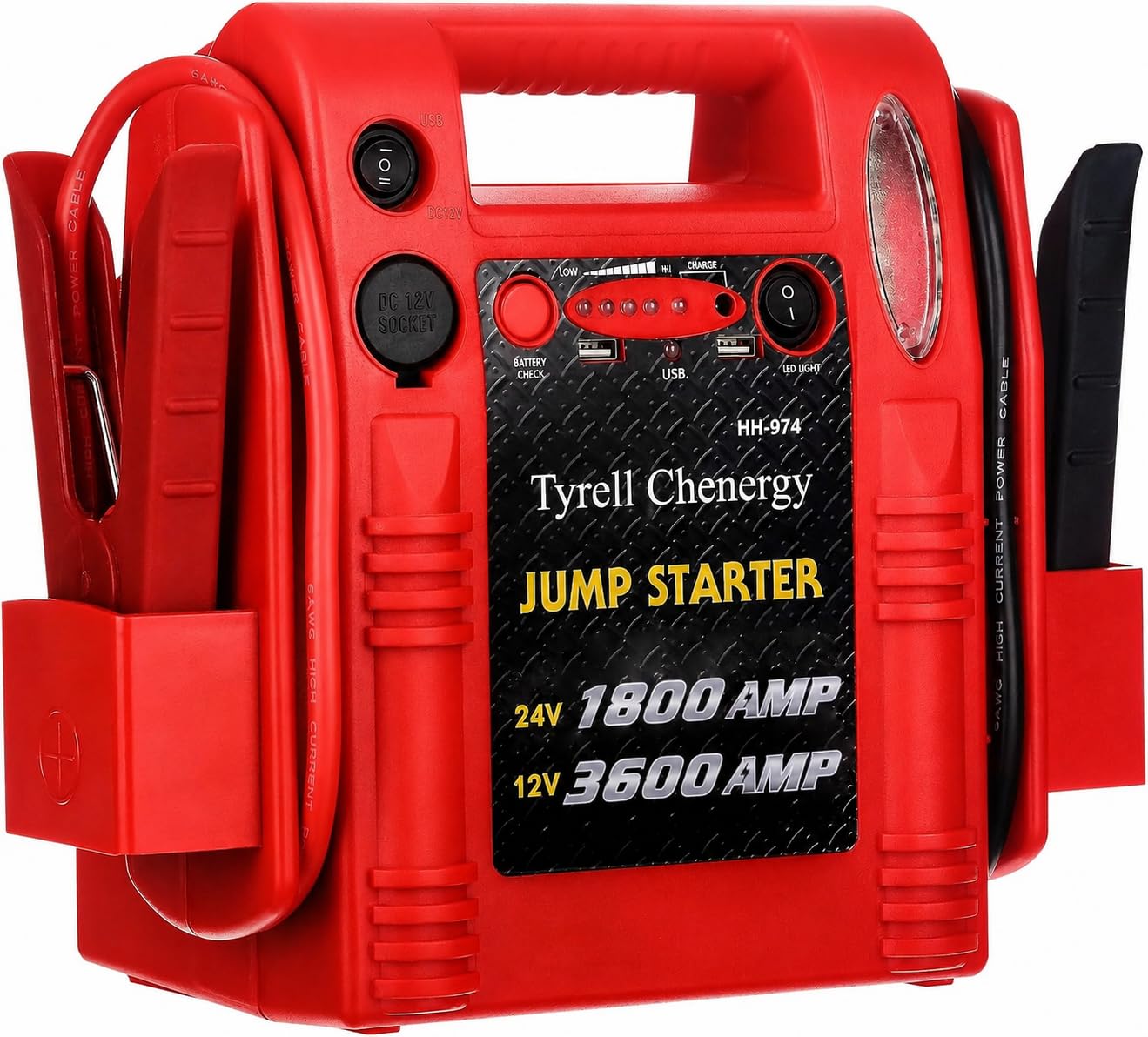
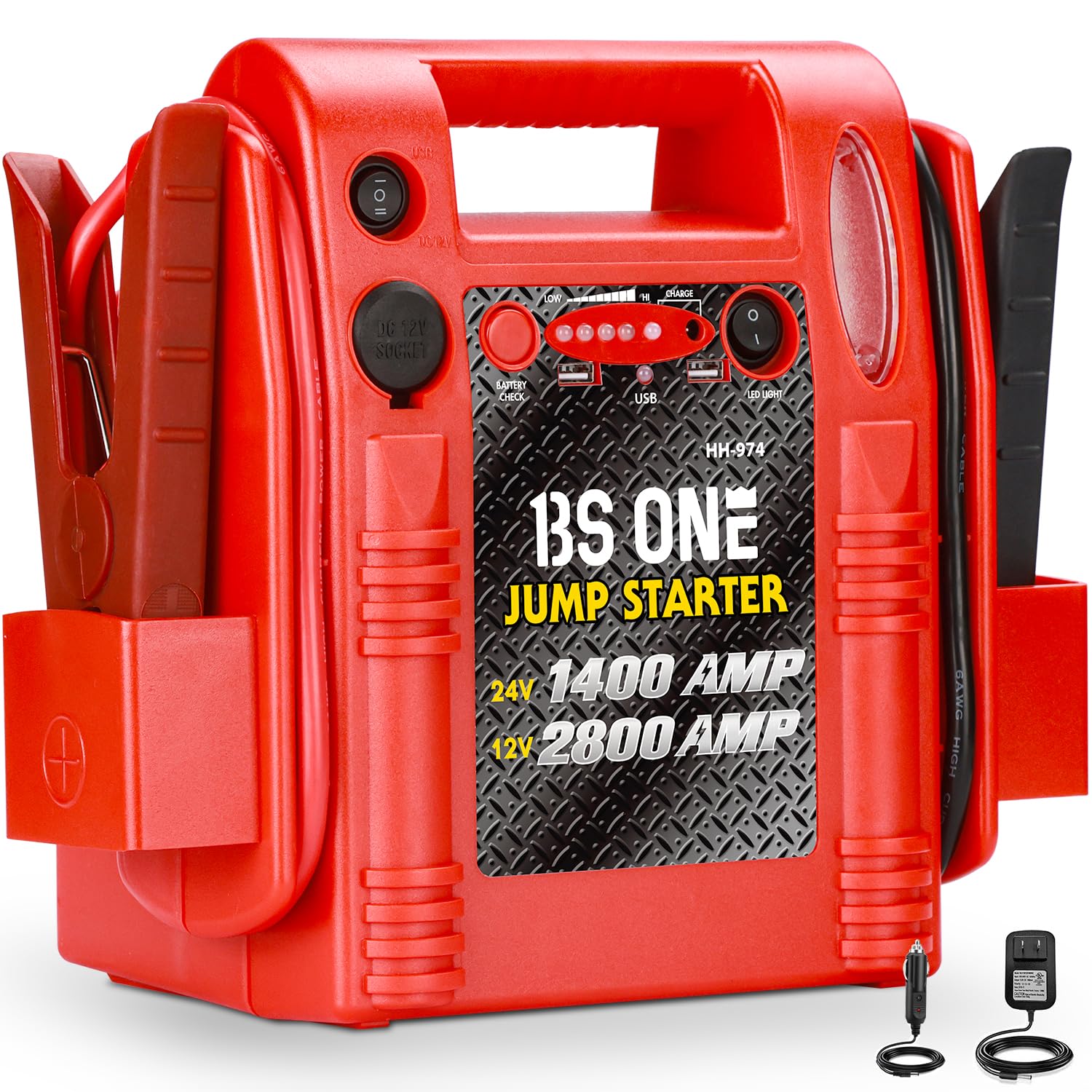
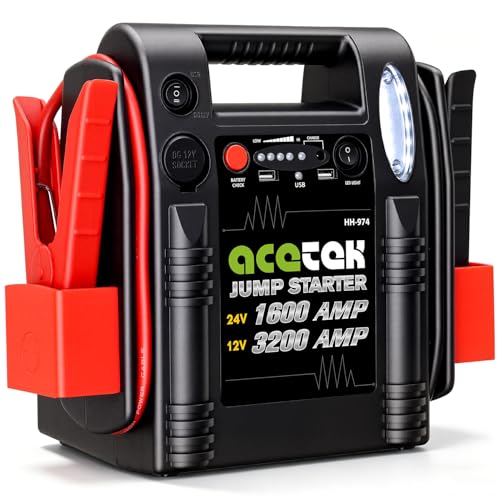
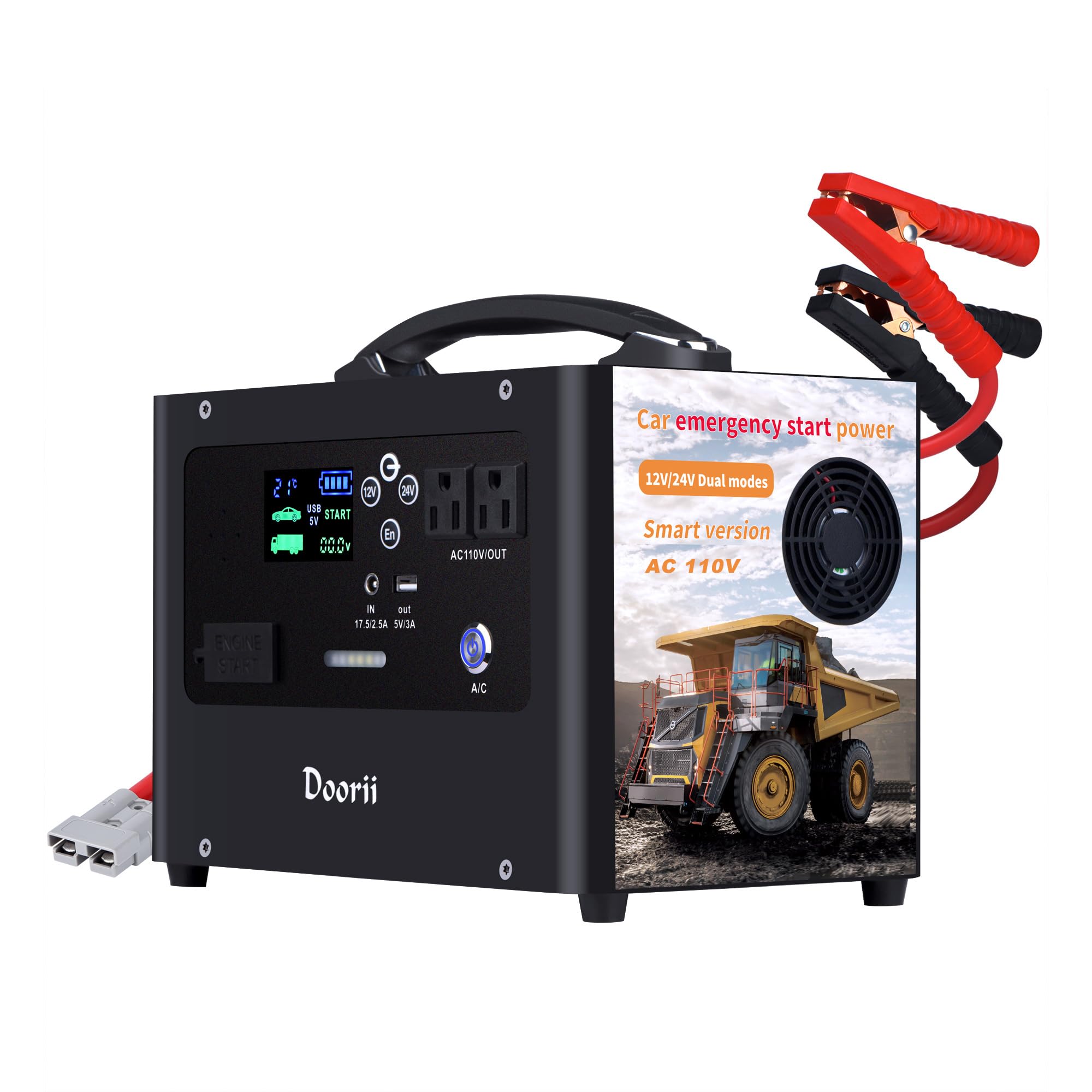
This guide compares the main types of 24 volt jump starters on compatibility with your vehicle, cranking performance, and ease of use, then covers the features, safe connection steps, and care habits that matter. The product table below the intro gives a quick overview of current models.




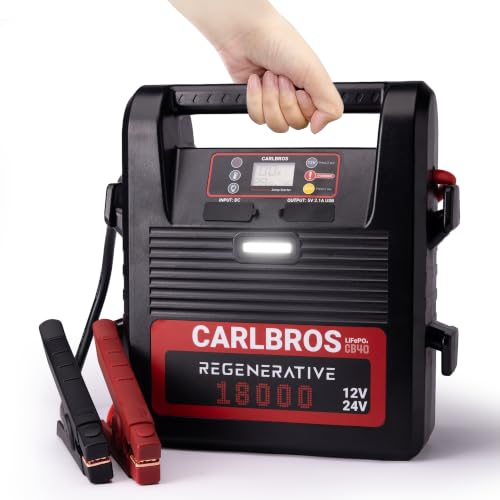


Who Should Buy a 24 Volt Jump Starter?
You only need one of these units if your vehicle actually runs on 24 volts. Drivers of ordinary cars and light pickups should stay with 12 volt models, and our guide to the best jump starter for cars covers that side of the market.
Owners of Diesel Trucks and Commercial Vehicles
Many diesel trucks, box trucks, and larger commercial vehicles use a 24 volt system because big diesel engines need far more cranking force than a gasoline engine of similar size. Glow plugs draw heavy current before the starter motor even turns, and cold mornings make the job harder. If you run a delivery truck or a tow truck, a 24 volt pack sized for diesel cranking is the difference between a quick restart and a long wait for roadside help.
Farm and Construction Equipment Operators
Tractors, excavators, loaders, and generators often sit unused for weeks, and batteries lose charge while they sit. These machines commonly pair two batteries in series to reach 24 volts, and they are usually parked far from an outlet or another running vehicle. A portable 24 volt pack lets you restart equipment in the field on your own, without dragging out long cables or moving a second machine beside the dead one.
Fleet Managers and Roadside Helpers
If you look after a mixed fleet or you are the person coworkers call when a truck will not start, a dual voltage unit earns its space in the cab. One pack that handles both 12 volt and 24 volt vehicles covers cars, vans, and heavy trucks without guesswork. Look for a clear voltage switch or automatic sensing, because sending the wrong voltage to a vehicle can damage its electronics.
Types of 24 Volt Jump Starters Compared
Shopping guides to the best jump starter usually focus on compact lithium packs for cars, but 24 volt buyers have four distinct types to weigh, each trading size, cranking strength, and storage behavior differently.
Lithium portable packs. These are the smallest and lightest option, easy to store behind a seat and quick to recharge. Output varies widely, so check the rating for 24 volt use specifically, since many lithium packs only support 24 volts on their larger models. Lithium cells also lose cranking strength in deep cold.
Lead acid jump boxes. These larger units carry sealed lead acid batteries and deliver strong, steady cranking current that holds up well in cold weather. If you want the best heavy duty jump starter style of tool for daily commercial use, this is the category to study. The trade off is weight, so you will want a handle and a fixed spot for it in the truck or shop.
Dual voltage units. These packs work on both 12 volt and 24 volt systems, either through a manual switch or by sensing the battery they are clamped to. They cost more than single voltage models, but they suit mixed fleets and households that run both cars and heavy equipment.
Supercapacitor units. Instead of storing a large charge, these draw power from the weak vehicle battery itself and release it in one strong burst. They are not drained by long storage and they work well in the cold. Their limit is a fully dead battery pair with almost no charge left to draw from, so they fit vehicles that crank weakly rather than vehicles with nothing left at all.
Key Features to Compare
Peak Amps and Diesel Cranking Power
Peak amps describe the burst a pack can deliver, and large diesel engines need a generous burst to turn over against high compression. Treat the peak figure as a rough guide rather than a promise, because makers measure it differently. What matters is that the maker rates the unit for engines like yours in 24 volt mode. A rating quoted only for 12 volt use tells you nothing about 24 volt strength, so find the separate 24 volt figure before you trust the headline number.
Voltage Switching and Vehicle Compatibility
Compatibility starts with one question: does the unit truly output 24 volts, and how does it know when to do so? Automatic sensing reads the battery pair when you clamp on and selects the voltage for you, which removes a step you could get wrong. Manual switching gives you control but adds risk if a coworker borrows the pack and misses the setting. Confirm that your vehicle type appears in the maker compatibility list before you order.
Battery Capacity and Recharging
Capacity, often listed in watt hours, tells you how many start attempts you can expect before the pack needs a recharge. Bigger capacity helps when several vehicles need help in one day or when a stubborn engine needs repeated tries. Check how the pack recharges, through a wall adapter, a vehicle outlet, or a USB C port, and how long a full recharge takes. A pack that recharges slowly is easy to leave empty.
Clamps, Cables, and Safety Protections
Heavy copper coated clamps with a firm bite matter on large truck terminals, and cables need enough length to reach both ends of a battery pair that may sit apart in the engine bay. Look for protection against reverse polarity, short circuits, and sparks, with clear warning lights when a clamp lands on the wrong terminal. On a 24 volt system the cost of a wiring mistake is higher than on a car, so these protections are core features, not extras to skip for a lower price.
Extras Like Air Compressors and Power Banks
Some 24 volt units add a flashlight, USB ports for charging phones, or a built in compressor for topping up tires. If tire care on the road matters to you, compare the options in our guide to the best jump starter with air compressor. Extras add weight and cost, and they draw from the same battery you need for starting, so treat them as a bonus on top of strong cranking power rather than a reason to buy.
How to Use a 24 Volt Jump Starter Safely
The general sequence matches our guide on how to use a jump starter, with 24 volt points added. Follow these steps.
- Confirm the pack is set to 24 volts, or that its automatic sensing has read the system correctly, and turn off lights and other loads in the vehicle.
- Find the full battery pair. Connect the red clamp to the main positive terminal, the one that feeds the starter, and the black clamp to the main negative terminal or a solid ground point on the frame.
- Switch the pack on, wait for its ready light, then start the engine. If it does not start within a few seconds of cranking, stop and wait a minute before trying again so the pack and starter can cool.
- Once the engine runs, switch the pack off and remove the black clamp first, then the red clamp, keeping the clamps apart.
Wear eye protection and keep sparks away from the batteries, because charging batteries vent gas that can ignite. If a battery case is swollen, cracked, leaking, or frozen, do not jump it at all. That vehicle needs a professional, not a stronger pack.
Common Mistakes to Avoid
- Clamping onto one battery of the pair, which gives the pack only 12 volts and leaves the engine short of what it needs.
- Using a 12 volt only pack on a 24 volt vehicle, which simply cannot start it.
- Forgetting a manual voltage switch, which can feed 24 volts into a 12 volt car and damage its electronics.
- Trusting the headline peak amp number without checking the 24 volt mode rating, which is often lower.
- Storing the pack empty for months, which leaves it unable to help when you need it.
- Cranking again and again without pauses, which overheats the starter motor and drains the pack.
How to Make Your 24 Volt Jump Starter Last Longer
Storage charge is the habit that decides whether the pack works when you reach for it. Lithium packs hold up best when stored partly charged rather than full or empty, while lead acid boxes need regular top ups because sitting discharged shortens their life. Our guide on how long does a jump starter last explains service life in more depth: recharge after every use and check the charge level every few months.
Keep the unit in a dry spot out of direct sun and away from deep cold when it is not riding in the vehicle. Wipe the clamps clean after use, check the cable insulation for cuts, and coil the cables loosely instead of wrapping them tight around the case. Note the warranty terms too, because coverage on these units ranges from about one year to several years depending on the type.
FAQ
How can I tell whether my vehicle runs on 12 volts or 24 volts?
Count the batteries and check how they are connected. Two 12 volt batteries wired positive to negative in a chain form one 24 volt system, while two batteries wired positive to positive stay at 12 volts with extra capacity. The owner manual and the battery tray label also state the system voltage. If you still cannot tell, a mechanic can confirm it in minutes, and guessing wrong is far costlier than asking.
Can I use a 24v jump starter on a 12v car?
Only if the unit is a dual voltage model that is set or sensing correctly for 12 volt use. A pack locked to 24 volt output can overload a car electrical system and damage the computer, lights, and other electronics. Read the mode indicator before you clamp on, every time, even if you were the last person to use the pack. When in doubt, leave the car to a 12 volt pack.
Are 24v jump starters worth the higher price?
For a vehicle that runs on 24 volts, there is no cheaper substitute that does the same job, because a 12 volt pack cannot start it. The price premium over car sized packs, often about $100 to $300 depending on type, buys the voltage, the cranking output, and the heavier clamps your vehicle needs. One avoided tow usually covers the cost. For a household with only 12 volt cars, the extra money buys nothing you can use.
Can a 24v jump starter restart a completely dead battery pair?
It depends on how dead the pair is. Most packs need to sense a small remaining voltage before they will switch on, so a pair drained to nearly nothing may not trigger the unit. Some models include a manual override or boost mode for exactly this case, worth seeking if your equipment often sits for months. Even with an override, a pair that will not hold a charge afterward needs testing and likely replacement.
How many start attempts should a 24v jump starter handle on one charge?
Makers often quote attempt counts based on easy starts in mild weather, so treat those numbers as a best case. A large diesel cranking in winter can use several times the energy of a warm start, and each failed attempt draws the pack down further. Plan on the pack covering one difficult vehicle with attempts to spare, then recharge it the same day. If you start several vehicles daily, size up in capacity.
Final Thoughts
The right choice is the unit that matches your voltage, delivers honest cranking power in 24 volt mode, and protects you against clamp mistakes. Compare the types in the product table above against your vehicle, your winters, and how often the pack will sit between uses. Get those points right and the best 24v jump starter for your truck becomes a tool you can forget about until the morning it saves your schedule.


