Best Air Compressors for Automotive in 2026: Buying Guide and Top Options
Disclosure: We may earn a commission when you buy through links on this page, at no extra cost to you. As an Amazon Associate I earn from qualifying purchases. Learn more

A practical guide to the best air compressor for automotive: sizes, features, budget ranges, and mistakes to avoid before you buy.
Automotive work asks more of a compressor than topping off a bicycle tire. You need enough airflow to seat a tire bead, run an impact wrench in short bursts, blow dust out of a cabin filter housing, and inflate four tires in a row without long waits. Choosing the best air compressor for automotive comes down to matching tank size, airflow, and power source to the jobs you actually do in your garage or driveway.
This guide compares the main compressor types on power and performance, portability, noise, and upkeep, so you can pick the setup that fits your workload. The comparison table below sums up the key differences.


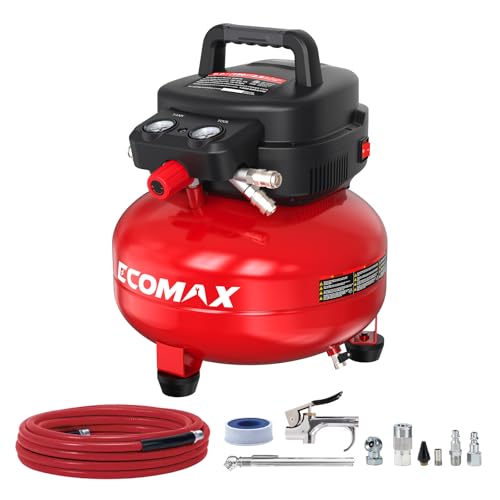

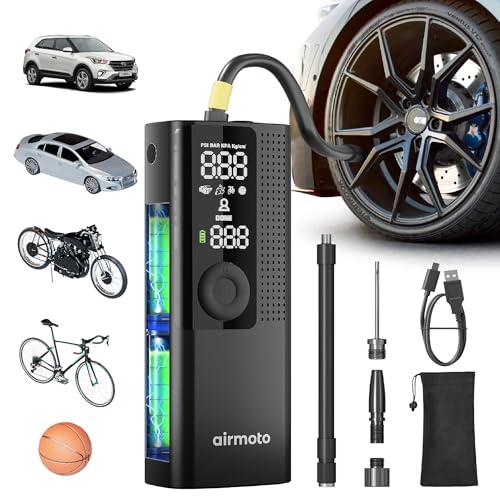

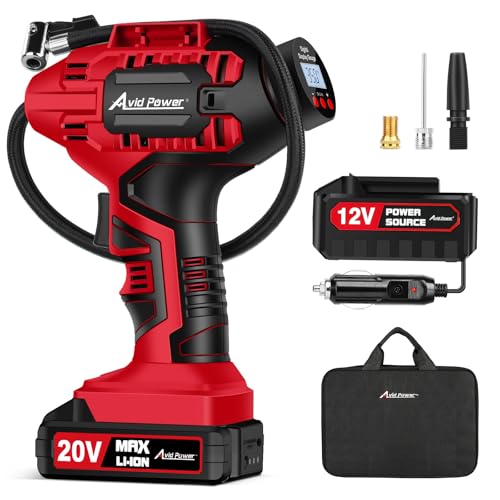
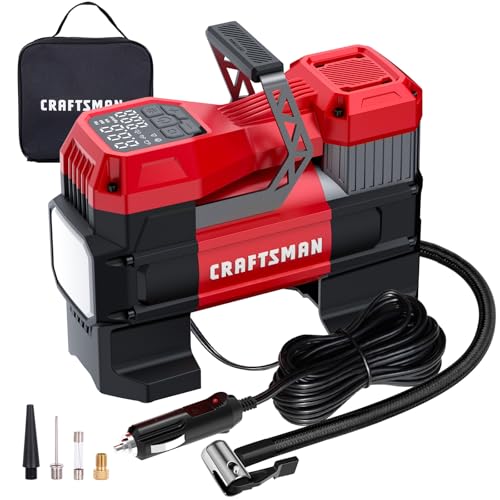
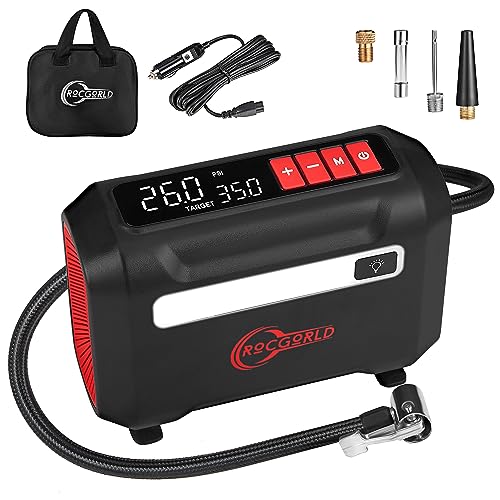

Compressor Types Compared for Automotive Work
Instead of ranking single models, it helps to compare the three broad setups that cover almost all automotive tasks. Each type trades tank capacity, airflow, and portability differently, and the right choice depends on whether you mostly inflate tires or also run air tools.
Compact Portable Compressors
Small units with tanks of about 1 to 6 gallons suit inflation, blow guns, and light cleaning. They are easy to carry to each wheel, store on a shelf, and plug into a standard outlet. Their limit is airflow. A compact compressor can run an impact wrench for a few seconds at a time, but the motor will cycle often on bigger jobs, and you will wait for the tank to refill between lug nuts on larger vehicles.
Mid Size Shop Compressors
Tanks of about 8 to 30 gallons with stronger motors cover most home shop work. This class runs impact wrenches, ratchets, and small grinders with far less waiting, and it handles inflating large truck or trailer tires without strain. The trade off is size and weight. Most owners park one in a corner and run a longer hose rather than moving it, so think about hose reach before you buy.
Large Stationary Compressors
Tanks of about 60 gallons and up serve frequent, demanding work such as painting, sanding, and running several tools across a long day. Airflow stays steady, and duty cycles are generous. For a home garage that only inflates tires and swaps wheels twice a year, this class is more machine than you need and may need a dedicated circuit. It earns its place when air tools run every week. For general garage use, our guide to the best air compressor covers the wider field.
How to Judge Compressors for Automotive Use
Five criteria matter most for car and truck work. Power and performance come first, meaning airflow in CFM at 90 psi, since most air tools are rated at that pressure. Next is tank size, which decides how long you can work between motor cycles. Ergonomics and weight decide whether you will carry the unit or leave it parked. Durability covers pump design and build quality, and warranty length tells you how long the maker stands behind the pump and motor.
How to Choose the Right Air Compressor for Automotive
Size and Form Factor
Tank size shapes everything else. A 1 or 2 gallon tank inflates tires and little else, and the motor runs almost nonstop. A 6 gallon tank is the practical floor for impact wrench work on lug nuts, giving short bursts of stored air. Tanks of 20 to 30 gallons suit regular shop use with grinders and ratchets, while 60 gallon tanks serve painting and sanding. Bigger tanks also mean fewer motor starts, which reduces wear and noise across a long job.
Type
Shape and layout matter more than they seem. Pancake compressors sit low and stable, store easily, and suit inflation and light tools. Hot dog tanks are longer and roll less, a small plus on sloped driveways. Twin stack designs split the air into two tanks for a compact footprint with more reserve. Vertical tanks save floor space in a crowded garage. Quiet models use slower pumps and lower noise, which neighbors and family will appreciate during early morning tire checks before a trip.
Features Worth Paying For
A longer, flexible hose reaches all four wheels without moving the unit, so it often matters more than a small spec gain. An accessory kit with a tire chuck, blow gun, and assorted nozzles lets you start work the day the box arrives. Wheels and a sturdy handle turn a mid size compressor into something you can reposition alone. A regulator with a clear gauge helps you set tool pressure accurately. Skip bundles packed with attachments you will never use on a vehicle.
Cordless vs Corded and Gas
Corded electric models deliver steady power for shop tools and cost less for the airflow you get, so they remain the default for garage work. Cordless inflators and small compressors shine for roadside tire top ups and pit lane checks where no outlet exists, but their airflow is low and runtime depends on the battery. Gas powered units serve mobile mechanics and farm work far from power, at the cost of noise, fumes, and more upkeep. For a closer look at battery powered options, see our roundup of the best cordless air compressor models and types.
Battery Platform
If you go cordless, the battery platform decides your real cost. A compressor that shares packs with your existing cordless tools saves money and shelf space, and larger packs extend inflation sessions on big tires. Check the runtime the maker claims at typical tire pressures, and remember that cold weather shortens battery runtime. One spare pack kept charged covers most roadside needs.
Brushless Motors
Brushless motors appear on newer cordless compressors and some premium corded models. They run cooler, waste less energy, and have no brushes to wear out, which can mean longer service life and slightly better runtime per charge. The gain is modest for inflation work, so treat it as a tie breaker between two similar options rather than a reason to overspend. On corded shop units, pump design matters more.
Accessories and Warranty
Beyond the starter kit, the accessories worth owning are a quality tire inflator with a gauge, a blow gun, and spare couplers that match your tools. Check that fittings use the same standard as your hoses so nothing needs adapters mid job. Warranty terms vary from about one year on budget units to several years on premium pumps, and coverage for the pump itself matters most. Keep your receipt, since warranty claims often need proof of purchase.
How Much Should You Spend?
Under about $100 buys a compact inflator class unit fine for tires and sports gear, but not for air tools. Around $100 to $200 covers solid 6 gallon pancake and hot dog models that handle lug nuts and general garage work. Around $200 to $400 brings quieter pumps, bigger tanks, and airflow for regular tool use. Above about $400, you are paying for large stationary tanks and high duty cycles suited to painting and daily shop work. Match the tier to your hardest regular job, not your rarest one.
What Matters Most in an Air Compressor for Automotive
Automotive tasks split into two camps. Inflation work needs pressure more than volume, since car tires sit around 30 to 35 psi and even truck tires rarely pass 80 psi. Air tools need volume, because an impact wrench or grinder consumes air fast at 90 psi. A compressor that looks strong on max pressure alone can still disappoint on tools, so read the CFM rating at 90 psi first. Compared with a simple 12 volt tire inflator, a tank compressor refills tires faster, runs tools, and handles blow gun cleaning, which is why most home mechanics step up once they start doing their own wheel swaps and brake jobs. Drivers focused on a garage setup can also compare notes with our guide to the best air compressor for home garage setups.
Common Mistakes to Avoid
- Buying by max psi alone and ignoring CFM at 90 psi, so air tools starve and stall under load.
- Choosing a tank so small that the motor cycles constantly during a four tire rotation, adding heat and wear.
- Skipping the drain valve routine, which lets water collect in the tank and rust it from the inside.
- Running a long, narrow hose that drops pressure before air reaches the tool at the far end.
- Ignoring noise ratings in a shared garage, then avoiding the compressor because it is unpleasant to use.
Care and Maintenance
Drain the tank after each day of use by opening the valve at the bottom and letting moisture escape, since compressed air always carries water vapor. Check the air filter monthly and clean or replace it when it looks clogged, because a starved pump works harder and runs hotter. Inspect hoses for cracks and couplers for leaks, and listen for hissing at fittings. If your pump uses oil, check the level on the sight glass and change it on the schedule in the manual. Oil free pumps skip that task, and our explainer on oil vs oil free compressor designs walks through the trade offs. Store the unit indoors, off a cold floor if you can, and release tank pressure before long storage. If you are new to shop air, the walkthrough on how to use an air compressor covers safe hookup and pressure settings step by step.
FAQ
What is the best air compressor for automotive?
For most home mechanics, a 6 gallon pancake or hot dog compressor with at least about 2.5 CFM at 90 psi covers tires, lug nuts, and blow gun work well. If you run grinders or paint, step up to a 20 to 30 gallon unit. Drivers who only inflate tires can choose a compact model and save money and space. Our overview of the best pancake air compressor options explains why that shape suits many garages.
What should I look for in an air compressor for automotive?
Start with CFM at 90 psi, then tank size, then noise and weight. Also confirm the included couplers match your hoses and tools, and check the duty cycle if you plan long sanding or grinding sessions. A clear regulator gauge and a reachable drain valve sound minor, but you will use both every session, so awkward placement gets old fast.
How long does an air compressor last?
A home shop compressor often serves about 8 to 12 years with basic care, and oil lubricated pumps can run longer when oil stays clean and at the right level. Moisture left in the tank is the most common cause of early failure, since internal rust thins the tank wall over time. Light use owners may see longer service, while daily tool use shortens the span.
Is an air compressor worth it for car owners?
Yes, if you check tire pressure monthly, swap seasonal wheels, or do your own basic repairs, because correct pressure improves tire life and fuel use, and an impact wrench speeds up wheel work a great deal. If you only top off tires twice a year near a station with free air, a small inflator may be all you need.
How do you clean an air compressor?
Unplug the unit and release all tank pressure first. Wipe the exterior with a damp cloth, clear dust from the cooling fins and intake filter with a soft brush or low pressure air, and drain moisture from the tank. Avoid spraying water into the motor housing or pump. Cleaning the intake area matters most, since dust buildup raises running temperature.
What size air compressor do I need to remove lug nuts?
Plan on at least a 6 gallon tank and about 4 to 5 CFM at 90 psi for a half inch impact wrench to break loose properly torqued lug nuts without constant pauses. Smaller compressors can work in short bursts on smaller cars, but you will wait for refills between wheels. A shorter, wider hose also helps deliver full pressure to the tool.
Final Thoughts
The right choice depends on your hardest regular job. Tire only drivers save money with a compact unit, while home mechanics who swap wheels and run tools get the most from a mid size tank with honest CFM numbers. Match the compressor to that workload, drain the tank faithfully, and the best air compressor for automotive for your garage will serve for years. Check the product table above to confirm tank size and airflow fit your tools.