
Best 70mai Dash Cams (2026): How to Choose
Disclosure: We may earn a commission when you buy through links on this page, at no extra cost to you. As an Amazon Associate I earn from qualifying purchases. Learn more

Choosing the best 70mai dash cam? Within the 70mai range, models differ by channels, resolution and parking support.
Choosing within one brand can feel harder than choosing between brands, because the models share a name, an app, and a similar shape while differing in the details that matter most on the road. If you are looking for the best 70mai dash cam for your car, the real questions are how many views you need, how sharp the footage must be, and how you plan to power and manage the camera each day.
This guide compares the main configurations in the lineup by vehicle fit, video performance, and ease of use, so you can match a setup to your driving instead of paying for features you will never open. Use the comparison table below to see the key differences side by side, then read on for the criteria behind each category.

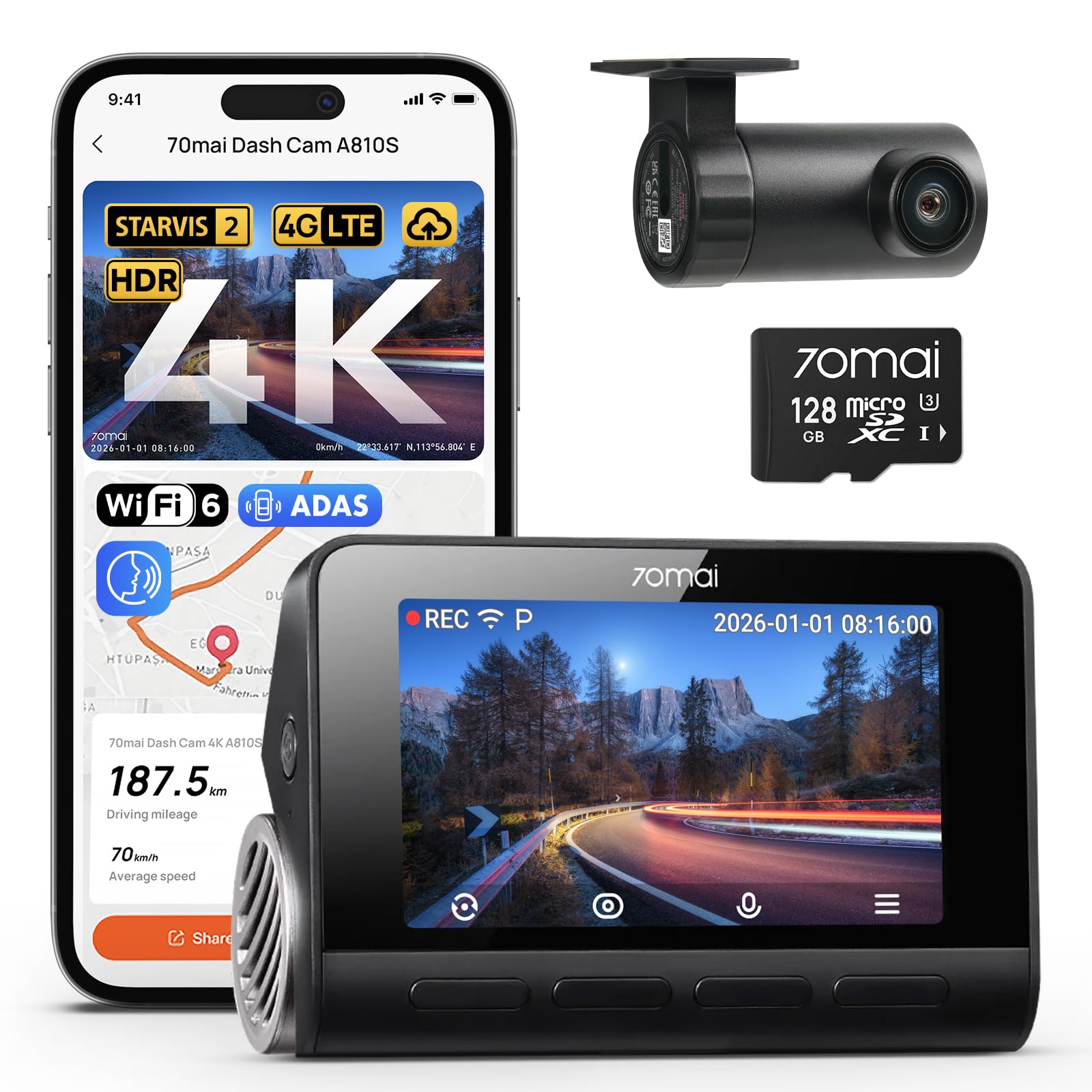
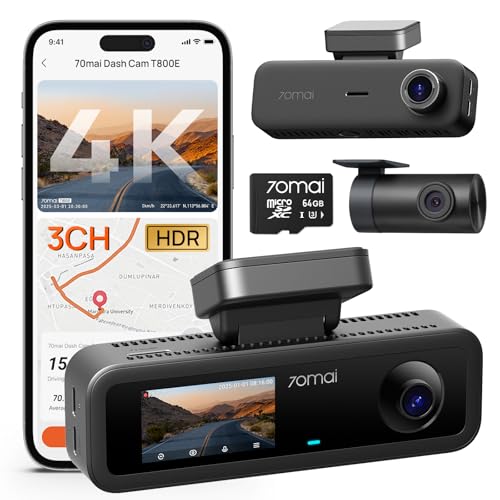
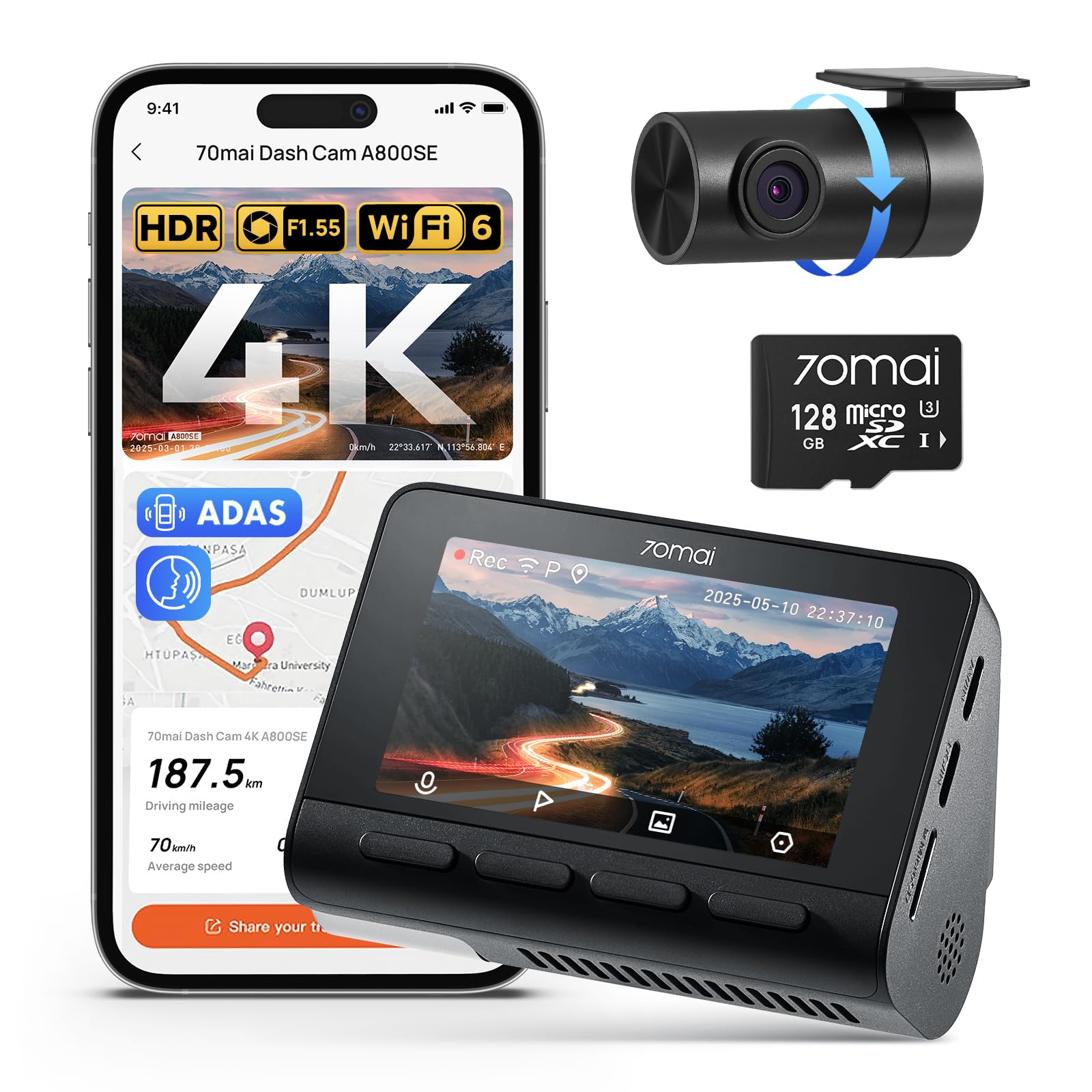
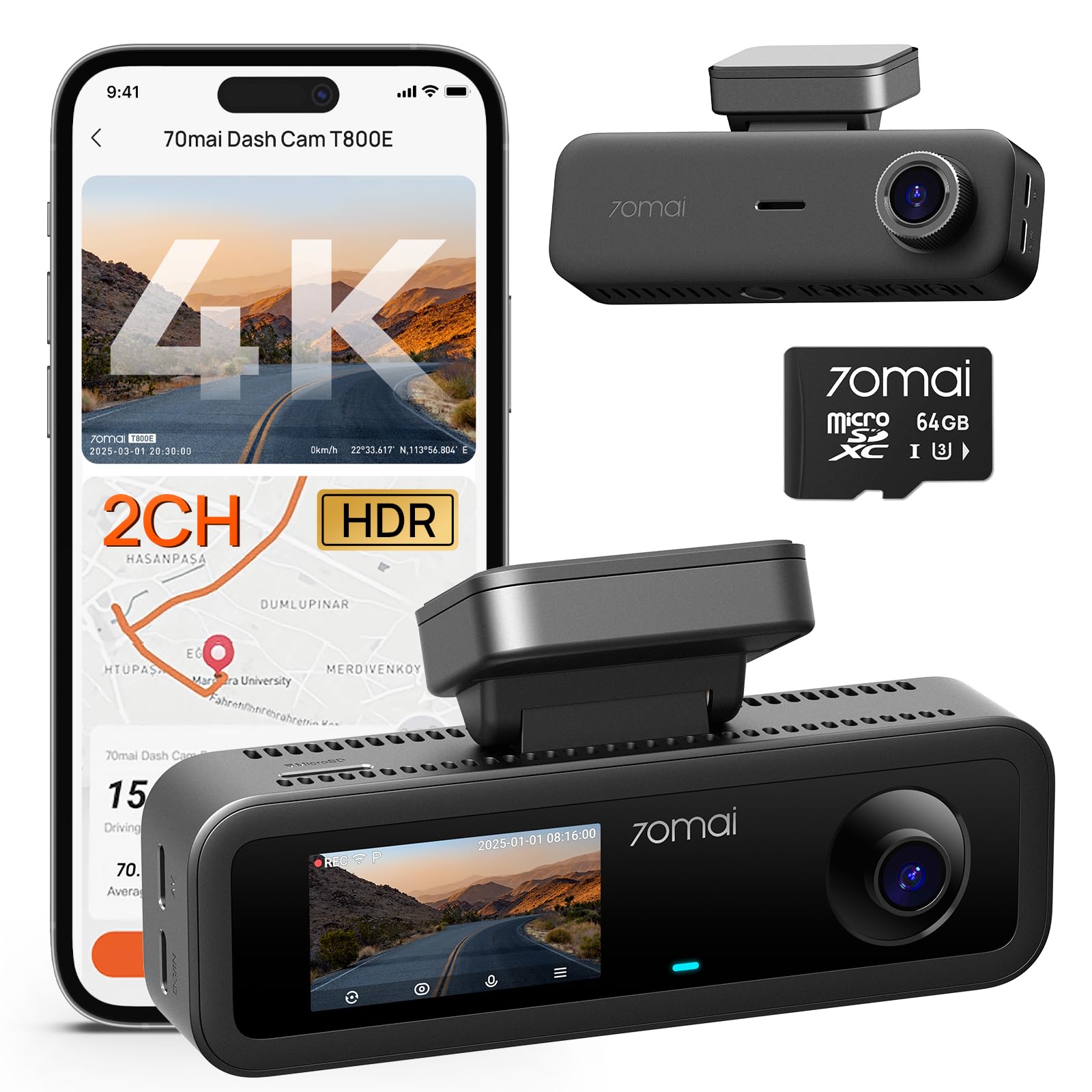
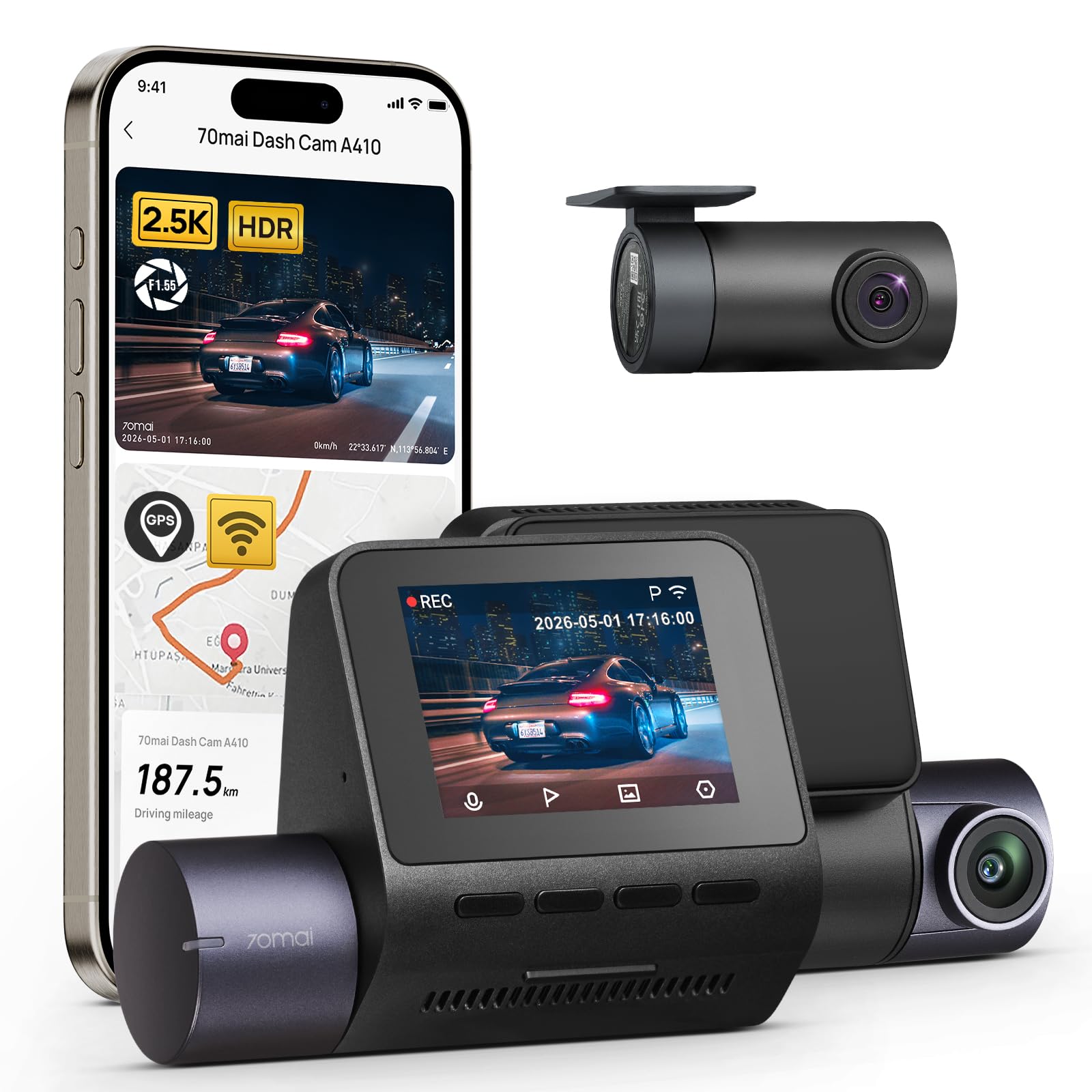
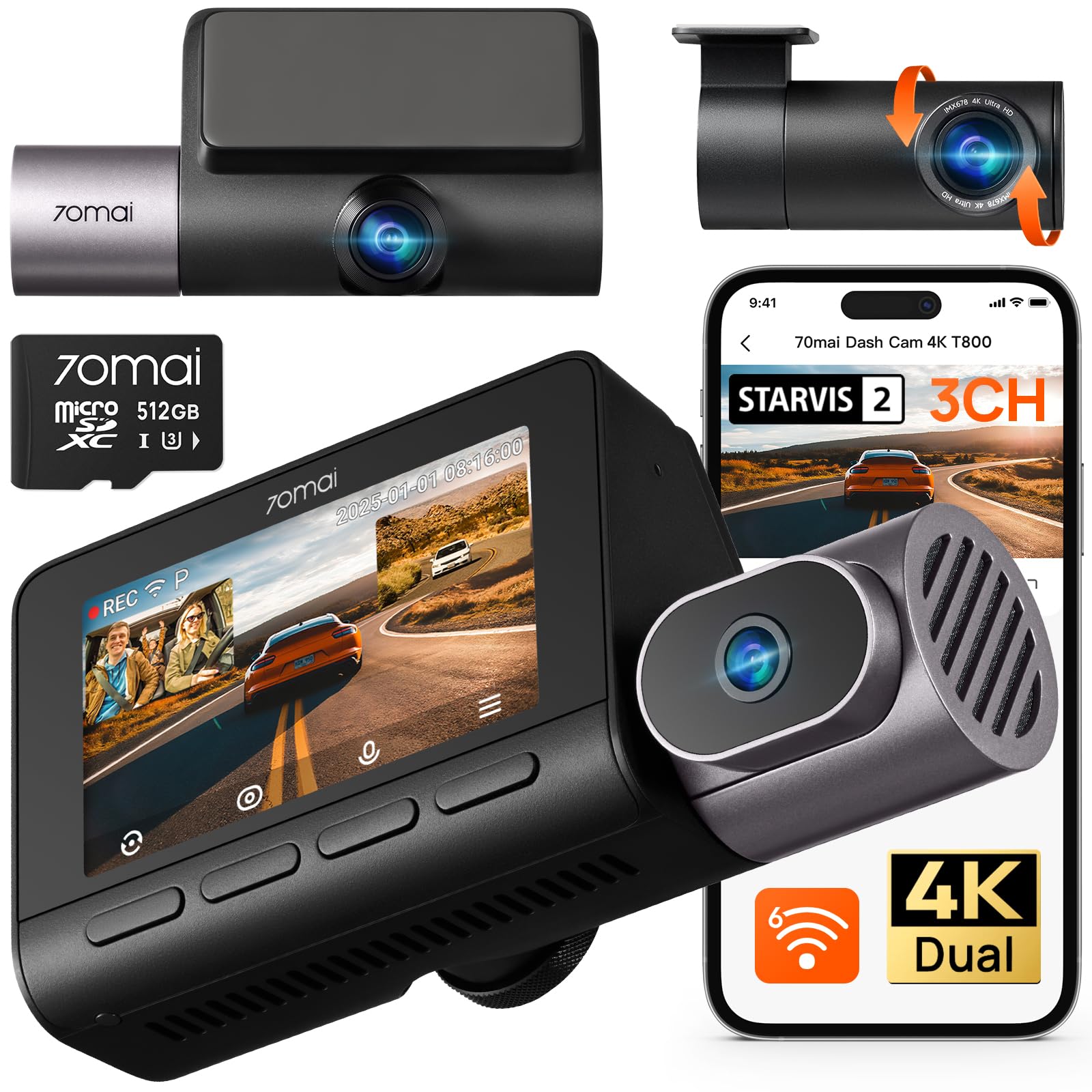


Three Setup Types at a Glance
Rather than naming a single winner for everyone, it helps to think in three categories. The dual channel category pairs a strong front camera with an optional rear view and balanced features for daily driving. The front only category covers front recording only, with simple controls and a lower cost. The premium category adds higher resolution, more channels, and advanced parking coverage for drivers who want the most detail.
- Dual channel setup: dual channel recording, clear night footage, GPS logging, and app access for most cars and most commutes.
- Front only setup: front only recording, compact size, and simple setup for drivers who mainly want basic incident evidence.
- Premium multi channel setup: higher resolution front recording, added rear or cabin views, and fuller parking monitoring for busy streets and shared vehicles.
Three Configurations Compared
The sections below describe each category by what it does well and what it gives up, so you can place yourself in one group before you look at individual listings. No single setup wins on every point, and the right trade off depends on where you park, how often you drive at night, and how much footage you review.
Dual Channel Setups for Most Drivers
This configuration suits most drivers because it records the road ahead and the traffic behind you, which matters when an incident involves a vehicle approaching from the rear. Look for a front camera that captures plate detail in daylight, a rear camera that stays clear in rain, and GPS that logs speed and location with each clip. An app connection lets you view and save footage on your phone without removing the card. The main trade off is a longer install, since the rear cable must run through the cabin trim to the back window.
Front Only Setups for Light Budgets
A front only camera is the simplest place to start and often the easiest to move between vehicles. It covers the view through your windshield, which handles the most common claims about signals, lane changes, and sudden stops ahead. You give up rear coverage and, on many basic setups, built in GPS and advanced parking features. Keep your expectations focused on clear daytime footage, reliable loop recording, and a mount that holds firm in heat. For a second car or a short commute on familiar roads, that basic coverage can be enough.
Premium Multi Channel Setups
Premium setups push resolution and channel count higher, adding a cabin view or a stronger rear camera alongside the front unit. That extra detail helps rideshare drivers, families who share one vehicle, and anyone who parks on crowded streets where bumps happen out of sight. The cost also rises, often into about $200 to $300 once you add a large card and a parking power kit. Pay for this tier only when you will actually use the added views.
How the Categories Differ
We grouped the lineup using five criteria drawn from maker specifications and verified buyer feedback: fit with your vehicle, video performance, ease of use, durability in daily heat and vibration, and warranty support. We did not base the categories on price alone, because a low price means little if the mount loosens or the footage is too soft to read a plate.
How to Choose the Right Dash Cam
Work through the factors below in order, starting with channel count and ending with budget. If you want a broader starting point before narrowing to one brand, our guide on how to choose a dash cam walks through the same decisions in a brand neutral way.
Type
Start with how many views you need. A front only camera records through the windshield and suits drivers who mainly want evidence of what happens ahead. A dual channel setup adds a rear camera, and our guide to the best front and rear dash cam options explains when that second view earns its extra install time. A three channel setup adds a cabin view, useful for rideshare work. Wireless in this category usually means WiFi transfer to an app, not a cable free install, as our overview of the best wireless dash cam category makes clear.
Features Worth Paying For
Night vision matters most if you drive after dark, so look for a wide aperture and a sensor tuned for low light rather than a headline resolution alone. Parking mode can record impacts or motion while you are away, but it needs a constant power source and a voltage cutoff to protect your battery. GPS adds speed and location data that can support an insurance claim. An interior camera only pays off for rideshare or fleet use, so skip it if you drive alone.
Vehicle Compatibility
Check the shape of your windshield, the size of the housing behind your mirror, and any driver assist cameras already mounted there, since a new camera must not block sensors or your view. Confirm the rear cable length suits your vehicle, because a compact hatchback and a long SUV need very different runs. If you are comparing setups for a family sedan or a daily commuter, our guide to the best dash cam for cars covers fit questions by vehicle size. Also confirm the power socket location and whether your car keeps that socket live when parked, since that decides if parking mode needs a separate wiring kit.
Installation
Most front cameras mount with adhesive or a suction cup high on the windshield, then draw power from the cabin socket. Route the cable along the headliner and down the pillar, keeping it clear of airbag paths, and leave a little slack so the mount can be adjusted. A rear camera adds a long cable run under trim panels and a mount on the rear window. A hardwired install gives a cleaner look and enables parking mode, but it involves fuse connections and should be done by a professional if you are unsure about vehicle electrics.
Power and Performance
Resolution affects how much plate and sign detail you can recover, but sensor quality and lens clarity matter just as much, especially at night and in glare. Higher resolution also creates larger files, so pair it with a card rated for constant video writing and format the card in the camera before first use. Look at frame rate as well, since smoother footage can help when you pause on a fast moving moment. Heat tolerance matters in parked cars, so models using a capacitor instead of a lithium battery often handle hot windshields better over time.
Warranty
Check the warranty length and what it actually covers, including the mount, the cable, and the camera body itself. Confirm how support is reached from the United States and whether firmware updates are offered through the app, since updates can fix bugs and improve stability. Keep your receipt and register the purchase if the maker offers it. A clear return window from the seller also matters, because the first week of driving is when you will learn whether the camera angle, app, and alerts suit you.
How Much Should You Spend?
Under $50, expect front only recording, basic night performance, and few extras, which can still suit a spare vehicle. About $50 to $100 usually adds better sensors, GPS on some setups, and smoother app access. About $100 to $200 is where dual channel recording and stronger night footage become common, and it fits most drivers well. About $200 to $300 buys higher resolution and three channel options. Spending over $300 only makes sense when you need the fullest coverage and will also budget for a large endurance card and, if needed, a wiring kit.
The 70mai Dash Cam Lineup Explained
Within this brand, models mainly differ along four lines: how many channels they record, how much detail the front sensor captures, whether GPS is built in or added through a mount, and how parking coverage is powered. Simpler models focus on a single front view and easy setup. Mid level models add a rear camera and app based review. Higher models add resolution, cabin views, and voice or driver alert features on some versions. If you are still weighing this brand against the wider market, start with our general guide to the best dash cam and then return here once you know you prefer this app and mounting style. Choosing the best 70mai dash cam is therefore less about a single flagship and more about matching channel count and power needs to your car.
One point that confuses many buyers is naming. Similar looking models can differ in sensor, field of view, or whether a rear camera is included in the box, so check whether the rear camera, the wiring kit, and the memory card are included or sold separately before ordering.
FAQ
What is the best 70mai dash cam?
For most drivers, the best choice is a dual channel setup with clear night footage, GPS logging, and app access, because it covers both the road ahead and traffic behind you. If you only drive short daytime trips, a front only setup may be enough. Your vehicle size, parking situation, and budget should make the final call, not resolution alone.
Is 70mai a good dash cam brand?
70mai is known for compact designs, app based controls, and a wide range of price points within one lineup. That range is its strength, since you can start basic or move up without learning a new app. As with any brand, individual setups vary in sensor quality and features, so compare channel count, card support, and warranty terms for the specific configuration you plan to buy.
Which memory card does a 70mai dash cam need?
Choose a card built for constant video recording, often sold as a high endurance card, and size it to your resolution and channel count. Dual and three channel setups fill space faster, so a larger card gives you more history before loop recording overwrites old clips. Format the card inside the camera at setup and again from time to time, and replace it if the camera reports repeated card errors.
Can a 70mai dash cam record while parked?
Many setups offer a parking mode that records impacts or motion, but it usually needs constant power from a separate wiring kit rather than the cabin socket. That kit should include a voltage cutoff so recording stops before your car battery runs low. If you park in a garage and rarely leave your car on the street, you may find this feature less important than rear coverage or night clarity.
How long does a dash cam last?
A dash cam can serve for several years when the mount stays firm, the lens stays clean, and the memory card is replaced when errors appear. Heat is the main stress, so a capacitor based setup often ages better on a hot windshield than a battery based one. Check your footage monthly to confirm the date, angle, and recording are still correct, and clean the lens with a soft cloth so dust and film do not soften the image.
Final Thoughts
The right choice comes down to coverage first, then detail, then cost. Pick the channel count that matches your driving, confirm the camera fits your windshield and power setup, and only then compare resolution and extras. Look back at the product table above to confirm which category fits your car and budget. For most readers, the best 70mai dash cam will be the dual channel configuration that balances clear footage, GPS logging, and a fair price without adding views you will never review.


