Best All Weather Car Covers for 2026: A Practical Buying Guide
Disclosure: We may earn a commission when you buy through links on this page, at no extra cost to you. As an Amazon Associate I earn from qualifying purchases. Learn more

Learn how to choose the best all weather car covers for your vehicle. Compare fit, materials, weather protection, and care so you pick a cover that lasts.
Choosing the best all weather car covers starts with your parking situation, not with the thickest fabric you can find. A cover that fits well, stays put in wind, and lets trapped moisture escape will protect your car far better than a heavy cover that flaps, pools water, or rubs the paint. This guide explains fit, materials, and care in plain terms, and the product table can help you sort the options by size and use.
All weather use means sun, rain, dust, snow, and bird droppings, often in the same month. That range of conditions is why one cover rarely suits every driver. A commuter who parks outside every day needs different protection from a driver who covers a weekend car only during storms. Work through the sections below in order, and you will have a clear short list before you spend anything.






Choosing by Budget and Use
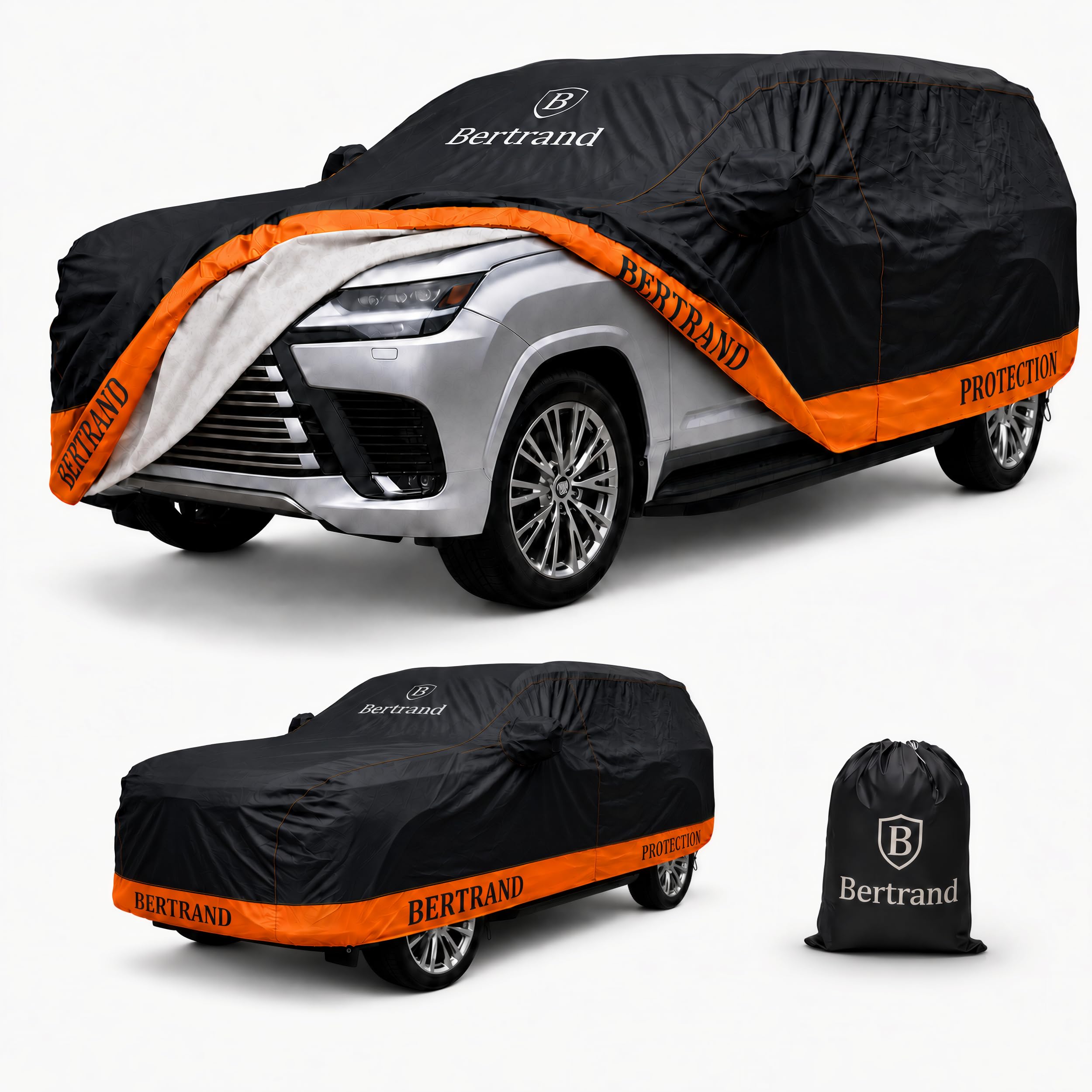
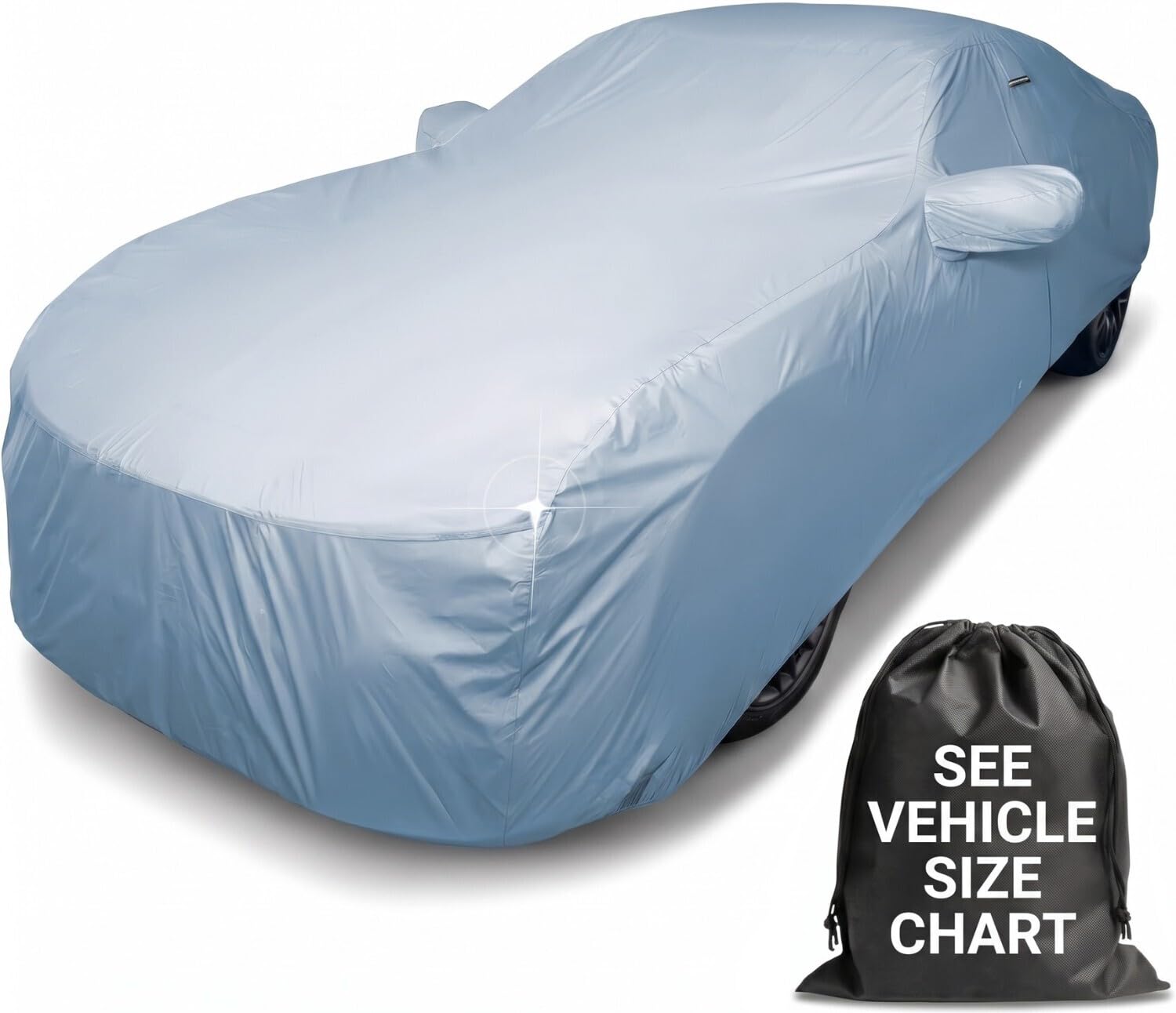
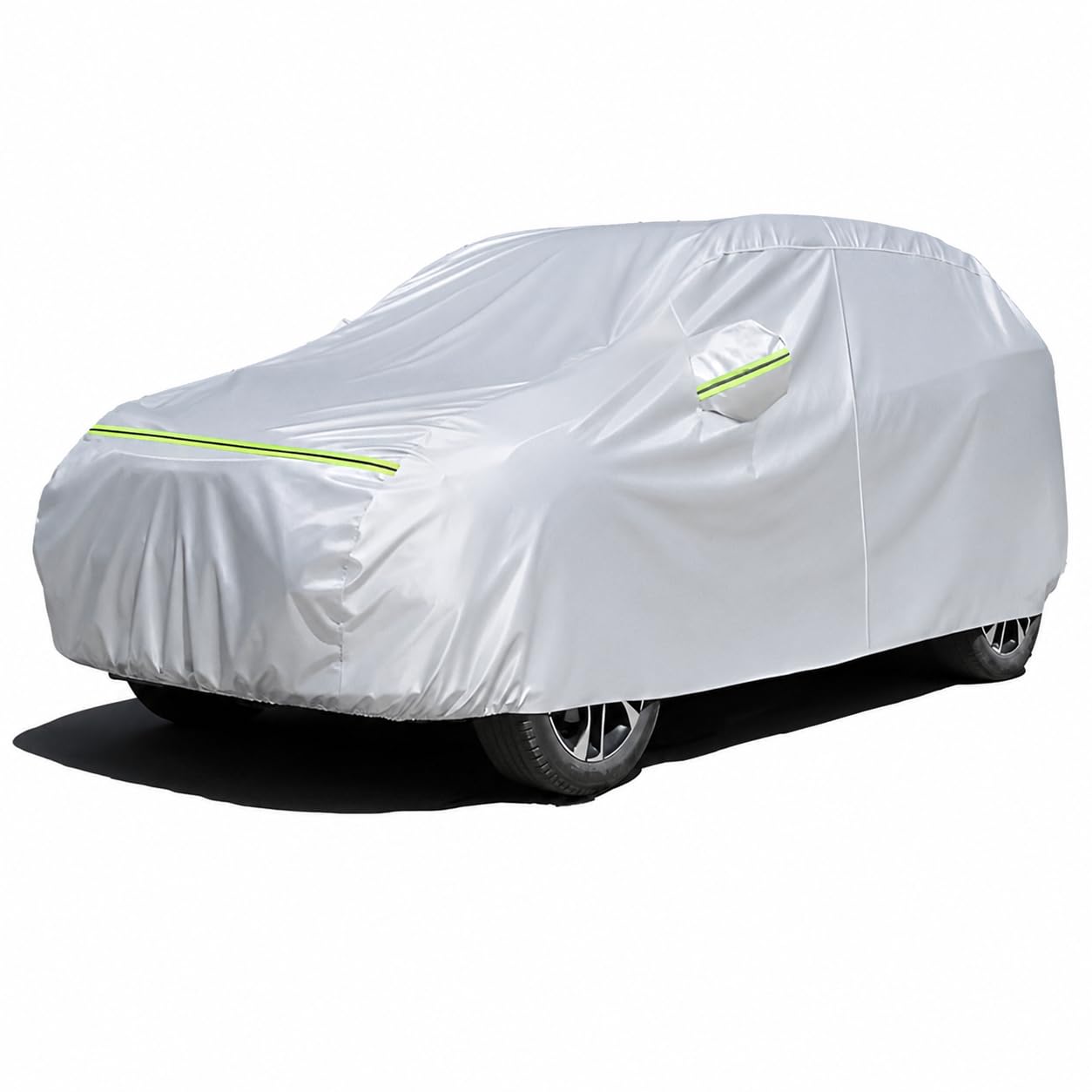
Budget is best treated as a range tied to how often the cover will face harsh weather. A low cost cover can work well for occasional use, while daily outdoor parking usually justifies stronger fabric, better straps, and a softer inner layer. The three levels below describe what you can reasonably expect at each spending level, without naming any specific cover.
Sensible Spending for Occasional Outdoor Parking
At this level, look for a cover that fits your vehicle class, uses a water resistant outer layer, and includes at least a basic strap or elastic hem. It should pack down small enough to store in a trunk or garage corner. For many drivers who park outside only a few nights a month, this level gives solid basic protection at a modest cost, often about $50 to $120.
A Strong Middle Ground for Daily Outdoor Parking
The middle level suits cars that live outside most nights. Look for multiple fabric layers, reinforced mirror pockets, a soft inner layer, and straps that hold the cover in wind. Breathability matters more here, because daily use traps more moisture under the fabric. A cover in this range often costs about $120 to $250 and should feel noticeably sturdier, with cleaner stitching and a storage bag that actually fits the folded cover.
Higher Spending for Harsh Weather and Long Term Parking
Higher spending makes sense for cars parked outside through winter, coastal salt air, or intense summer sun. At this level, expect thicker layered fabric, strong UV resistance, well placed straps, and a fit closer to your exact body shape. The cover should also handle repeated folding without cracking at the creases. Prices often run about $250 to $450, and the value comes from longer service life and better paint protection, not from extra features you will never use.
How to Choose the Best All Weather Car Covers
Use the factors below as a checklist. If a cover fails on fit or breathability, even excellent weather resistance will not save it, because a loose cover moves in wind and a sealed cover traps damp air against the paint.
Vehicle Fit and Size
Start with your vehicle class, body length, and whether you have a roof rack, spoiler, antenna, or oversized mirrors. A cover made for a sedan will strain over a large SUV, and a cover made for a truck will billow over a small hatchback. Measure length from bumper to bumper if the size chart uses length bands, and compare that number with the chart rather than guessing from the model name alone. Our guide to best car covers explains size classes in more detail and can help you narrow the fit before you look at materials.
Material Layers and Weather Protection
All weather covers usually combine an outer layer that sheds rain, a middle layer that adds body and UV protection, and an inner layer that protects paint. A single thin layer can shed light rain, but it often fails in sustained storms or under snow load. Thicker layered fabric resists tearing and handles repeated use better, though it also weighs more and takes longer to fold. Look for clear maker statements about water resistance, UV resistance, and snow load, and treat vague claims about total protection with caution.
Breathability and Paint Care
Breathability lets water vapor escape instead of condensing under the cover. Without it, damp air can sit against the paint for days, especially after rain followed by cool nights.
A soft inner layer also matters, because grit trapped between the cover and the body can scratch paint when wind moves the fabric. Always remove loose dirt from the car before covering it, and avoid dragging a dirty cover across the paint.
Security Straps and Wind Resistance
Wind is the most common reason a cover fails in daily use. Elastic hems help, but straps that pass under the body hold far better in gusts.
Look for straps at the front, middle, and rear, plus a way to tighten them without tools. Mirror pockets also help, because they anchor the cover at the sides and stop it from sliding forward or back. If you live in a windy area, picture the strap layout on your own car and parking spot: a cover that only straps at the ends will still lift in the middle.
Ease of Use and Storage
A cover you dread putting on will spend most of its life in the bag. Lightweight fabric, clear front and rear markings, and a simple folding pattern make daily use realistic.
If you park in a tight garage, check that you have room to walk around the car while fitting the cover, because a tight space makes even a good cover frustrating.
Warranty and Maker Support
A warranty tells you how much confidence the maker has in seams, straps, and fabric life. Read what the warranty covers, how long it lasts, and whether it covers seam failure, strap failure, or fabric tears. Strong maker support also matters if a strap breaks or a seam opens: a maker that sells replacement straps or answers fit questions is easier to deal with than one that only offers a generic return window.
Types of Car Covers for All Weather Use
Cover types differ mainly in weight, fit, and how much weather they are built to face. Matching the type to your parking pattern matters more than chasing the thickest option on the shelf.
Lightweight Covers for Occasional Use
Lightweight covers suit drivers who cover a car a few times a month, often for dust, light rain, or sun. Their limits show up in heavy snow, strong wind, or daily sun, where thin fabric wears faster and straps may be minimal. Choose this type if your car usually parks under cover and only faces the weather on trips or during storms.
Heavy Covers for Daily Outdoor Parking
Heavy covers suit cars that park outside every night through changing seasons. They use layered fabric, stronger straps, and reinforced stress points at mirrors and bumpers. If your car faces sun, rain, and snow in the same week, the extra weight is usually worth it, because the cover stays in place and protects the paint through each change.
Custom Fit Covers
Custom fit covers are shaped for a specific body style, so they hug bumpers, mirrors, and roof lines more closely. That close fit reduces wind movement and rubbing, which helps paint over months of use. Choose a custom fit cover when your car will stay in your household for years and you park outside daily.
Universal Fit Covers
Universal fit covers use size bands that cover several body styles, so one cover can fit a range of sedans or SUVs. They cost less and are easier to replace, but they may billow in wind or leave extra fabric at the bumpers.
Setup and Care Tips
- Clean the car before covering it, because grit under the fabric can scratch paint when wind moves the cover.
- Fit the cover from front to rear, secure the mirror pockets first, then tighten the straps in order so the fabric sits evenly.
- Let a wet cover dry fully before folding it, and store it in a dry bag away from sharp tools and chemicals.
- Check straps, seams, and the inner layer each season, and replace a worn strap before it fails in a storm.
- Wash the cover only as the maker directs, because harsh cleaners can reduce water resistance and soften the inner layer.
- After removing the cover, shake off loose dust outdoors and check the paint for leaves or debris trapped at the edges.
Regular care also extends to the rest of the car. Floor protection matters once you step inside with wet shoes, and our guide to best all weather car mats covers mat materials and fit. For interior dust, our guide to best car vacuum compares types suited to cars and tight spaces.
All Weather Car Covers: Your Questions Answered
Do I Need Professional Installation for a Car Cover?
No, most car covers are designed for one person to fit without tools or professional help. Start at the front bumper, pull the cover over the roof, secure the mirror pockets, then tighten the straps from front to rear. Professional help is only worth considering if the cover is very heavy, your parking space is tight, or a physical limitation makes reaching across the roof difficult. In those cases, a lighter cover or a helper for the first few fittings usually solves the problem.
How Long Does an All Weather Car Cover Last?
Most all weather covers last about two to five years, depending on sun exposure, wind, snow load, and how often the cover is folded. Daily outdoor use in strong sun wears fabric faster than occasional use in a mild climate. Signs of wear include thinning fabric, cracked coatings, frayed straps, and seams that pull apart at stress points.
What Features Matter Most for All Weather Protection?
Fit, fabric layers, breathability, and strap layout matter more than any single headline feature. A cover that fits closely and stays put will protect paint better than a thick cover that flaps in wind. Breathability prevents trapped moisture, while layered fabric handles rain, UV, and snow more evenly than a single thin layer. Also check mirror pockets, seam strength, and the softness of the inner layer, because those details decide how the cover behaves after months of daily use.
Will an All Weather Cover Fit My Vehicle?
It will fit if you match the cover size band to your vehicle length and body style, including roof racks, spoilers, and oversized mirrors. Size charts usually group vehicles by length, so measure bumper to bumper and compare that figure with the chart. A custom fit cover shaped for your body style gives the closest fit, while a universal cover needs careful strap adjustment to avoid billowing. When in doubt between two sizes, check the maker guidance for your body style rather than guessing from a similar model.
Can I Use a Car Cover in Snow and Heavy Rain?
Yes, provided the cover is rated for those conditions and secured with straps at several points. Heavy snow adds weight, so brush snow off the cover before it melts and refreezes, and avoid pulling a frozen cover across the paint. In heavy rain, breathability matters as much as water resistance, because trapped damp air can linger after the storm.
Final Thoughts
Fit, layered weather protection, breathability, and strong straps are the four factors that decide whether a cover truly earns its place. Start with your parking pattern, match the size band carefully, and choose a type that you will actually use every time the weather turns. The best all weather car covers are the ones that stay put, protect paint, and last through seasons of real use, so review the product table above once more before you decide.