Best Aggressive Hardtail Mountain Bike 2026
Disclosure: We may earn a commission when you buy through links on this page, at no extra cost to you. As an Amazon Associate I earn from qualifying purchases. Learn more

Choose the best aggressive hardtail mountain bike by geometry and reach, fork travel, tire grip and brake power for steep, rough trails.
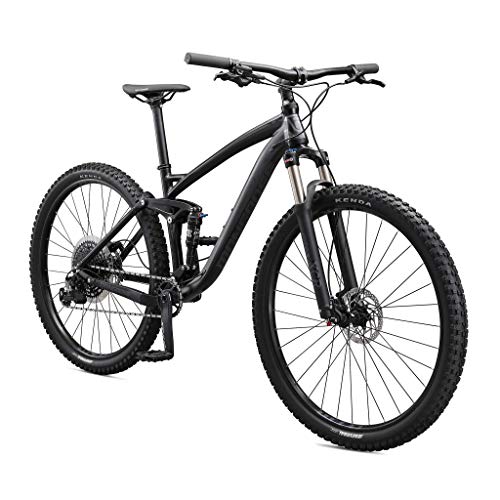
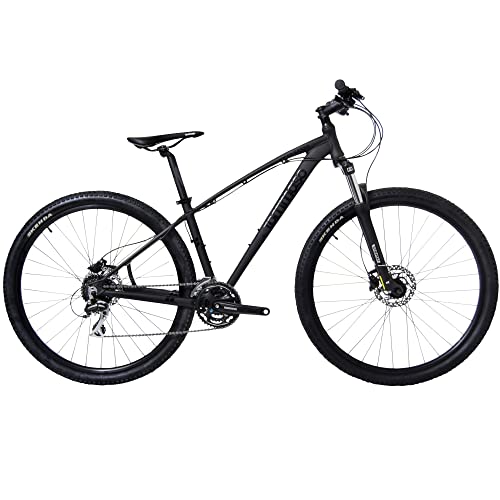
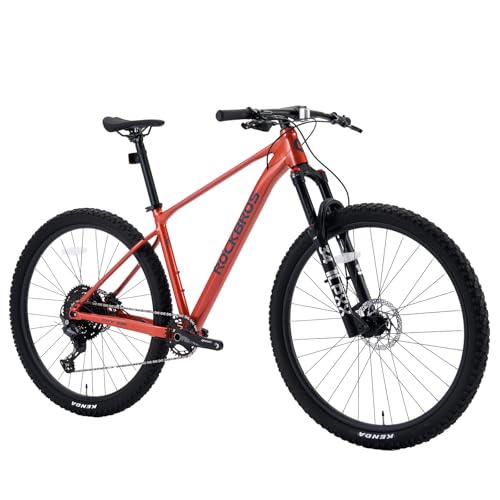
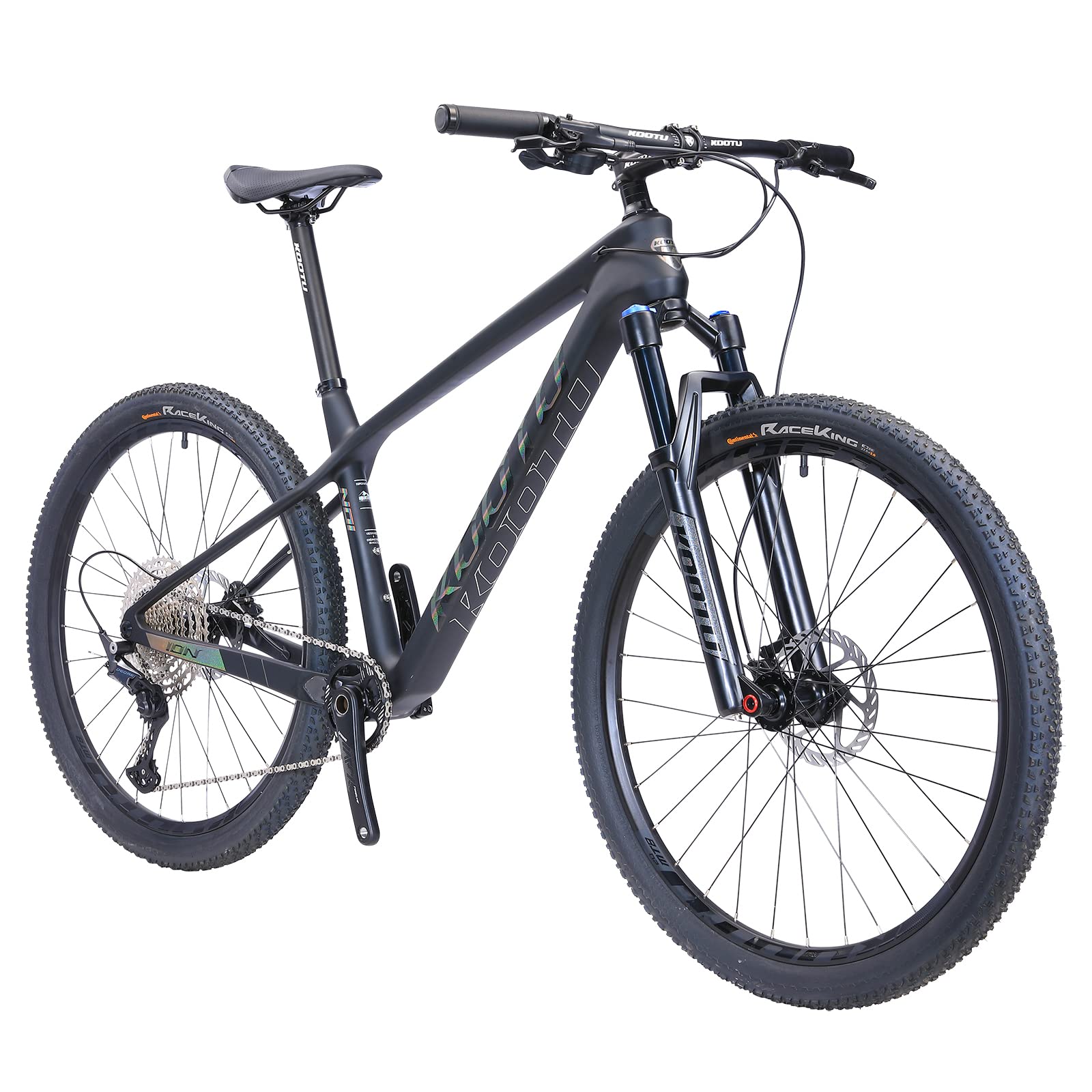
An aggressive hardtail is a mountain bike built for steep, rough trails but with no rear suspension: a slack head angle, a long reach, a strong front fork and wide tires. Choosing the best aggressive hardtail mountain bike means weighing geometry, fork travel and brakes against what you can spend. The comparison table below gives a quick side by side view of options to shortlist.
Hardtails reward riders who like a direct, lively feel and want fewer parts to maintain. They cost less than full suspension bikes at the same component level, and they teach good line choice because the rear end gives you no help over roots and rocks.




Who Should Buy an Aggressive Hardtail?
This style suits riders who want a capable trail bike on a modest budget, riders who prefer simple maintenance, and riders who enjoy a more demanding, playful ride. It is a good second bike for park laps and jump lines, and a strong first bike for anyone who already has some trail confidence. If your trails are mostly smooth paths and gravel, a standard cross country hardtail will feel lighter and cheaper to run.
If you ride very long, rough descents every weekend, a full suspension bike will be easier on your back and hands. A hardtail is a better choice when you value cost, low weight for the money and easy service.
Key Features to Compare
Compare these factors in order. A bright paint job should never outweigh a poor fit or weak brakes.
Frame geometry and reach
Aggressive geometry means a slack head angle (around 65 to 66 degrees), a long reach and a steeper seat angle that keeps you centered when climbing. Slacker angles feel stable at speed but slower in tight turns. Compare reach numbers rather than size labels, because a medium on one brand can match a large on another.
Fork travel and damping
Look for about 120 to 150 mm of travel on an aggressive hardtail, with an air spring you can tune to your weight. Better forks add rebound and compression damping, which control how the fork handles repeated hits. Basic coil forks at lower prices work for light use but feel harsh on steep, rough descents.
Tire width and grip
Wide tires act as your rear suspension on a hardtail. Choose about 2.4 to 2.6 inches wide, tubeless ready if possible, so you can run lower pressure for grip and comfort without pinch flats. Check the wheel size too: 29 inch rolls over obstacles easily, while 27.5 inch feels more playful.
Brake power and gear range
Hydraulic disc brakes with 180 mm front rotors give the stopping power steep trails demand. Cable disc brakes are a step down. For gears, a 1x drivetrain with a wide range cassette is simple and shifts reliably; a wider range matters if your local climbs are long.
What Makes the Best Aggressive Hardtail Mountain Bike?
The best aggressive hardtail mountain bike balances three things: a frame that fits you, a fork and tires that handle impacts, and brakes you can trust on long descents. Aluminum frames are the common choice for value, because they are stiff and durable. Steel frames add a smoother feel and are easy to repair, while carbon frames save weight at a higher price. Check that the frame has room for wide tires and a modern axle standard, since those details decide how well the bike takes upgrades later.
Weight matters less than stiffness and control on steep ground. A slightly heavier bike with a better fork and stronger brakes will usually feel faster and safer than a light bike with weak parts.
Fit, Size and Compatibility
Use the maker's size chart with your height and inseam, then compare reach and standover. If you sit between sizes, riders who like a stable, aggressive stance often choose the larger size and a shorter stem. Confirm the bike takes the wheel, axle and brake standards you want for future upgrades, and check that any dropper post routing is included if you plan to add one.
Buy from a seller with clear return terms, and expect to assemble the bike or pay a shop for setup. Have the brakes and bolts checked before the first ride.
Using and Caring for Your Bike
Clean the chain after muddy rides, check tire pressure before every outing and inspect the fork seals for leaks. Lube the chain regularly, and bleed hydraulic brakes when they feel soft. Store the bike dry and out of direct sun, and check bolts on the stem, handlebar and wheels every few weeks.
Common Mistakes to Avoid
- Choosing a bike by suspension travel alone and ignoring frame fit
- Buying a department store bike that looks aggressive but has heavy parts and weak brakes
- Riding steep trails on narrow cross country tires
- Skipping a helmet, gloves and eye protection
- Ignoring return terms on a large item that is hard to ship back
Wear a helmet and gloves, check your brakes before a descent and ride new trails at a comfortable pace until you know the lines.
Related Guides
To compare nearby styles, see our guides to best mountain bike hardtails, best hardtail e mountain bike, best hardtail xc mountain bike, best steel hardtail mountain bike and best beginner hardtail mountain bike.
Frequently Asked Questions
What makes a hardtail aggressive?
Slack head angle, long reach, a longer travel fork and wide, grippy tires. Those traits make the bike stable on steep descents while keeping the simple rear end.
How much should I expect to spend on an aggressive hardtail?
Complete bikes with a decent air fork and hydraulic brakes usually start around $500 to $1,000, and higher end builds cost more. Very cheap bikes may look similar but often have heavy forks and weak brakes.
Which wheel size should I choose?
Pick 29 inch for rolling speed and stability, or 27.5 inch if you are shorter or want a more playful feel. Many riders choose by height and by how technical their trails are.
Do I need a dropper post?
It is not required, but a dropper post makes steep descents easier by lowering the saddle out of the way. Check that the frame has internal routing or a compatible seat tube diameter.
How do I care for a hardtail over time?
Clean and lube the chain, keep tire pressure right, service the fork according to the maker's schedule and replace worn brake pads and tires before they fail.
Final Thoughts
Take your time, check fit and brakes first, and choose the build that matches your trails and your budget. Looked at that way, the best aggressive hardtail mountain bike for you will be clear. The product table above can help you review your shortlist once more before you order.