
Best All Round Binoculars for 2026: Which One Fits the Way You Use It?
Disclosure: We may earn a commission when you buy through links on this page, at no extra cost to you. As an Amazon Associate I earn from qualifying purchases. Learn more

Compare all round binoculars by magnification, field of view, eye relief, and weight, with a simple guide to choosing one pair for mixed daily use.
No single pair suits every outing, and that is the honest starting point here. The best all round binoculars for you are the pair you can hold steady at the distance you view most, carry without complaint, and focus quickly when a subject moves. A birder scanning branches, a hiker reading a far ridge, and a fan following a game all need that same balance, just weighted a little differently.
Use the comparison table below to check the basic numbers side by side, then read on for what those numbers feel like in your hands. Magnification, lens size, field of view, and weight interact, so a bigger number in one column often costs you something in another.
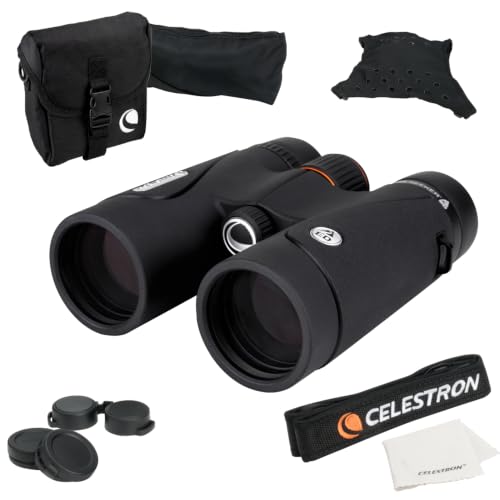
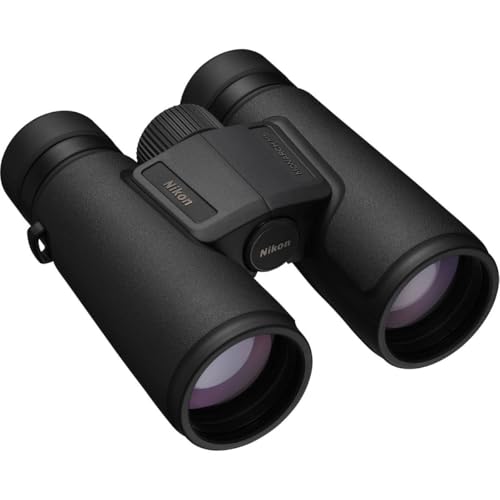


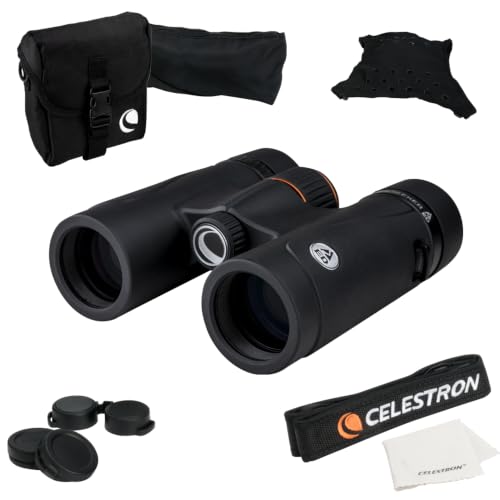
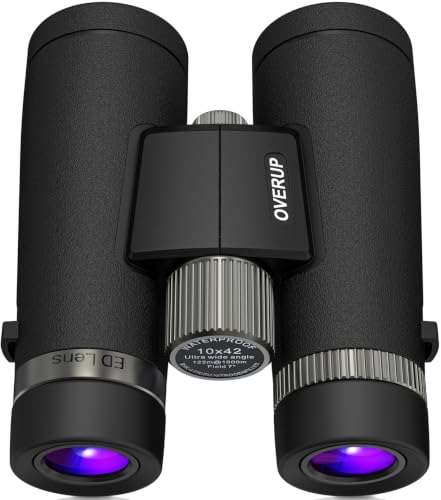

Who Should Buy Which All Round Binoculars?
For Birders and Wildlife Watchers
You need a wide field of view to find a moving bird and a short close focus distance for feeder visitors up close. An 8x42 pair is the usual sweet spot, steady enough to hold while you follow movement through branches. If birding will be most of your viewing, see our guide to the best binoculars for birdwatching.
For Hikers, Hunters, and Open Country Use
Distance changes your priorities. A 10x42 pair brings distant animals and far hillsides closer, which helps when you scan open ground from one spot. The cost is a narrower view and more visible shake, so it rewards braced elbows or a rest against a pack. Sealed optics and durable armor matter on damp mornings. Readers who hunt more than they hike can also see our guide to the best rated binoculars for hunting.
For Travelers, Sports Fans, and Concertgoers
You will value size and weight over raw light gathering, since the pair must earn its place in a day bag. An 8x32 or compact 8x25 pair is easier to carry all afternoon and still gives a clear, steady view of a stage or a field. For trips where space matters most, see our guide to the best rated compact binoculars.
For Families and Casual Everyday Use
A shared pair must fit different faces and hands without a long setup each time it changes owner. Look for a wide range of interpupillary distance, eyecups that stay where you set them, and a diopter dial that holds its position. An 8x42 pair forgives small errors in aim, which helps younger viewers and guests. A sturdy strap and case protect the pair between outings.
Key Features to Compare
Magnification and Objective Lens Size
The two numbers in a name like 8x42 tell you magnification first and front lens diameter in millimeters second. Magnification of 8 times keeps the image steadier and preserves a wider view, while 10 times shows more detail at distance but magnifies shake as well. A 42 millimeter lens gathers more light than a 32 millimeter lens and adds weight in return. For mixed use, 8x42 is the calmest starting point.
Field of View and Close Focus Distance
Field of view describes how wide a scene you see at a set distance, often listed in feet at 1,000 yards. A wider field makes it easier to locate a subject and follow it as it moves. Close focus distance is the nearest point the pair can focus on, and a figure around 6 feet or less lets you study butterflies and flowers without stepping back. Check both numbers together, since strong magnification often quietly reduces width and near focus.
Eye Relief, Fit, and Glasses Use
Eye relief is the distance your eye can sit from the rear lens while still seeing the whole image, and glasses wearers generally want about 15 millimeters or more. Eyecups that twist up and down let you set that distance with or without glasses. The hinge must also match the spacing of your eyes, or you see two overlapping circles instead of one clean image.
Lens Coatings, Prism Type, and Image Brightness
Coatings on the glass reduce glare and help more light reach your eyes, so look for wording that says the optics are fully multicoated. Most all round pairs use roof prisms for a straight, compact body, while Porro prism designs are wider and can offer strong depth perception at a lower price. Extra low dispersion glass, often shortened to ED glass, can reduce color fringing around edges such as branches against a bright sky.
Weight, Size, and Handling Balance
Most full size all round pairs weigh about 20 to 30 ounces, and that weight sits in your hands and on your neck for the whole outing. A slightly heavier pair can feel steadier, yet it becomes the item you leave behind on long walks. Hold a candidate pair at eye level for a full minute and note whether your arms tire. Balance and grip matter as much as the printed weight.
Sealing, Armor, and Build for Outdoor Use
Waterproof sealing and internal fog proofing protect the view when you move from a warm car into cold morning air. Nitrogen or argon filling helps keep moisture out of the body, and sealed pairs are usually marked waterproof rather than only weather resistant. Rubber armor absorbs small knocks and improves grip with gloves or damp hands.
Choosing Between 8x42 and 10x42 for Mixed Use
Start with the distance you view most often. If most subjects sit within a few hundred yards and move while you watch, choose 8x42 for the wider view and calmer image. If you mostly scan still, distant subjects and can brace your elbows, 10x42 earns its narrower field. That simple test is exactly what defines the best all round binoculars in practice, a pair matched to your dominant distance rather than to the biggest number on the box. If you want a broader shortlist, see our guide to the best rated binoculars.
Then run a short fit checklist before you buy or keep a pair. Set the hinge so you see one round image, adjust the diopter once following the manual, and focus on a sign at a distance you care about. Walk the focus wheel from near to far and feel for grit or stiffness. Finally, carry the pair on its strap for ten minutes, since neck comfort decides whether a family pair gets used.
Common Mistakes to Avoid
- Choosing 10 times magnification for every use, which narrows your view and lets hand shake spoil the detail.
- Judging brightness only under bright store lights, which hides how a pair performs at dawn, at dusk, and in deep shade.
- Skipping the diopter and hinge setup, which leaves one eye slightly soft and convinces you the optics are at fault.
- Buying the lightest pair without holding it at eye level, which can leave you with a cramped grip and a restless image.
- Ignoring eye relief while wearing glasses, which cuts off the edges of the view and makes long sessions tiring.
- Storing binoculars loose in a car trunk, which exposes the glass and seals to heat, dust, and repeated hard knocks.
Care and Maintenance of Your Binoculars
Clean the lenses only when they need it, and blow or brush loose grit away before you wipe, since dragging dust across glass can leave fine scratches. Use a soft lens cloth with a drop of lens fluid for smudges, never your shirt, which often holds grit. Wipe in small circles from the center outward and let the glass dry before you fit the caps.
Store binoculars in a dry, padded bag at normal room temperature, away from damp basements and hot car interiors that stress seals and coatings. Check the hinge, eyecups, and focus wheel every few months for stiffness or play, and wipe off salt spray with a lightly dampened cloth after coastal trips.
FAQs About All Round Binoculars
What does 8x42 or 10x42 mean on a pair of binoculars?
The first number is magnification and the second is front lens size, but the useful extra step is dividing the second number by the first. That result is the exit pupil, about 5.25 millimeters for 8x42 and 4.2 millimeters for 10x42. A larger exit pupil can feel brighter and more forgiving as light fades.
Is a smartphone enough instead of binoculars for distant viewing?
A smartphone is not enough for sustained distant viewing, since digital zoom enlarges pixels rather than gathering more real detail. Binoculars show a steady, magnified view to both eyes, which reduces strain during a long watch at a game or a nest. A phone still wins for sharing a quick photo. Many viewers study the subject through binoculars first, then record a clip with the phone.
How much should I spend on my first pair of all round binoculars?
Plan on about $100 to $250 for a first pair that you intend to keep and use for years. Below that range you often give up sealing, coating quality, or a smooth focus wheel, while above it the gains become smaller and more specific.
Which binocular configuration is better for low light viewing at dawn and dusk?
An 8x42 pair is usually better for low light viewing because its larger exit pupil delivers a brighter, steadier image as light falls. A 10x50 pair gathers more light still, but its size and weight push it away from all round duty toward a fixed viewpoint. Clean glass and good coatings help more at dusk than a small step up in magnification. Arrive a few minutes early so your eyes adjust.
Can all round binoculars work for both birdwatching and casual stargazing?
Yes, an all round pair can handle both, and the Moon, bright planets, and wide star fields look rewarding through 8x42 or 10x42 binoculars. You will not see fine planetary detail, since that needs far higher magnification on a mount. A reclining chair steadies your arms surprisingly well for short sky sessions.
Wrapping Up
Decide by distance first, then by fit, then by weight. Pick 8x42 for moving subjects and mixed outings, 10x42 for still subjects at long range, and a smaller pair when travel space rules the choice. Compare your finalists in the product table above. Chosen that way, the best all round binoculars become the pair you reach for without thinking.


