
Best All Season Boots for Every Need in 2026: How to Pick the Right One
Disclosure: We may earn a commission when you buy through links on this page, at no extra cost to you. As an Amazon Associate I earn from qualifying purchases. Learn more

Not all season boots fit every routine. See which best all season boots match how you actually use them, what features to prioritize, and what to skip.
There is no single pair that suits every routine, because a boot that handles spring rain, summer heat, autumn mud and mild winter cold has to balance opposing qualities. The best all season boots for you keep water out on wet days, let heat escape on warm days and still grip when the ground turns slick. Use the comparison table below to match those trade offs to your own week.
Start with how you actually spend your days. A commuter on paved streets needs different cushioning and weight than a hiker on rocky paths, and a worker outdoors all day needs more protection than either. The sections that follow sort buyers by routine first, then explain the features that matter in each season, so you can buy one versatile pair instead of several narrow pairs.

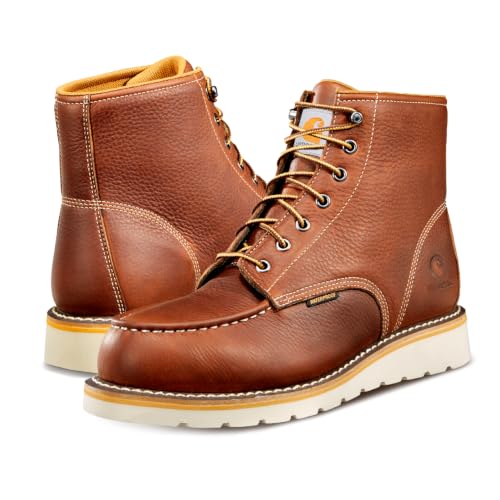


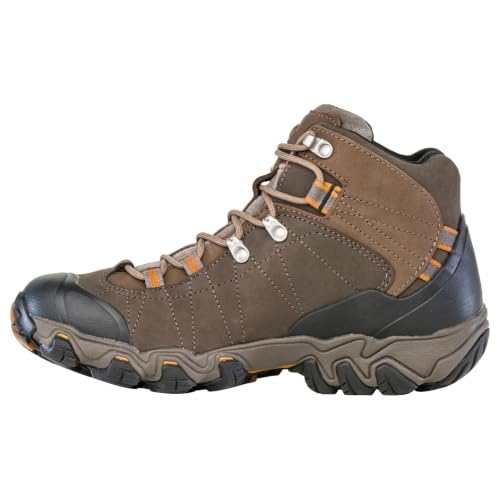
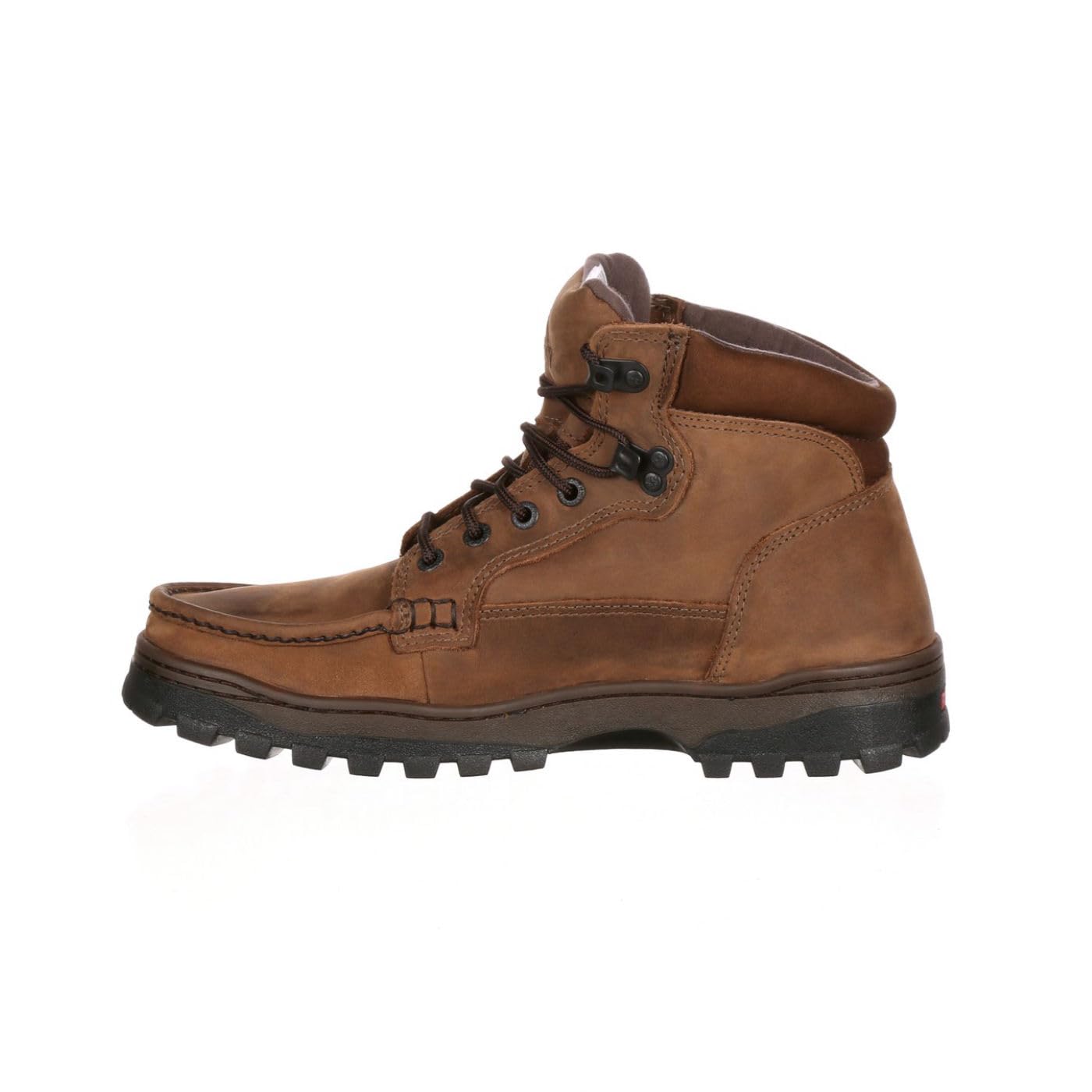


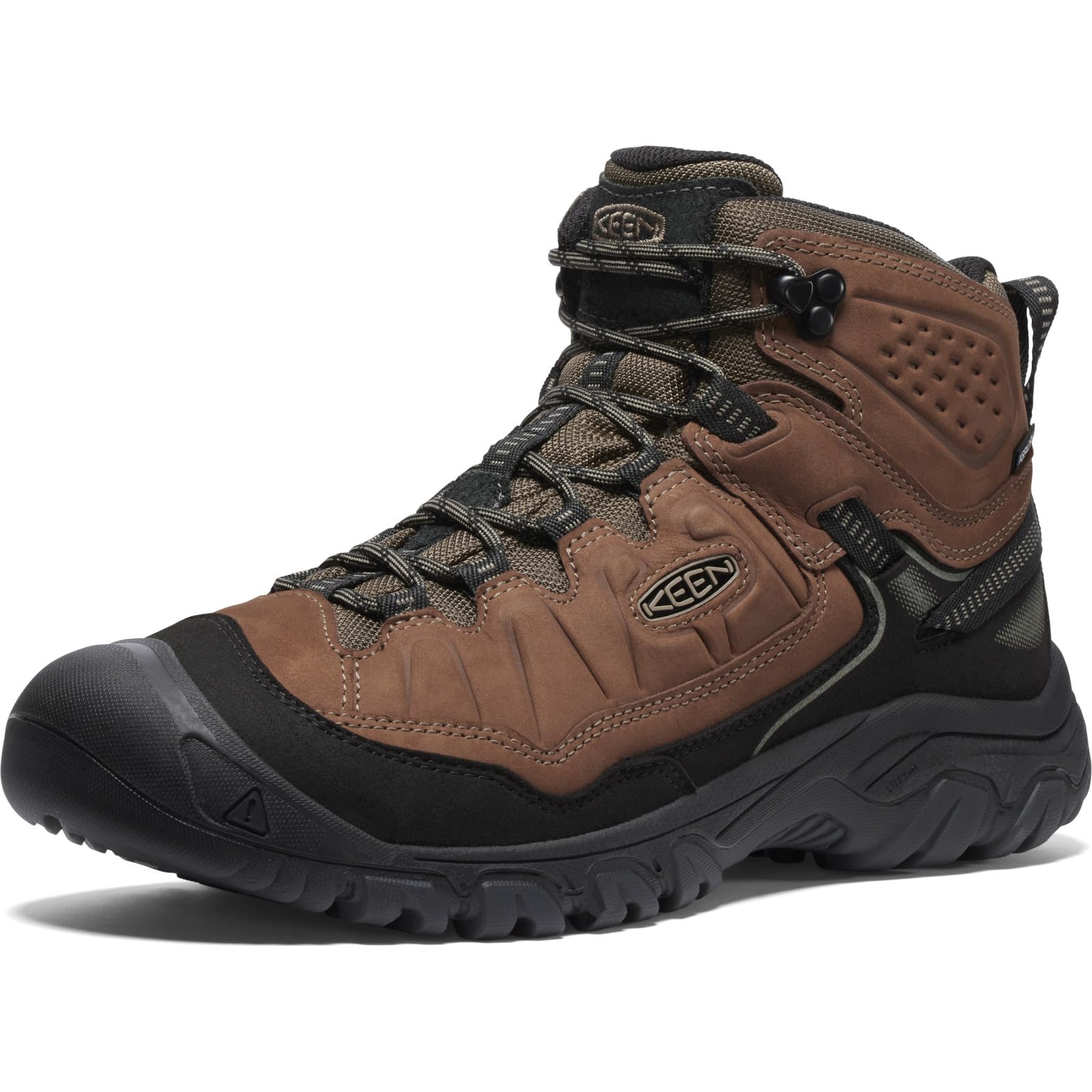
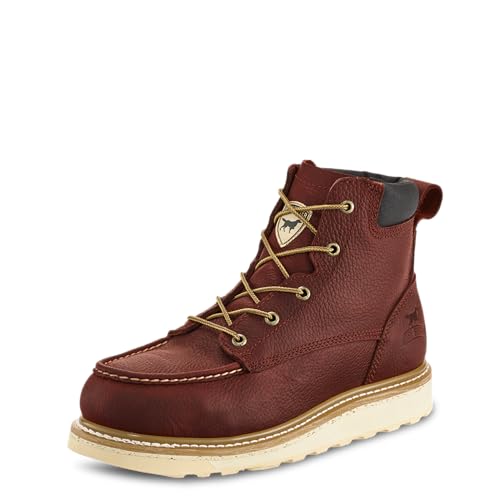
Who Should Buy Which All Season Boots?
Your routine decides which balance of waterproofing, warmth and weight is right. Match yourself to the group closest to your normal week.
Daily Walkers and Commuters on Mixed Pavement
You walk on sidewalks, station platforms and wet parking lots all year. Prioritize moderate cushioning, a flexible sole that rolls easily at walking pace and an upper that sheds rain without trapping heat. Skip heavy insulation, because a warm sock gives you control that a fixed lining cannot.
Hikers and Outdoor Workers on Rough Ground
You cover trails, fields or work sites where mud, loose gravel and shallow puddles are normal. Prioritize a deeper lug pattern, a firm heel counter and a protective toe area that shrugs off stones. A stiffer midsole spreads pressure from sharp ground during long days. If most of your miles are on trails, see our guide to the best hiking boots for all seasons for options built around trail use first.
Travelers Who Pack One Pair for Varied Trips
You want one pair that walks city streets, handles a light trail and still looks tidy at dinner. Prioritize low weight, a plain leather or knit upper that pairs with different clothes and a sole quiet on hard floors. Avoid tall cuffs and aggressive lugs, because both add bulk in a bag and feel clumsy on pavement. If you prefer following current styles instead, see our guide to the best boots this season.
Key Features to Compare
Compare these factors in the same order each time, because a boot that wins on one factor usually gives something back on another.
Waterproofing and Breathability in Changing Weather
A waterproof membrane such as Gore Tex blocks rain and puddle splash while letting some body heat and moisture vapor escape, and that balance is the core of any pair of waterproof boots meant for year round wear. Fully sealed uppers keep feet dry in steady rain but feel warm in summer, while treated leather sheds light showers and breathes better. Choose a membrane if your springs and winters are wet, and treated leather if your climate is mostly dry. On the hottest afternoons even a breathable boot feels warm, and our guide to the best sandals of the season covers cooler options for off duty hours.
Insulation That Warms Without Overheating
Light insulation, often around 100 to 200 grams, takes the edge off frosty mornings while staying tolerable indoors and in spring. Heavier insulation suits standing still in real cold, but it turns a boot into a winter only tool. Uninsulated lined boots are the most flexible choice if your winters stay mild, because sock thickness can adjust warmth day by day. Buy for your coldest regular hour, not your coldest day of the year.
Outsole Traction and Lug Depth for Wet and Dry Ground
The outsole decides how secure each step feels. Lugs of about 4 to 5 mm bite into mud and loose soil, while shallower, wider lugs grip wet pavement and rock better on hard floors. Softer rubber compounds grip slick stone better but wear faster on concrete, while harder compounds last longer with less bite. Open channels between lugs clear packed mud as you walk.
Cushioning, Arch Support and Stability Through the Day
Cushioning under the heel and forefoot softens repeated impact on hard ground, and firmer foam keeps that support longer than very soft foam. Arch support should match your foot shape: flat feet usually feel better with gentle structure that limits inward rolling, while high arches often need more padding under the midfoot. A heel to toe drop of about 8 to 12 mm suits most walkers, and a lower drop feels steadier on uneven ground.
Fit, Sizing, Weight and Toe Box Room
Try boots late in the day, when your feet are at their largest, and wear the thickest socks you plan to use in winter. Leave about a thumb width of space in front of your longest toe, because feet slide forward on slopes and swell on long walks. A wide toe box lets toes spread for balance, while a snug heel stops lifting and rubbing. Lighter boots, often under about 2 pounds per pair in smaller sizes, reduce leg fatigue, but very light builds trade away some sole stiffness and protection.
All Season Boot Types Compared by Height and Material
Low boots feel closest to sturdy shoes and suit dry towns, light trails and travel, but they leave the ankle open to splashes. Mid height boots are the true all season middle ground for most buyers, covering the ankle against mud and puddles while staying comfortable for daily miles. Tall boots help in deep mud and snow, yet they run warm and heavy once the weather turns mild.
Full grain leather uppers resist scuffs, mold to your foot over time and can serve for years with basic care, while synthetic and knit uppers dry faster and weigh less but show wear sooner. That balance of height, material and care is what defines the best all season boots in practice, rather than any single headline feature. Expect to pay about $80 to $220 for a durable pair, with leather and membrane models toward the top of that range.
Common Mistakes to Avoid
These errors usually come from buying for one season, one outfit or one low price.
- Buying heavy insulation for a mild climate leaves you with boots that sit unworn for most of the year.
- Choosing size with thin summer socks leads to crushed toes once you add thick winter socks.
- Judging grip on a dry shop floor hides how a shallow lug pattern behaves on wet leaves and mud.
- Paying only for a low price often means foam that packs flat and seams that leak within one wet season.
- Ignoring the return window means you cannot exchange a pair that feels fine indoors but rubs on a long walk.
How to Make Your All Season Boots Last Longer
Air dry wet boots at room temperature and away from direct heat, because hot air cracks leather and weakens the glues that hold a sole in place. Pull the insoles out and loosen the laces so damp air can escape overnight. Brush off mud once it dries, since grit left in seams grinds at the fibers with every step.
Rotate two pairs if you wear boots daily, because foam needs a rest day to recover and damp linings need time to dry fully. Renew water repellent treatment on leather or fabric uppers when water stops beading on the surface. Store boots upright in a dry place out of direct sun, and check soles, eyelets and stitching each season so small damage gets repaired before it spreads.
FAQ
Can I wear all season boots all day?
Yes, you can wear all season boots all day if the fit leaves room for swelling and the cushioning suits your ground. Change into dry socks at midday if your work is physical, because damp socks cause most afternoon soreness and blisters. For long standing on concrete, add a supportive insole rather than sizing up, since extra length causes sliding.
How often should I replace all season boots?
Replace all season boots when the tread is smooth in the heel or forefoot, the midsole feels flat and harsh, or the upper leaks after treatment. For daily wear that point often arrives after about 2 to 3 years. A sudden change matters too: new heel pain or repeated ankle rolls can mean the support has broken down even if the upper looks sound.
How long is the break in period for all season boots?
The break in period for all season boots is usually about 1 to 2 weeks of short, regular wear. Start with walks of under an hour on easy ground, then add distance and hills as the upper softens around your ankle and toes. Leather models take longest, while knit uppers often feel comfortable sooner. Stop and adjust lacing at the first hot spot, because pushing through early rubbing is how most blisters start.
How should all season boots fit in winter and summer?
All season boots should fit with a secure heel, no toe contact at the front and enough volume to change sock weight with the season. In summer a thin sock should not leave the boot sloppy, and in winter a thick sock should not press on the top of your toes. Stand on the removable insole at home and check that no toe hangs over its edge.
Do I need waterproof all season boots for a dry climate?
No, you do not need waterproof all season boots if your climate is dry and your routes stay on pavement. A water resistant treated upper handles dew, sprinklers and the odd shower, and it breathes better in hot months. Choose a full membrane instead if you walk dogs on wet grass daily or your commute crosses soaked ground, because repeated soaking shortens the life of an untreated upper.
The Bottom Line
Buy for your routine first: waterproofing and breathability for wet climates, light and flexible insulation for changing temperatures, and traction matched to the ground you cross most. Fit the boot with your thickest socks, leave room in the toe box and use the product table above to compare weight, height and price.
Chosen that way, the best all season boots become the pair you reach for without checking the forecast.


