
Best All Round Running Shoes in 2026: What Actually Matters Before You Buy
Disclosure: We may earn a commission when you buy through links on this page, at no extra cost to you. As an Amazon Associate I earn from qualifying purchases. Learn more

The best all round running shoes handle daily runs, tempo sessions and long miles with balanced cushioning, support and durability.
A running shoe that feels right for an easy jog, a steady long run and a quicker tempo session saves you from owning three pairs. The best all round running shoes pair balanced cushioning with a secure fit and a durable outsole, so they stay comfortable at different paces and on different days.
This guide explains the shoe types, the features that change how a shoe feels, and how to fit and care for a pair. Use the product table above to compare current models once you know which type matches your gait and weekly mileage.


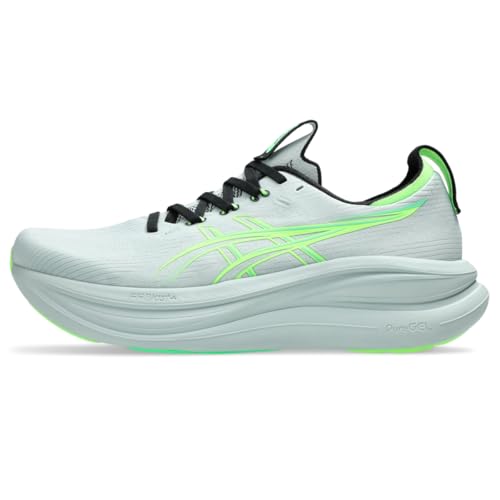

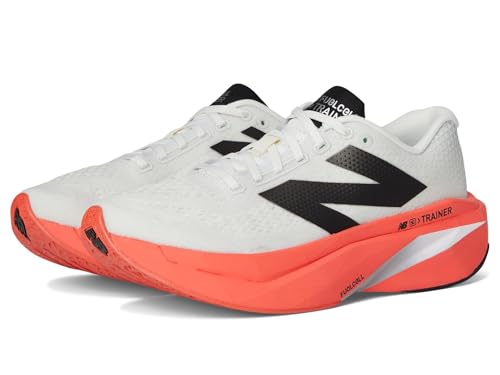
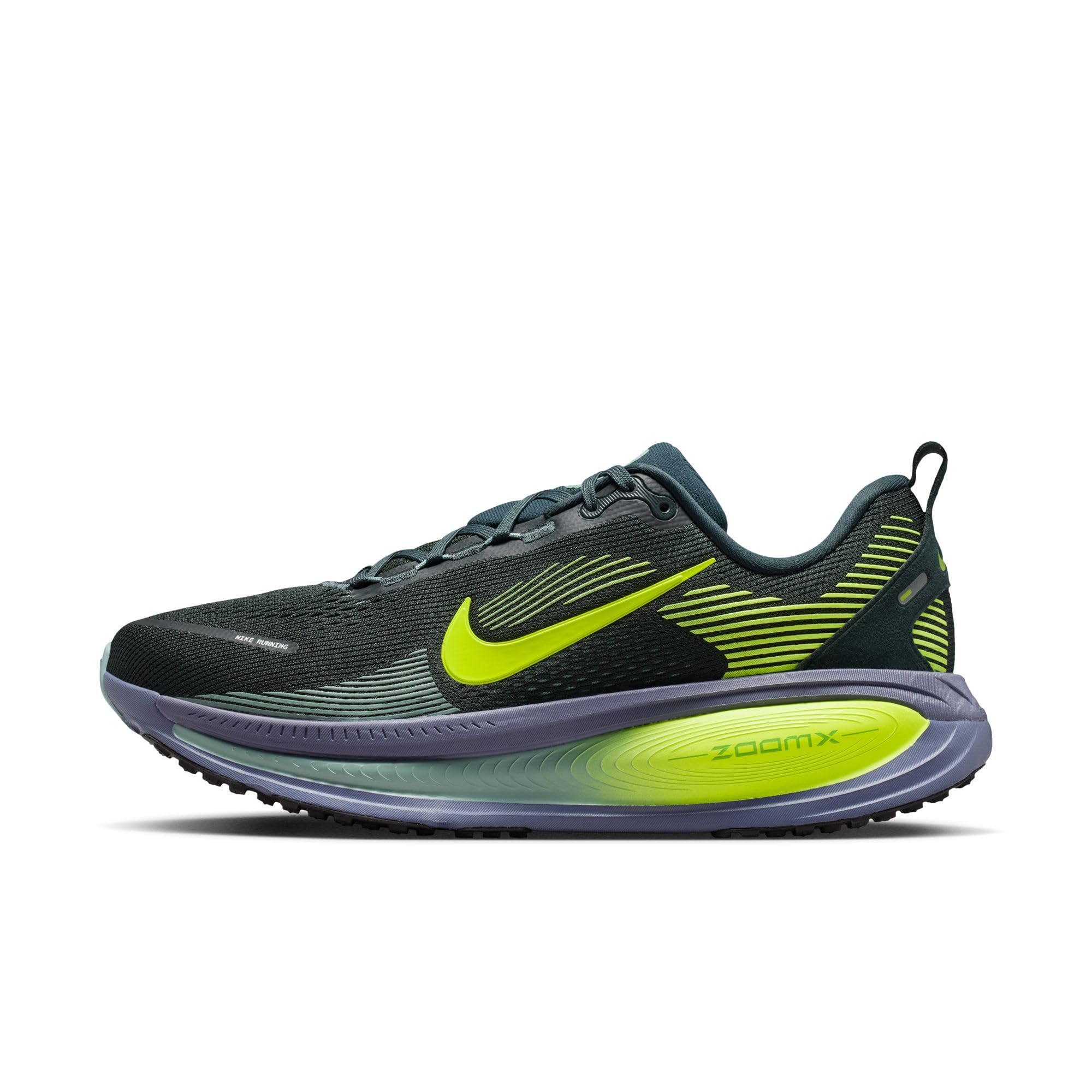
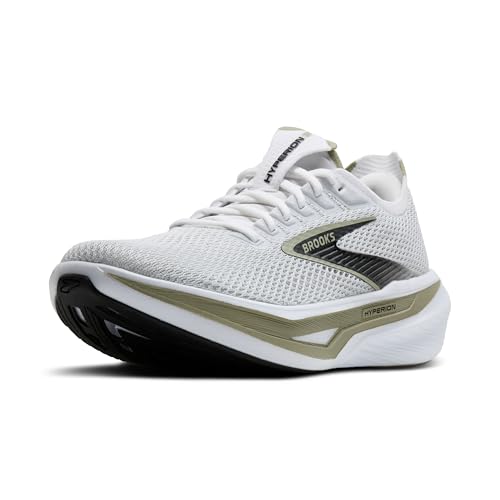
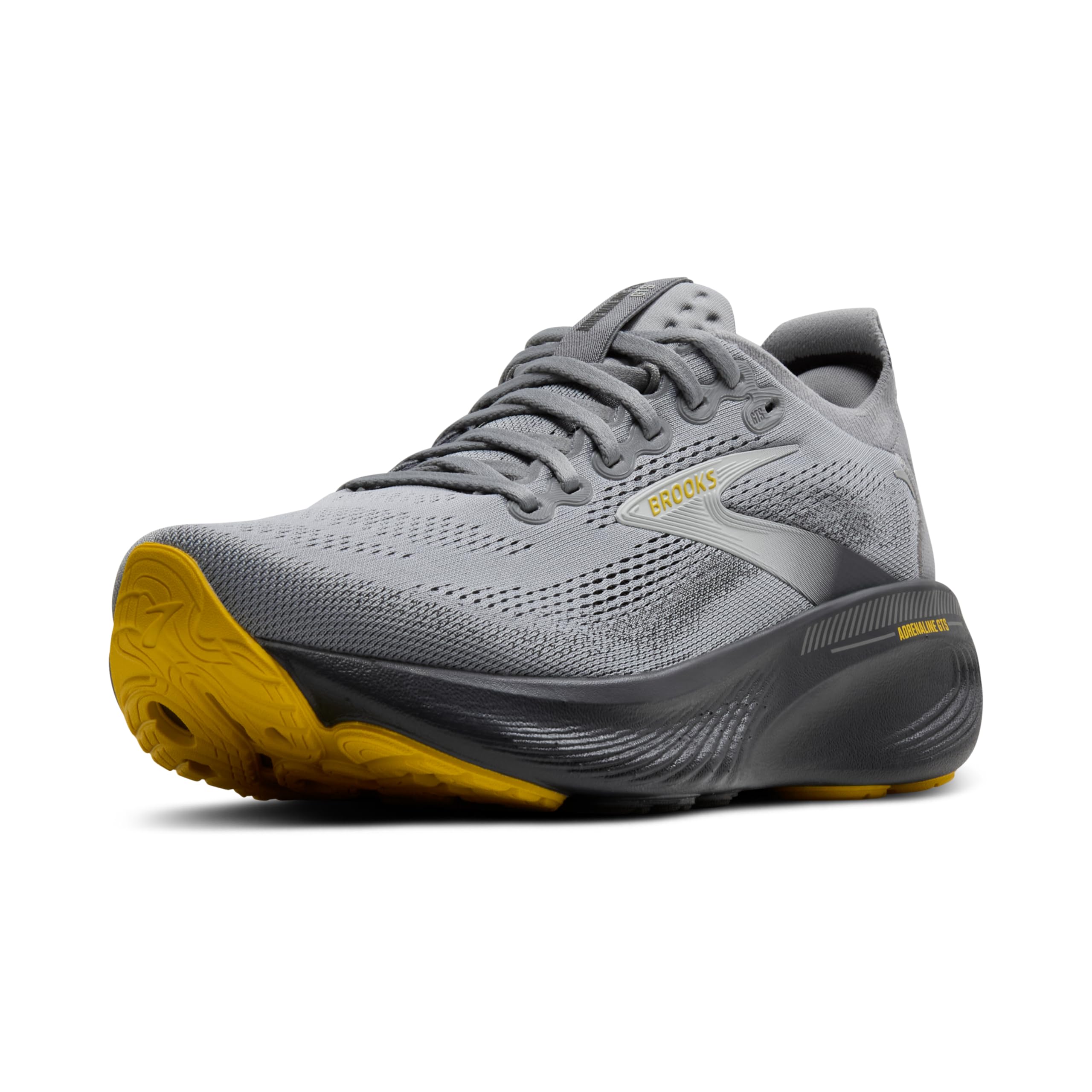
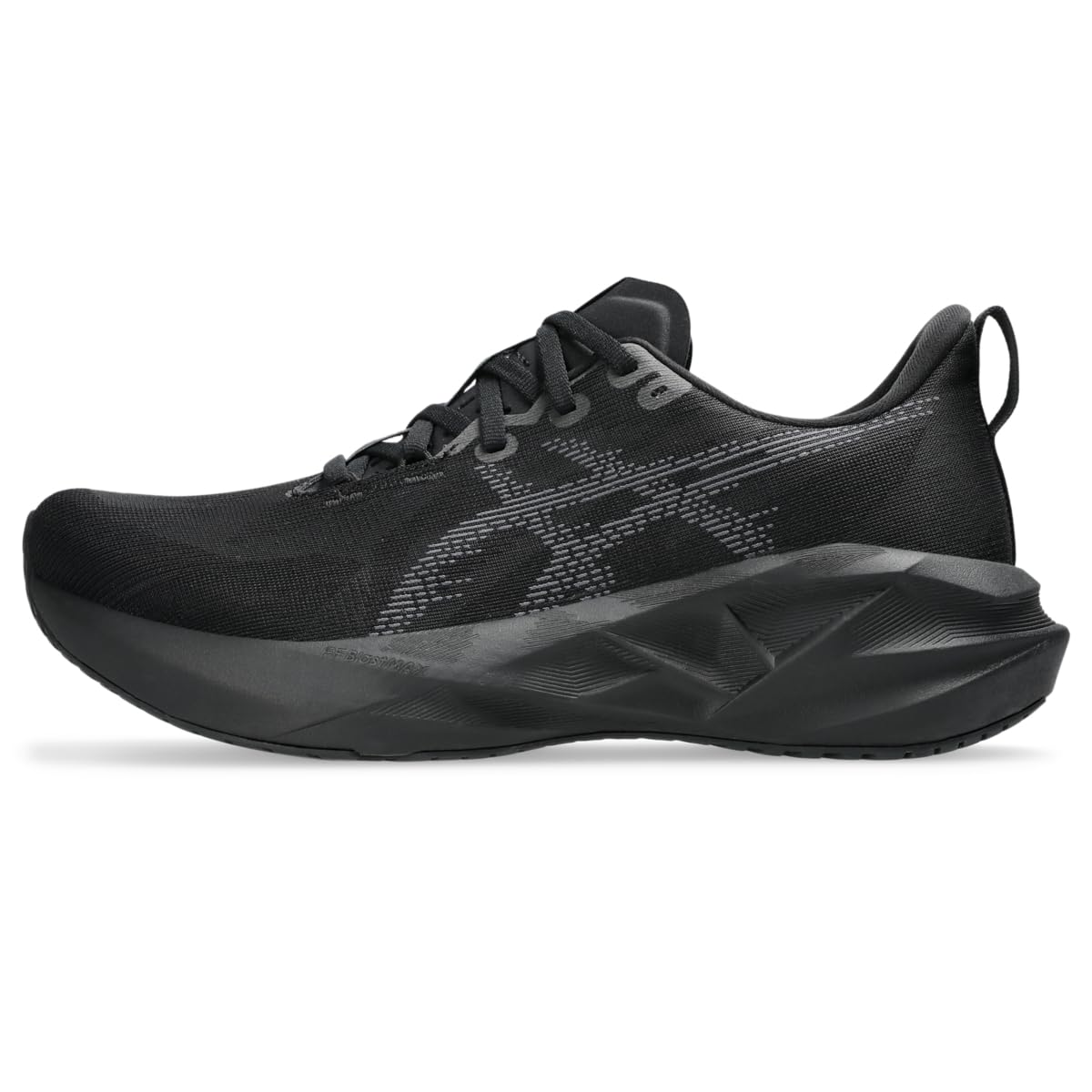

Who Should Buy All Round Running Shoes
Daily runners benefit most, because they need a durable pair for most weekly miles. New runners gain from a forgiving shoe that works at varied paces while they learn what they like. Runners who race occasionally can use an all round shoe for tempo work and long runs, then add a lighter pair only for race day. If you run only a few times a month, a simpler shoe may serve you just as well.
Key Features Worth Comparing
Balanced Cushioning
Moderate cushioning protects your joints without feeling soft or unstable. Very thick foam feels plush on easy days but can feel sluggish when you pick up the pace, while very thin foam feels fast but punishing over long distances.
Support Type
Neutral or stability support should match your gait, not a label. A gait check at a running store takes a few minutes and shows whether your foot rolls inward more than average. If it does, a stability shoe with guide rails or a firmer medial post can help the ride feel steadier.
Outsole Durability
Rubber coverage in high wear areas extends shoe life. Shoes with exposed foam under the heel are lighter but wear faster on pavement. Expect roughly 300 to 500 miles from a good pair.
Breathable Upper
A ventilated mesh upper keeps feet cooler on long runs and dries quickly after rain. Look for soft seams and a padded tongue that does not slide.
Secure Fit
A snug midfoot and a heel that stays put reduce blisters. Leave about a thumb width ahead of the longest toe, because your feet swell as you run.
Matching a Shoe to Your Week
Think about the mix of runs you do. If most are easy miles on pavement, softer cushioning pays off and the shoe will rarely feel too heavy. If you add strides, hills or a weekly tempo run, a slightly firmer, more responsive midsole feels better and keeps your pace honest. Heavier runners tend to compress foam faster, so they often prefer a firmer or higher volume midsole, while lighter runners can enjoy softer foams without bottoming out.
Weather matters as well. Waterproof uppers keep feet drier but run warmer, so many road runners choose breathable mesh and accept damp socks on rainy days. If you run in the dark, look for reflective details on the heel and upper.
Finally, keep notes on how each pair feels after 50 and 200 miles. Your own log is the best guide for your next purchase, because it shows which cushioning level, drop and fit you keep coming back to.
Types Compared
Neutral Daily Trainers
Neutral daily trainers are balanced shoes for runners with a neutral gait. They are the default choice for most daily running and the core of this category.
Stability Daily Trainers
Stability trainers offer guided support for runners who overpronate. They feel a little firmer and more structured, which many runners find reassuring on long miles.
Lightweight Daily Trainers
Lighter shoes feel quicker for tempo runs and races but give up some cushioning and durability. They suit runners who run shorter distances or want one shoe for both training and racing.
Fit, Setup and Everyday Use
Try shoes late in the day with the socks you run in, and walk and jog a few steps. Check for heel slip and pressure on the toes or the top of the foot. Wear new shoes for short runs first and build up to longer ones over a week or two. If you use custom insoles, make sure the shoe has a removable footbed.
Care, Costs and Long Term Value
Air shoes out after runs, and avoid machine washing unless the maker allows it. Rotate two pairs when mileage rises so the foam can recover. Keep shoes away from direct heat, which hardens foam and weakens glue. Track mileage roughly, because foam wears out before the upper looks tired. A pair that costs $120 and lasts 400 miles costs about 30 cents per mile, which is often better value than a cheaper pair that wears out sooner.
Common Mistakes to Avoid
- Choosing by color or brand alone, when fit and gait matter more.
- Buying shoes a half size too small, which leads to bruised toenails.
- Jumping mileage suddenly in a brand new pair.
- Running in shoes long past their cushioning life.
- Ignoring pain that does not settle, since early care prevents longer layoffs.
Stop and rest if you notice sharp pain, numbness, swelling or skin breakdown that does not settle. Talk with a clinician or podiatrist about pain that persists, changes how you walk, or keeps returning.
Related Guides Worth Reading
Compare related options in our guides to the best running shoes, the best tennis shoes for running, the best male running shoes, the best ladies running shoes and the best nike running shoes.
Frequently Asked Questions
How do I choose the right all round running shoes?
Start with your weekly mileage and your gait, then pick a cushioned daily trainer with a fit that suits your foot shape. Try more than one model and keep the one that feels comfortable from the first step.
What should I check before ordering?
Check the size and width options, the support type, the return policy and whether the insole is removable. A fair return window lets you try the shoes on a real run.
How much should I expect to spend?
About $100 to $180 covers many solid daily trainers. Spend more only if a premium model fits better or lasts longer for your mileage.
How do I make them last longer?
Rotate pairs, let them dry naturally and keep them away from heat. Replace them when the cushioning feels flat or the outsole is worn through.
Are all round running shoes suitable for beginners?
Yes. Neutral daily trainers suit most first time buyers, and a gait check can tell you whether you need stability support. Build mileage slowly in any new pair.
Final Thoughts
Match the shoe type to your gait, insist on a secure fit, and judge value by cost per mile. Compare your shortlist in the product table above. The best all round running shoes are the pair that feel good on easy days and steady on faster ones.


