
Best All Purpose Sandals: Buying Guide for 2026
Disclosure: We may earn a commission when you buy through links on this page, at no extra cost to you. As an Amazon Associate I earn from qualifying purchases. Learn more

Choosing the best all purpose sandals: fit, arch support, traction, straps and care so one pair handles most days with comfort and grip.
One pair of sandals often has to cover school runs, park walks, light trails, beach trips, and long days on your feet at work or on vacation. Choosing the best all purpose sandals means balancing cushioning, grip, and straps that stay comfortable for hours, rather than chasing the softest footbed in the store. This guide shows you how to judge that balance before you buy.
You will compare sandal types, learn how fit and arch support should feel, and see which features matter for water, pavement, and dirt. Use the comparison table below to track strap styles and weights, then check each candidate against the sections that follow.
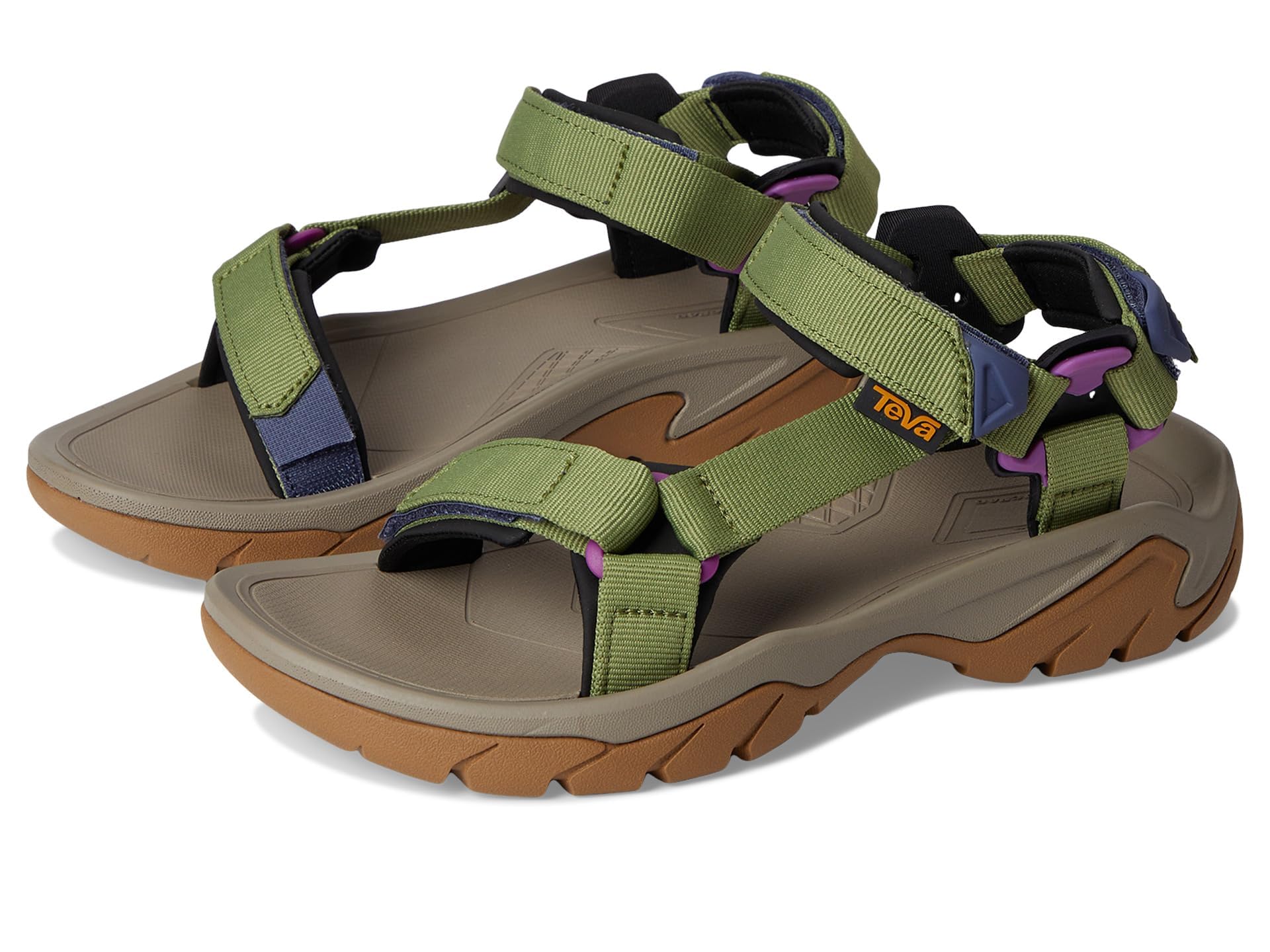


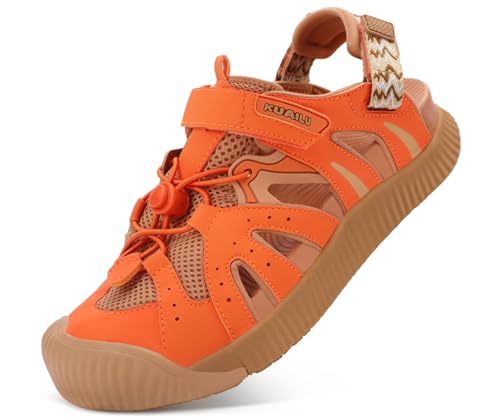

Price Tiers and What Each Tier Delivers
Price in sandals mostly reflects footbed shaping, strap materials, and outsole rubber. The tiers below describe what each range generally delivers, without naming any specific model, so you can set a budget that matches how often you will wear the pair.
Entry Tier: Simple Pairs for Light Use
Entry sandals often cost around $30 to $50 and suit short errands, pool decks, and warm weather days at home. Expect flat or lightly shaped footbeds, basic foam cushioning, and straps that may stretch as they age. Grip on wet tile can be modest, so check the outsole pattern closely. This tier works as a second pair or a travel backup, but daily walkers usually outgrow the support quickly and feel it first in tired arches at the end of the day.
Middle Tier: Support and Grip for Daily Wear
Middle tier sandals, often around $50 to $90, usually add contoured footbeds, firmer arch support, and rubber outsoles with real tread. Straps tend to adjust at two or three points, which helps you fine tune fit across the toes and ankle. For most people, this is the tier where one pair can truly cover varied days, from market trips to easy trails. Materials also improve here, with quicker drying straps and footbeds that resist odor better.
Premium Tier: Shaped Footbeds and Durable Materials
Premium sandals can cost around $90 to $140 and focus on long lasting leather or high grade synthetic straps, deeply shaped cork or foam footbeds, and sticky rubber outsoles. The benefit shows up on long days, where support stays consistent instead of packing down by afternoon. The trade off is weight and a longer break in period for stiff straps. Choose this tier if you walk far daily, travel on foot, or simply keep one pair for several summers.
How to Choose All Purpose Sandals: A Buying Guide
Fit and support decide whether a sandal earns a place by your front door. Work through each feature below with your own feet in mind, because the right answer for a high arch differs from the right answer for a flat, wide foot.
Fit, Sizing, and Toe Box
Measure your feet in the afternoon, when they are at their largest, and compare the length with the size chart for the exact style you want. Your toes should sit fully on the footbed with a small margin at the front, never hanging over the edge. A roomy toe box lets toes spread on descents and in heat, while a narrow one suits slim feet that slide in loose sandals. If you fall between sizes, the larger size usually works better once straps are adjusted snugly.
Durability and Expected Lifespan
A daily pair should hold its shape and grip through at least one full warm season, and better pairs last several. Press the footbed with your thumb; foam that collapses fully and stays flat will feel tired quickly on long walks. Check strap anchor points, since straps that are stitched and bonded outlast straps glued at a single point. Outsoles with deeper tread wear longer on pavement, while very soft rubber can wear smooth within months of daily city use.
Water Resistance and Drying Speed
True waterproof membranes are rare in open sandals, and most all purpose pairs rely instead on materials that tolerate water and dry fast. Synthetic straps, closed cell foam footbeds, and rubber outsoles handle beach days, boat decks, and sudden rain without damage. Leather looks smart and molds to your foot, but it dries slowly and can stiffen after soaking. If your week includes kayaking or stream crossings, choose the fast drying build and rinse off salt and grit the same day.
Arch Support and Foot Type
Arch support should meet your arch without pushing into it like a stone underfoot. Flat feet often feel best with a firm, moderate arch and a stable heel cup that limits inward rolling. High arches usually need more cushioning under the heel and forefoot, since pressure concentrates there. If you already use orthotic insoles in your shoes, look for sandals with removable footbeds or a shape that mimics your insole curve, and read our guide to the best sandals for plantar support needs if heel pain is part of your decision.
Outsole Traction and Terrain
Traction comes from rubber softness, tread shape, and how much of the sole touches the ground. Deep, widely spaced lugs grip dirt and grass but can feel clunky on smooth floors, while fine siping, meaning thin slits in the rubber, grips wet pavement and pool decks. A slightly sticky rubber compound helps on boat decks and wet rock. Match the tread to your roughest common surface, not your rarest adventure, and you will feel steadier every day.
Break In Period and Comfort Out of the Box
A good pair should feel secure in the store, with no strap edge cutting into skin and no heel lift as you walk. Foam footbeds usually feel comfortable at once, while leather straps and cork footbeds soften over one to two weeks of short wears. Wear new sandals around the house first, then on a short walk, before committing to a full day. Blisters at this stage usually mean a strap sits on a bony point, and adjusting or exchanging early beats hoping the problem fades.
Types of All Purpose Sandals
Sport Sandals for Trails and Water
Sport sandals use multiple adjustable straps, grippy lugged outsoles, and often a toe guard for rocky paths. They handle hiking, travel, and water sports in one pair, which makes them the most versatile style here. The trade off is a busier look that may not suit dressier settings. If your days mix dirt and pavement, this type usually covers the widest range with the fewest surprises.
Cushioned Everyday Sandals
Everyday cushioned sandals focus on soft footbeds and simple slide or single strap designs for comfort on pavement and at home. They shine for errands, garden time, and recovery days after long runs or standing work. Support varies widely, so check arch shape rather than trusting softness alone. They pack easily for trips, and many travelers compare them with the options in roundups of the best rated sandals when comfort is the top priority.
Lightweight Travel Sandals
Lightweight sandals trim bulk with thin straps and flexible soles, so they disappear into a carry on bag or day pack. They work well as a second pair for showers, beaches, and evening walks on flat ground. The cost of that lightness is less protection and support, so they struggle on rocky trails or long standing days. Men who want a sturdier travel option with wider straps can also look at our guide to the best sandals for guys for fit notes on broader feet.
Tips to Get the Most From Your Sandals
- Rinse after beach or pool days. Salt and chlorine dry out straps and foam, so a quick rinse and air dry keeps materials supple.
- Air dry away from direct heat. Radiators and hot car trunks can warp footbeds and weaken glue, so dry sandals in shade with moving air.
- Rotate two pairs for daily wear. Alternating pairs lets foam recover between days, which keeps cushioning springy for longer.
- Readjust straps as feet swell. A small change at the ankle strap in the afternoon prevents rubbing that you would never feel in the morning.
- Check tread before each season. Smooth outsoles slip on wet ground, so replace the pair once the tread pattern wears flat in the heel and forefoot.
FAQs
How often should I replace my all purpose sandals?
Replace them when support or grip fades, which for daily wear is often after one to two warm seasons. A footbed that stays compressed, straps that no longer hold adjustment, or an outsole worn smooth at the heel all signal the end. Occasional wearers can keep a pair much longer, but check strap anchors each spring, because aged glue can fail suddenly on a trip far from a shoe store.
Do I need waterproof sandals?
You rarely need a waterproof membrane in an open sandal, but you do need materials that survive getting wet. Synthetic straps and rubber outsoles dry overnight and resist damage from salt water, making them the practical choice for beach and boat use. Leather pairs are better kept for dry days. If you walk through streams often, also confirm the footbed surface stays grippy when wet, since some smooth foams turn slippery.
How should all purpose sandals fit?
They should fit with your whole foot on the footbed, a small margin beyond your toes, and straps snug enough that the sandal moves with your foot. Your heel should not lift and slap with each step, and no toe should grip the front edge to stay on. Walk on a hard floor while testing, because carpet hides sliding and pressure points that pavement will reveal within the first mile.
Can I wear all purpose sandals all day?
Yes, if the pair has real arch support, a stable heel cup, and straps that do not rub, most people can wear them all day. Build up gradually if you are switching from supportive shoes, starting with a few hours so your feet adapt. Anyone with ongoing foot pain, diabetes related foot concerns, or circulation problems should ask a clinician or podiatrist which support level suits them before relying on sandals for full days.
How long is the break in period for sandals?
Most foam and synthetic sandals feel ready within a few short wears, while leather straps and cork footbeds can take one to two weeks. During that time the footbed molds to your arch and strap edges soften against your skin. Sharp pain, numbness, or blisters that repeat in the same spot are not normal break in signs, so adjust the straps or exchange the size rather than pushing through.
Wrapping Up
Match fit and arch support first, then choose tread and materials for your water, pavement, and trail mix. The product table above and the comparison table above will help you compare strap layouts and weights side by side. Picked with care, the best all purpose sandals become the pair you reach for daily, comfortable from the first errand to the last walk of a long summer day.


