
Best All Sport Watches: Buying Guide for 2026
Disclosure: We may earn a commission when you buy through links on this page, at no extra cost to you. As an Amazon Associate I earn from qualifying purchases. Learn more

Use this guide to the best all sport watches to compare movement, water resistance, case size and straps and choose a watch that fits training and budget.
A watch that works for a pool swim may fail on a muddy trail, and a large GPS watch can feel clumsy during a gym session. The right choice depends on which sports you do most, how much data you want, and whether you prefer a classic movement or a connected display. This guide to the best all sport watches sorts those trade offs in a clear order.
Use the comparison table below to scan case size, water resistance, and price bands. Then use the buying guide that follows to decide which features deserve your money and which you can safely skip.


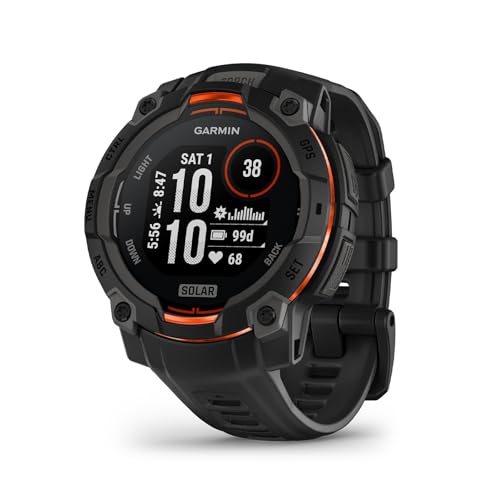


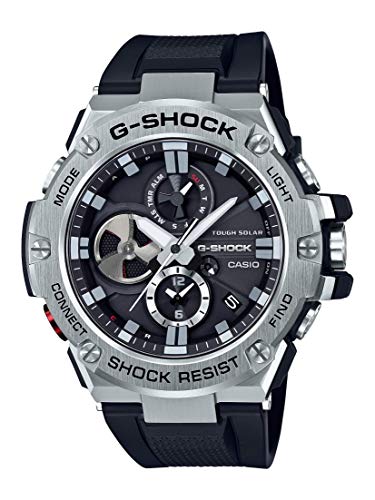


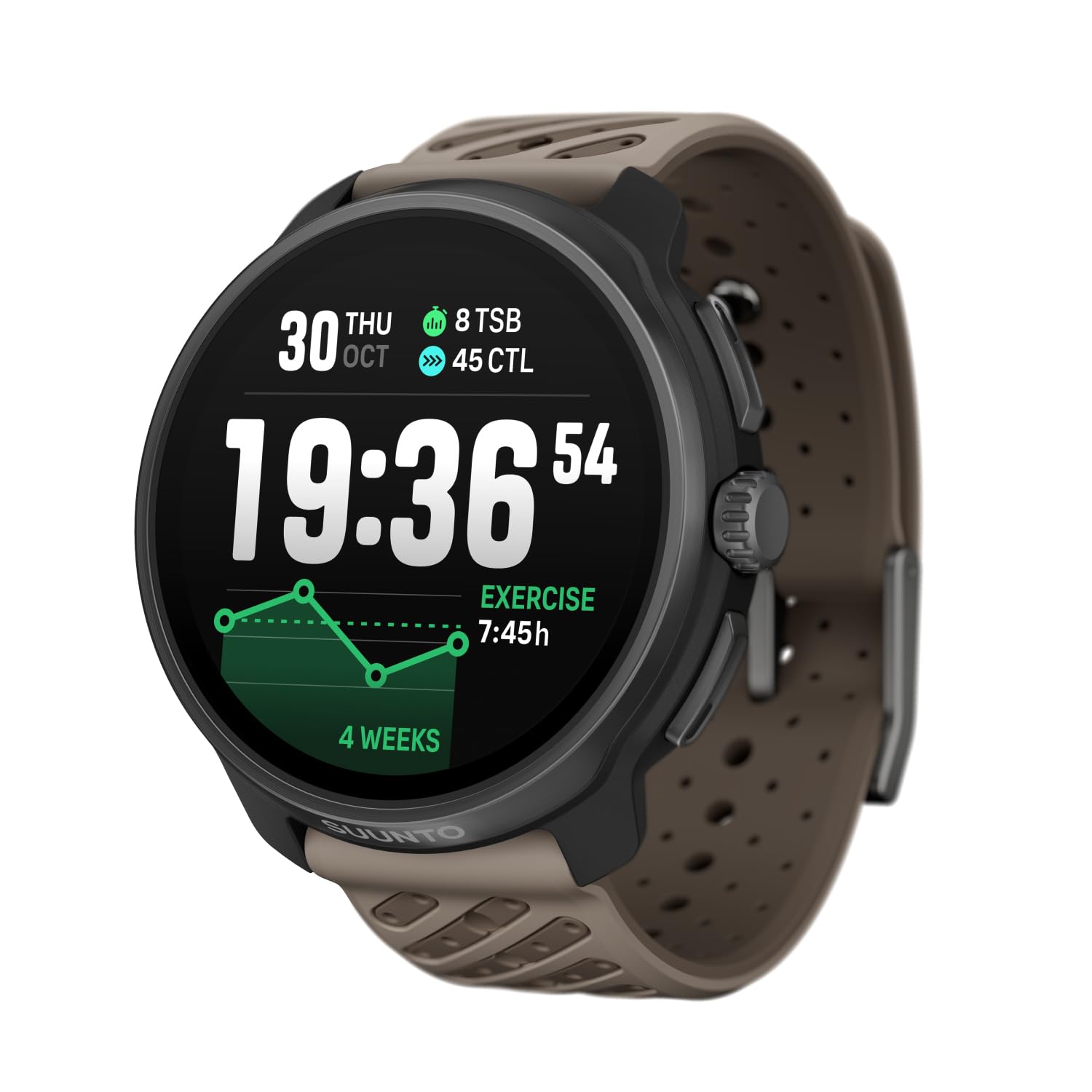
How to Compare Price Tiers at a Glance
Best Overall Tier
The overall tier, often about $300 to $700, suits athletes who train in several sports each week. Watches here usually combine strong water resistance of 100 m or more, sapphire or toughened mineral crystal, reliable GPS on connected models, and straps that swap without tools. You pay for durability and accuracy rather than decoration.
This tier makes sense if one watch must cover swimming, running, cycling, and daily wear. Check that battery life on connected models covers your longest event with margin to spare.
Best Value Tier
The value tier, often about $100 to $300, suits regular trainers who want solid basics without flagship cost. Expect quartz accuracy or capable entry level connected features, water resistance around 100 m, and resin or steel cases that handle knocks well. Crystal is usually mineral rather than sapphire, so a screen protector or careful storage helps.
Value watches often give up advanced training metrics and premium case finishing. If your sports are running, gym work, and recreational swimming, that compromise rarely limits your training.
Best Tier for Beginners
The beginner tier, often under $100, suits new athletes who need time, a stopwatch, an alarm, and water resistance for showers and pool work. Simple quartz models shine here because they need almost no setup and run for years on one battery. Connected models at this price can have short battery life and clumsy apps, so simplicity is a real advantage.
Start simple, learn which data you actually check after a session, and upgrade only when a missing feature limits you. Many beginners find that a lap timer and a comfortable strap matter more than heart rate graphs.
How to Choose the Best Sport Watches: Buying Guide
Movement Type (Quartz, Automatic, Solar, Smart)
Quartz movements are the most accurate and need the least care, with battery changes every two to five years in most cases. Automatic movements wind from wrist motion and appeal to buyers who value mechanical craft, but they lose or gain seconds each day and need service every five to seven years. Solar models charge from light and remove most battery worries for outdoor athletes.
Smart and GPS models record pace, distance, and heart rate, but they need charging from daily to weekly depending on use. Pick the movement that matches your tolerance for charging and service, not the one with the longest feature list.
Water Resistance Rating
Water resistance is measured in meters or atmospheres, and the numbers mean less than most buyers assume. A 30 m rating covers splashes and rain only, while 50 m handles brief immersion. For regular swimming you want 100 m, and for surfing, diving, or high speed water sports you want 200 m with a screw down crown.
Ratings assume still water and a watch with seals in good condition. Heat, soap, and button presses underwater all reduce real protection, so rinse the watch after salt water use and have seals checked at each battery change or service.
Crystal and Case Materials
Sapphire crystal resists scratches better than any other common watch glass, which matters for climbing, lifting, and trail sports where contact with rock and metal is routine. Mineral crystal costs less and resists shattering a little better, but it will collect scratches over time. Plastic crystals on budget sport models are light and cheap to replace.
Case material shapes weight and durability. Stainless steel in 316L grade resists corrosion well, titanium cuts weight for long events, and resin absorbs impacts at the lowest cost. For multi sport use, a light case with a sapphire or mineral crystal is the practical sweet spot.
Smart and Fitness Features
GPS, optical heart rate, sleep tracking, and training load scores help athletes who follow a structured plan. GPS accuracy matters most on trails and in cities with tall buildings, so look for multi band GPS if you run in those settings. Heart rate from the wrist is useful for trends, but a chest strap remains more accurate for hard intervals.
Remember that a sport watch supports training decisions and does not replace medical advice. If heart rate data looks unusual or you feel unwell during exercise, stop and talk with a doctor rather than trusting the numbers on your wrist. Athletes training for three sport events should also see our guide to the best sports watches for triathletes for swim, bike, and run specific needs.
Brand Reputation, Warranty, and Value
A sport watch takes knocks that a dress watch never faces, so warranty terms and service access in the United States matter. Look for at least a two year warranty, clear water resistance service guidance, and replacement straps that are easy to buy years later. Brands with long sport watch history tend to keep parts available longer.
Resale value is a minor factor for most buyers, but durability is not. A watch that survives five seasons of training costs less per year than a cheaper watch that fails in the second season, even before you count the cost of a replacement.
Strap and Bracelet Options
Silicone straps suit swimming and sweaty training because they rinse clean and dry fast. NATO style fabric straps are secure and cheap to swap, but they stay wet longer after a swim. Metal bracelets look best for daily wear yet add weight and can trap grit against the skin during long events.
Quick release spring bars let you change straps in seconds without tools, which is ideal if you train in the morning and need a cleaner look at work. Check the lug width before you buy spare straps, and keep one spare silicone strap in your kit bag so a torn strap never cancels a session. Cyclists who want a wrist option that stays put on rough roads can compare notes in our guide to the best sport watches for cycling.
Case Size and Wrist Fit
Case diameter for sport watches usually runs from 38 to 44 mm, with thickness and lug to lug length deciding real comfort. Measure your wrist, then look for a lug to lug length that does not overhang the edges of your wrist. A watch that overhangs catches on sleeves, gloves, and gym equipment.
Try the watch with the strap you will train in, not just the display strap. Tighten it enough that the watch does not slide during arm swing, but leave room for your wrist to swell in heat during long summer sessions.
Types of Sport Watches
Automatic Watches
Automatic sport watches offer mechanical charm, strong cases, and no battery changes. They suit divers, field use, and daily wear for buyers who enjoy the movement itself. They give no training data and need periodic service, so they fit athletes who track workouts by feel or with a separate device.
Solar Watches
Solar sport watches charge from sunlight and indoor light, so they suit outdoor athletes who dislike charging cables. Many pair solar charging with tough resin or steel cases and 200 m water resistance. They fit hikers, sailors, and field workers who spend long days outside and want time, timing, and alarms without any app.
Quartz Watches
Quartz sport watches are accurate, light, and affordable, with long battery life. They suit beginners, gym users, and swimmers who need a stopwatch and water resistance without data tracking. The trade off is a battery change every few years and no GPS or heart rate, which many athletes never miss.
Rugged outdoor use adds demands such as altimeters, barometers, and sunrise times. If your sports are mostly hiking and backcountry travel, our guide to the best outdoor sport watches covers those tools in more depth.
Care and Maintenance Tips
- Service automatic watches every 5 to 7 years. Fresh oils and new seals keep accuracy and water resistance where they should be.
- Rinse after salt water exposure. Salt and sand work into crowns and pushers, so a gentle rinse in fresh water after each ocean session protects seals.
- Store away from magnets. Speakers, tablet covers, and bag clasps can magnetize a mechanical movement and spoil its accuracy.
- Rotate straps to reduce wear. Giving each strap dry rest days prevents odor, cracking, and stretched holes.
- Replace spring bars with straps. A fatigued spring bar is a cheap part that can drop an expensive watch on hard ground.
One habit helps: wipe the case back and strap after sweaty sessions, because dried salt and sunscreen degrade strap material and irritate skin on the next workout. That thirty second habit extends strap life more than any storage box.
FAQs
How water resistant should a watch be?
A sport watch should have at least 100 m water resistance if you swim with it regularly. That rating handles pool laps and open water swims with margin for movement pressure. Choose 200 m for surfing, diving, or jet ski use. Whatever the rating, never press buttons underwater unless the maker states that the pushers are designed for underwater use.
Quartz or automatic: which is better?
Quartz is better for accuracy, low cost, and minimal upkeep, while automatic is better for buyers who value mechanical craft. For pure sport timing, quartz wins on every practical measure. For a watch you will wear daily for a decade and enjoy as an object, an automatic can be the more satisfying choice despite its service costs and lower accuracy.
What case size fits my wrist?
Most wrists suit a case from 38 to 42 mm, with lug to lug length under about 50 mm. Measure your wrist circumference, then divide your attention between diameter and lug to lug, because the second number decides overhang. Slim wrists often find 38 to 40 mm cases with short lugs far more comfortable than a flat 44 mm case, even at the same weight.
How long does a watch battery last?
A quartz watch battery usually lasts two to five years, depending on features such as lights, alarms, and chronograph use. Solar models avoid routine changes because light recharges the cell, though the rechargeable cell itself can need replacement after many years. GPS watches are different: their rechargeable batteries last days to weeks per charge and slowly lose capacity over hundreds of charge cycles.
Is a smartwatch worth it over a classic watch?
A smartwatch is worth it if you follow training data, want route guidance, or use contactless payment and notifications daily. A classic watch is better if you dislike charging, want a decade of service from one purchase, or swim and lift in rough settings. Many athletes own both and train with the connected watch while keeping the classic watch for work and travel.
Our Verdict
Decide by movement first, water resistance second, and fit third, and most other choices fall into place. The product table above shows how those three factors line up with price, so start there and then test fit in person when you can. Buyers who prefer refined finishing alongside sport capability can also explore our guide to the best luxury sport watches, while those shopping for a smaller wrist fit should see our guide to the best sport watches for women.
Chosen with those priorities, the best all sport watches options narrow to a short list that fits your sports, your wrist, and your budget without paying for features you will never open.


